Process Introduction of Continuous Low-temperature Wet Rendering
Process Introduction of Continuous Low-temperature Wet Rendering
Continuous Low-temperature Wet Rendering is a mainstream core process for the harmless and resourceful treatment of livestock and poultry as well as slaughterhouse by-products. With years of in-depth technical research and development in the industry, SunRise has launched an optimized technical system featuring low-temperature airtight treatment, continuous operation and multi-phase separation. It effectively solves the problems of large material nutrient loss,high energy consumption and unstable working conditions existing in traditional high-temperature treatment processes. Supported by accurate temperature-time-pressure intelligent control logic,wide material adaptability and stable continuous production conditions, this process has become the core support of SunRise’s standardized and resourceful treatment solutions for livestock and poultry waste. This paper systematically introduces its complete process flow and material adaptation control criteria.
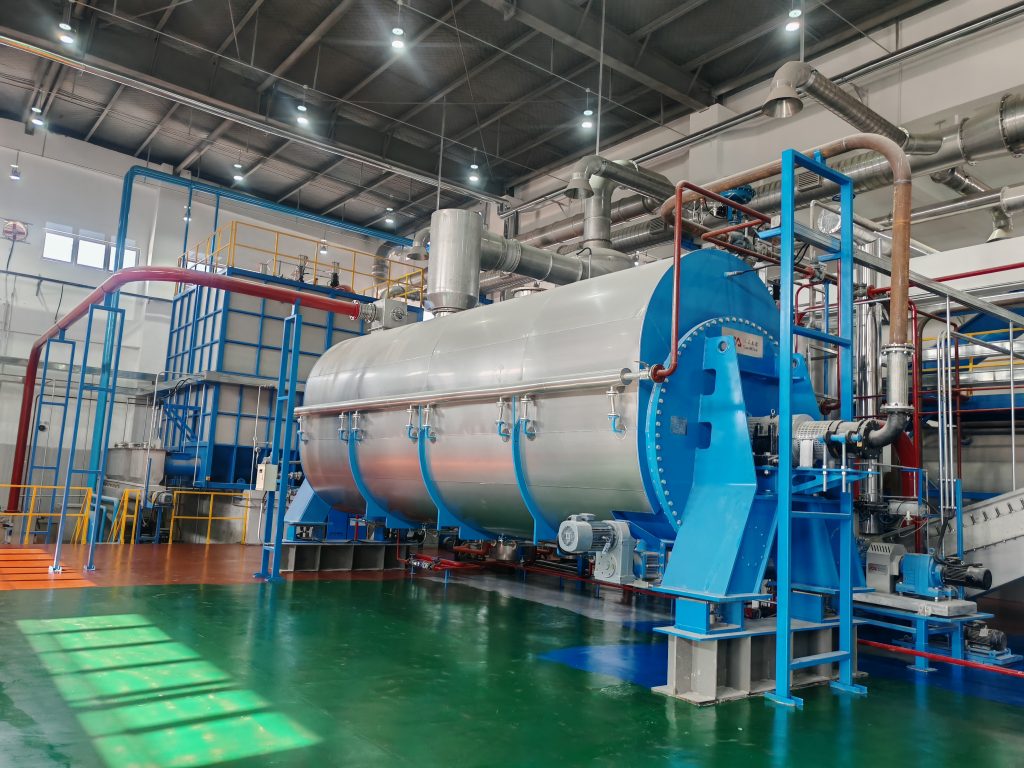
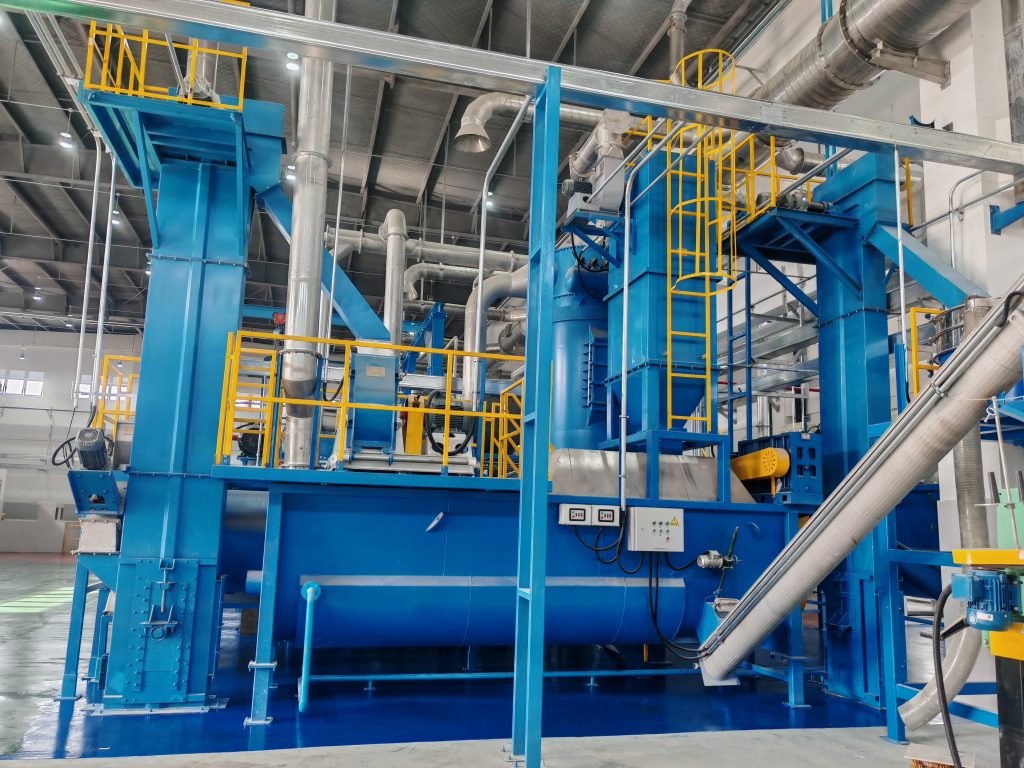
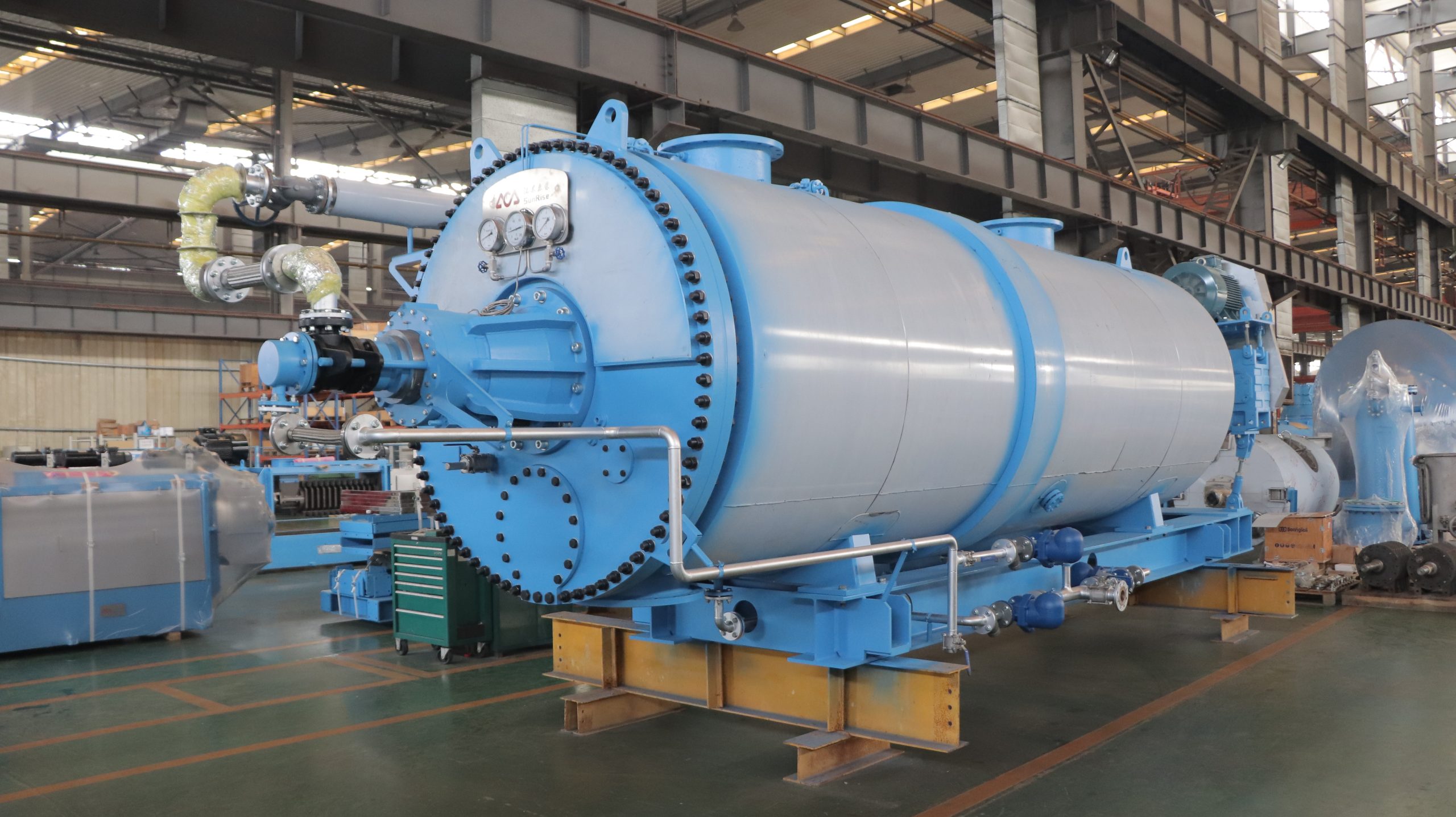
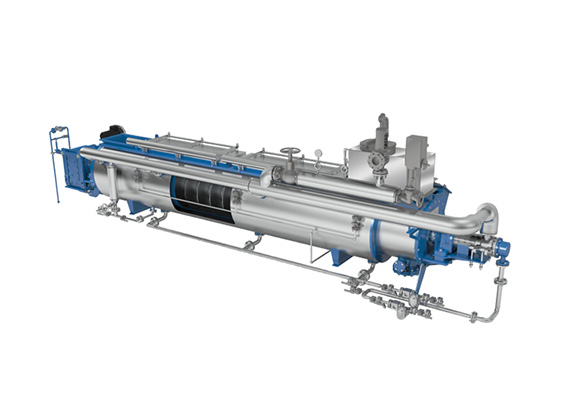
The entire process adopts a fully enclosed continuous operation mode, consisting of five core modules: raw material pretreatment, low-temperature heating,multi-stage separation, drying and crushing, and oil refining, with compact process connection and high automation.In the raw material pretreatment stage, livestock and poultry waste and slaughterhouse by-products are transported to the treatment center via sealed special transport vehicles.The materials are crushed to a standard particle size of 30-50mm by crushers, and some adapted equipment can directly treat whole livestock and poultry materials.The crushed materials are conveyed to the buffer silo through sealed screw conveyors. The whole process is free of leakage and secondary pollution, laying a solid foundation for subsequent stable treatment.
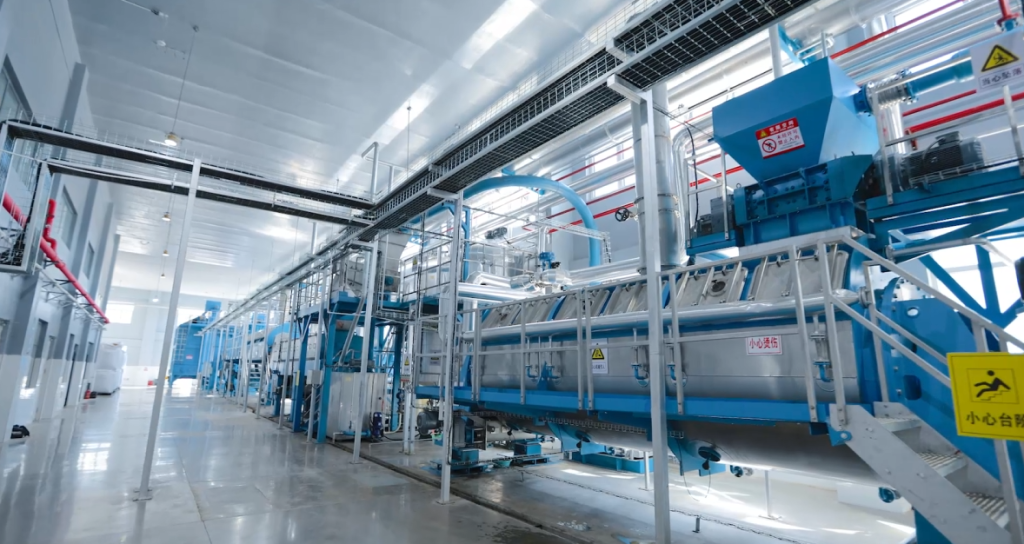
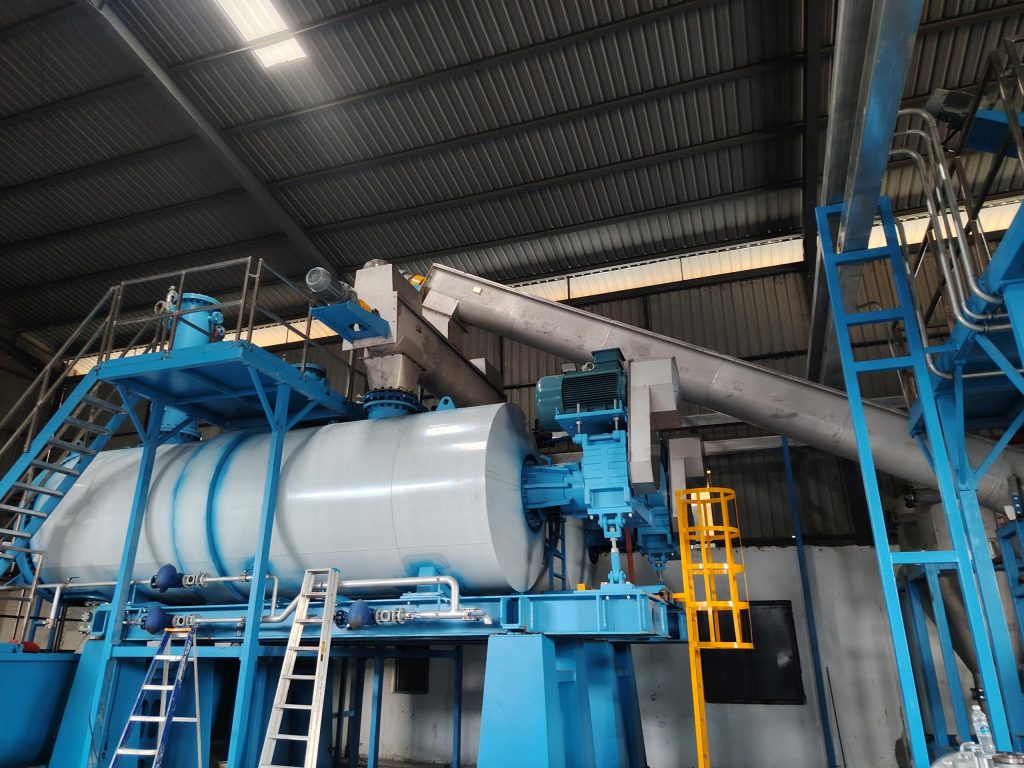
As the core quality control procedure of the entire process, low-temperature heating is carried out in a fully enclosed and oxygen-free environment with graded constant temperature treatment realized by dual-temperature and dual-speed precise control technology.Materials are evenly delivered into the raw material heater by a variable-speed conveyor,and live steam is injected through specially optimized nozzles for refined treatment via a gradient heating process.Firstly, the temperature is rapidly raised to the critical process temperature to completely inactivate various active enzymes in materials and avoid material deterioration and degradation.Then, the temperature is accurately increased to the optimal process temperature range to fully break the material tissue structure and realize efficient and sufficient fat release.According to raw material types and target product requirements, the process can intelligently match the heating temperature and material residence time, strictly meeting harmless treatment standards while maximizing the retention of effective material quality.
The heated materials are sent to the decanter centrifuge system for precise solid-liquid-liquid three-phase separation, which is the key procedure for classified resource recovery.he separated fat phase is delivered to a high-speed centrifuge for deep purification, with the oil purity reaching more than 99.5%. The purified crude oil is stored after heating,stirring and purification by a horizontal centrifuge, and can be reused as biodiesel, industrial raw materials and other resources.Solid phases including bone residue and protein residue are transported to the drying system and dried by utilizing waste heat from the evaporation system.After crushing, humidity-controlled cooling, screening and packaging, high-quality protein auxiliary materials are obtained.he process sticky water generated from separation is concentrated by the evaporation system,which can be back-added to materials or recycled and utilized as flavor additives.
Dieses Verfahren zeichnet sich durch hervorragende Materialanpassungsfähigkeit aus, wobei die Prozessparameter dynamisch an den Feuchtigkeitsgehalt und die Partikelgröße des Materials angepasst werden können. Es bietet herausragende Anpassungsvorteile für feuchte Schlachtabfälle mit bemerkenswerten Energieeinsparungen durch mechanische Entwässerung mittels Zentrifugen. Die Dampfinjektionszeit kann entsprechend verkürzt werden, während die Trennzeit verlängert wird, um die Trennschärfe zu gewährleisten. Die Partikelgröße des Materials beeinflusst direkt die Wärmeübertragungseffizienz und den Behandlungserfolg. Grob zerkleinerte Materialien von 30–50 mm erfordern eine erhöhte Dampfinjektion und verlängerte Haltezeit, um sicherzustellen, dass die Kerntemperatur des Materials erreicht wird. Fein zerkleinerte Fleischemulsionsmaterialien haben eine gleichmäßige Wärmeübertragung, während die Prozessparameter streng kontrolliert werden müssen, um übermäßige Gelatinierung zu vermeiden und die Fest-Flüssig-Trennungseffizienz zu gewährleisten.
Insgesamt bietet das kontinuierliche Niedertemperatur-Nassschmelzen technische Vorteile wie standardisierten Prozessablauf, präzise Parameterregelung und geschlossenen Ressourcenkreislauf, wodurch eine Balance zwischen Umweltverträglichkeit, Wirtschaftlichkeit und Betriebsstabilität erreicht wird. Durch Prozessoptimierung sowie Anpassung und Aufrüstung der Ausrüstung verbessert SunRise die kontinuierliche Betriebsfähigkeit, die Materialanpassungsbreite und die Ressourcenrückgewinnungsrate des gesamten Systems weiter und bietet ausgereifte, zuverlässige und effiziente professionelle Lösungen für die unschädliche und ressourcenschonende Behandlung von tierischen Abfällen.