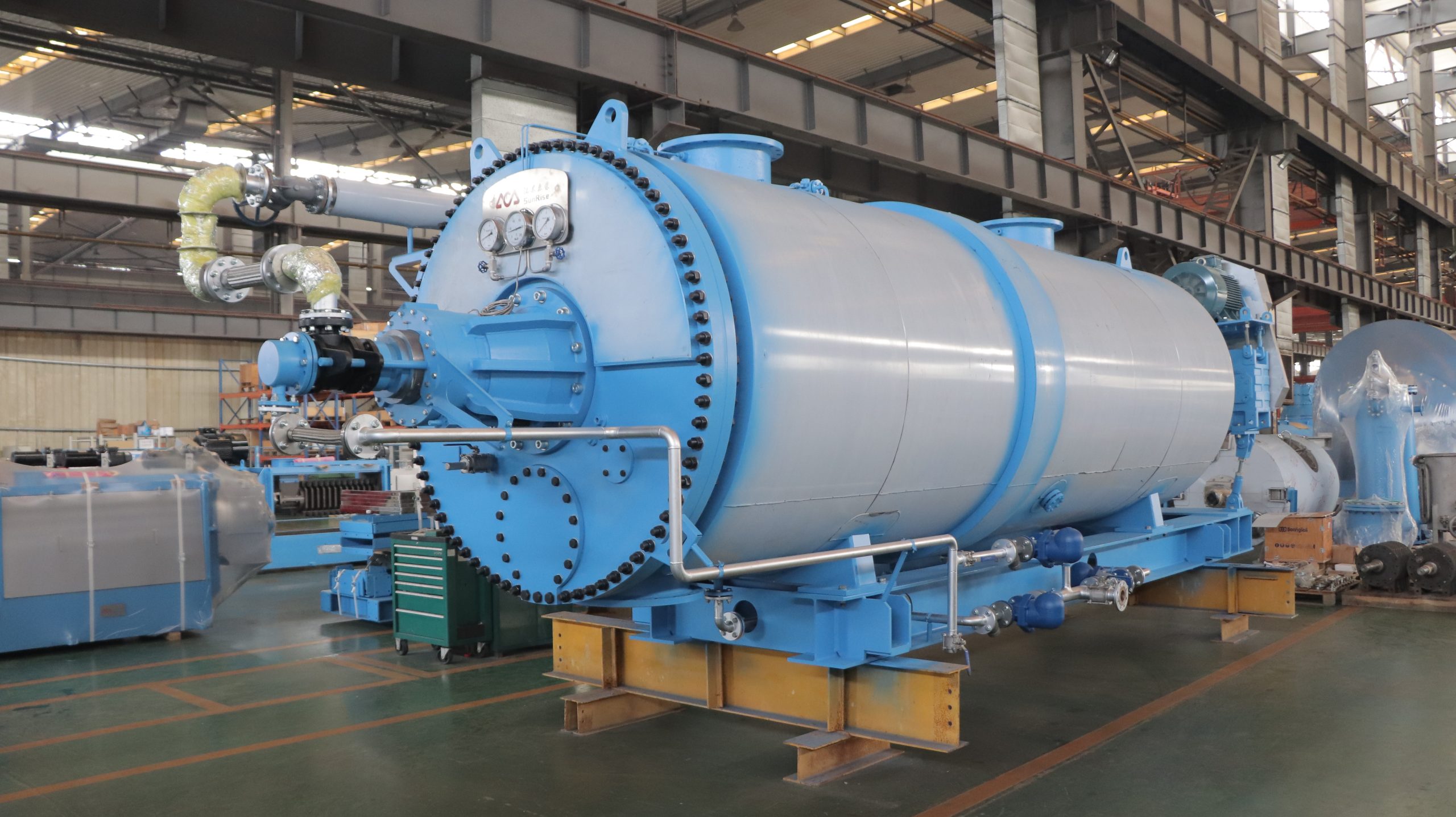
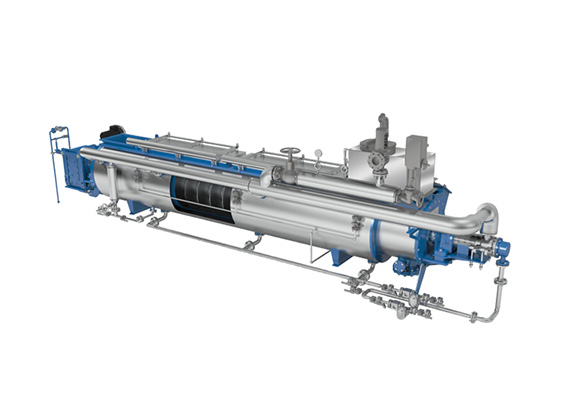
Rendering Operations
Rendering Operations
Whether rendered products are used in feed for ruminants, poultry, swine, pets, or aquaculture, or for industrial uses of fatty acids,rendering operations and how they are performed will influence production costs, sales quality, and financial success.
Energy consumption, production methods, quality control, process control, as well as final products are all mainly dependent on the raw material and the condition in which it enters the respective processing system. While the old saying “you can’t make a silk purse out of a sow’s ear” still holds true,well-chosen systems and standardized operations can maximize the quality of byproducts obtainable from given raw materials.Conversely, poorly maintained and improperly operated systems can spoil even the highest-quality, freshest raw materials.
Over the years, diverse techniques have been applied to adjust the quality of rendered products. Bleaching techniques, antioxidants and additives,along with adulteration agents. in some cases, may skew chemical test results.This allows products to be graded higher in quality and priced above their actual standard. Hence, to maximize economic profits,it is essential to fully grasp raw material properties, processing systems and operational workflows,enforce rigorous quality control, and stay fully compliant with relevant regulations.
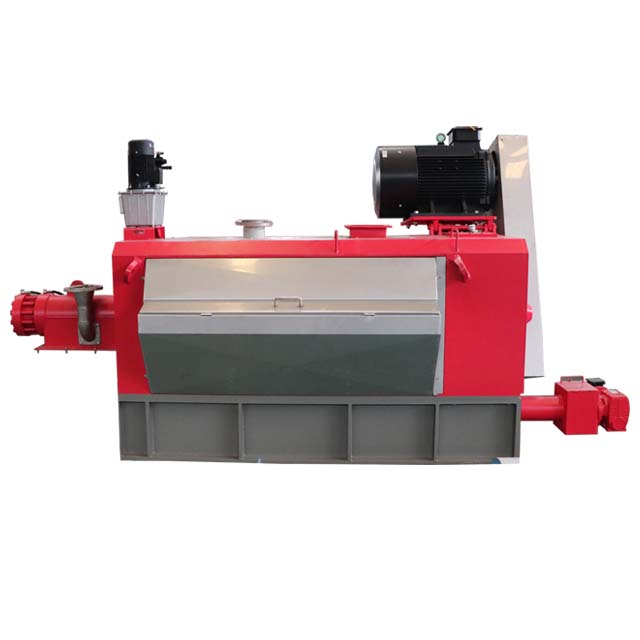
Wet Rendering Process
Wet rendering is a process that leaves a high moisture content in the product, until, or if, it is to be dried. Today, it is most commonly used in the rendering of edible fats and oils,as well as in producing products like partially defatted chopped beef and frozen beef, among other goods.The earliest form of wet rendering involved boiling materials in an open kettle heated by wood or coal.The fat, which rose to the surface, was then skimmed off for further use. This small-scale rendering method was quite common.
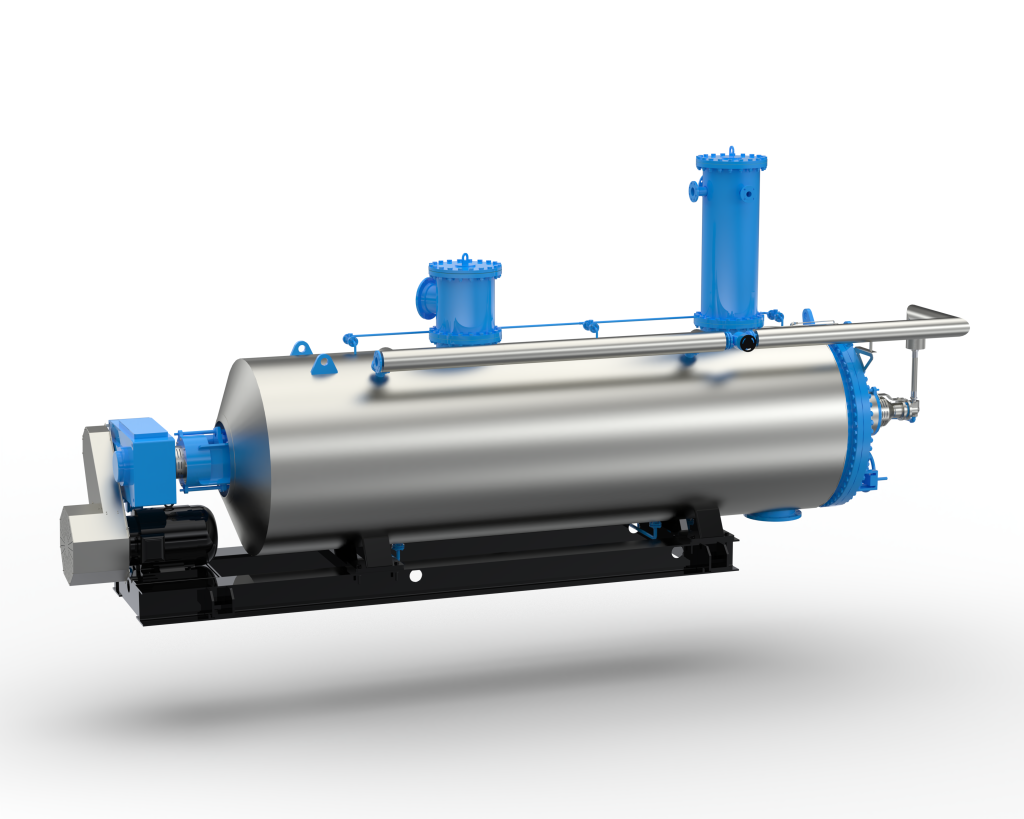
Dry Rendering Process
In the early stage of dry rendering development, systems were designed either with or without pressurized sterilization units.Such processing systems are still widely applied nowadays. In the mid-20th century, batch cookers for dry rendering gained widespread application. Initially,before proper crushing or pre-crushing, large animal carcasses and visceral organs are pressurized in batch rendering vessels prior to drying.As it functions like a pressure cooker, pressurization makes bones brittle, soft and more manageable. Consequently,particle size reduction technology dispenses with the requirement of pressure-assisted size reduction. However, this pressurization system requires readjustment for application in Europe.Thanks to the optimized risk reduction measures targeting Bovine Spongiform Encephalopathy(BSE),the system will no longer be adopted in North America, where alternative containment protocols have been put into use to curb BSE spread.