Procesamiento de Harina de Sangre: Por Qué la Mayoría de las Plantas Pierden un 15% del Rendimiento Proteico Sin Saberlo
Procesamiento de Harina de Sangre: Por Qué la Mayoría de las Plantas Pierden un 15% del Rendimiento Proteico Sin Saberlo
La mayoría de las plantas de harina de sangre están perdiendo entre un 12 y un 18% de su rendimiento proteico potencial, y no lo ven porque las pérdidas se esconden en tres lugares: coagulación incompleta, sólidos quemados en el secador y degradación de aminoácidos durante la exposición prolongada al calor. La solución no es operar la línea a mayor temperatura o por más tiempo, sino todo lo contrario. Un control de temperatura más estricto, una eliminación de agua más rápida y la química de coagulación adecuada suelen recuperar entre 80 y 110 kg de proteína de alta calidad por cada tonelada de sangre cruda que antes se perdía como quemaduras, condensado o producto desnaturalizado de calidad forrajera.
Dónde va realmente el 15%
Antes de solucionar el rendimiento, debes entender dónde se fuga. Hemos auditado docenas de líneas de procesamiento de sangre en Asia y Europa del Este, y las pérdidas se concentran en cuatro puntos.
- Tanque de coagulación (pérdida del 3–5%): Proteína soluble que sale con el suero porque la coagulación fue incompleta o el pH era incorrecto.
- Decantador o tamiz (pérdida del 2–4%): Sólidos coagulados finos que se escapan a través de tamices desgastados o decantadores de tamaño insuficiente.
- Secador (pérdida del 5–8%): Reacciones de Maillard y destrucción de aminoácidos por contacto prolongado con superficies metálicas calientes. La lisina es la primera víctima.
- Almacenamiento y molienda (pérdida del 1–2%): Absorción higroscópica que provoca apelmazamiento, luego sobremolienda y pérdidas por polvo.
Suma todo eso y el 15% “invisible” se vuelve muy visible. Una línea de sangre de 50 toneladas/día que pierde un 15% está dejando aproximadamente 2,7 toneladas de proteína en el suelo cada semana. A los precios actuales de harina de sangre de grado alimenticio, eso es un problema anual de seis cifras.
Coagulación: El paso que todos subestiman
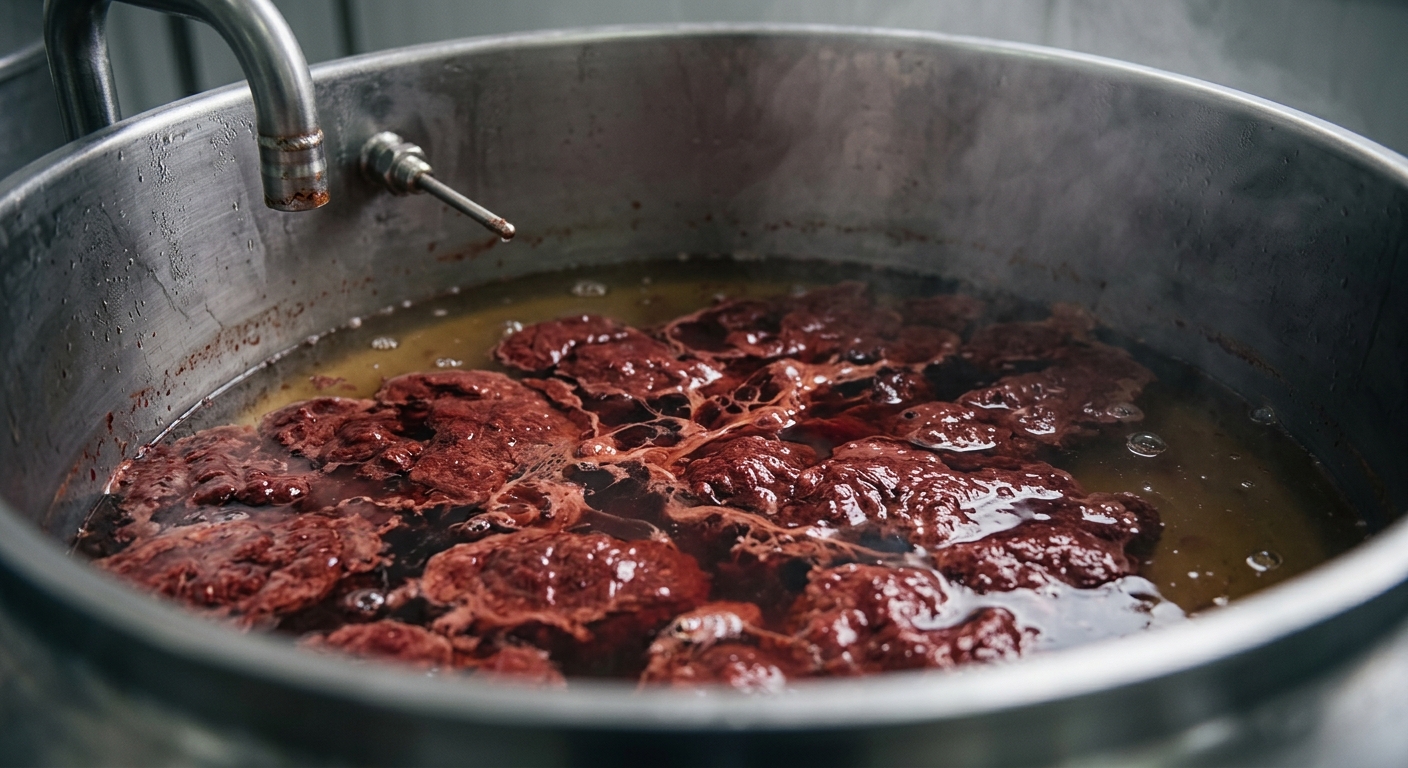
La coagulación parece simple: calientas la sangre, las proteínas se aglomeran, las separas. En la práctica, es la palanca más importante para el rendimiento final.
La ventana de temperatura es más estrecha de lo que crees
La inyección directa de vapor lleva la sangre de ~38°C a 90–95°C en menos de 15 segundos. Por debajo de 85°C obtienes una coagulación incompleta; la fracción de albúmina soluble permanece en el suero y se va por el desagüe. Por encima de 100°C en esta etapa comienzas a desnaturalizar la proteína antes incluso de deshidratarla, lo que dificulta el prensado posterior y reduce la digestibilidad.
El pH importa más de lo que la mayoría de los operadores creen
La sangre fresca tiene un pH de alrededor de 7,3–7,5. La actividad bacteriana lo reduce en cuestión de horas, y eso desplaza los puntos isoeléctricos de las proteínas principales. Un flujo de sangre que ha estado en un camión durante seis horas coagula de manera diferente a la sangre procesada en 30 minutos. El remedio es una recolección rápida (almacenamiento en frío en el matadero) o una corrección activa del pH con aditivos de grado alimenticio antes del coagulador.
Por ejemplo, un procesador de aves de corral con el que trabajamos en Malasia estaba procesando sangre que llegaba al coagulador con un pH promedio de 6,4. La instalación de un sistema simple de ajuste de pH en línea lo llevó a un consistente 7,1 y aumentó la recuperación de sólidos en el decantador en un 4,6% — aproximadamente $180,000 al año en ingresos adicionales por proteína.
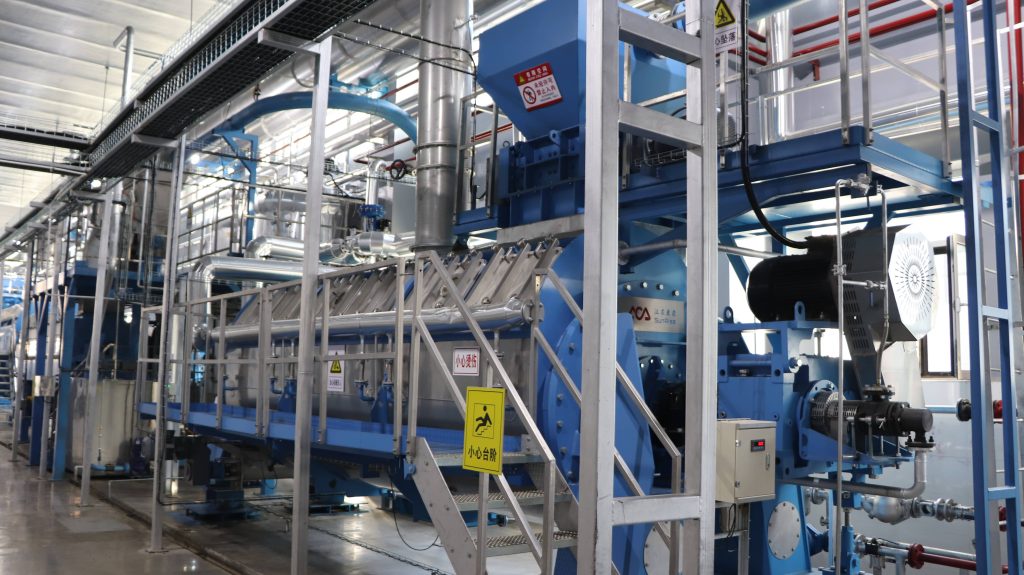
Por qué el secado con tubos de vapor supera a la cocción por lotes para la sangre
Aquí está la opinión controvertida: si todavía estás secando sangre coagulada en un cocedor por lotes, estás eligiendo la conveniencia sobre el rendimiento. Los cocedores por lotes exponen la proteína a superficies calientes durante más de 90 minutos, lo que es aproximadamente una hora demasiado larga específicamente para la sangre.
Las proteínas de la sangre son extremadamente sensibles al calor — mucho más que los sólidos de carne renderizados. La lisina, el aminoácido más valioso en la harina de sangre, es también el más frágil. Cada 10 minutos adicionales a 130°C destruye lisina medible. Una prueba de digestibilidad con pepsina en harina de sangre cocida por lotes típicamente da 72–80%. La misma sangre, deshidratada hasta ~55% de humedad y luego secada en un secador de tubos de vapor o de anillo, da 84–90%.
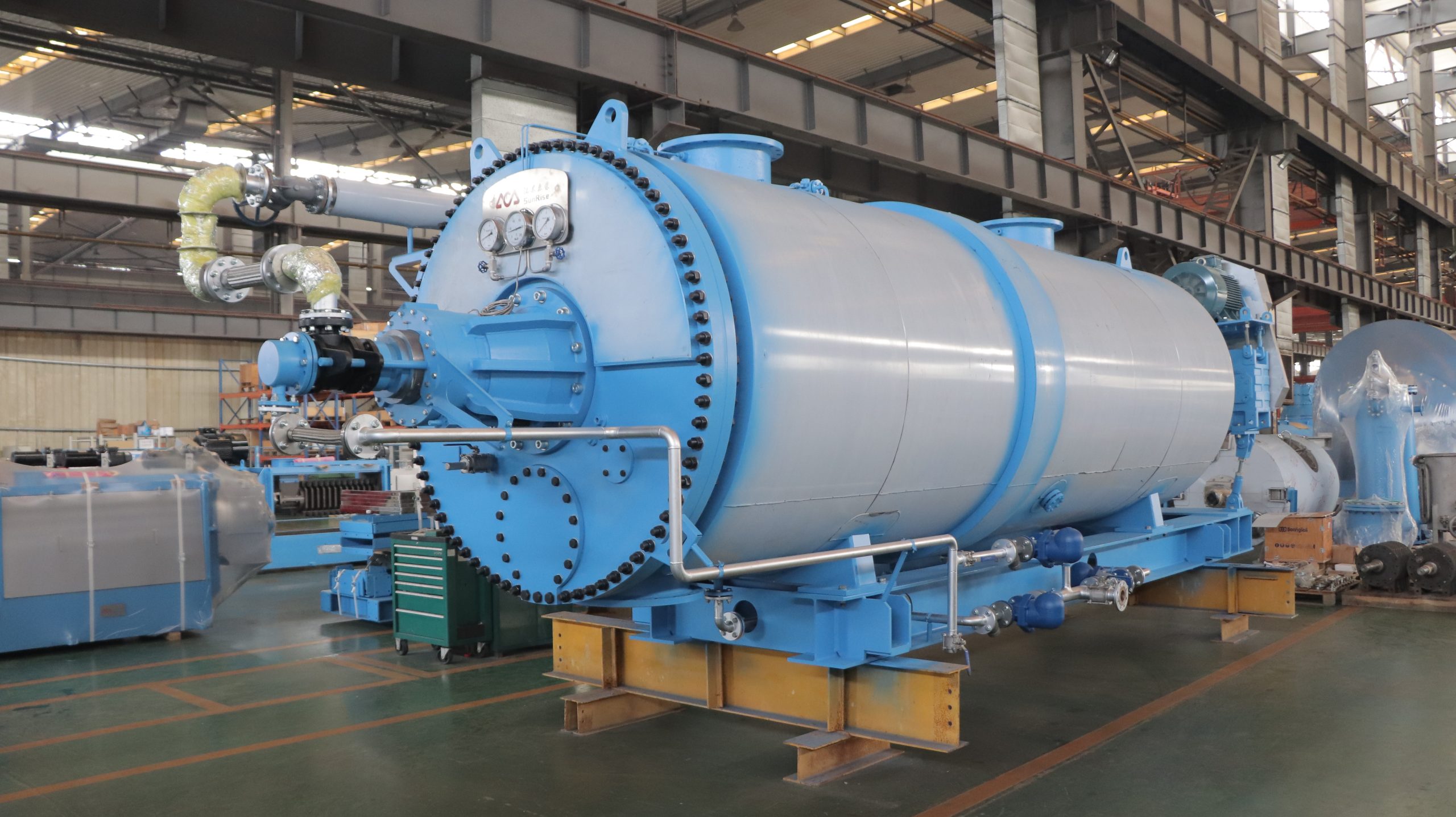
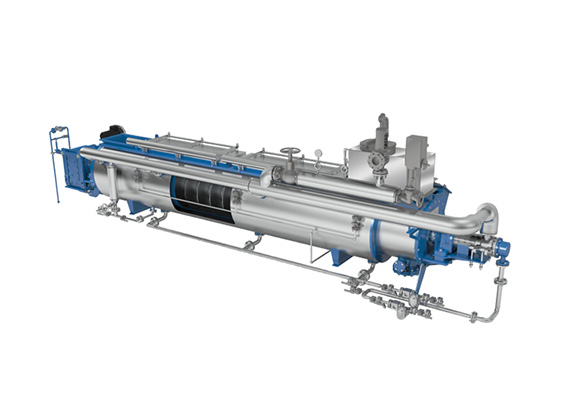
La razón es simple: los secadores indirectos de tubos de vapor operan a temperaturas de producto más bajas (alrededor de 95–105 °C) con tiempos de residencia mucho más cortos porque el contenido de humedad que ingresa al secador ya es bajo. Menos exposición al calor, más proteína intacta, mayor valor de mercado. Consulte nuestra guía de temperatura de rendering para procesamiento de subproductos animales para el marco general de temperaturas.
Secado por aspersión: Cuándo vale la pena y cuándo no
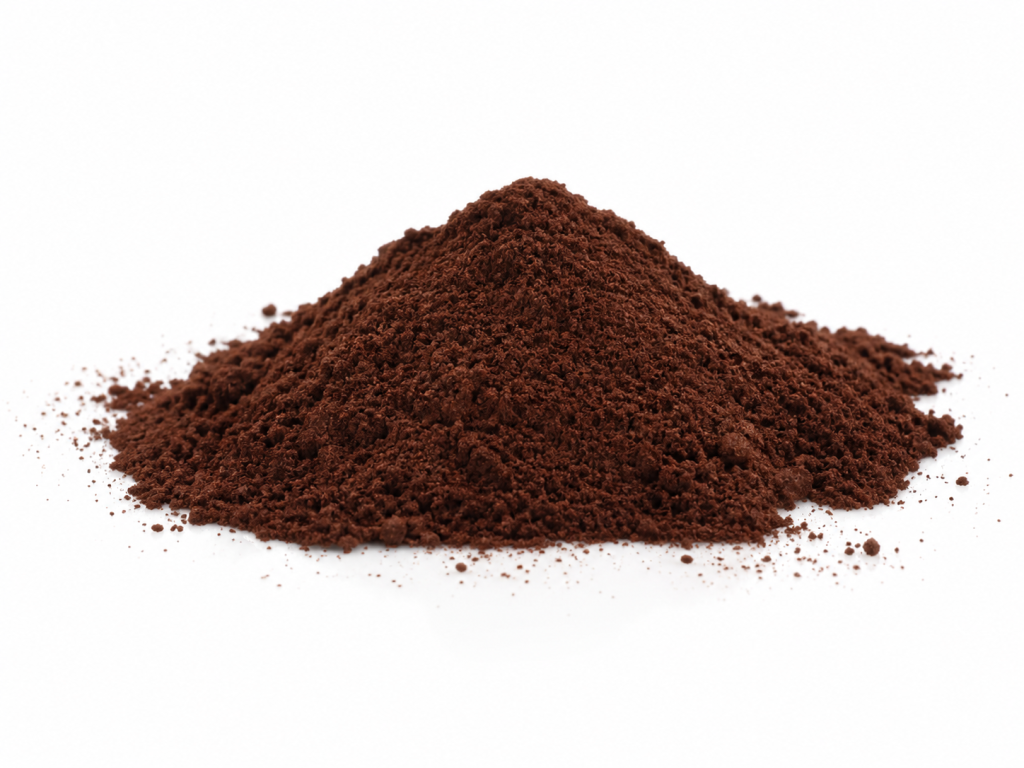
El secado por aspersión produce la harina de sangre de mayor calidad disponible: digestibilidad de pepsina superior al 95%, retención de lisina superior al 90% y un polvo fino de flujo libre que alcanza una prima de $400–700 por tonelada sobre la harina de sangre convencional para alimentación animal.
Pero no es para todos. El secado por aspersión requiere sangre líquida concentrada a aproximadamente 30–35% de sólidos mediante un evaporador separado, además de una torre de alto capital con un manejo de aire significativo. La economía funciona cuando:
- Se apunta a los mercados de alimentos para mascotas, acuicultura o piensos para lechones, donde existen precios premium.
- Su volumen diario de sangre supera aproximadamente las 25 toneladas.
- Dispone de infraestructura estable de vapor y electricidad.
Si usted es un matadero de tamaño mediano que procesa 10 toneladas/día de sangre mixta para alimentación de rumiantes, una línea bien diseñada de coagulador + decantador + secador de tubos de vapor le dará un mejor retorno de inversión que el secado por aspersión. Un procesador de carne de res brasileño con quien consultamos debatió esto durante meses; finalmente optó por tubos de vapor y amortizó la línea en 14 meses. El secado por aspersión habría tomado 38.
El error de dimensionamiento del decantador que te cuesta un 3% desde el principio
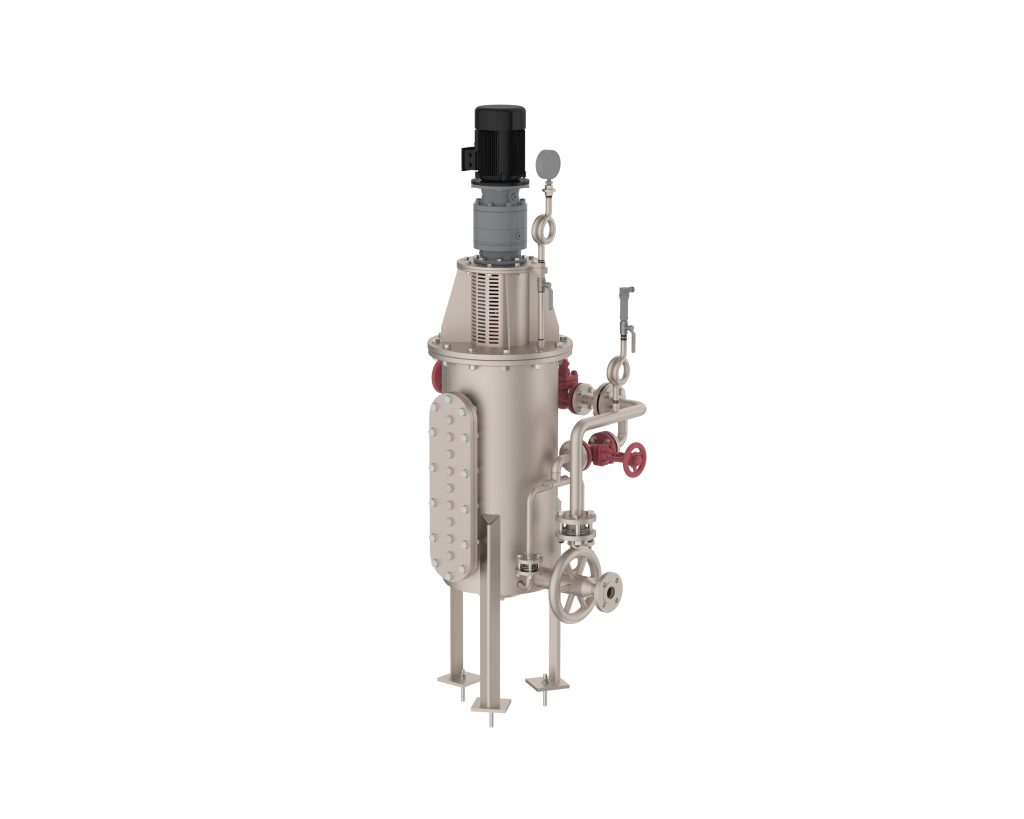
Casi todas las líneas de sangre subdimensionadas que hemos auditado tienen un problema con el decantador. Los operadores dimensionan el decantador para el rendimiento nominal, luego operan la planta un 15–20% por encima de la capacidad de diseño una vez que los volúmenes aumentan. El decantador no falla catastróficamente, solo deja pasar más finos. Esos finos salen con el suero, y el suero va a las aguas residuales o a la evaporación.
De cualquier manera, esa es proteína recuperable que nunca volverá a ver.
Reglas generales que realmente funcionan:
- Dimensione el decantador para el flujo máximo por hora × 1.3, no para el flujo diario promedio.
- Especifique una velocidad de tambor de 3,500–4,200 rpm para sangre coagulada, más lenta que para sangre de matadero, pero más rápida que para lodos de carne procesados.
- Reemplace los bujes de desgaste del scroll según un cronograma fijo (cada 6,000–8,000 horas), no cuando el rendimiento "se sienta extraño". Para cuando se siente extraño, ya habrá perdido meses de rendimiento.
Combinar el decantador con una bomba de láminas para la transferencia suave de sólidos también reduce el daño por cizallamiento a la estructura de proteína coagulada, lo que se traduce en un desaguado más fácil aguas abajo.
Energía y vapor: El costo oculto del rendimiento
Recuperar ese 15% de rendimiento requiere más energía por tonelada de sangre procesada, pero no tanto como cabría esperar. Un mejor desaguado antes del secado es el truco.
Si aumenta los sólidos antes del secador del 45% al 55% (alcanzable con un decantador de tamaño adecuado y una prensa opcional), elimina aproximadamente 220 kg de agua mecánicamente en lugar de evaporarlos. El desaguado mecánico cuesta alrededor de 5 kWh por tonelada de agua eliminada. La evaporación térmica cuesta entre 750 y 900 kWh por tonelada. Eso es una reducción del 99% en energía por cada kilogramo de agua que pueda exprimir en lugar de hervir.
Este es el mismo principio que cubrimos en reducción de costos de vapor en plantas de renderizado — se aplica doblemente a la sangre porque la sangre ingresa al sistema con aproximadamente un 82% de humedad.
Medir lo que realmente importa: Digestibilidad de pepsina, no solo % de proteína
Aquí es donde muchas plantas se engañan a sí mismas. Un análisis de proteína cruda en harina de sangre mostrará entre 88 y 92% independientemente de lo mal que la hayan quemado. La proteína cruda mide nitrógeno, y la proteína quemada aún contiene nitrógeno.
Lo que cambia drásticamente es la digestibilidad de pepsina, el porcentaje de esa proteína que un animal puede absorber realmente. Dos harinas de sangre pueden mostrar ambas "90% de proteína" en la etiqueta de alimento, mientras una se digiere al 95% y la otra al 73%. Adivine por cuál está pagando un precio superior su cliente.
Incorpore las pruebas de digestibilidad de pepsina en su rutina de control de calidad. Es el número más útil para diagnosticar desviaciones en el proceso. Una caída del 88% al 82% en un trimestre generalmente significa que el pH de coagulación ha variado, el tiempo de residencia en el secador ha aumentado, o las superficies de transferencia de calor del secador están incrustadas y los operadores están compensando operando a mayor temperatura.
Almacenamiento, enfriamiento y el último 2% del que nadie habla
Puedes hacer todo correctamente río arriba y aún así perder producto en los últimos 90 minutos. La harina de sangre caliente que sale de un secador a 90°C continuará dorándose en el saco si no se enfría rápidamente por debajo de 30°C antes del ensacado. La reacción de Maillard no se detiene en la salida del secador: sigue ocurriendo con el calor almacenado.
Un enfriador de lecho fluidizado con aire ambiente es suficiente en climas templados. En climas tropicales, se necesita aire preacondicionado o una batería refrigerada. Omitir este paso es la razón más común por la que los niveles de lisina de una planta se ven bien a la salida del secador y decepcionantes en la ensacadora.
Además: la harina de sangre es higroscópica. Ensacar con una humedad superior al 8% significa apelmazamiento, riesgo de moho y pérdida de digestibilidad durante el almacenamiento. Ensacar por debajo del 6% significa pérdidas por polvo en la molienda. El punto óptimo es 7.0–7.5%, y debe medirse de forma continua, no con controles puntuales una vez por turno.
Uniendo todo: Una hoja de ruta para recuperar el 15%
Si deseas recuperar la proteína faltante sin reconstruir la planta, ataca estos puntos en orden de ROI:
- Instalar ajustes de pH y temperatura en el coagulador (menor costo, retorno más rápido — normalmente inferior a 6 meses).
- Dimensionar correctamente el decantador para la carga máxima, no para la carga promedio.
- Agregar digestibilidad de pepsina al control de calidad semanal para que puedas ver la deriva del proceso antes de que los clientes se quejen.
- Si todavía usas cocedores por lotes, evalúa una modernización con tubos de vapor. Solo la mejora en el rendimiento suele justificarlo en un plazo de 18 meses.
- Mejorar el enfriamiento posterior al secador para fijar la lisina que tanto esfuerzo te costó conservar.
La sangre es la materia prima con mayor contenido de proteína en cualquier operación de renderizado — y la más temperamental. Bien hecha, la harina de sangre es uno de los productos más rentables en el portafolio de subproductos. Mal hecha, es un impuesto constante sobre la economía de la planta que la mayoría de los operadores han aprendido a tolerar.
Si deseas una auditoría de proceso en tu línea de sangre actual, o un presupuesto para un sistema de coagulación a ensacado diseñado según los estándares europeos de recuperación de proteína, nuestro equipo de ingeniería en sunriserendering trabaja en estos problemas cada semana. Envíanos tu volumen de sangre cruda y tus cifras de rendimiento actuales y te diremos a dónde va tu 15%.