De residuos de matadero a ingrediente para acuicultura: cómo el rendering de pescado está transformando la acuicultura asiática en 2026
De residuos de matadero a ingrediente para acuicultura: cómo el rendering de pescado está transformando la acuicultura asiática en 2026
El rendering de pescado ya no es un paso de eliminación secundario en la planta; en 2026 es la fuente de proteína de más rápido crecimiento para la acuicultura asiática, suministrando aproximadamente una de cada tres toneladas de harina de pescado consumidas en China, Vietnam e Indonesia. Al convertir recortes de matadero, recortes de procesamiento de pescado y captura incidental en harina y aceite de alto contenido proteico, los renderizadores están llenando el vacío dejado por la reducción de las cuotas de captura silvestre, al tiempo que reducen los costos de alimentación para los criadores de camarones y peces en un 12–18%.
Este cambio está impulsado por tres fuerzas que chocan simultáneamente: los recortes en la cuota de anchoveta de Perú, los mandatos de economía circular de China y una nueva generación de líneas de rendering a baja temperatura que finalmente producen harina lo suficientemente buena como para reemplazar el producto peruano de primera calidad. Esto es lo que realmente está sucediendo sobre el terreno.
Por qué las fábricas de piensos acuícolas asiáticas dejaron de esperar a Perú
Durante dos décadas, el gráfico del precio global de la harina de pescado parecía un monitor cardíaco, y la temporada de anchoveta de Perú era el latido. Luego llegó el ciclo de El Niño 2023–2025, tres recortes consecutivos de cuotas y precios que alcanzaron los 2.100 USD por tonelada. Las fábricas de piensos acuícolas en Guangdong y el delta del Mekong captaron el mensaje: dejen de importar volatilidad, comiencen a abastecerse localmente.
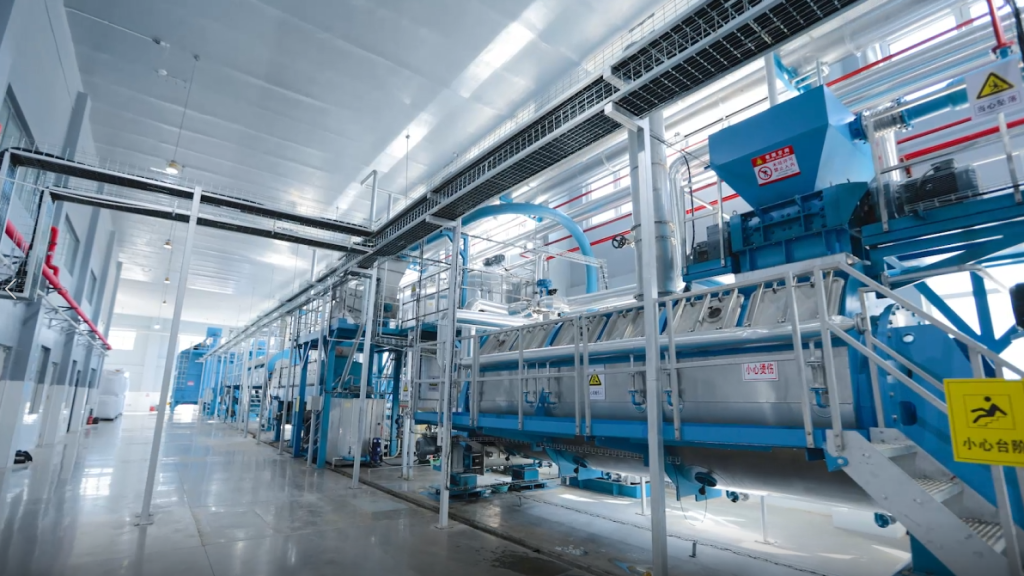
Esa fuente local es harina de pescado obtenida a partir de residuos de procesamiento. Una planta mediana de tilapia en Hainan genera entre el 35 y el 45 % del peso de entrada en cabezas, esqueletos, vísceras y recortes. Históricamente, estos residuos se desechaban o se vendían a intermediarios de alimento para mascotas por casi nada; ahora, esa corriente alimenta una línea de renderizado in situ que produce harina con más del 60 % de proteína, valorada entre 1200 y 1400 USD por tonelada. Las cuentas se hacen solas.
Qué se considera materia prima apta para rendering en 2026
No todos los subproductos de pescado son iguales. Los compradores de alimento acuícola que impulsan los precios premium actuales se preocupan por tres cosas: frescura, perfil de grasa y ausencia de contaminación cruzada.
La ventana de frescura
Un Nitrógeno Básico Volátil Total (TVB-N) superior a 50 mg/100 g hace que la harina baje dos grados. Esto significa que la materia prima debe llegar al cocedor en un plazo de 6 horas en climas tropicales, o de 12 horas con almacenamiento refrigerado. Las plantas sin renderizado in situ no pueden cumplir con este plazo, razón por la cual las líneas integradas están ganando terreno.
El perfil de grasa
Los recortes de salmón y atún contienen entre un 18 % y un 24 % de lípidos crudos, mientras que los esqueletos de pescado blanco promedian solo entre un 4 % y un 8 %. Los formuladores de alimentos requieren perfiles nutricionales consistentes, por lo que las instalaciones de renderizado profesionales separan las corrientes de materia prima y mezclan lotes para cumplir con las especificaciones objetivo, en lugar de procesar todos los materiales juntos en un solo cocedor.
Contaminación cruzada
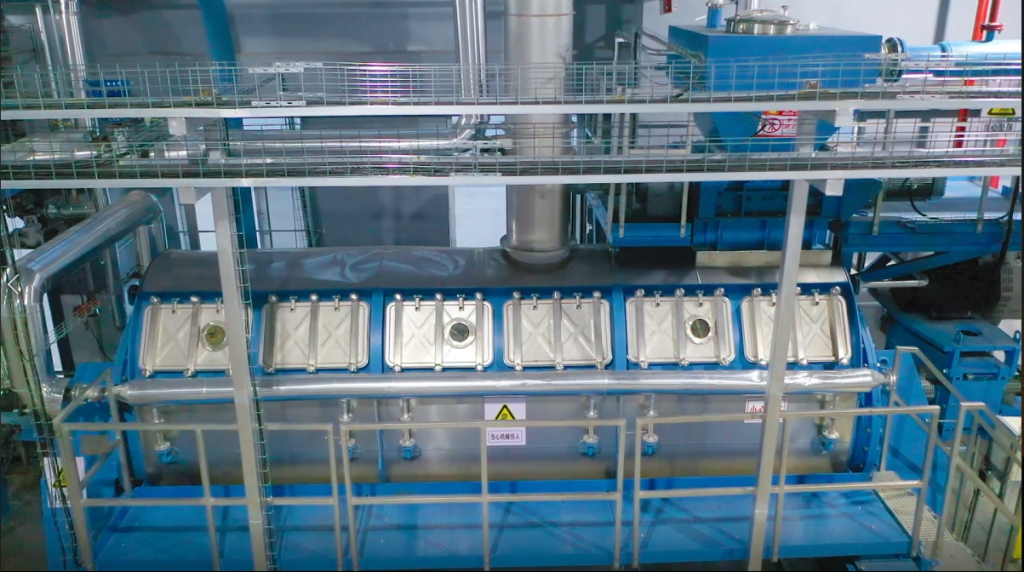
Mezclar residuos de matadero terrestre con residuos de pescado es legal en algunas jurisdicciones y está prohibido en otras (especialmente para alimento acuícola con certificación orgánica). Las líneas dedicadas o los protocolos rigurosos de cambio son importantes. Nuestras notas sobre requisitos higiénicos para mataderos se aplican igualmente al procesamiento de pescado, posiblemente de manera más estricta, dada la rapidez con que se deterioran las proteínas marinas.
El cambio tecnológico: el rendering a baja temperatura gana en lisina
Esta es la verdad poco glamorosa que la industria tardó demasiado en aceptar: la cocción por lotes a alta temperatura destruye entre el 15 % y el 25 % de la lisina y metionina disponibles. A los camarones no les importa la proteína cruda en la etiqueta, sino los aminoácidos biodisponibles. El renderizado continuo a baja temperatura (90–95 °C frente a los 130 °C tradicionales) preserva esos aminoácidos y eleva la digestibilidad de la pepsina por encima del 92 %.
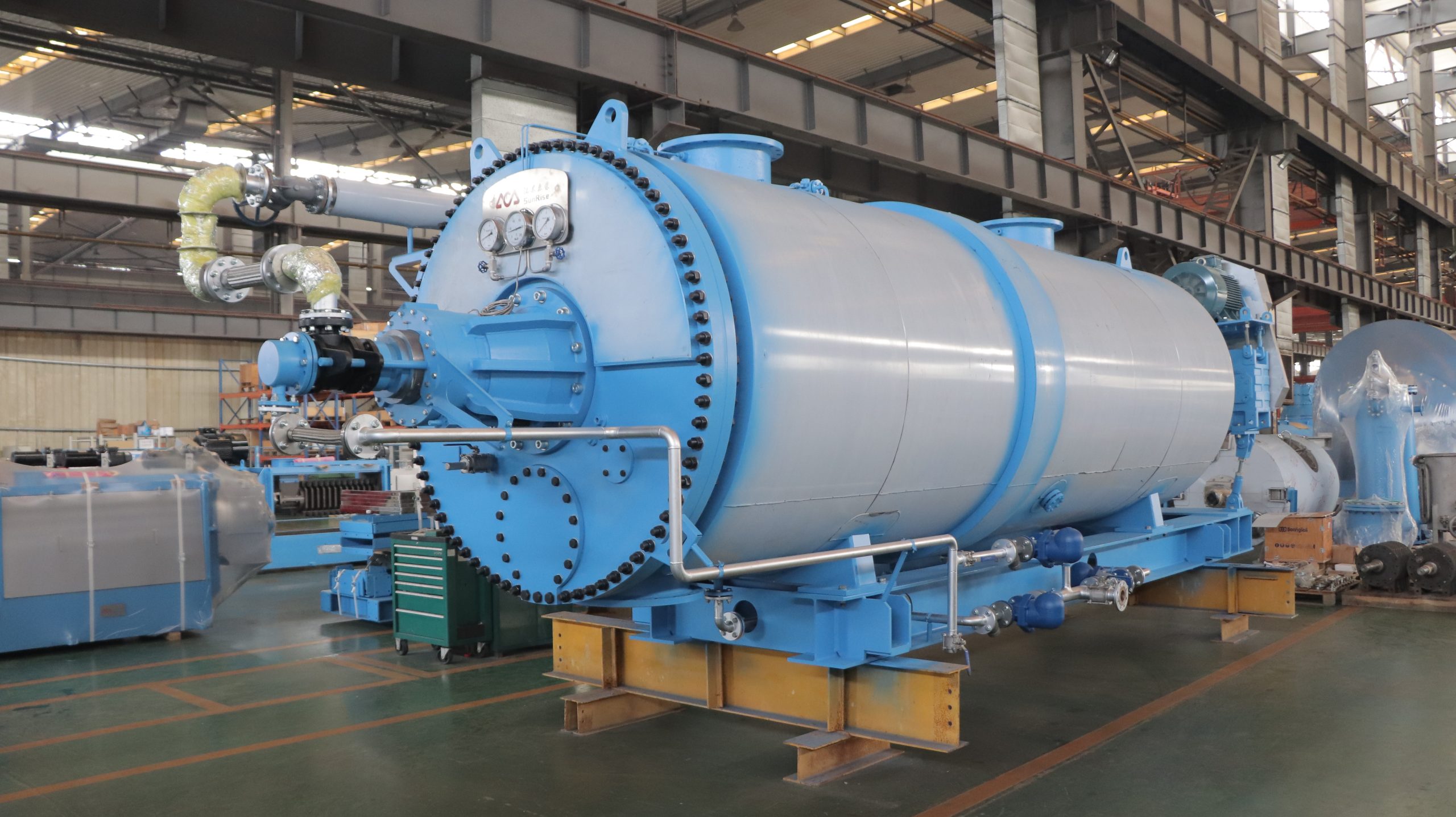
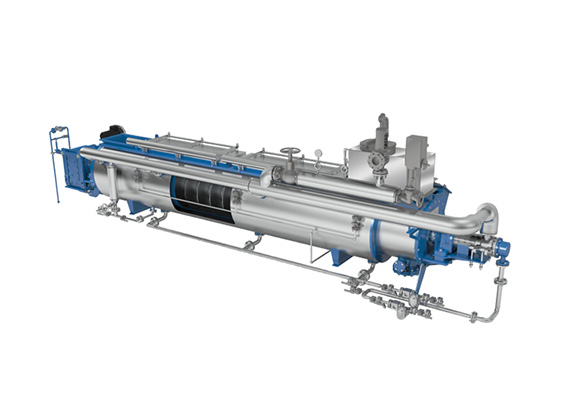
La compensación solía ser el rendimiento. Ya no. Los sistemas modernos de secado de torta con vapor indirecto y secado asistido por vacío ofrecen capacidades de rendimiento personalizables para satisfacer las demandas de procesamiento de material húmedo específicas del sitio, manteniéndose por debajo del umbral de daño proteico. Combine eso con una prensa de tornillo gemelo para la separación de grasa, y obtendrá harina que exige una prima de USD 150–250/tonelada sobre el producto convencional.
Camarón, lubina asiática, mero: ¿quién está comprando realmente esta harina?
La demanda no está distribuida de manera uniforme. Tres especies están impulsando el mercado de harina de subproductos animales en 2026:
Camarón patiblanco (Litopenaeus vannamei)
El rey del volumen. Las granjas de Indonesia y Ecuador apuntan a una inclusión de 18–22% de harina de pescado en los alimentos de inicio, reduciéndose a 8–12% en el crecimiento. La harina local de subproductos ha desplazado al producto peruano importado en aproximadamente el 40% de las fábricas de alimento para camarones del sudeste asiático.
Lubina asiática y mero
Los peces marinos son menos tolerantes. Exigen harina fresca y de alta digestibilidad con taurina e histidina intactas. Aquí es donde los recortes de atún y caballa procesados a baja temperatura premium alcanzan los precios más altos: USD 1,500+/tonelada, contratados con seis meses de anticipación.
Pangasius y tilapia
Los caballos de batalla de agua dulce utilizan tasas de inclusión más bajas (5–10%) pero volúmenes enormes. Son el piso del mercado, dispuestos a aceptar harina Tipo B a precios competitivos.
La visión estratégica: ajuste su perfil de materia prima a su comprador. Un flujo de residuos de procesamiento de salmón debe venderse para alimentos de peces marinos, no mezclarse en raciones de tilapia donde su perfil de aminoácidos premium se desperdicia.
Vientos regulatorios favorables que deberías aprovechar
2026 es el año en que la regulación de economía circular dejó de ser aspiracional y comenzó a ser exigible. Tres políticas importan:
- La extensión del 14.º Plan Quinquenal de China sobre valorización de residuos agrícolas — subsidios directos de RMB 200–500 por tonelada de residuos orgánicos procesados en provincias costeras.
- El Decreto 08/2022 de Vietnam sobre responsabilidad extendida del productor — los procesadores de productos del mar por encima de 5,000 toneladas/año deben documentar las vías de valorización de residuos.
- Actualizaciones de las certificaciones ASC y BAP — ambas certificaciones importantes de acuicultura ahora recompensan a las fábricas de alimento que utilizan harina de pescado trazable derivada de subproductos con créditos de puntuación.
La posición de las plantas en este momento no es solo construir capacidad de renderizado, sino que están construyendo sistemas de documentación, trazabilidad de lotes y balances de masa auditables por terceros. Aquí es donde importa la transferencia de tecnología europea: la UE ha estado haciendo esto desde la crisis de la EEB en los años 90, y la disciplina de documentación se transfiere directamente. Consulte nuestra visión general de diseño moderno de plantas de renderizado para ver cómo se integra esto en la ingeniería.
Errores comunes que cometen las plantas en su primer año
Hemos puesto en marcha suficientes líneas para ver que los mismos errores se repiten. Cinco a evitar:
- Subdimensionar el cocedor para material rico en grasa. El recorte de salmón forma espuma agresivamente. Un margen de seguridad del 20% en el volumen del cocedor no es opcional.
- Ignorar la recuperación de agua de cola. La proteína disuelta en el agua de proceso es del 6–9% del nitrógeno total. Dejarla ir por el desagüe es tanto una pérdida de rendimiento como una pesadilla de aguas residuales.
- Saltarse el depurador. El olor del renderizado de pescado es más penetrante que el del cerdo o las aves. Lea por qué su planta de renderizado huele terrible antes de que comiencen las quejas locales.
- Subespecificar el enfriador de harina. Harina caliente en almacenamiento = oxidación de lípidos = producto rancio en semanas. Enfríe a menos de 35°C antes de ensacar.
- Sin tampón de refrigeración de materia prima. El procesamiento de pescado es intermitente. Sin un contenedor de materialrefrigerado, o se opera el cocedor bajo demanda (ineficiente) o se procesa materia prima estropeada (peor).
Cómo serán los próximos tres años
Para 2029, espere tres cambios estructurales. Primero, la harina de pescado de residuos de procesamiento pasará del 30% a aproximadamente el 50% del suministro de alimento acuícola asiático: el producto de captura silvestre se convertirá en la especialidad, no en la línea base. Segundo, la integración se intensificará: las fábricas de alimento acuícola adquirirán o asegurarán contratos con plantas de procesamiento para asegurar la materia prima, reflejando lo que sucedió en el renderizado de aves hace una década. Tercero, la eficiencia energética se convertirá en un criterio de compra. Las fábricas de alimento ya están preguntando por la intensidad de carbono de su suministro de harina, y las plantas que operan con un 30% menos de consumo de vapor (consulte nuestras notas sobre reducción de costos de vapor) ganarán esos contratos.
La ventana para construir una posición defendible es ahora. Los contratos de materias primas aún están disponibles. El Capex sigue siendo financiable. Los reguladores aún incentivan en lugar de imponer. En 2027, los tres aspectos se endurecerán.
Por dónde empezar si tienes un flujo de residuos
Si su instalación genera más de 15 toneladas/día de residuos de pescado o matadero, tiene un proyecto de renderizado que vale la pena modelar. Las primeras preguntas no son sobre el equipo, sino sobre la consistencia de la materia prima, los compradores de productos y los permisos ambientales locales. La selección del equipo viene naturalmente una vez que se han mapeado esos aspectos.
Sunrise cuenta con años de experiencia diseñando líneas de renderizado construidas específicamente para esta transformación. Si desea una conversación fundamentada sobre viabilidad, escala y retorno de inversión — no un discurso de ventas — comuníquese a través de nuestra página de equipo o explore la gama completa de equipos para plantas de renderizado para ver cómo se ve una línea moderna. El flujo de residuos por el que hoy paga para que se lo lleven en camiones podría financiar su próxima expansión.