Five Steps to Efficient Cattle Dead Handling on Cattle Farms:SunRise Helps with Compliance and Loss Reduction
Five Steps to Efficient Cattle Dead Handling on Cattle Farms:SunRise Helps with Compliance and Loss Reduction
In cattle farm operations, the handling of dead cattle is crucial for disease prevention and control, environmental compliance, and economic profitability. As a specialist in harmless disposal equipment and resource utilization for dead livestock and poultry, SunRise, drawing on practical experience, has condensed dead cattle handling into five core steps to help cattle farms efficiently address the issue.
Step 1: Professional diagnosis and information recording to lay a solid foundation for treatment
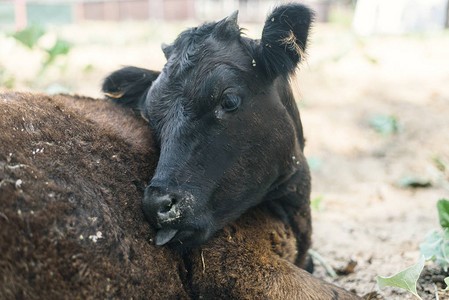
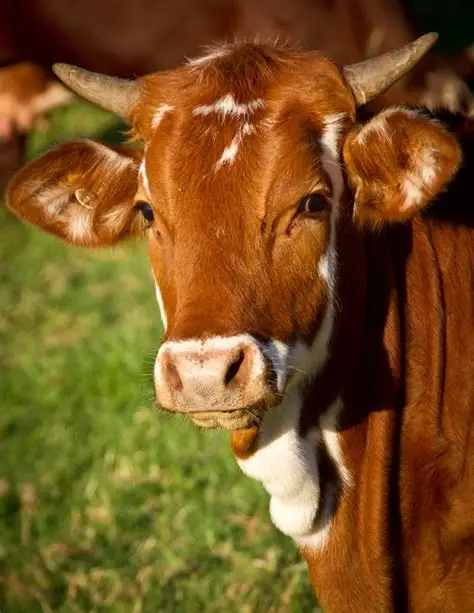
After discovering dead cattle, it’s important to contact a qualified veterinarian. Autopsies and tests will confirm the number of dead cattle and the cause of the illness, particularly to investigate whether it’s a major infectious disease. If confirmed, immediate isolation and disinfection are required, and a preliminary report is filed. Furthermore, key information, including breed, age, weight, time of death, and veterinary report number, is recorded on a “one-head, one-file” basis. This information is crucial for subsequent processing and accounting. This system can be supplemented with an information management module to help cattle farms achieve digital archiving of this information.
Step 2: Harmless disposal to maintain environmental protection and safety bottom line
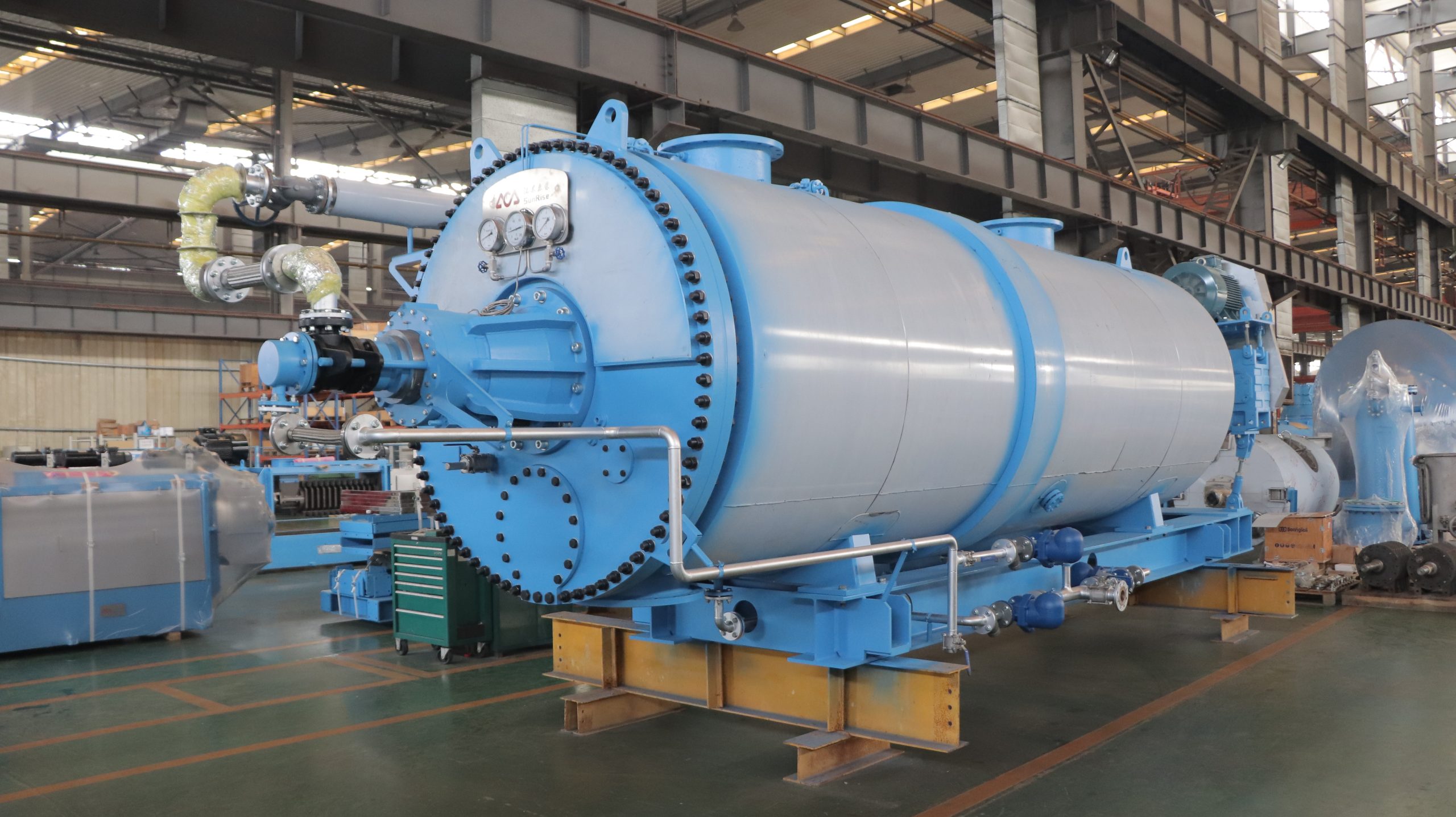
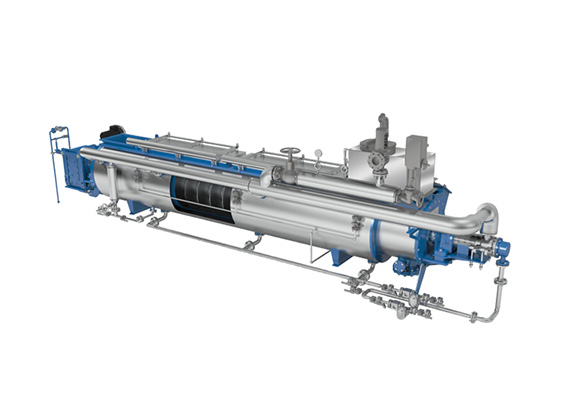
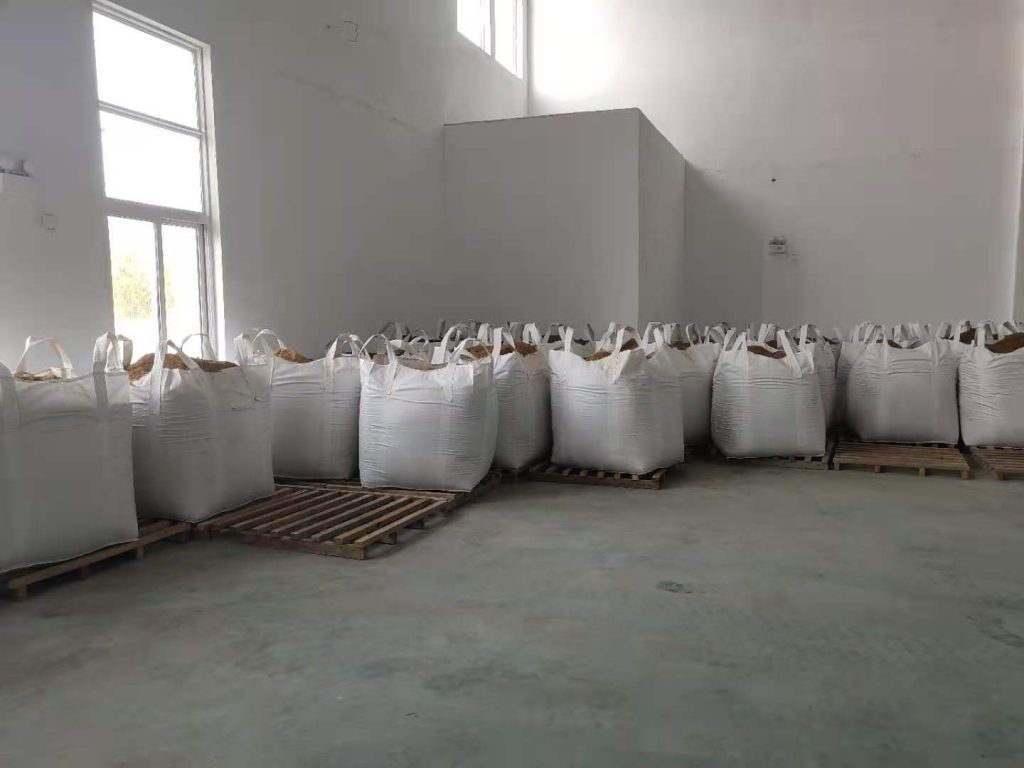
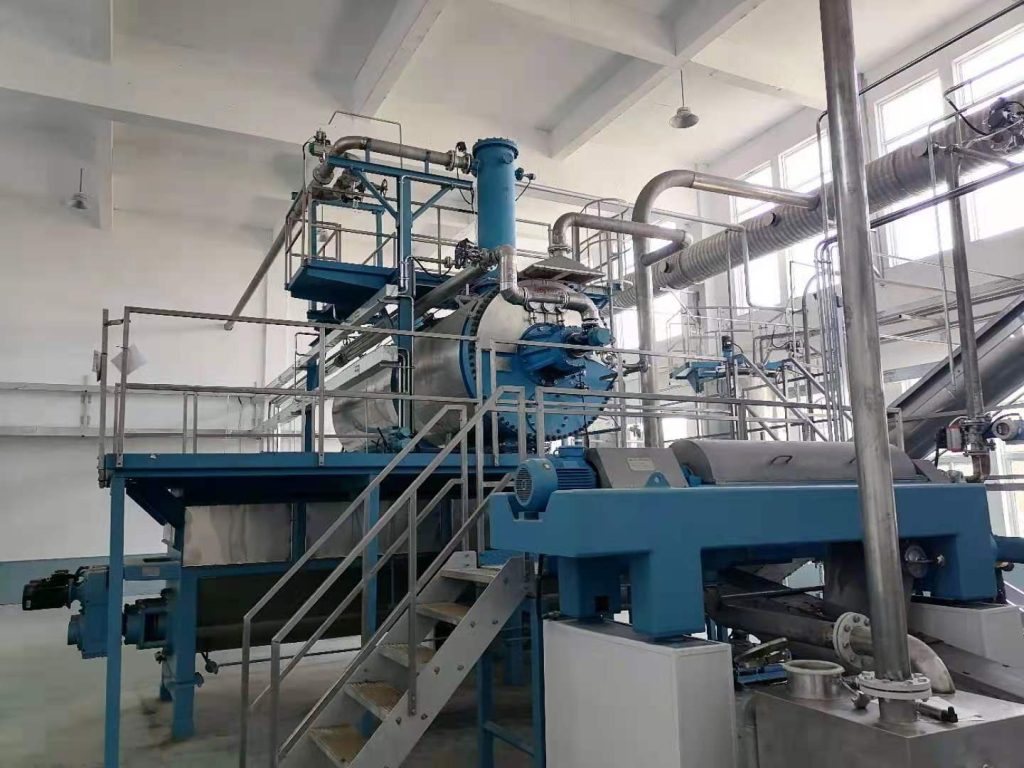
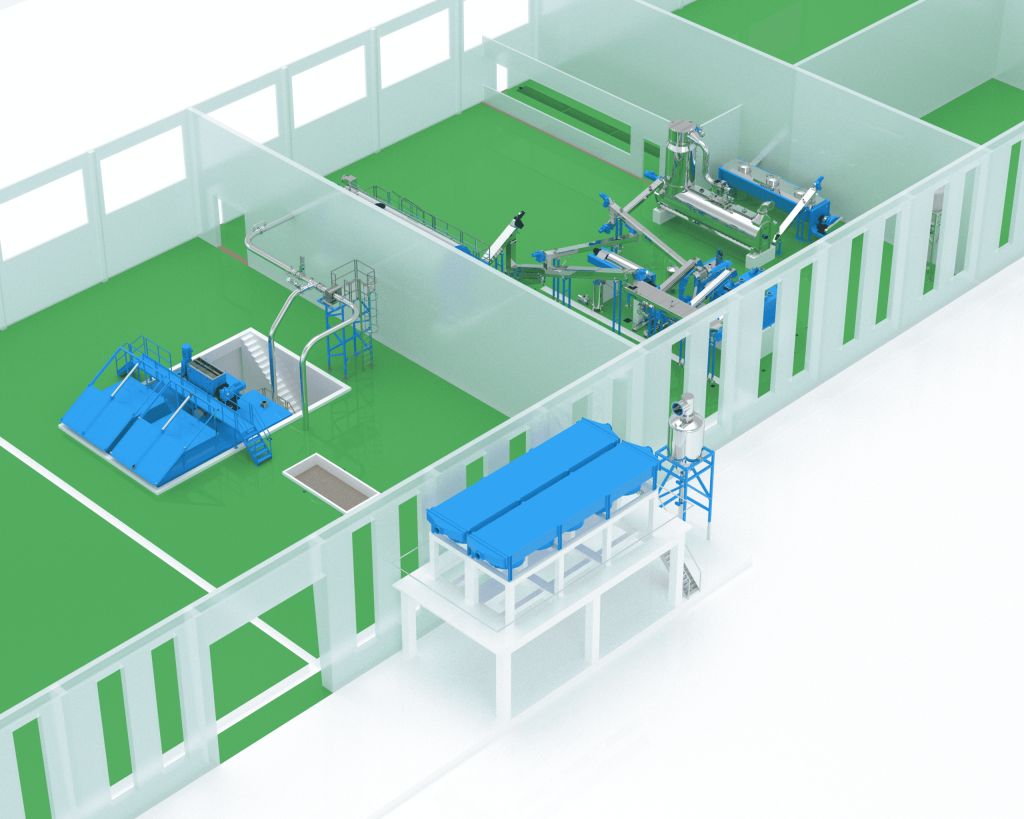
This is a core step and requires strict compliance with environmental regulations. We recommend using SunRise equipment for the harmless disposal of dead livestock and poultry. The SunRise harmless disposal line first crushes the carcasses of dead cattle through a crusher and places them in a raw material bin. They are then transported to a processing plant for high-temperature, high-pressure cooking for thorough sterilization. Finally, the carcasses are converted into meat and bone meal and oil through a fat press and a cold powder machine. Wastewater and air are discharged in compliance with standards, achieving “zero pollution and recyclability” and mitigating some economic losses. If landfill or incineration is chosen, select a designated area and ensure proper waterproofing and disinfection to avoid contamination. After disposal, be sure to retain documentation, such as equipment operating data and photos of the processing site, to ensure compliance and traceability.
Step 3: Loss accounting and insurance claims to reduce economic impact
After disposing of the carcasses, promptly calculate the economic losses, including the purchase/rearing costs of the cattle, medical expenses, and potential market value. If insured, promptly contact the insurance company and submit information about the dead cattle, diagnostic reports, and handling records. Cooperate with the investigation to obtain compensation as soon as possible to offset some of the losses. It is recommended that cattle farms establish clear accounting records to provide data support for cost control.
Step 4: Compliance reporting and accounting processing to ensure legal operations
Report to the local agricultural and rural authorities as required, including details on the dead cattle, handling methods, losses, and claims progress to avoid penalties for violations. Financially, losses should be recorded in the corresponding accounts using loss accounting sheets and processing vouchers. Losses should be offset against losses after receiving claims. All documentation should be retained for future reference to ensure compliance with accounting and tax standards. Small and medium-sized cattle farms can consult professional agencies for assistance.
Step 5: Optimize prevention and control and maintain reputation to achieve long-term development
Review the treatment process, identify gaps in disease prevention and control, strengthen daily cattle monitoring, environmental disinfection, and vaccinations to reduce cattle deaths. At the same time, proactively disclose compliance procedures to demonstrate a responsible image. Partnering with professional companies like SunRise can not only reduce environmental pollution caused by cattle deaths, but also generate economic benefits. This ensures the overall treatment effectiveness of the cattle farm while enhancing its brand reputation and laying the foundation for its long-term development.