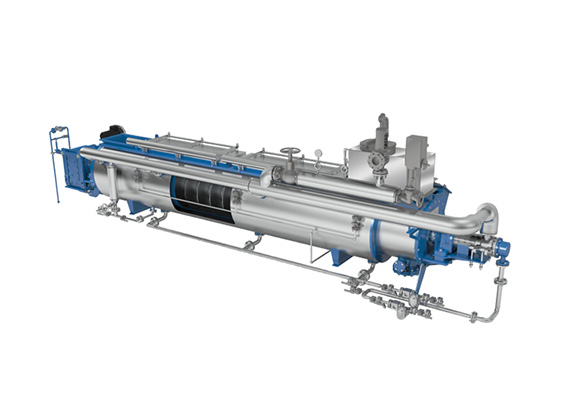
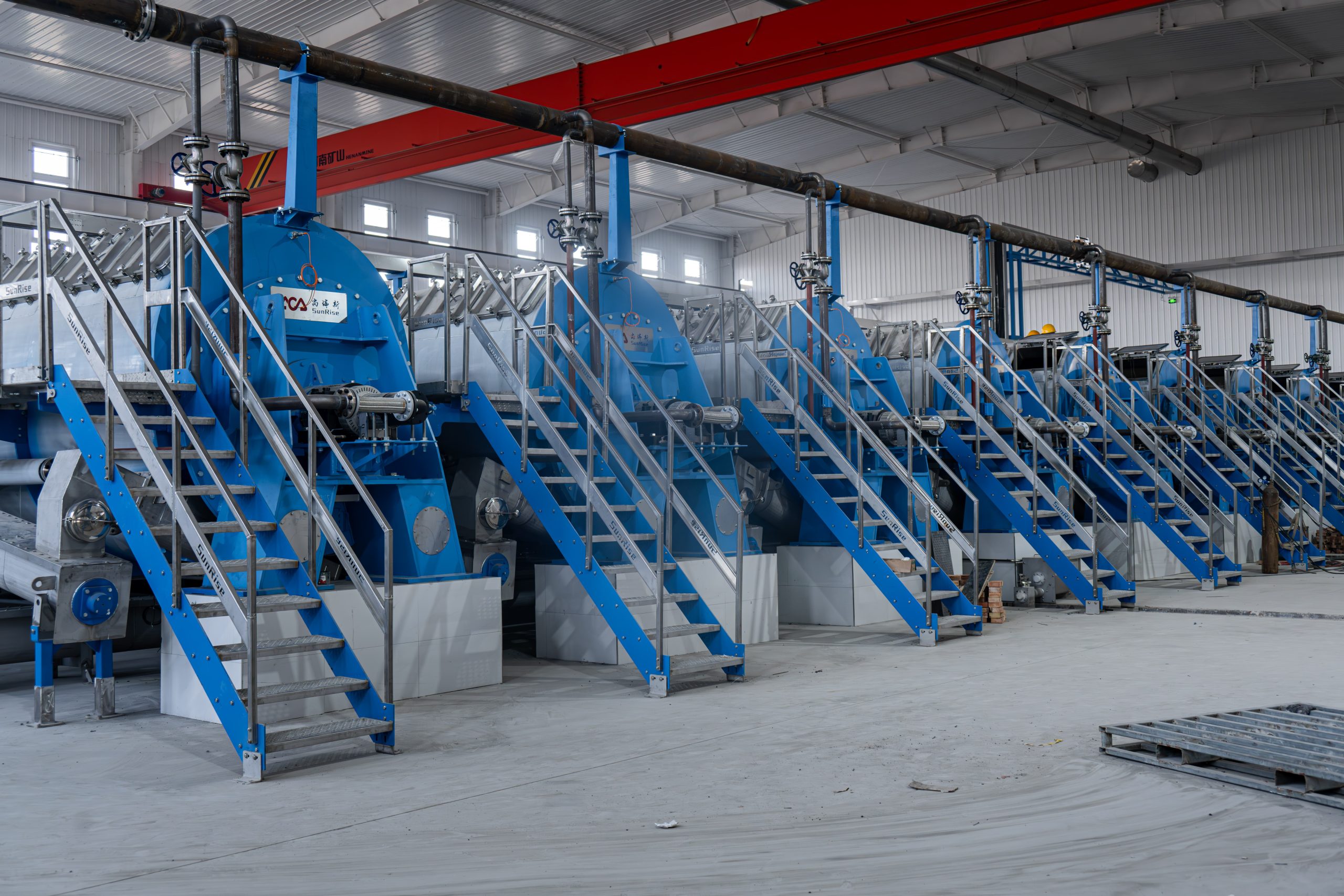
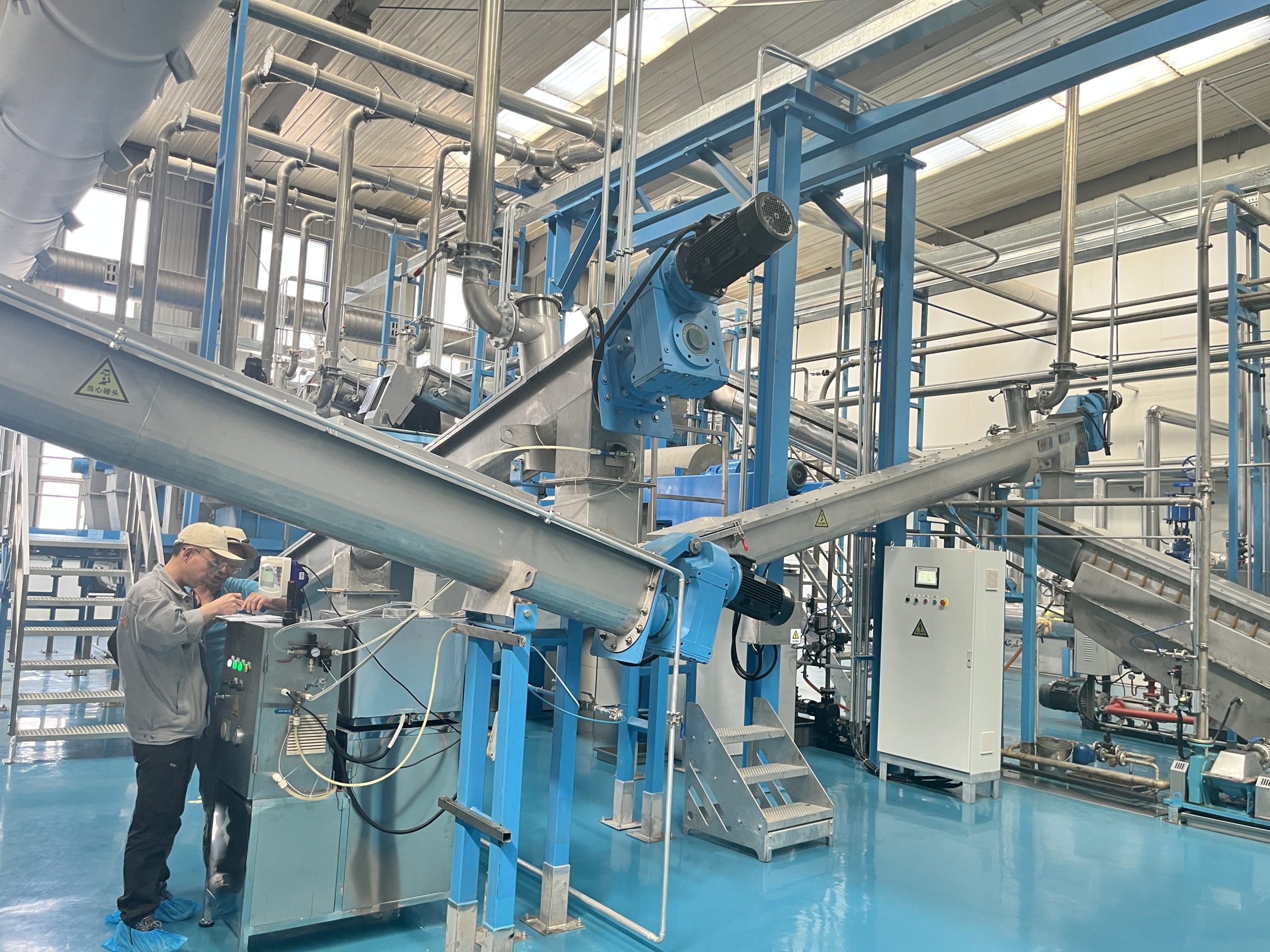
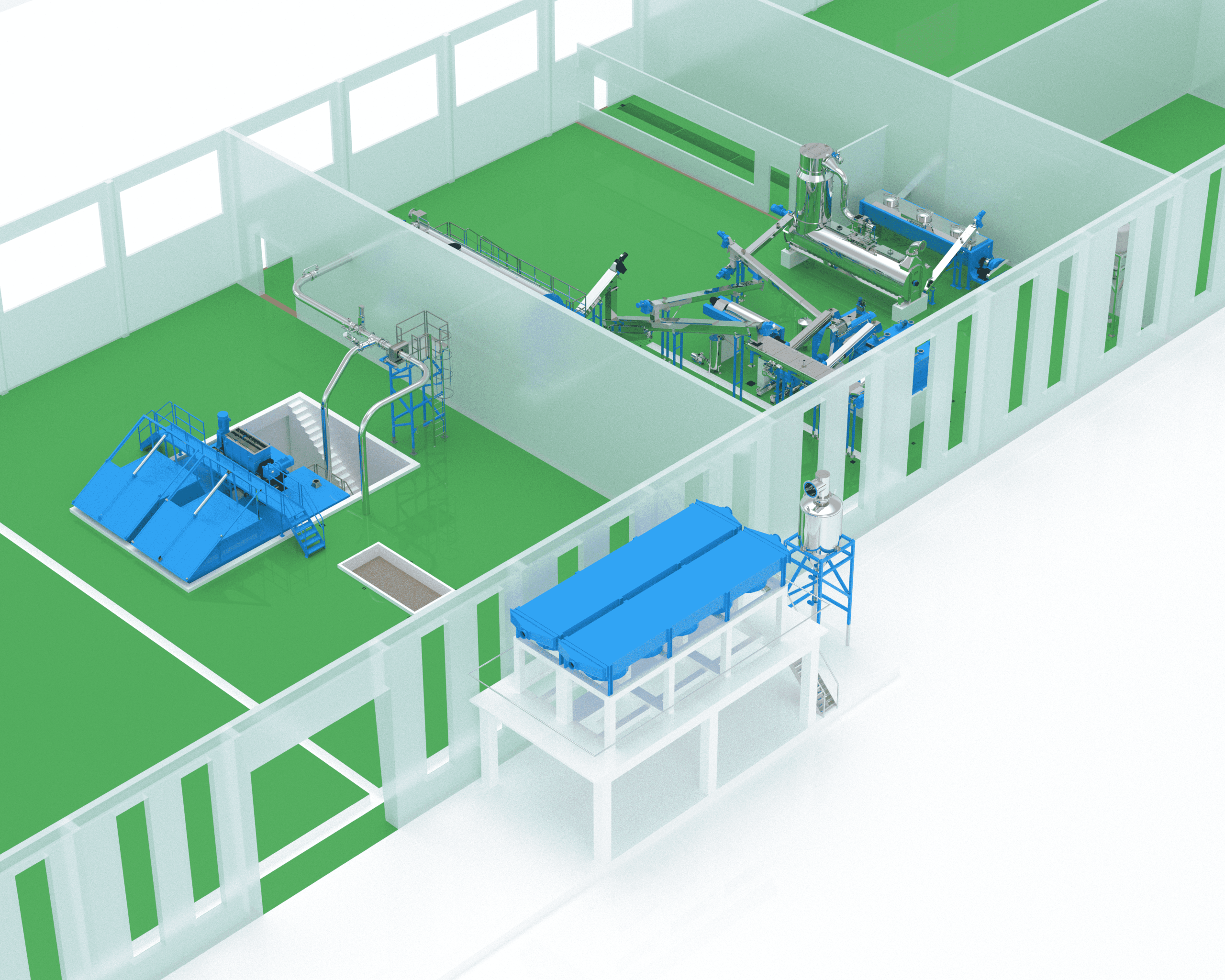
Continuous Low-temperature Wet Rendering is a mainstream core process for the harmless and resourceful treatment of livestock and poultry as well as slaughterhouse by-products. With years of in-depth technical research and development in the industry, SunRise
A rendering plant that skips maintenance doesn't fail gracefully — it fails at 2 AM on a Saturday with a full load of raw material sitting in the receiving bin. Here's the exact daily, weekly, and monthly checklist that keeps cookers, presses, and dryers run
Sizing a rendering plant wrong is a mistake that costs money for the next twenty years. This guide walks you through calculating raw material intake, matching cooker and press throughput, and building in the buffer capacity most buyers forget.
Commissioning is where rendering projects quietly get delayed by weeks — or get to full capacity on day one. This checklist walks you through the exact sequence, from mechanical installation to your first validated production run, so nothing gets skipped.
Against the backdrop of green upgrading in livestock breeding and meat processing industries, turnkey disposal and efficient resource recovery of slaughter waste have become a core priority for meat processing enterprises to cut costs, boost efficiency and pra
Against the backdrop of continuous expansion in the global aquaculture and livestock feed industries, fishmeal — a core high-quality protein raw material — is entering a new price upcycle.According to official statistics released by IFFO – The Marine Ing
In the fields of feed processing, harmless treatment of livestock and poultry, and resource utilization of agricultural and forestry solid waste, batch cooker is a pivotal process that determines product quality, production efficiency, and environmental compli
Rendering odors aren't a mystery — they're a predictable chemical signature of sulfur, nitrogen, and fatty acid breakdown at 90–140°C. Here's the molecular reason behind every wave of stench from a rendering plant, and the engineering controls that actual
Moisture above 10%, temperatures over 145°C, and inconsistent particle size are the three silent killers of rendered meal value. Here's exactly how each variable shifts protein digestibility, shelf life, and selling price — and the operating windows that se
Most blood meal plants quietly lose 12–18% of their potential protein yield to overcooking, poor coagulation, and downstream drying mistakes. Here's where the protein actually disappears — and the engineering fixes that recover it.
Asian aquaculture is quietly running on a new fuel: fish meal and oil rendered from slaughterhouse and seafood-processing waste. Here is how the technology, the economics, and the regulations are converging in 2026 — and what processors should do about it.
Steam is the single largest operating cost in most rendering plants — often 40–60% of total energy spend. These seven proven engineering tweaks target heat recovery, condensate management, and process optimization to slash steam costs by up to 30% without
Arabic
Chinese (Simplified)
Russian
Dutch
English
French
German
Italian
Portuguese
Spanish
Select ServicesManage ITCreative IT