


Title Tag: Rendering Cooker: The Hub of the Slaughterhouse Waste Chain | Sunrise Meta Description: Vietnam's ASF cases rose 59.5% in H1 2026, while USDA priced meat and bone meal at $420/ton in September. How the rendering cooker links disease pressure to feed
1. Why fishmeal hit a record in 2026 In September, IFFO – The Marine Ingredients Organisation reported that global fishmeal production for the first seven months of 2026 was down 49% year on year, with fish oil down 30%. The shortfall is concentrated in Sout
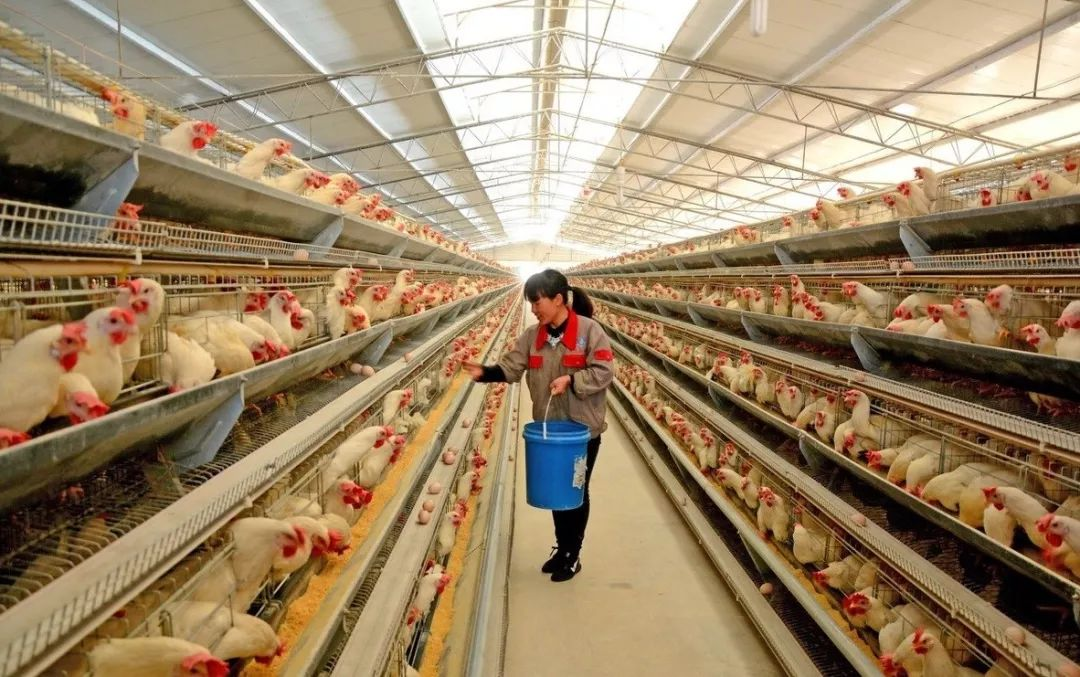
Have you ever wondered what happens to the feathers of the billions of chickens, ducks, and geese consumed every year? China is the world’s largest poultry producer. According to industry research, the country’s annual poultry slaughter exceeds 16
In the livestock and poultry slaughtering and processing industry chain, non-carcass components such as viscera, grease and bones are the core targets of resource-based treatment of livestock and poultry slaughter waste. Accounting for a considerable proportio
As environmental supervision becomes increasingly stringent, the livestock and poultry slaughter industry has bid farewell to the extensive era of “valuing production over waste disposal”. For small‑and‑medium‑sized slaughterhouses processing
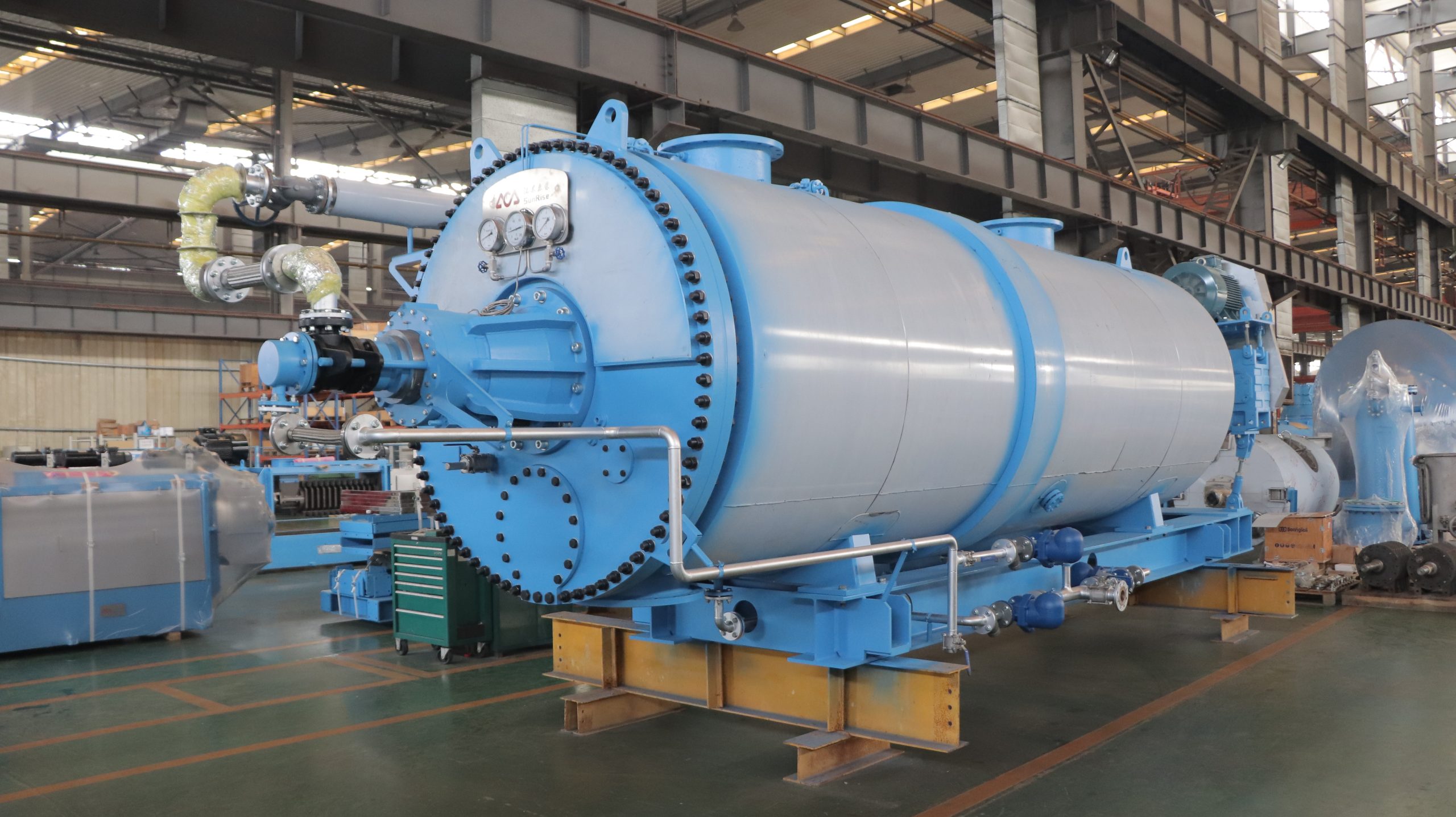
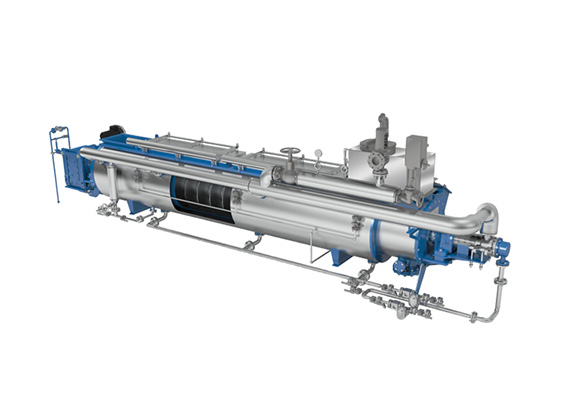
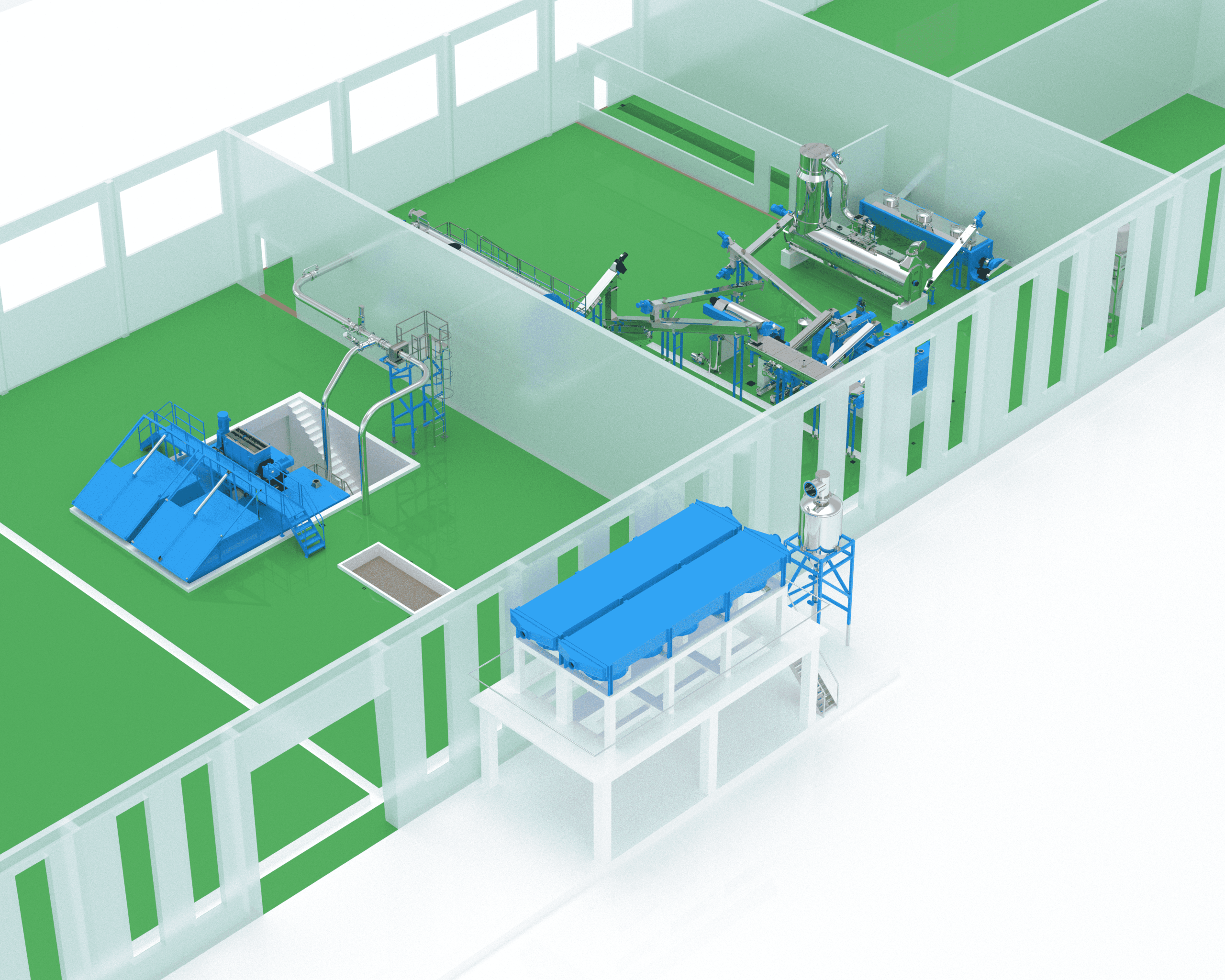
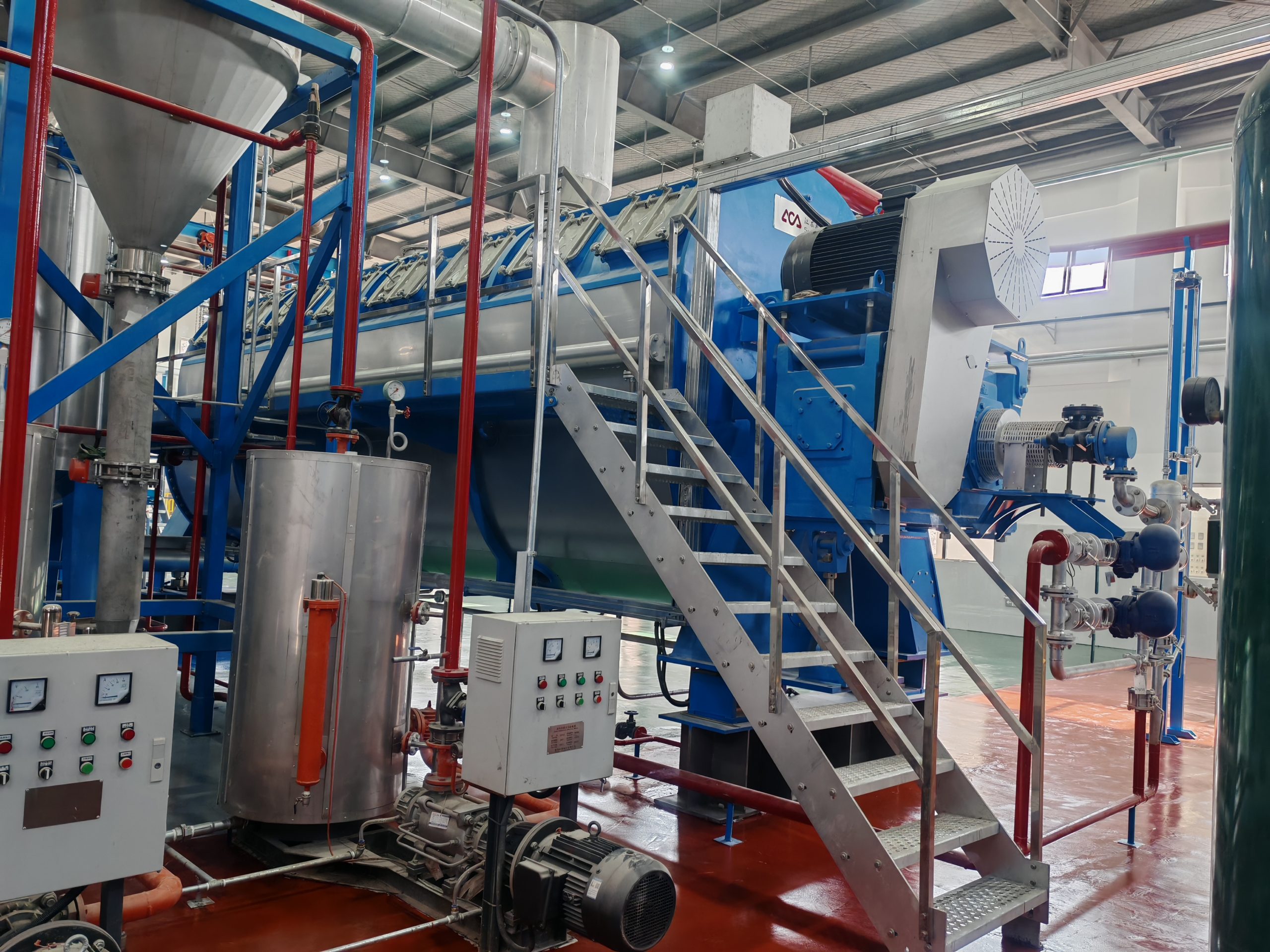
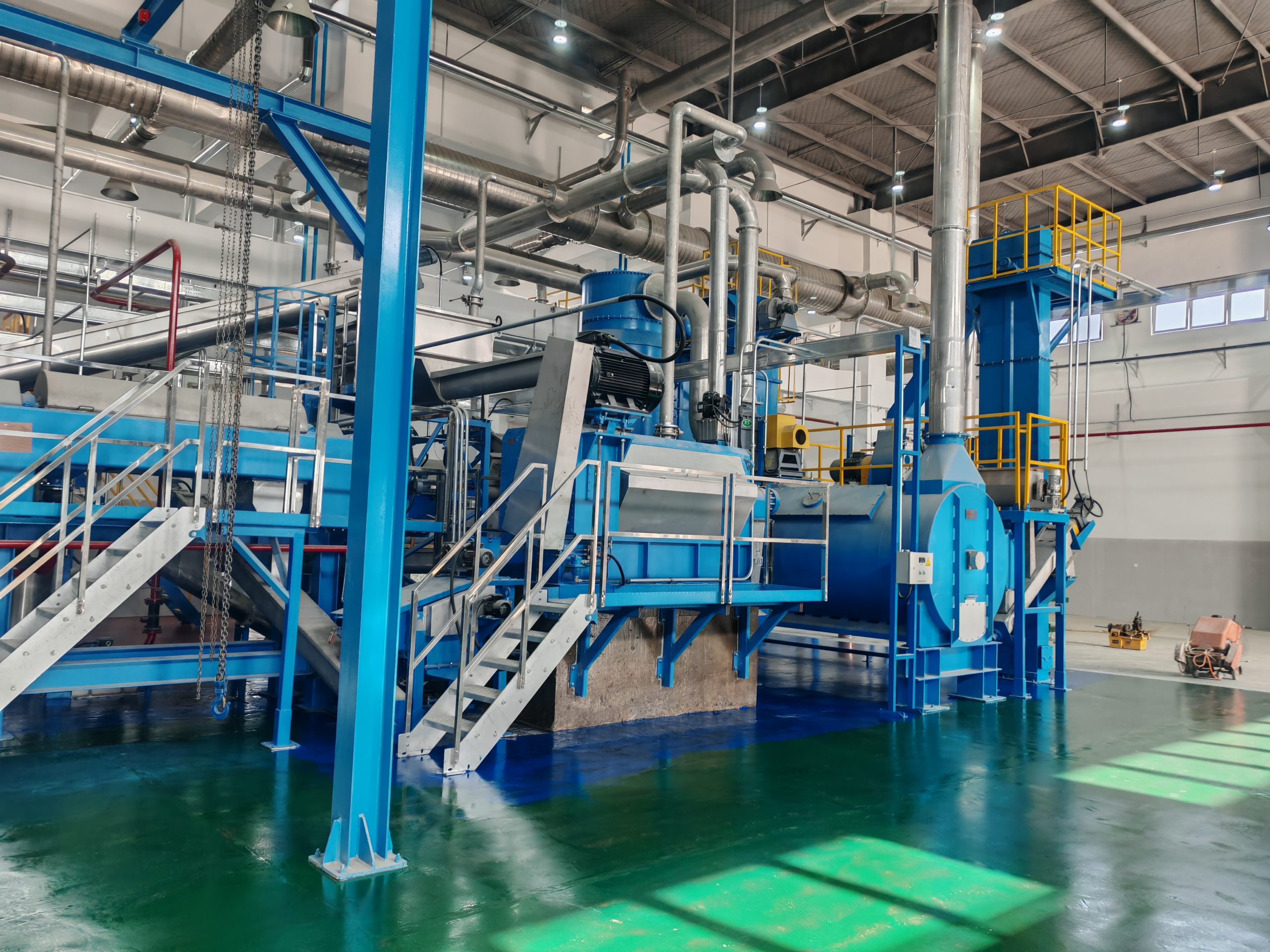
Continuous Low-temperature Wet Rendering is a mainstream core process for the harmless and resourceful treatment of livestock and poultry as well as slaughterhouse by-products. With years of in-depth technical research and development in the industry, SunRise
Rendering odors aren't a mystery — they're a predictable chemical signature of sulfur, nitrogen, and fatty acid breakdown at 90–140°C. Here's the molecular reason behind every wave of stench from a rendering plant, and the engineering controls that actual
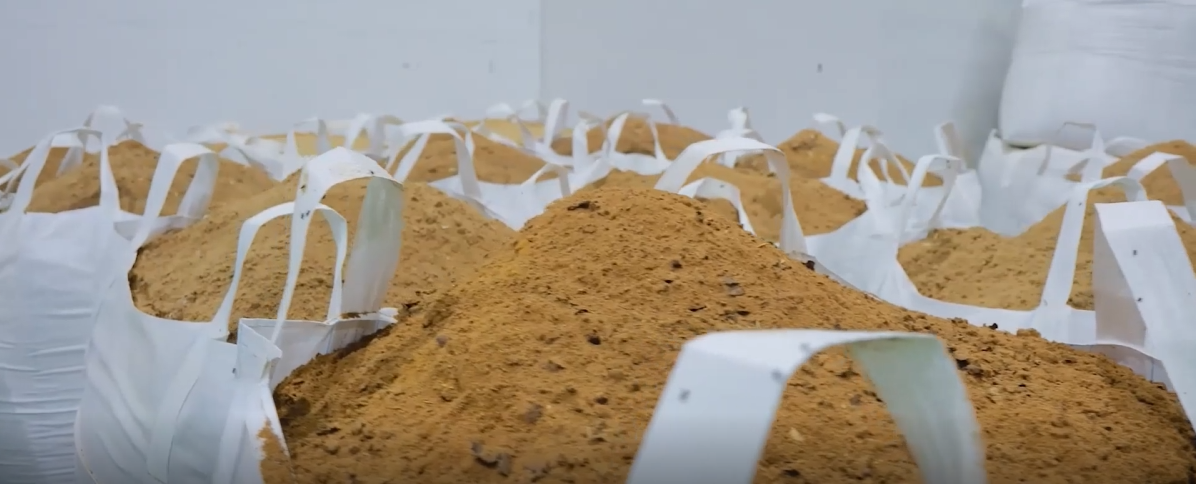
Moisture above 10%, temperatures over 145°C, and inconsistent particle size are the three silent killers of rendered meal value. Here's exactly how each variable shifts protein digestibility, shelf life, and selling price — and the operating windows that se
Most blood meal plants quietly lose 12–18% of their potential protein yield to overcooking, poor coagulation, and downstream drying mistakes. Here's where the protein actually disappears — and the engineering fixes that recover it.
Asian aquaculture is quietly running on a new fuel: fish meal and oil rendered from slaughterhouse and seafood-processing waste. Here is how the technology, the economics, and the regulations are converging in 2026 — and what processors should do about it.
The EU's revised ABP framework and China's GB 19164 update are reshaping how rendered protein, fats, and feed-grade meals cross borders in 2026. Here's what processors and exporters need to do right now to stay compliant — from sterilization records to ASF-z
How continuous disc dryers address quality and efficiency challenges for high-moisture materials including meat and bone meal.In the livestock by-product recycling and livestock harmless treatment sectors, the drying procedure directly governs the finished pro
Arabic
Chinese (Simplified)
Russian
Dutch
English
French
German
Italian
Portuguese
Spanish
Select ServicesManage ITCreative IT