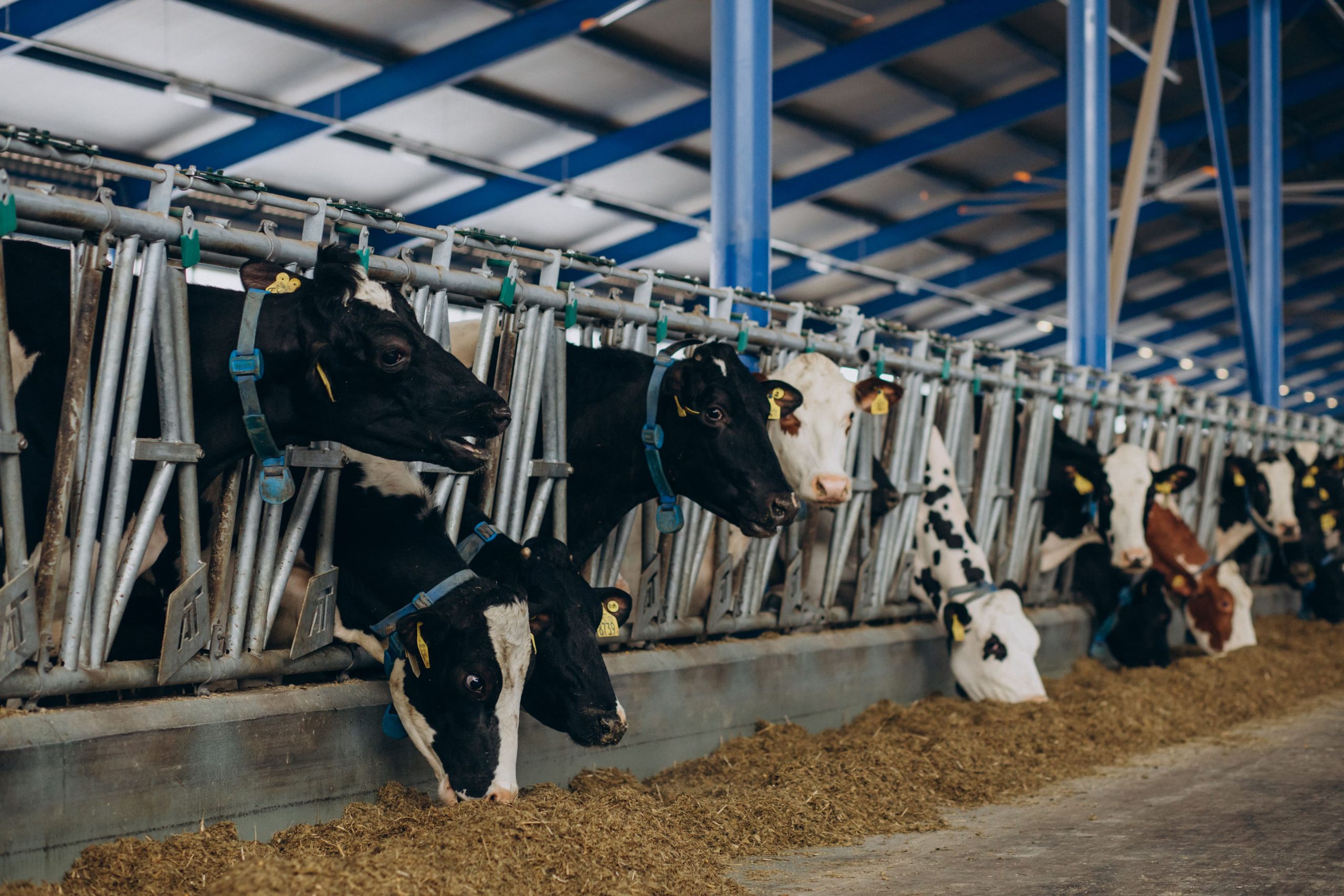

Rendering Animal Products: Complete Guide to the Rendering Process
Rendering Animal Products: Complete Guide to the Rendering Process
Rendering animal products is a controlled and essential process that converts animal by-products—such as fat trimmings, organs, bones, and processing residues—into safe, stable, and valuable materials. It plays a central role in environmental protection, public health, and sustainable resource use.
This guide explains what rendering is, why it matters, how the process works, and what products it creates, following recognized industry and regulatory standards.
What Is Rendering Animal Products?
Rendering is the thermal and mechanical transformation of animal by-products into usable fats, proteins, and minerals. It stabilizes highly perishable raw materials through heating, moisture reduction, and phase separation, producing safe ingredients for agriculture, industry, energy production, and environmental applications.
The process prevents large volumes of organic material from entering landfills or being discarded in ways that would harm ecosystems. Instead, rendering supports a circular economy by converting by-products into high-value materials.
Rendering is not incineration or simple waste disposal. It is a controlled manufacturing process governed by safety, sanitation, and environmental standards.
Why Rendering Matters: Environmental, Economic & Public Health Benefits
Environmental Benefits
Rendering significantly reduces the environmental impact of livestock and food production by:
- Diverting millions of tons of organic by-products from landfills
- Lowering greenhouse gas emissions compared to decomposition
- Creating renewable alternatives to petroleum-based materials
- Supporting agricultural nutrient recycling
Life-cycle assessments show that rendering can reduce carbon emissions substantially by stabilizing and recycling organic material instead of allowing natural decomposition.
Public Health & Biosecurity Benefits
Rendering contributes to public health by:
- Destroying pathogens through controlled time–temperature processes
- Preventing environmental contamination from improperly discarded by-products
- Reducing odor and pest hazards
- Ensuring regulated handling of animal materials
U.S. rendering facilities follow strict guidelines established by authorities such as USDA APHIS, which define required thermal processing conditions for pathogen elimination.
Economic & Resource Efficiency
Rendering recovers nutrients and fats that would otherwise be lost. These materials support:
- Livestock feed and pet food production
- Aquaculture nutrition
- Biodiesel and renewable fuels
- Oleochemical manufacturing
- Fertilizer and soil enhancement
By transforming unused materials into valuable resources, rendering strengthens the sustainability and economic efficiency of the entire food supply chain.
What Materials Are Used in Animal Rendering?
Common Raw Materials
Rendering facilities typically process:
- Offal and organs
- Fat trimmings and grease
- Bones and cartilage
- Poultry by-products
- Feathers
- Food manufacturing residues
- Certain regulated animal mortalities
These materials are unsuitable for human consumption but ideal for thermal conversion.
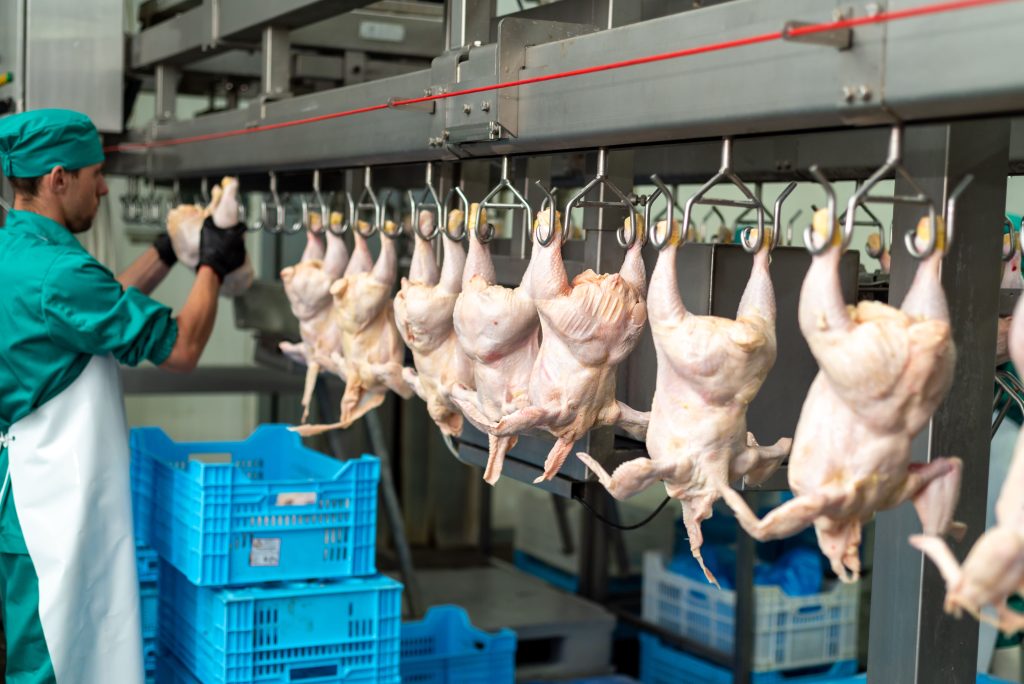
Raw Material to Final Product Conversion Table
| Raw Material | Final Product | Primary Applications |
|---|---|---|
| Fat trimmings | Tallow | Biodiesel, oleochemicals, feed fat |
| Bones | Mineral-rich meal (calcium/phosphorus) | Fertilizer, feed minerals |
| Offal | Meat & bone meal | Livestock feed, pet food |
| Poultry by-products | Poultry meal | Aquaculture feed, pet food |
| Feathers | Hydrolyzed feather meal | High-protein animal feed |
| Food residues | Mixed rendered fats & proteins | Energy, feed ingredients |
This structured transformation supports numerous industries while minimizing waste.
The Animal Rendering Process: Step-by-Step Guide
Rendering combines thermal treatment, separation, drying, and finishing. While facilities may vary, the fundamental steps remain consistent.
Step 1 — Raw Material Collection & Size Reduction
Collected materials are reduced in size to ensure uniform heating and efficient processing. Proper size reduction improves the release of fat during cooking and promotes safe pathogen control.
Step 2 — Cooking / Thermal Processing
Materials are heated in controlled rendering systems—batch or continuous—typically to 115–145°C.
This step:
- Evaporates moisture
- Releases fat from tissue
- Reduces microbial activity through high temperature
- Produces a homogeneous mixture suitable for separation
Time–temperature requirements follow recognized biological safety standards, including USDA APHIS guidelines.
Step 3 — Separation of Fat, Water & Solids
After heating, the mixture separates naturally into:
- Melted fat
- A solid protein-mineral phase
- Water and dissolved organic components
Mechanical separation equipment increases purity and yield.
Step 4 — Mechanical Pressing & Fat Recovery
Solids are pressed to extract additional fat. Optimized pressing ensures low residual oil content, which improves protein meal stability and minimizes oxidation.
Step 5 — Drying & Moisture Reduction
The solid fraction is dried to a safe moisture level—typically between 8–12%.
This step stabilizes the material, improves shelf life, and prevents microbial growth.
Step 6 — Grinding & Standardization
Dried solids are ground into uniform particle sizes and standardized to meet nutritional and regulatory specifications. Consistent particle size is critical for feed manufacturers and downstream processing.
Step 7 — Cooling, Storage & Quality Stabilization
Both fats and meals are cooled before storage to prevent thermal degradation. Proper cooling reduces oxidation rates and maintains long-term quality.
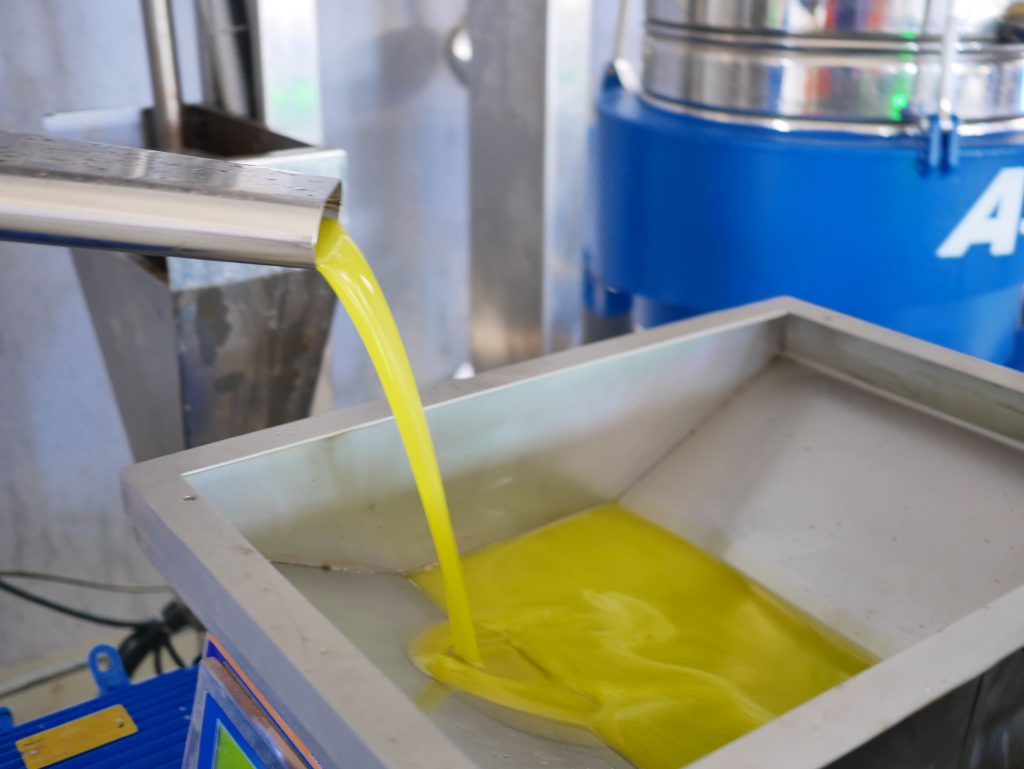
Final Products of Rendering
Animal Fats (Tallow)
Rendered fats are used in:
- Biodiesel and renewable fuels
- Oleochemicals
- Soaps and detergents
- Animal feed fats
- Lubricants, candles, and industrial formulations
Protein Meals
Common protein meals include:
- Meat and bone meal
- Poultry by-product meal
- Feather meal
They supply essential amino acids, minerals, and nutrients for livestock, aquaculture, and pet food formulations.
Minerals and Specialty Outputs
Bones yield valuable mineral components such as calcium and phosphorus, used in fertilizer and feed.
Regulations, Safety, and Quality Standards
Rendering operations adhere to strict regulatory frameworks designed to protect public health and the environment.
Key regulatory areas include:
- USDA APHIS — Biological risk mitigation
- FDA (21 CFR) — Feed ingredient and safety standards
- State authorities such as CDFA — Facility licensing and operational compliance
- Environmental Protection Agency (EPA) — Air, wastewater, and emissions management
Time–temperature processing, sanitation controls, traceability, and monitoring systems ensure that rendered products are safe, stable, and compliant.
Frequently Asked Questions About Rendering
What is the purpose of rendering?
Rendering stabilizes animal by-products and converts them into valuable fats, proteins, and minerals for feed, fuel, and industry.
Is rendering safe?
Yes. Rendering uses controlled thermal processes to destroy pathogens and follows strict regulatory requirements.
Does rendering help the environment?
Rendering reduces landfill waste, prevents pollution, and supports renewable energy and nutrient recycling.
What products come from rendering?
Tallow, meat and bone meal, poultry meal, feather meal, and mineral-rich components.
Is rendering the same as incineration?
No. Rendering recycles materials; incineration destroys them.
Conclusion
Rendering animal products is one of the most effective and sustainable methods of managing by-products from livestock and food processing. It protects ecosystems, supports renewable resource pathways, enhances public health, and contributes to economic resilience.
By transforming unused animal materials into fats, proteins, and minerals, rendering continues to play a critical role in building a more sustainable and efficient global food system.