Rendering Plant Equipment: The Complete Buyer’s Guide for 2026
Rendering Plant Equipment: The Complete Buyer’s Guide for 2026
If you’re buying rendering plant equipment in 2026, the decision narrows fast: match a batch or continuous cooker to your daily raw-material tonnage, size the fat press, Pre-crusher, and disc dryer around that flow, and verify the supplier’s after-sales bench before you sign anything. Get those four right and 90% of the project risk disappears. The rest of this guide breaks down exactly how to specify each piece — with real throughput numbers, energy figures, and examples from operating plants.
Start With Raw Material Math, Not Equipment Brochures
The single most common procurement mistake? Buying a cooker first and figuring out the rest later. Every other piece of equipment in your rendering line is sized off two numbers: tonnes of raw material per day, and the fat/protein/moisture ratio of that material.
Poultry offal averages around 60–70% moisture, 12–18% fat, and 12–16% protein. Beef and pork offal can swing to 40–55% fat. Fish waste is wetter — often 75% moisture — and demands different downstream gear, which is why a dedicated fish meal machine isn’t optional for serious fish processors.
For example, a Vietnamese broiler integrator handling 120 tonnes of offal per day will end up with a fundamentally different equipment list than a Brazilian beef plant pushing 180 tonnes of mixed bovine by-product. Same tonnage neighborhood, completely different cooker geometry, press tonnage, and steam load. Run the raw-material balance first. Always.
Batch vs. Continuous: Which System Actually Fits You
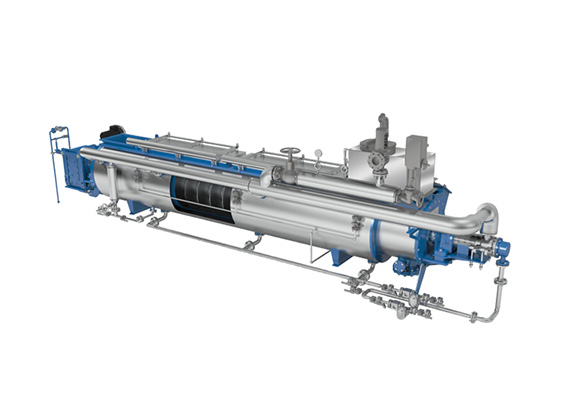
Batch equipment is usually a more cost-effective capital investment choice when the daily raw material feed is less than 50 tons. When the feed rate exceeds 60 tons per day, continuous equipment undoubtedly has absolute advantages in energy consumption, labor costs, and product stability.
See the comparison table above for the hard numbers. Don’t let a salesperson talk you into “future-proofing” with a continuous line you’ll run at 30% capacity for three years. Underutilized continuous equipment is more expensive per tonne than a right-sized batch system.
The Core Equipment Stack You’re Actually Buying
Strip away the marketing and a rendering line is multiple pieces of equipment doing jobs. Get each one right and the plant works. Skimp on one and the whole line bottlenecks.
1. Receiving and pre-breaking
Pre-crusher is a heavy crushing machine, specially designed for animal by-product industry, before the rendering process, we can use the pre-crusher for size reduction of complete carcasses of cattle, sheep, horse and pig as well as all sorts of offal and bones from slaughterhouses.
A pre-crusher is used in various industrial and commercial applications to reduce the size of materials before they are processed further. This can include reducing the size of large solid items, breaking down pallets or crates, or compacting waste material into dense bales for easier disposal or recycling.
2. Cooker
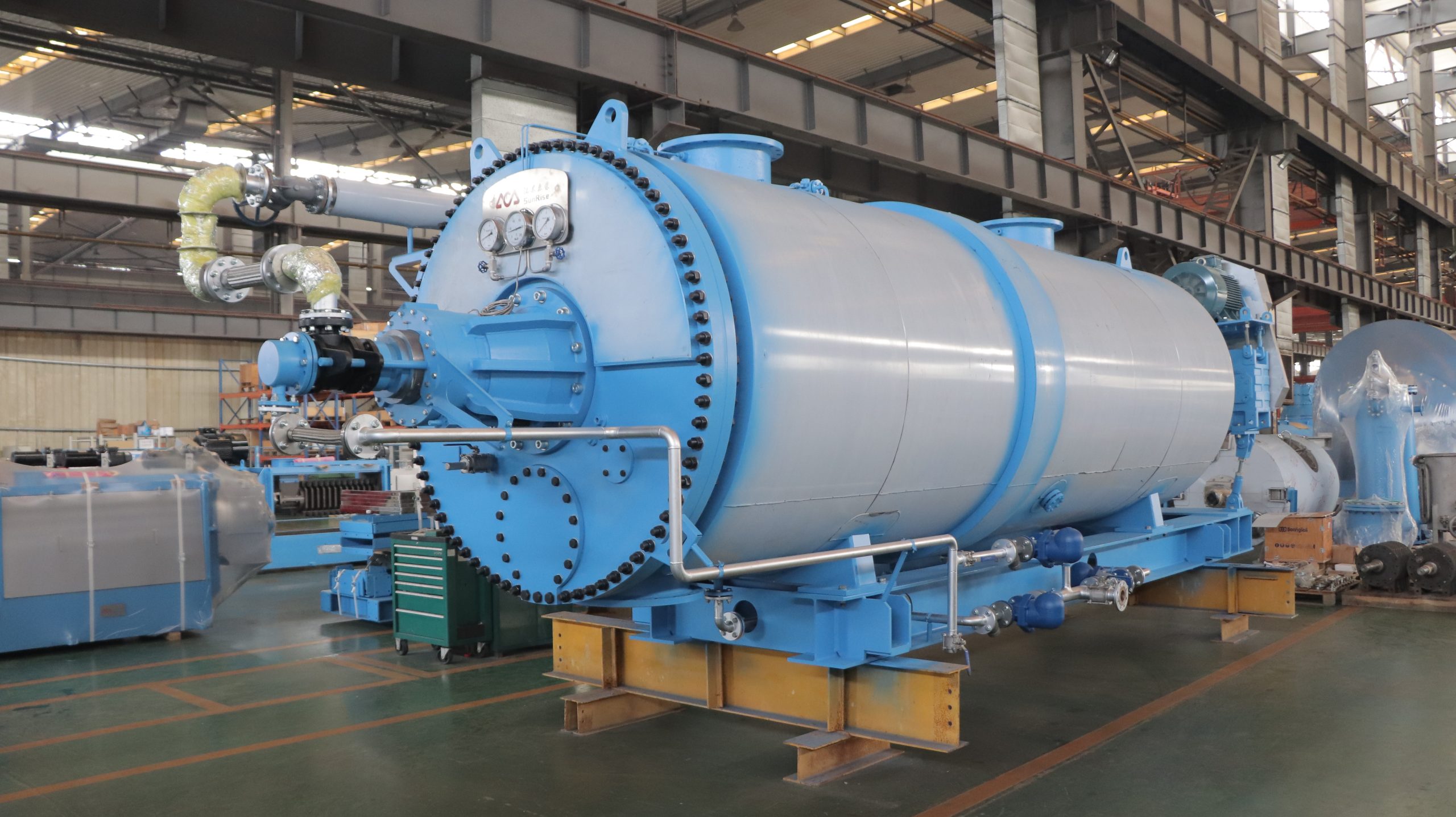
batch cooker is designed for sterilization , hydrolyzation , and drying of animal by-products .It is one of the most important parts of a dry rendering plant and is manufactured in Multiple specifications and standards to suit various plant capacities
3. Screw press
fat screw press is designed for continuous mechanical extraction of fat from cooked animal byproducts to obtain fat.
4. Disc Dryer
disc dryer is indirect steam heated and designed for continuous cooking or drying of animal by-products or fish.
5. Lamella Pump / Material Pumb
Lamella pump used for pumping the material with big particles (such as pre-crushed animal by-products, fishes or pet food), liquid with higher viscosity. It is highly suitable for closed systems, it used for feeding the material to various cooking equipment and other processing equipment.
6. Exhaust Abatement
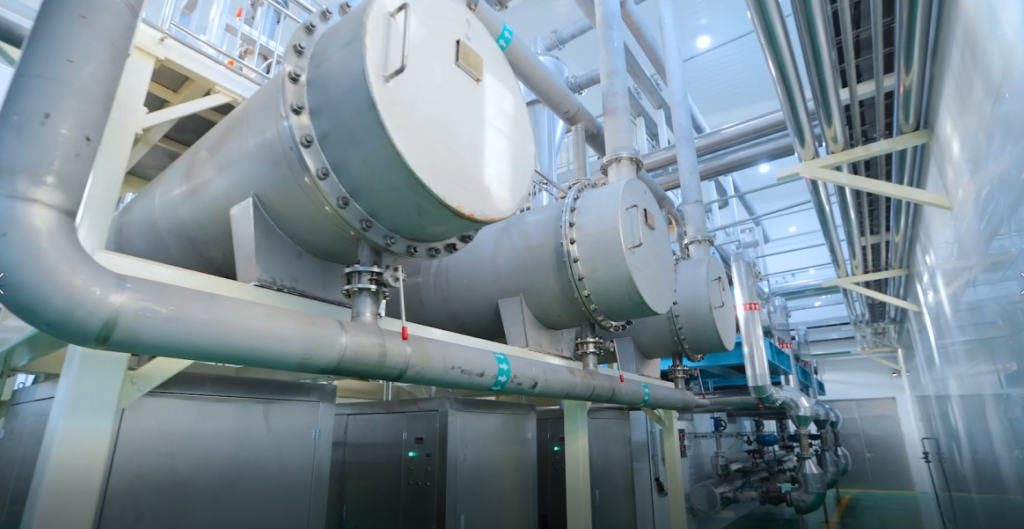
The Exhaust Abatement product is mainly suitable for livestock and poultry harmless treatment, slaughtering waste protein conversion of feather meal, meat meal, animal fat melting, and other conditions, the odor gas extracted under the condition of negative pressure vacuum catalytic combustion purification treatment.
Specifying for Your Specific Raw Material
There is no universal rendering plant. The equipment list shifts substantially based on what you’re processing.
Poultry processors
High-volume feather streams demand a dedicated hydrolyzer — feathers won’t break down in a standard cooker. See our breakdown of chicken rendering plant configurations for the typical layout.
Fish
Wet, oily, and unforgiving. Decanter-first architectures usually beat press-first for high-fat species like salmon trimmings.
Mortality and Category 1 material
Sterilization at 133°C / 3 bar / 20 minutes is non-negotiable under EU rules and increasingly adopted elsewhere. Plants handling harmless treatment of dead animals need pressure-rated cookers, not standard atmospheric units.
A Polish customer last year tried to retrofit a poultry line to handle fallen stock. It almost worked — until the audit. They ended up adding a separate pressure cooker line. Build for the worst material you’ll ever process, not the easiest.
Odor Control: The Permit Killer
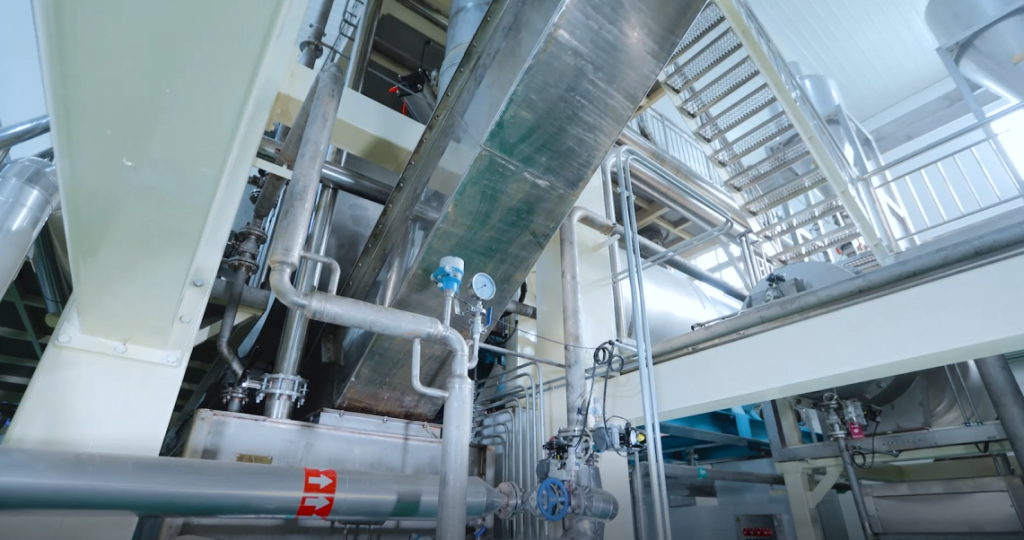
I’ll say this plainly: in 2026, you cannot commission a new rendering plant in most jurisdictions without serious odor abatement. Neighbors complain, regulators show up, and your operating license becomes conditional within months.
The standard stack:
- High-intensity air collection from cookers, presses, and receiving — kept under negative pressure.
- Low-intensity air (general building extraction) routed through biofilters or scrubbers.
- Thermal oxidizer or RTO for the concentrated high-intensity stream, typically 800°C with 1+ second residence time.
Capex for full odor treatment runs 12–18% of total plant cost. It’s not optional. Plants that try to save here usually end up retrofitting at 2–3x the price within five years.
Automation and PLC Architecture — What to Demand in 2026
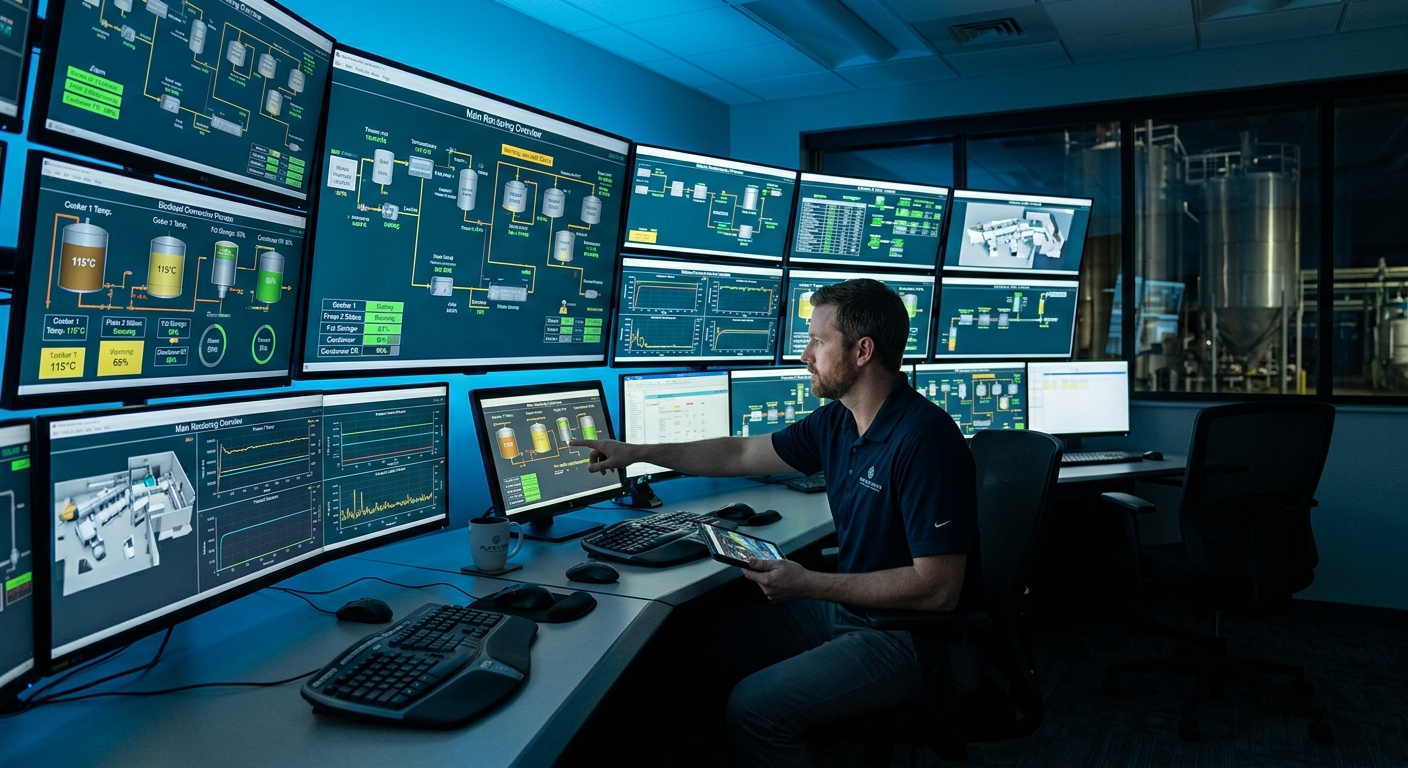
The gap between a 2015-era rendering plant and a 2026 one isn’t the mechanical equipment. It’s the control system. Modern lines should give you:
- Real-time energy dashboards by sub-system (cooker, press, dryer, boiler)
- Predictive maintenance alerts on bearings, gearboxes, and screw shafts
- Remote diagnostics — your supplier should be able to log in and troubleshoot at 2 a.m.
- Automated CIP and changeover routines if you process multiple species
- Full traceability data export for HACCP and customer audits
Ask for screenshots of the actual HMI during the sales process. If the supplier shows you a generic Siemens template with no rendering-specific logic, that’s a yellow flag. Specialists have spent years tuning their control philosophy. Generalists improvise on your dime.
Vetting the Supplier: The Checklist Most Buyers Skip
Equipment quality matters. Supplier quality matters more. A great cooker from a bad supplier becomes scrap iron in five years; an average cooker from a great supplier runs profitably for two decades.
Before signing, get hard answers on:
- Reference plants in your region — not just a list, but contacts you can actually call. Visit at least two.
- Spare parts availability — lead time on wear plates, screw flights, gearboxes. Anything over 8 weeks is a red flag.
- Field service response — guaranteed on-site time in writing. 72 hours globally is the current benchmark.
- Performance guarantees — steam per tonne, residual fat in cake, meal moisture, fat FFA. All in the contract.
- Track record on similar capacity — a supplier who’s done fifty 2-tonne lines isn’t automatically qualified for your 30-tonne project.
Our own approach at Sunrise Rendering has been to combine three decades of process know-how with European-standard mechanical design — and frankly, the after-sales bench is where we win or lose customers. It’s where every supplier eventually does.
Putting It All Together
Buying rendering plant equipment in 2026 isn’t a catalog exercise. It’s a process design problem. Start with your raw material profile and tonnage, choose batch or continuous based on honest throughput projections, build the equipment stack around realistic energy targets, and vet your supplier harder than you vet the steel. The plants that thrive five years from now will be the ones that got the boring fundamentals right — not the ones with the flashiest brochures.
If you’re scoping a new plant or expansion, the Sunrise engineering team can run the raw-material balance, sizing, and energy model for your specific project — and tell you honestly whether batch or continuous makes more sense for your numbers. Get in touch when you’re ready to compare real configurations.