Feather Meal Digestibility: How Hydrolysis Time, Temperature, and Pressure Affect Pepsin Digestibility
Feather Meal Digestibility: How Hydrolysis Time, Temperature, and Pressure Affect Pepsin Digestibility
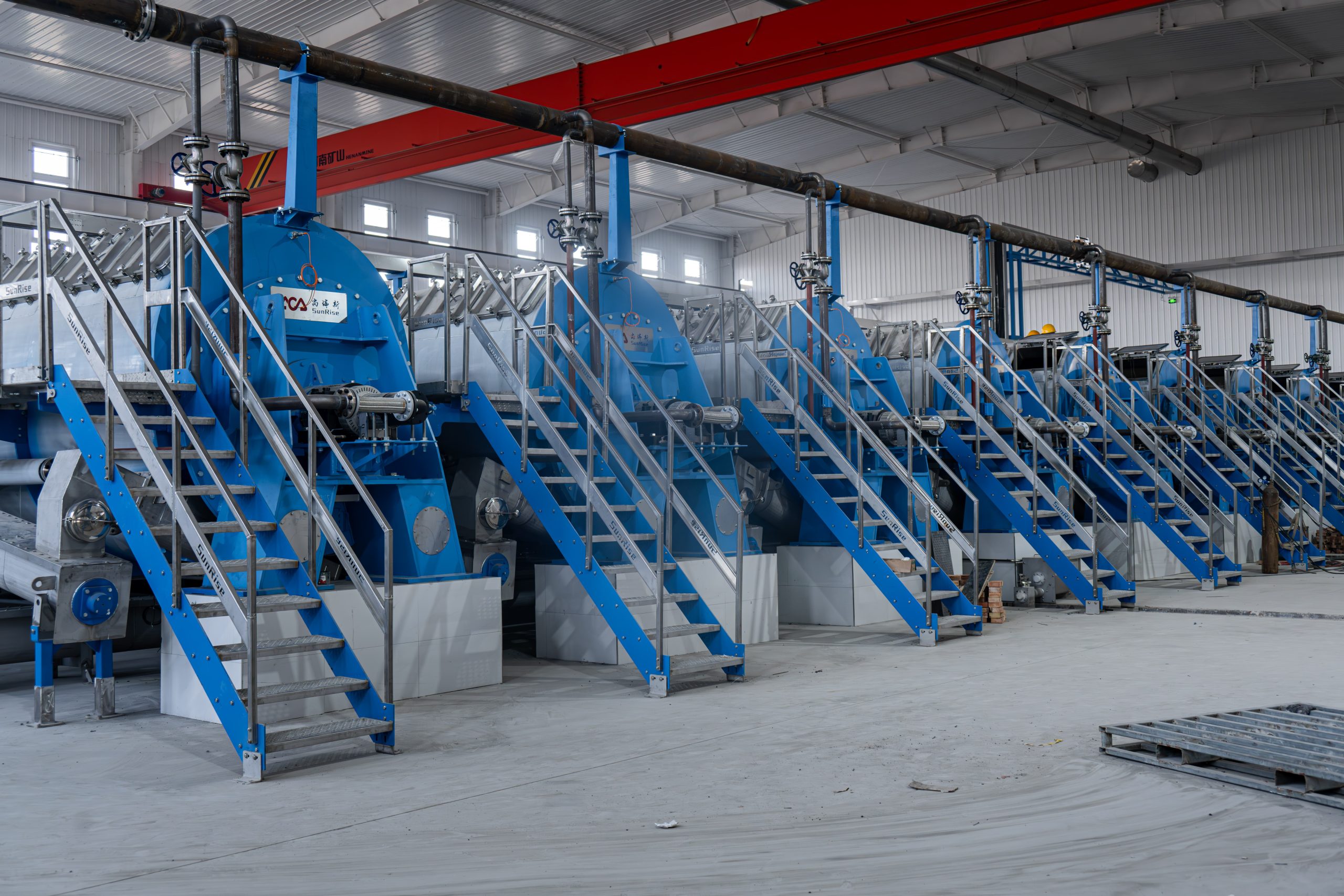
Pepsin digestibility in feather meal is governed almost entirely by three interacting variables: hydrolysis temperature (typically 110–150°C), steam pressure (2–4 bar), and cook time (30–60 minutes). Push any one of them too far — even slightly — and you either leave keratin’s disulfide bonds intact (low digestibility) or you scorch amino acids into unusable Maillard compounds (also low digestibility). The sweet spot most well-run plants land in is 135–145°C, for 30–45 minutes, which reliably produces feather meal at 80–85% pepsin digestibility.
Why Feather Keratin Fights Digestion in the First Place
Here’s the uncomfortable truth about raw poultry feathers: they’re nearly 90% protein by weight, yet an animal’s stomach can’t touch most of it. Keratin — the structural protein in feathers — is held together by disulfide bonds so stable that raw feathers pass through a monogastric digestive tract almost unchanged. That’s the whole engineering problem in a nutshell.
Hydrolysis under heat and pressure breaks those disulfide bonds, unwinding the tightly coiled keratin structure into shorter peptide chains that pepsin can actually attack. No hydrolysis, no digestibility — it’s that simple. This is also why raw feather waste is a disposal headache rather than a feed asset, a problem we’ve covered in turning poultry feather waste into high-value feather meal.

Temperature: The Variable With the Narrowest Margin for Error
Most digestibility failures trace back to temperature, not time. Below 130°C, disulfide bonds simply don’t break down fast enough — you can cook feathers for an hour at 120°C and still land under 65% pepsin digestibility because the keratin structure never fully unwinds.
The Maillard Trap Above 150°C
Push past 150°C, though, and you create a different failure: Maillard reactions between reducing sugars and free amino acids (especially lysine) generate dark, unavailable compounds. The meal looks fine, protein content on paper looks fine, but pepsin digestibility drops because a chunk of that protein is now chemically locked away. It’s a classic case of “more heat isn’t more cooking, it’s a different reaction entirely.”
The 135–145°C band is where most European-standard hydrolyzers operate for good reason — it’s hot enough to break disulfide bonds efficiently without triggering significant Maillard loss.
Pressure: Not Just a Time-Saver — It Changes the Chemistry
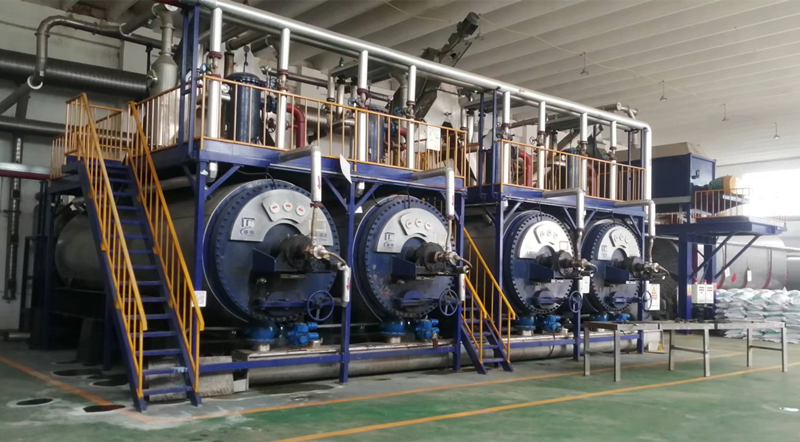
Pressure doesn’t just speed up cooking; it fundamentally changes how thoroughly disulfide bonds break. At 2.5–3.5 bar, steam penetrates the feather structure fast enough to hydrolyze keratin evenly throughout the batch, not just on the surface.
Run pressure too low — say under 2 bar — and you get uneven cooking: outer feather material hydrolyzes while denser quill cores stay tough and undercooked. That unevenness shows up as inconsistent digestibility results batch to batch, even when your average temperature reading looks correct.
Go above 4 bar and you’re essentially forcing over-hydrolysis. Amino acids start degrading faster than the process needs, and you lose nutritional value for no digestibility gain. This is the same over-processing trap that shows up in high-temperature rendering odor chemistry — excess severity always has a cost somewhere.

Time: The Variable Everyone Overuses to Compensate
A common mistake: operators running low temperature or pressure try to compensate by extending cook time. It doesn’t work the way people hope. Time can partially substitute for temperature, but the relationship isn’t linear — doubling cook time at 125°C won’t get you the digestibility you’d get in 30 minutes at 140°C.
Within the 30–45 minute window at proper temperature and pressure, you’re hitting the point of diminishing returns — most disulfide bonds are already broken, and further cooking mainly risks amino acid degradation rather than adding digestibility. Beyond 60 minutes, digestibility curves typically flatten or even reverse slightly as protein damage accumulates.
How to Actually Measure Whether Your Process Is Working
Pepsin digestibility testing (AOAC method, typically 0.002% pepsin solution) should be a routine QC check, not an occasional audit. Run it on every batch, or at minimum every shift, and track it against your temperature/pressure/time log. That correlation data is gold — it tells you exactly where your process drifts.
- Below 75% digestibility: Usually under-hydrolysis — check for temperature drops or pressure leaks in the vessel.
- 75–80%: Acceptable but not premium grade — fine-tune time in 5-minute increments before touching temperature.
- Above 85%: Excellent, but check color and lysine levels — you may be flirting with over-processing even at high digestibility scores.
If your animal by-product processing equipment lacks reliable pressure and temperature sensors, you’re flying blind regardless of how good your recipe is on paper.
Equipment Design Matters as Much as the Recipe
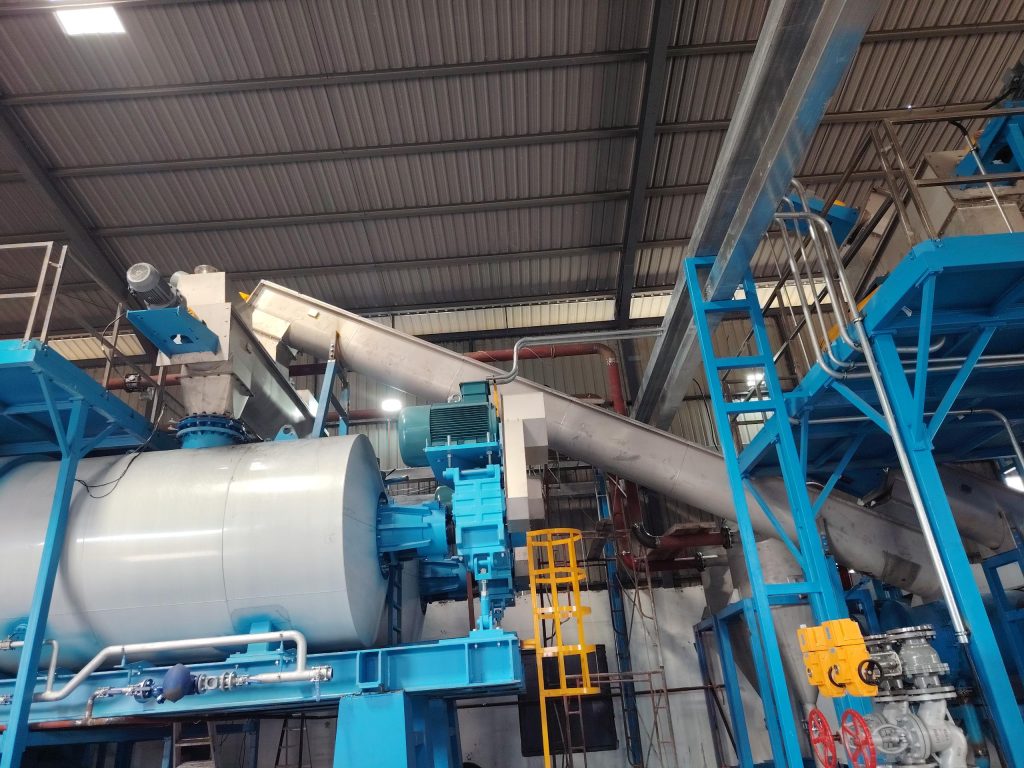
You can have the perfect time-temperature-pressure formula written down and still get poor results if your hydrolyzer can’t hold those conditions consistently. Uneven steam distribution, inconsistent agitation, or poor batch loading all create hot spots and cold spots within the same cook cycle — meaning parts of your batch are over-processed while others are under-processed.
This is where hydrolyzer design and rendering plant machinery quality actually pays for itself. A well-designed continuous or batch hydrolyzer with proper agitation and calibrated pressure control delivers uniform digestibility across the entire load — which matters enormously when you’re selling to feed formulators who test every shipment.
Cooling and Downstream Handling
Digestibility gains from careful hydrolysis can be undone downstream too. Rapid, controlled cooling after hydrolysis prevents residual heat from continuing the Maillard reaction in the cooling pile — a detail plants often overlook.
What This Means for Buyers Evaluating Feather Meal Suppliers
If you’re purchasing feather meal, ask for the pepsin digestibility number on every lot — not just crude protein percentage. A supplier quoting 88% crude protein but only 65% digestibility is selling you protein your animals literally cannot use efficiently. The digestibility number is the real value indicator.
Reputable producers should be able to share their process parameters or at least consistent digestibility test results across batches. Consistency matters as much as the peak number — a supplier bouncing between 70% and 88% digestibility batch to batch has a process control problem, even if their best batches look great.
Categories
Recent Posts
-

Where Do All the Poultry Feathers Go? From Environmental Burden to Valuable Resource — A Full-Chain Investigation
September 9, 2026 -
Feather Meal Digestibility: How Hydrolysis Time, Temperature, and Pressure Affect Pepsin Digestibility
September 1, 2026 -
Preventing Fish Meal Oxidation: Cooling, Antioxidant Dosing, and Storage Control
August 27, 2026