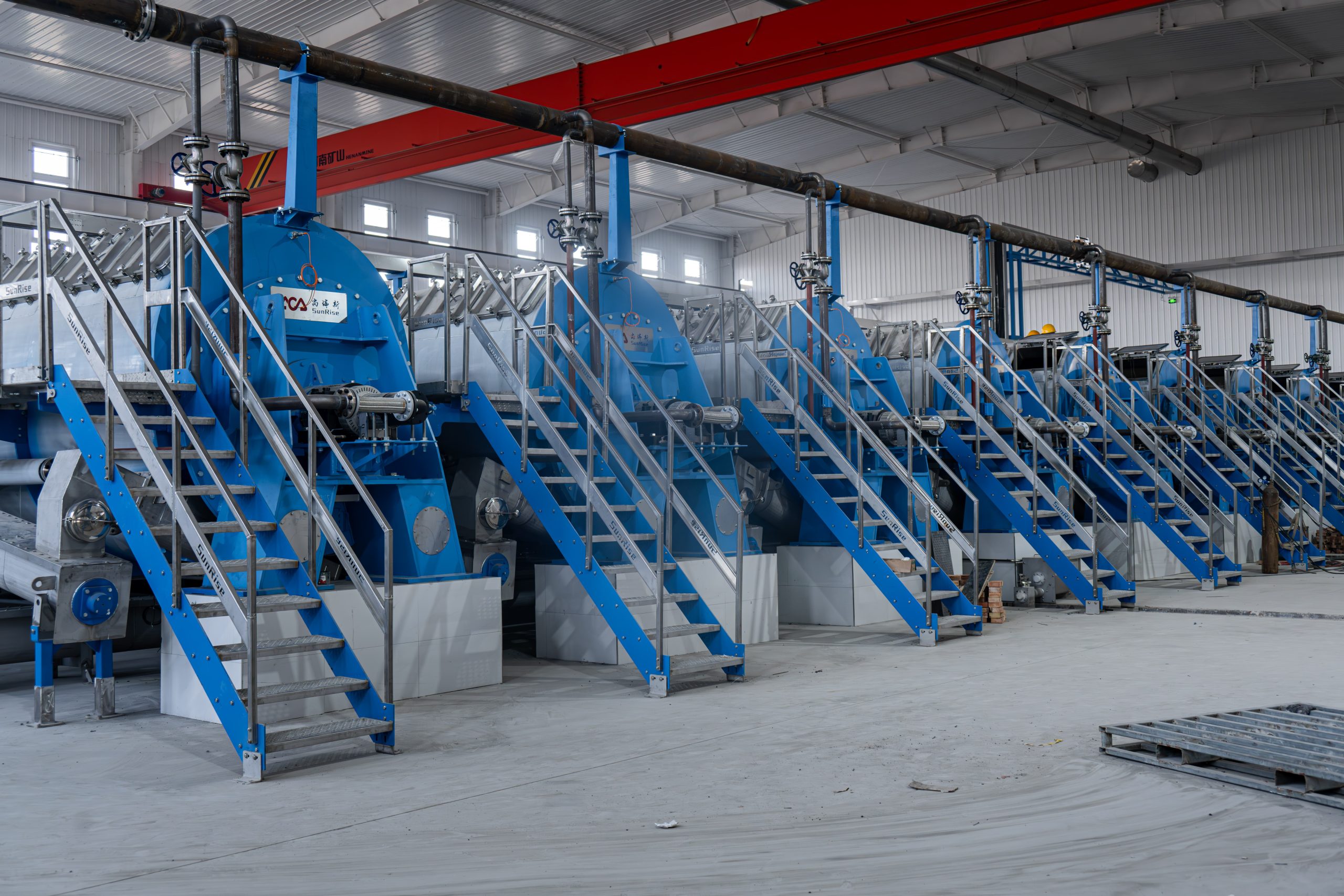
Where Do All the Poultry Feathers Go? From Environmental Burden to Valuable Resource — A Full-Chain Investigation
Where Do All the Poultry Feathers Go? From Environmental Burden to Valuable Resource — A Full-Chain Investigation
Have you ever wondered what happens to the feathers of the billions of chickens, ducks, and geese consumed every year?
China is the world’s largest poultry producer. According to industry research, the country’s annual poultry slaughter exceeds 16 billion birds, generating over 2 million tons of feather raw material annually . A Chinese national patent document similarly estimates annual feather waste production at up to 1 million tons . At this scale, improper disposal would pose a serious environmental challenge.
Feathers are composed of approximately 90% keratin — a structural protein rich in disulfide bonds that makes it highly resistant to natural degradation . So how exactly are these feathers managed?
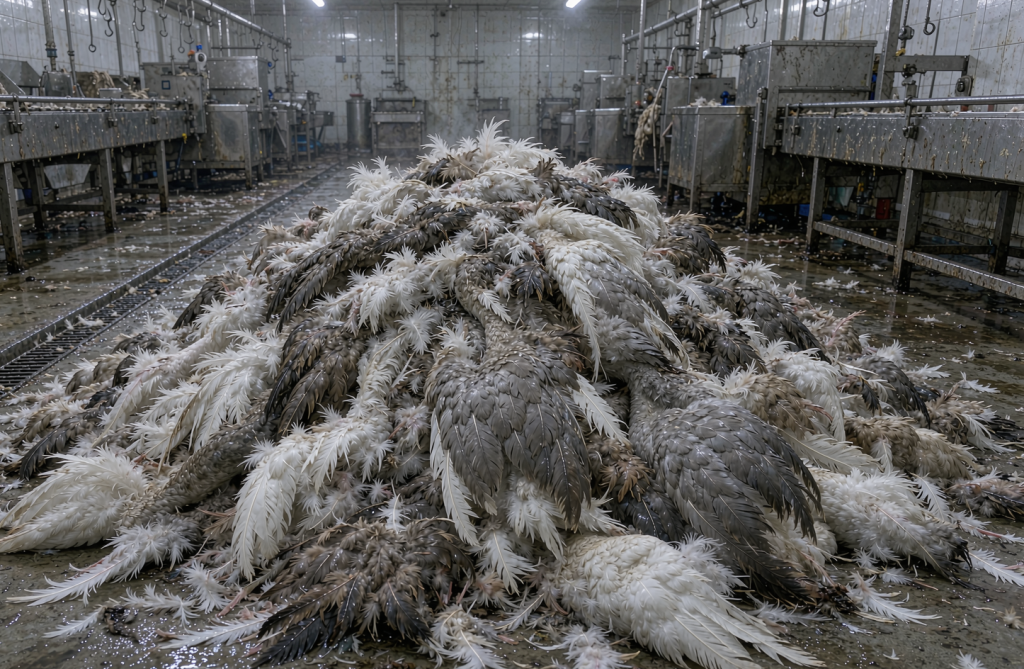
1. Traditional Disposal: The Limits of Incineration and Landfilling
Historically, the main destinations for feather waste were landfills and incineration.
Landfilling is inexpensive but carries hidden costs: feathers take one to two years to decompose, and under anaerobic conditions they release methane — a greenhouse gas 25 times more potent than CO₂ — while leachate can contaminate groundwater . Incineration generates soot, sulfur dioxide, and nitrogen oxides; because feathers have low calorific value, supplementary fuel is required, driving up processing costs . Feathers may also carry pathogens such as Salmonella, creating public health risks if discarded improperly .
As environmental regulations tighten, an increasing share of feathers is being diverted toward resource recovery.
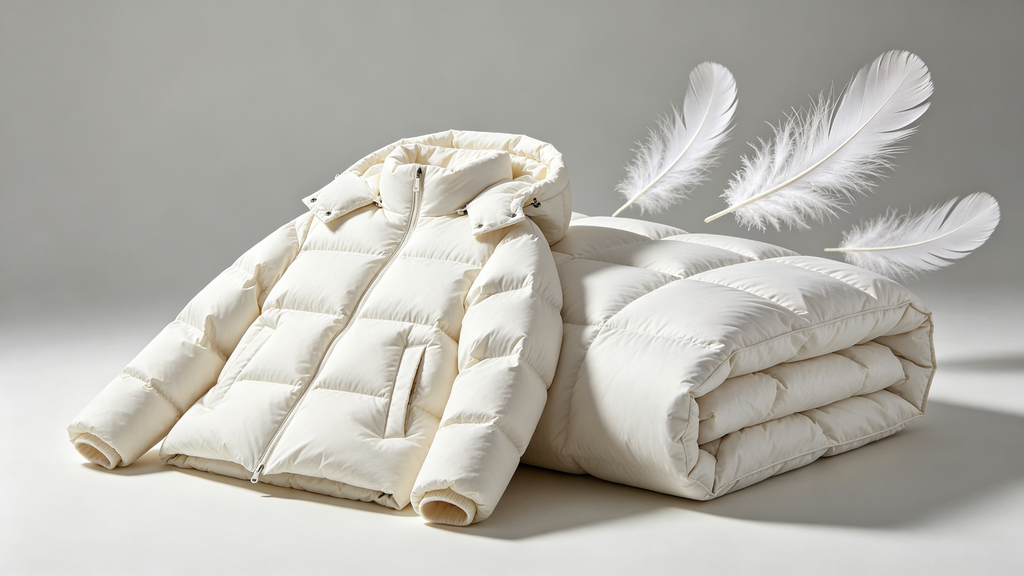
2. Destination One: High-Quality Feathers → Down Products and Sporting Goods
The finest feathers are first sorted and channeled into the down and feather industry.
After washing, disinfection, degreasing, and drying, duck and goose down is used in insulated jackets, bedding, and other cold-weather products . In Lu’an, Anhui Province — a major white goose producing region — the local goose population reached over 18 million in 2024, supplying approximately 4,190 tons of down and feathers with a combined industry value exceeding 18.9 billion yuan .
Stiffer wing feathers, meanwhile, are processed into shuttlecocks and other sporting goods. The city of Bei’an in Heilongjiang Province has recently integrated deep processing of goose feathers into its full poultry value chain; local manufacturers now export badminton shuttlecocks worldwide, turning once-discarded feathers into a high-value product .
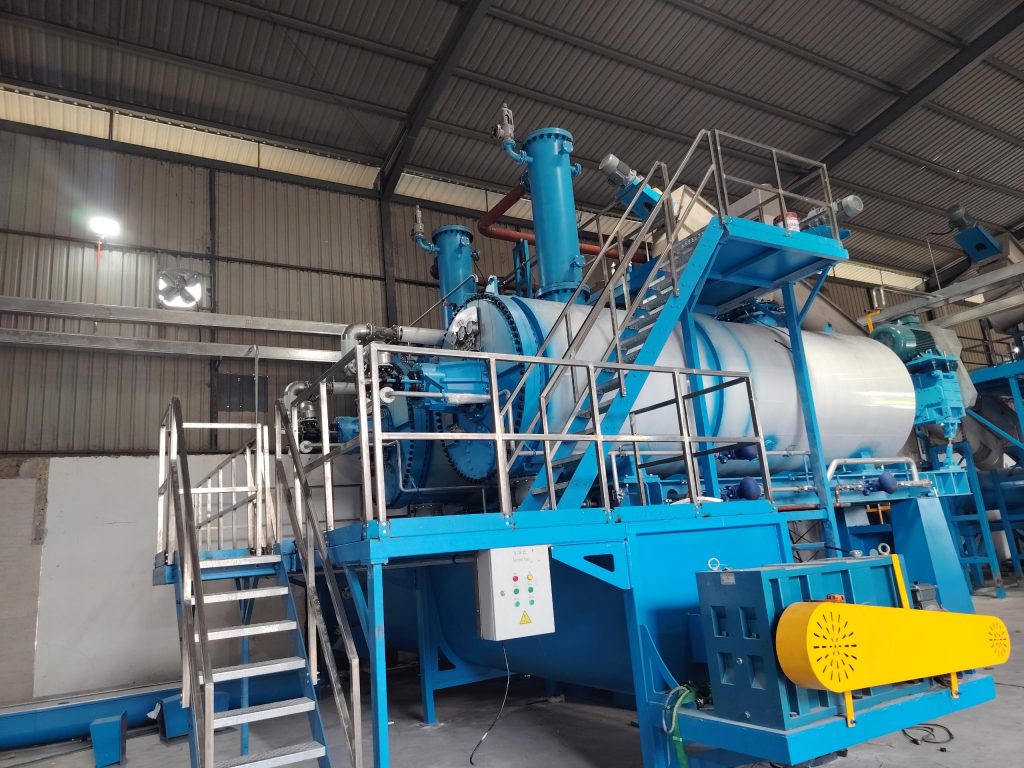
3. Destination Two: Bulk Feathers → Hydrolyzed Feather Meal (Feed Protein)
This is currently the largest-volume outlet for feather waste.
Feathers that do not meet down-grade standards undergo high-temperature, high-pressure hydrolysis — typically at 120–135°C and 0.15–0.3 MPa for 30–60 minutes — which breaks the disulfide bonds in keratin, converting insoluble protein into soluble form. The material is then dried and pulverized into hydrolyzed feather meal .
The finished product contains ≥80% crude protein with a pepsin digestibility of ≥75%, making it a high-quality animal-derived protein ingredient widely used in pig, poultry, and aquaculture feed. It helps reduce China’s reliance on imported soybean meal and fishmeal .
The product is governed by strict standards. The agricultural industry standard NY/T 915-2017 “Feed Ingredient — Hydrolyzed Feather Meal” specifies raw material requirements, processing methods, testing procedures, and hygiene indicators .
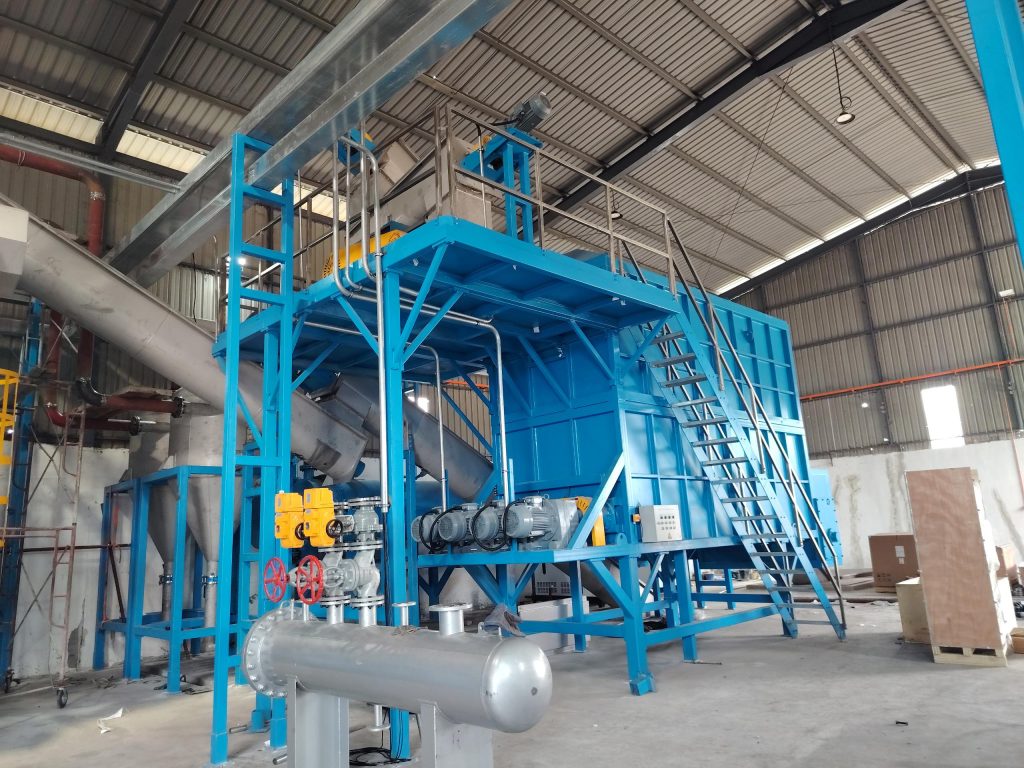
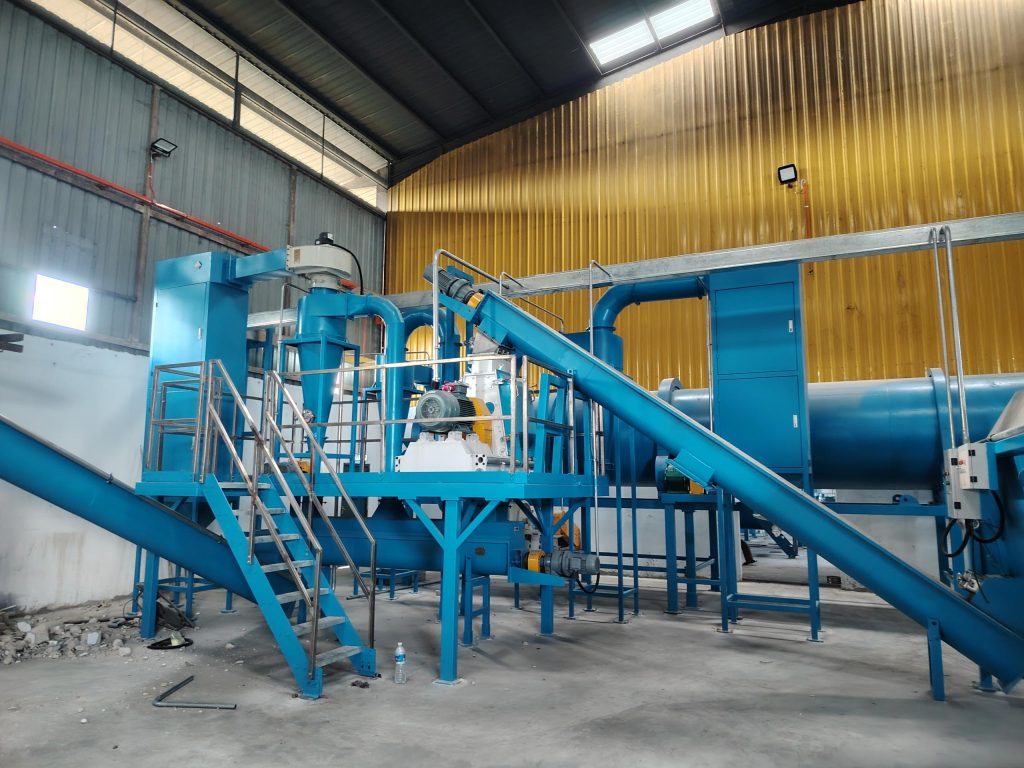
4. Destination Three: Feathers → Amino Acid Fertilizers and Soil Amendments
A portion of feathers is processed through enzymatic or chemical hydrolysis into amino acid liquid fertilizers rich in up to 17 amino acids, or into organic fertilizers.
A Sichuan Province science and technology project demonstrated that amino acid chelated trace-element fertilizers and soil conditioners derived from hydrolyzed feathers raised the utilization rate of feather waste from 30% to 50% . Peer-reviewed research has also confirmed that, under equal nitrogen input, feather-derived amino acid fertilizer significantly reduces nitrate accumulation and improves vegetable quality compared with conventional urea .
5. Destination Four: Frontier Technology → High-Value Keratin Applications
In recent years, extracting keratin from feather waste for high-value applications has emerged as a hot research area.
- Biodegradable plastics: Singapore-based Long Hing, a poultry processor, discards nearly 4 tons of chicken feathers daily. Through a simple milling process, these feathers are converted into biodegradable plastic products, saving the company approximately 500,000 yuan in annual waste disposal fees .
- Fuel cell membranes: Researchers in Switzerland and Singapore extracted keratin from chicken feathers, spun it into ultrafine fibers, and fabricated fuel cell membranes — published in the journal ACS Applied Materials & Interfaces .
- Biodegradable textiles: A team led by Professor Zhao Yi at Donghua University’s Textile College extracted keratin from waste feathers and combined it with jute and polylactic acid (PLA) to produce biodegradable functional nonwoven materials .
- Cashmere-like luxury fibers: Startups are using feather-derived keratin to recreate high-end fibers similar to cashmere, compatible with existing polyester manufacturing equipment, and fully biodegradable at end of life .
Conclusion
From landfills and incinerators to down products, feed protein, amino acid fertilizers, biodegradable materials, and biomedical applications, poultry feather waste is undergoing a transformation from environmental liability to valuable resource. Against the backdrop of the circular economy and “zero-waste city” initiatives, this humble feather reflects a much larger story of agricultural waste valorization underway in China and around the world.
Categories
Recent Posts
-

Where Do All the Poultry Feathers Go? From Environmental Burden to Valuable Resource — A Full-Chain Investigation
September 9, 2026 -
Feather Meal Digestibility: How Hydrolysis Time, Temperature, and Pressure Affect Pepsin Digestibility
September 1, 2026 -
Preventing Fish Meal Oxidation: Cooling, Antioxidant Dosing, and Storage Control
August 27, 2026