Why Animal Protein Meal Must Be Cooled Before Bagging or Silo Storage
Why Animal Protein Meal Must Be Cooled Before Bagging or Silo Storage
Animal protein meal leaves the drying or grinding stage at 80-100°C, and packing it hot into bags or silos traps that heat with almost no way to escape. The result: fat oxidation accelerates, moisture migrates and condenses, and in the worst cases the meal self-heats into spontaneous combustion inside a sealed silo. Cooling meal down to within 5-8°C of ambient temperature before storage isn’t a nice-to-have step — it’s the difference between shippable protein and a fire department callout.
What Actually Happens Inside a Bag of Hot Meal
Picture a 25kg bag of fresh meat and bone meal sitting at 70°C, stacked ten-high in a warehouse. There’s nowhere for that heat to go. The bag acts like an insulated thermos, and the fat content inside keeps oxidizing exothermically — meaning the reaction itself generates more heat. That’s a feedback loop, and it doesn’t stop on its own.
Fat content above 10% combined with residual moisture around 8-10% creates ideal conditions for microbial activity too. Bacteria that survived the initial cook (or recontaminated the product afterward) thrive in that warm, humid microclimate. Within 24-48 hours, you can see visible caking, a sour smell, and in extreme cases, smoldering at the core of a silo stack. This is the same underlying chemistry discussed in our breakdown of rendering odor chemistry — high temperatures don’t just create smell problems during processing, they create them again in storage if you don’t intervene.
The Target Cooling Range and Why It’s Not Negotiable
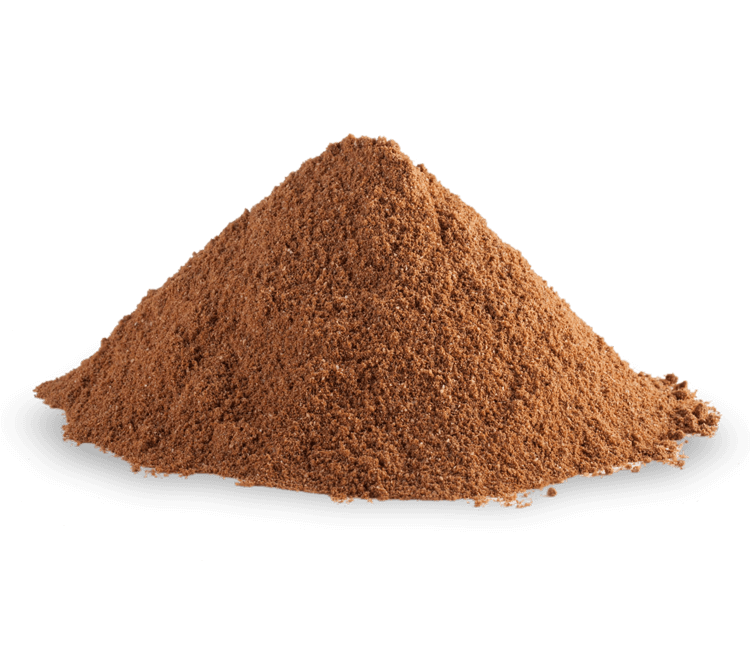
Industry standard practice is cooling meal to within 5-8°C of ambient before it touches a bag or silo — typically landing between 28-35°C in most climates. Go above that and you’re gambling with shelf stability. This isn’t arbitrary; it ties directly to the same thermal principles covered in our rendering temperature guide for animal by-product processing, where controlling heat at every stage — not just cooking — determines final product quality.
Why ‘Room Temperature’ Isn’t Precise Enough
Operators sometimes eyeball cooling by touch — if it feels cool to the hand, it’s fine. That’s a mistake. Surface temperature can read 40°C while the core of a meal pile sits at 65°C, because bulk meal insulates itself. You need a probe thermometer reading core temperature, not a guess based on the surface layer.

Rotary Drum vs. Counter-Flow vs. Fluidized Bed Coolers
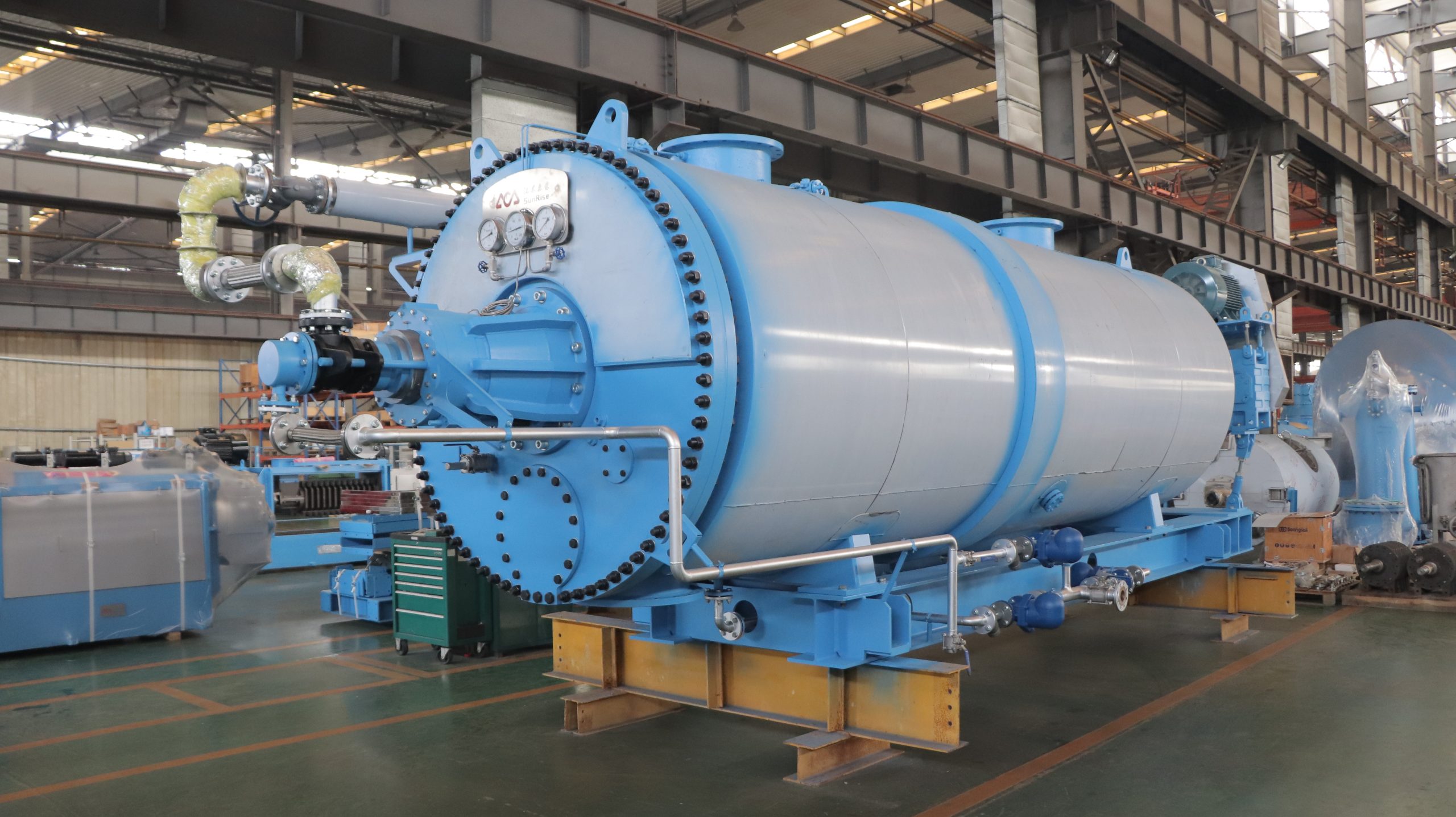
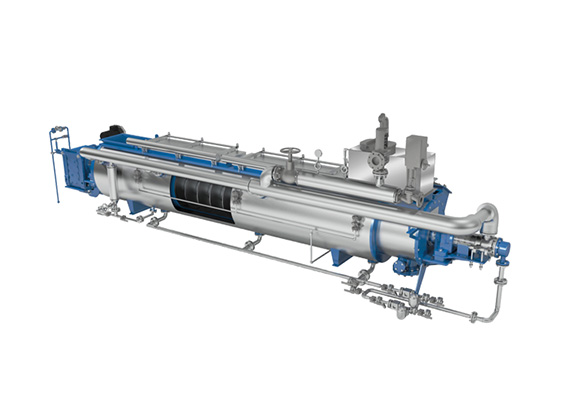
Not all coolers get you to target temperature the same way, and picking the wrong one for your throughput wastes energy and floor space. Rotary drum coolers tumble meal through ambient air pulled by fans — reliable and proven, but they’re bulky and use more power per ton processed. Counter-flow coolers, by contrast, let meal fall vertically through a rising column of cool air, using gravity instead of mechanical tumbling. That’s why they’re popular in retrofits where floor space is tight.
Fluidized bed coolers suspend fine particles in an air stream, which works well for meals with smaller particle sizes but can generate more dust if not paired with proper filtration. For most mid-size rendering operations processing meat, bone, or feather meal, counter-flow units hit the sweet spot between energy efficiency and cooling consistency.
Whichever system you choose, it needs to interface cleanly with your existing material handling — a poorly matched screw conveyor feeding into the cooler can create bottlenecks that leave meal sitting hot longer than it should.
Moisture Condensation: The Silent Silo Killer
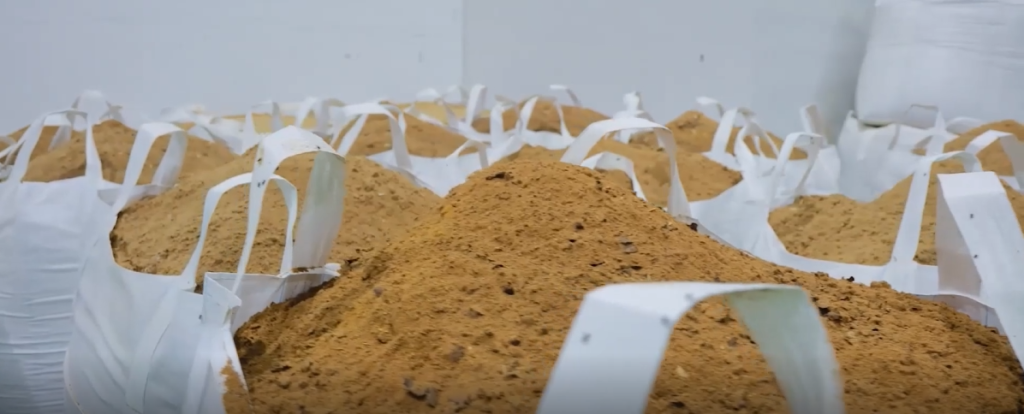
Here’s something a lot of plant managers miss: cooling meal too fast, or unevenly, can cause internal condensation even if the average temperature looks fine. When warm meal meets a cold silo wall, moisture in the air pocket condenses on that cold surface, creating localized wet spots. Those spots become mold colonies within days.
The fix is gradual, even cooling combined with proper aeration once the meal is in the silo — not just cooling it fast and dumping it in. Some operations pair cooling with evaporation concentration systems upstream to manage moisture load before it ever reaches the cooling stage, which reduces the condensation risk considerably.
Real-World Case: A Feed Mill’s Costly Shortcut
A mid-size feed ingredient supplier we worked with once tried to speed up throughput by shaving 15 minutes off their cooling cycle during a demand spike. The meal went into silos at around 55°C instead of the usual 32°C. Three days later, they had a hot spot registering 78°C at the silo core — dangerously close to autoignition territory for fat-rich meal. They had to empty the silo manually, in full protective gear, and lost nearly 40 tons of product to spoilage and safety disposal.
The lesson wasn’t complicated: cooling time isn’t the place to cut corners, even under production pressure. It’s cheaper to slow down for an hour than to lose a batch and risk a fire. This mirrors what we’ve seen in plants managing successful, well-controlled production case studies — the plants that stay profitable long-term are the ones that respect process timing, not the ones that rush it.
Fish Meal and Feather Meal: Higher-Risk Categories
Not all protein meals carry equal risk. Fish meal, with its high unsaturated fat content, is notoriously prone to oxidative self-heating — which is why cooling protocols for it are stricter than for meat and bone meal. We’ve covered this in detail in preventing fish meal oxidation through cooling and antioxidant dosing, and the same core principle applies here: unsaturated fats oxidize faster, generate more heat per unit mass, and need tighter temperature control.
Feather meal, by contrast, has lower fat content but higher residual moisture from the hydrolysis process, making it more prone to microbial regrowth than combustion. If you’re producing feather meal as a byproduct revenue stream — something we discuss in turning poultry feathers into feather meal revenue — cooling needs to target moisture reduction just as much as temperature.
Cooling Isn’t Just About Temperature — It’s About Airflow Design
A cooler that hits target temperature on paper can still fail in practice if airflow is poorly distributed. Uneven air distribution across a cooling bed creates ‘channeling,’ where air rushes through the path of least resistance and leaves pockets of meal barely cooled at all. This is a design and maintenance issue as much as an equipment choice issue.
What to Check During Commissioning
When a new cooling system goes online, airflow uniformity should be verified with a differential pressure test across the bed, not just an outlet temperature reading. This kind of verification step belongs in any thorough rendering plant commissioning checklist — skipping it means you won’t discover the channeling problem until you’ve already had a hot-spot incident.
Downstream Effects: Why Buyers Actually Test for This
International buyers of meat and bone meal or fish meal increasingly run free fatty acid (FFA) and peroxide value tests on incoming shipments specifically because improperly cooled meal shows elevated oxidation markers within weeks of production. A shipment that tested fine at the plant gate can arrive at a port three weeks later with FFA levels that trigger a rejection or price discount.
This is exactly why cooling discipline matters commercially, not just operationally. A plant with consistent, well-documented cooling processes builds a reputation buyers trust — which is part of why well-run livestock rendering operations command better pricing in export markets than plants with inconsistent quality control.