Poultry By-Product Meal Quality: How Raw Material Separation Changes the Final Product
Poultry By-Product Meal Quality: How Raw Material Separation Changes the Final Product
Poultry by-product meal quality is decided long before the raw material hits a cooker — it’s decided at the separation stage, where feathers, blood, bone, and soft offal either get sorted into distinct streams or dumped together into one undifferentiated mass. Plants that separate raw materials properly routinely hit 88-92% protein digestibility and single-digit ash content; plants that don’t often stall at 78-82% digestibility with ash creeping past 15%. That gap is the difference between a meal that commands pet food or aqua-feed pricing and one that barely clears feed-grade minimums.
Why Mixing Everything Together Is the Default Mistake
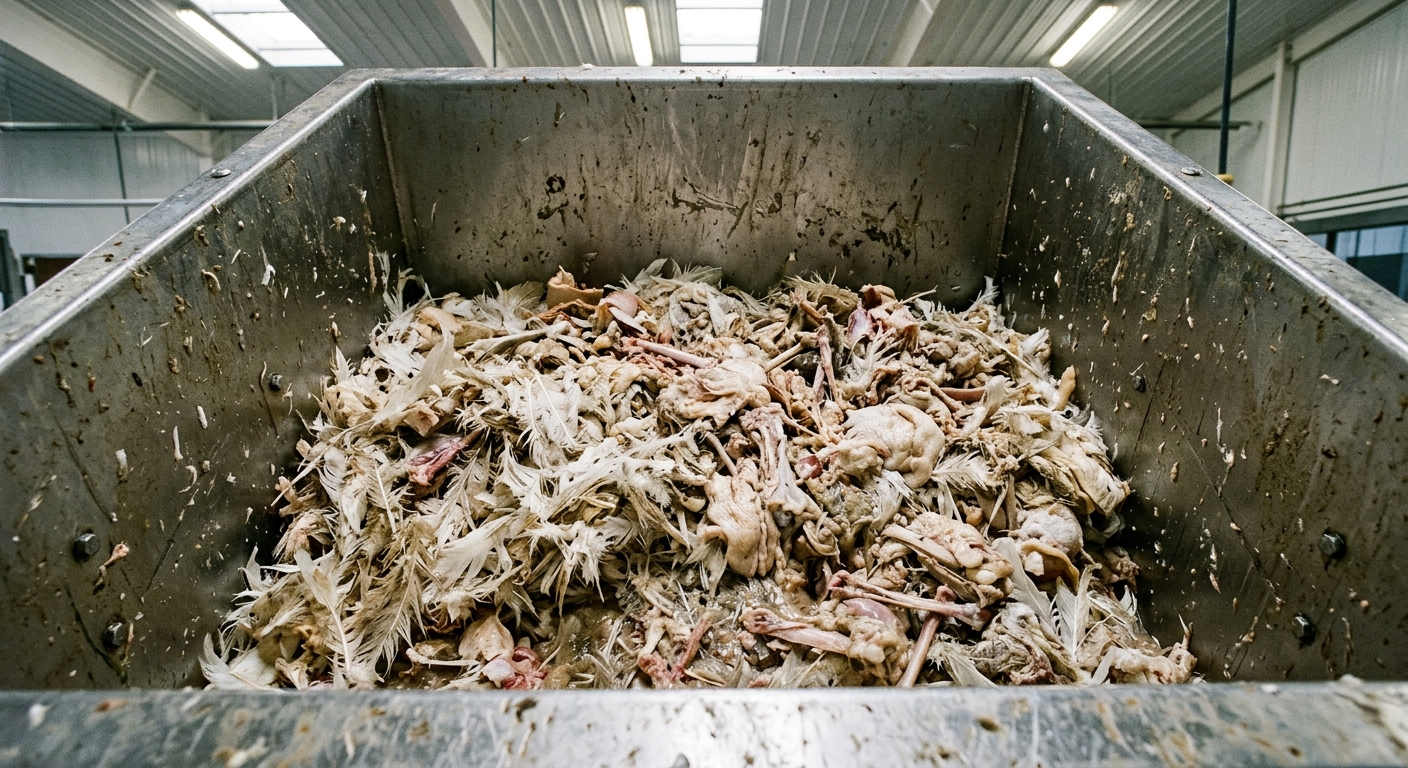
Here’s an uncomfortable truth: most small and mid-sized poultry rendering operations still throw feathers, viscera, heads, feet, and blood into the same intake hopper. It’s faster, it’s simpler, and it’s exactly why so much poultry by-product meal on the market tests mediocre.
Feathers are almost pure keratin — a protein structure that resists standard wet-rendering hydrolysis unless it’s pressure-cooked separately at higher temperature and longer residence time. Mix feathers in with soft tissue and organs, and you’re forced to choose: undercook the feathers (leaving indigestible keratin in the final meal) or overcook the soft tissue (denaturing amino acids and dragging digestibility down anyway). Neither choice is good. For a deeper look at handling feathers as their own value stream, see turning poultry feathers into feather meal revenue.
Bone fragments cause a parallel problem. Bone contributes mineral ash — useful in some feed formulations, a liability in others. When bone isn’t separated or crushed to a controlled particle size before cooking, ash content becomes unpredictable batch to batch, which is exactly the kind of inconsistency that gets a shipment rejected by a picky buyer.
The Four Streams That Should Never Be Combined
Separate poultry raw material into at least four distinct streams and you immediately unlock better control over the finished meal: feathers, blood, bone/frame, and soft offal (viscera, fat trim, skin).
Feathers
Processed alone via hydrolysis at higher pressure, feathers yield a high-protein feather meal with its own digestibility profile — distinct from body meal, and often sold as a separate SKU entirely.
Blood
Blood left in the general mix cooks into the meal as a dark, high-ash contaminant. Collected separately and either spray-dried or coagulated, it becomes blood meal — one of the highest-protein ingredients in the entire rendering portfolio, often exceeding 85% crude protein.
Bone and frame
Isolating bone lets you control crushing particle size before cooking, which directly manages calcium and phosphorus release — critical if the meal is destined for species-specific feed formulations where mineral ratios matter.
Soft offal
Viscera and fat trim cook fastest and most efficiently as their own stream, producing the cleanest, most digestible poultry by-product meal base.
This is the same logic covered in our piece on reducing ash in meat and bone meal through feedstock sorting — the principle transfers directly to poultry lines.

A Real-World Case: What Separation Did for One Mid-Sized Processor
A mid-sized poultry processor running roughly 40 tons of raw material per day used to run a single-stream system — everything, including feathers and blood, went into one continuous cooker line. Their meal consistently tested at 80% protein digestibility with ash around 16%, and buyers paid accordingly, treating it as a commodity feed-grade product.
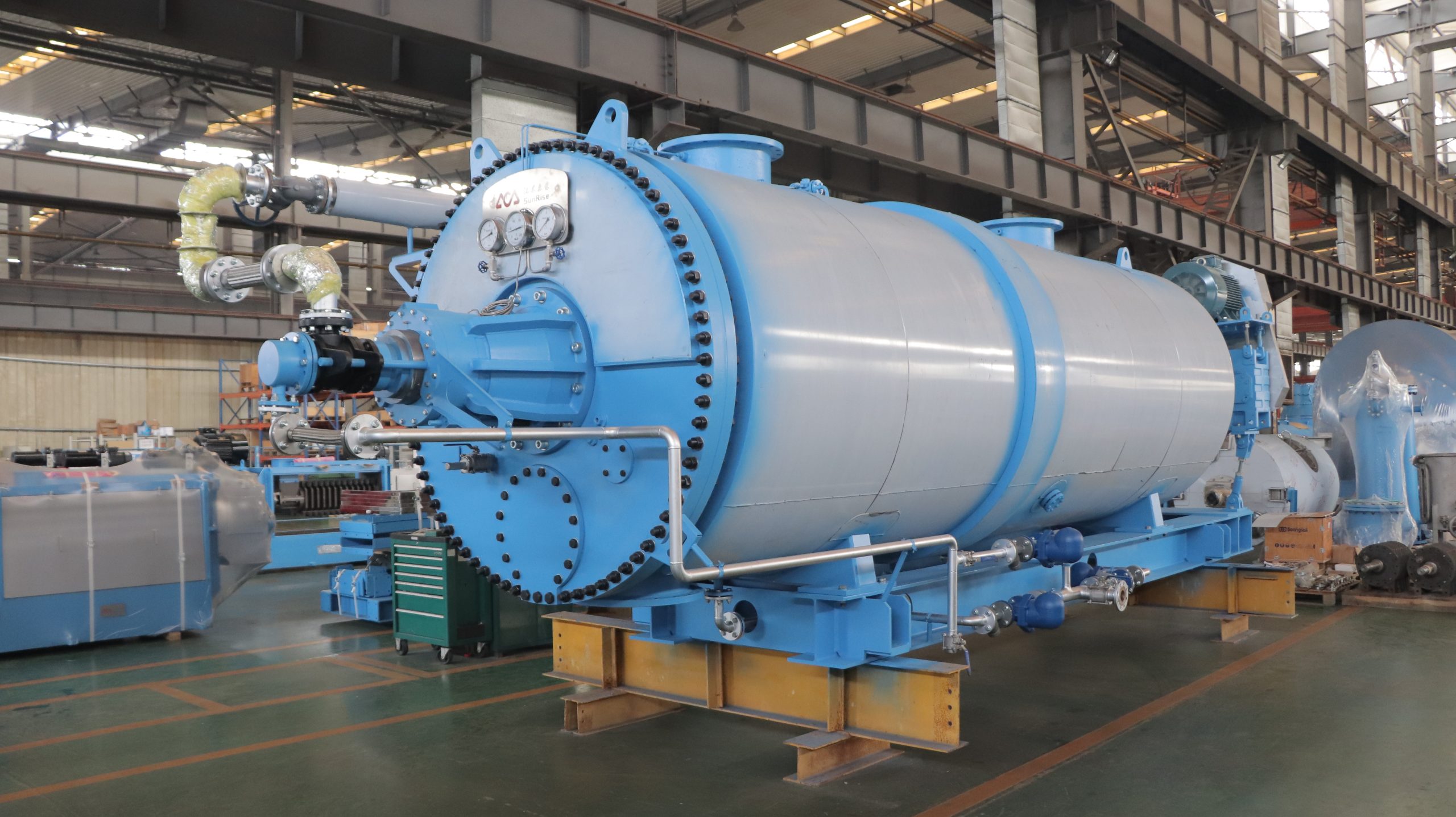
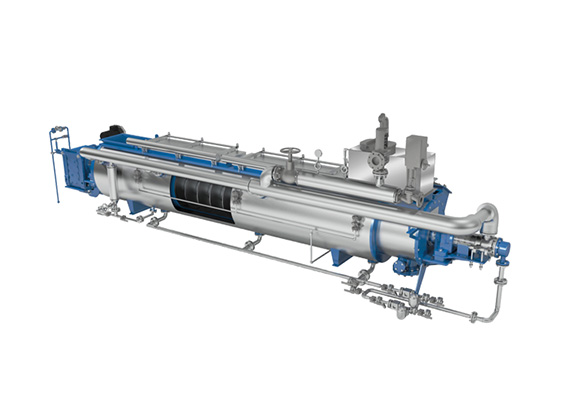
After retrofitting with a dedicated feather hydrolyser and a blood coagulation tank feeding a separate dryer, the same plant split output into three distinct products: feather meal, blood meal, and a cleaner poultry meat/bone meal. The meat/bone meal alone jumped to 89% digestibility with ash down to 6%. That single change moved the product from generic feed-grade pricing into a premium tier — and the blood meal, previously worthless contamination, became a standalone revenue line. This mirrors the retrofit logic in our rendering operations and production process overview.

How Particle Size Before Cooking Still Matters After Separation
Separation alone isn’t the finish line. Even within a single, well-sorted stream, particle size going into the cooker changes heat penetration and, by extension, protein quality.
Large chunks of soft offal cook unevenly — the exterior can scorch while the core stays undercooked, creating a meal with inconsistent digestibility within the same batch. The fix is straightforward: pre-size reduction via grinding or crushing to a uniform particle range (typically under 25mm for continuous cookers) before the material enters thermal processing. This is where equipment choice starts to matter — a properly specified screw conveyor feeding a sizing unit keeps flow consistent, which keeps cook time consistent.
Cooking Temperature Becomes a Variable You Can Actually Optimize
Once raw material is separated, you can stop compromising on cook parameters. A single-stream system forces one temperature and residence time to serve materials with wildly different protein structures — that’s a recipe for mediocrity by design.
Soft offal denatures and sterilizes well around 125-133°C for roughly 20-40 minutes depending on batch size. Feathers, by contrast, often need 140-145°C under pressure for closer to an hour to properly hydrolyze keratin bonds. Run both together and you either under-treat the feathers or degrade amino acids in the soft tissue through excess heat exposure — lysine and cystine are particularly heat-sensitive and their loss directly lowers the amino acid score buyers test for.
Separated streams let each material get its optimal treatment. This is a direct extension of the engineering discussed in cutting steam costs through engineering tweaks — better-targeted cooking isn’t just about quality, it also trims wasted steam on materials that didn’t need that much heat in the first place.
Where the Equipment Investment Actually Pays Back
Separation infrastructure isn’t free — a dedicated feather hydrolyser, blood coagulation and drying line, and bone crushing station represent real capital cost on top of a standard rendering line. So does it pay back?
Do the math on premium pricing spread. Feed-grade poultry meal at 80% digestibility might sell at a baseline commodity price; the same raw material split into feather meal, blood meal, and high-digestibility meat/bone meal can realize a 25-40% blended price premium across the three products combined, because each stream now targets a specific buyer — pet food, aquafeed, or premium livestock feed — rather than one generic feed-grade buyer for everything. For processors evaluating a new build or major retrofit, our overview on enhancing sustainability and nutrition with a meat meal rendering plant walks through the broader ROI picture, and the products page outlines the specific separation and hydrolysis equipment involved.
Quality Control Checkpoints That Confirm Separation Is Working
You don’t have to guess whether separation is paying off — test for it. Three checkpoints tell the real story:
- Ash content — target under 8% for premium poultry meal grades; anything above 12% usually signals bone or mineral contamination slipping through.
- Pepsin digestibility — run standard AOAC pepsin digestibility assays; premium buyers typically require 87%+ before they’ll pay top price.
- Volatile nitrogen and free fatty acid levels — these flag whether raw material sat too long before processing, which separation logistics can inadvertently cause if one stream backs up while another is processed first.
Run these tests batch by batch, not just monthly averages — separation problems tend to show up as sudden spikes tied to specific shifts or supplier deliveries, and averaging hides exactly the signal you need to catch.