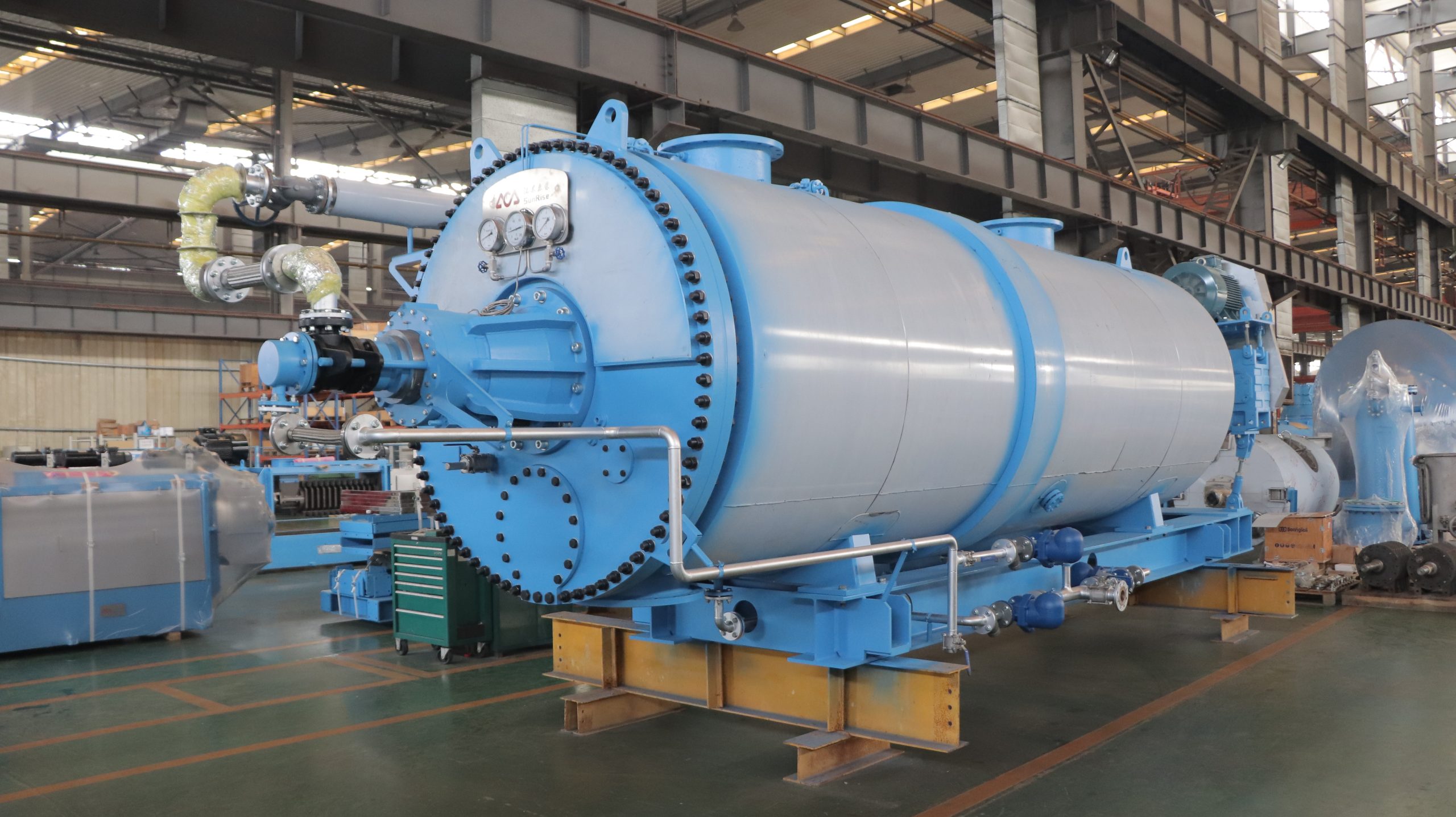
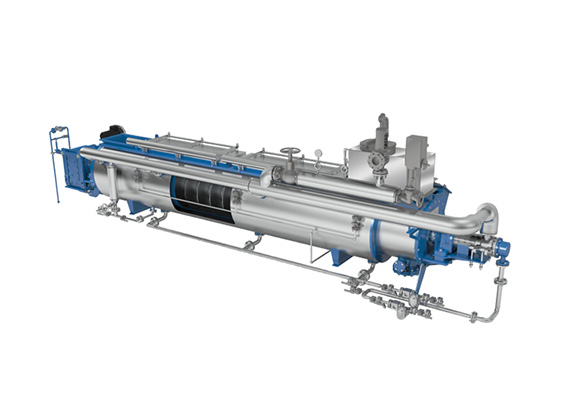
Wie Feuchtigkeit, Temperatur und Partikelgröße die Endproduktqualität von Tierfuttermehlen beeinflussen
Wie Feuchtigkeit, Temperatur und Partikelgröße die Endproduktqualität von Tierfuttermehlen beeinflussen
Feuchtigkeit, Temperatur und Partikelgröße sind die drei Prozessvariablen, die entscheiden, ob Ihr Tierfuttermehl zu einem Premiumpreis verkauft wird, den Marktdurchschnitt erreicht oder als fehlerhaft rabattiert wird. Zielen Sie auf eine Endfeuchtigkeit von 6–8 %, kochen Sie zwischen 133–140 °C zur Sterilisation ohne Versengung, und streben Sie eine gleichmäßige Partikelverteilung von 1,5–2,5 mm an – verpassen Sie eines dieser Fenster, und Sie zahlen in Form von Proteinverdaulichkeit, Haltbarkeit oder zurückgewiesenen Chargen. Der Rest dieses Artikels erläutert den Mechanismus hinter jeder Variablen, die relevanten Zahlen und die Geräteanpassungen, die die Grenzen einhalten.
Warum diese drei Variablen alles andere überwiegen
Aschegehalt, Fettrückstand, Aschefarbe – Käufer werden all dies prüfen. Aber Asche ist weitgehend eine Funktion der Rohmaterialzusammensetzung, die Sie nach Ankunft des LKWs nicht einfach ändern können. Feuchtigkeit, Temperatur und Partikelgröße sind anders: Sie sind in Echtzeit steuerbar, und sie beeinflussen direkt die beiden Spezifikationen, für die Futtermittelhersteller tatsächlich zahlen – Pepsinverdaulichkeit und Hg/Salmonellen-Sicherheit.
Stellen Sie es sich so vor. Eine Charge Fleisch- und Knochenmehl mit 12 % Feuchtigkeit und ungleichmäßiger Mahlung kann auf dem Papier denselben Rohproteingehalt aufweisen wie eine Premium-Charge. Aber der Rezepturverantwortliche, der Proben zieht, wird sie ablehnen, weil die Bioverfügbarkeit der Aminosäuren nicht stimmt und die Säcke bei der Lagerung schimmeln. Gleiches Protein, halber Preis.
Für einen tieferen Hintergrund zum Gesamtprozess bietet unser Überblick über Fleischverarbeitung und ihre Verwendungen den vorgelagerten Kontext. Hier konzentrieren wir uns auf die drei Stellschrauben, die die Produktqualität bestimmen.
Feuchtigkeit: Die 8%-Grenze, die Premium von Rabatt trennt
Wenn Sie nur eine Variable optimieren, machen Sie es zur Feuchtigkeit. Die endgültige Mehlfeuchtigkeit steht im Zentrum eines Dreiecks: zu hoch führt zu Schimmel, Verklumpung und schneller Lipidoxidation; zu niedrig haben Sie unnötig Energie verbrannt und gleichzeitig Lysin und Methionin abgebaut.
Das Betriebsfenster
- 6–8 % Feuchtigkeit: der optimale Bereich. Mikrobiell stabil für 6+ Monate unter normalen Lagerbedingungen, leicht zu mahlen, rieselfähig durch Schneckenförderer.
- 8–10 %: akzeptabel für kurzfristige Märkte, aber achten Sie auf Verklumpung in feuchten Klimazonen über 70 % relativer Luftfeuchtigkeit.
- >10 %: Ablehnungsbereich. Aspergillus- und Penicillium-Populationen explodieren innerhalb von 2–3 Wochen. Aflatoxin-Risiko folgt.
- <5 %: übergetrocknet. Sie haben für Dampf bezahlt, den Sie nicht brauchten, und die Maillard-Reaktionen während des Übertrocknens blockieren Lysin – die Pepsinverdaulichkeit sinkt um 3–6 Punkte.
Wo Feuchtigkeit tatsächlich verloren geht
In einer Nassverarbeitungslinie werden etwa 60–65 % der Gesamtfeuchtigkeit im Kocher entfernt, 20–25 % im Dekanter oder in der Presse und die letzten 10–15 % im Trockner. Wenn Ihr Endmehl ständig über 9 % liegt, ist die Lösung selten „länger trocknen“ – sondern meist vorgelagert. Ein abgenutzter Dekanterschneckenförderer, niedriges Kochervakuum oder ungleichmäßige Rohmaterialfeuchtigkeit belasten den Trockner über seine Auslegungslast.
Zum Beispiel arbeiteten wir mit einem Geflügelverarbeiter zusammen, der in den Sommermonaten ständig 11–13 % Endfeuchtigkeit sah. Die Kochermessungen sahen normal aus, aber ihre Nassverarbeitungslinie für Fleisch- und Knochenmehl erhielt Rohmaterial, das 8+ Stunden in der Hitze im Freien zwischengelagert worden war. Der freie Wassergehalt war 4 % höher als im Winter. Die Lösung war nicht mehr Trocknung – sondern ein gekühlter Pufferbehälter.
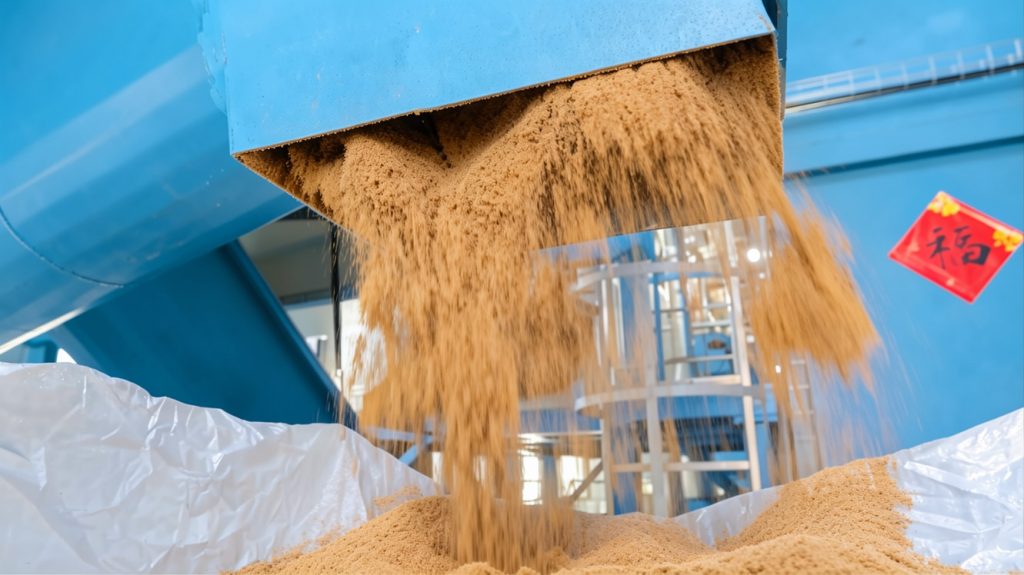
Temperatur: Sterilisation vs. Proteinschädigung
Hier liegt das Kernproblem aller Verarbeitungsbetriebe: Die Aufsichtsbehörden schreiben einen validierten, zeit- und temperaturabhängigen Pathogenreduktionsschritt vor (Standard-EU-Anforderungen: 130–140 °C, 20 Minuten bei 3 bar Druck), doch rohe Proteine werden abgebaut, wenn sie diese thermische Schwelle überschreiten, was die Aminosäureintegrität beeinträchtigt. Dies hinterlässt ein extrem enges Verarbeitungsfenster. Die meisten Qualitätsmängel entstehen, wenn Anlagenbetreiber das Material übermäßig behandeln, in der Annahme, dass „härtere Behandlung gleich sicherere Sterilisation bedeutet“.
Was Hitze mit Protein macht
Oberhalb von 140 °C beschleunigen sich zwei Reaktionen stark:
- Maillard-Bräunung: Lysin reagiert mit reduzierenden Zuckern und wird biologisch unverfügbar. Jede 10 °C über 140 °C verdoppelt die Reaktionsgeschwindigkeit ungefähr.
- Oxidation schwefelhaltiger Aminosäuren: Methionin und Cystin – bereits limitierend in vielen Futtermittelrezepturen – werden oberhalb von 145 °C abgebaut, insbesondere unter aeroben Bedingungen.
Bei 155 °C und längerer Verweilzeit können Sie 8–15 % des verfügbaren Lysins verlieren, verglichen mit dem gleichen Rohmaterial, das bei 135 °C verarbeitet wird. Das ist der Unterschied zwischen einem Mehl mit 88 % Pepsinverdaulichkeit und einem, das nur 79 % erreicht.
Die Kontrollstrategie, die tatsächlich funktioniert
Jagen Sie keinem einzelnen Sollwert hinterher. Profilieren Sie den Kochprozess:
- Auf 95 °C hochfahren, um die Zellen aufzubrechen und Feuchtigkeit freizusetzen.
- Bei 130–140 °C lange genug halten, um die Sterilisationsanforderung zu erfüllen (typischerweise 18–22 Minuten Kerntemperatur).
- Entlüften und entladen – lassen Sie die Charge nicht bei hoher Temperatur verweilen, während Sie auf den nächsten Prozessschritt warten.
Der dritte Punkt ist der, bei dem viele Anlagen leise an Qualität verlieren. Wenn der Kocher fertig ist, aber der Dekanter blockiert, bleibt das Produkt weitere 30–40 Minuten bei 130 °C+ stehen. Diese „unsichtbare“ Verweilzeit ist der Ort, an dem Lysin stirbt. Die Durchsatzbilanzierung ist genauso wichtig wie der Sollwert selbst.
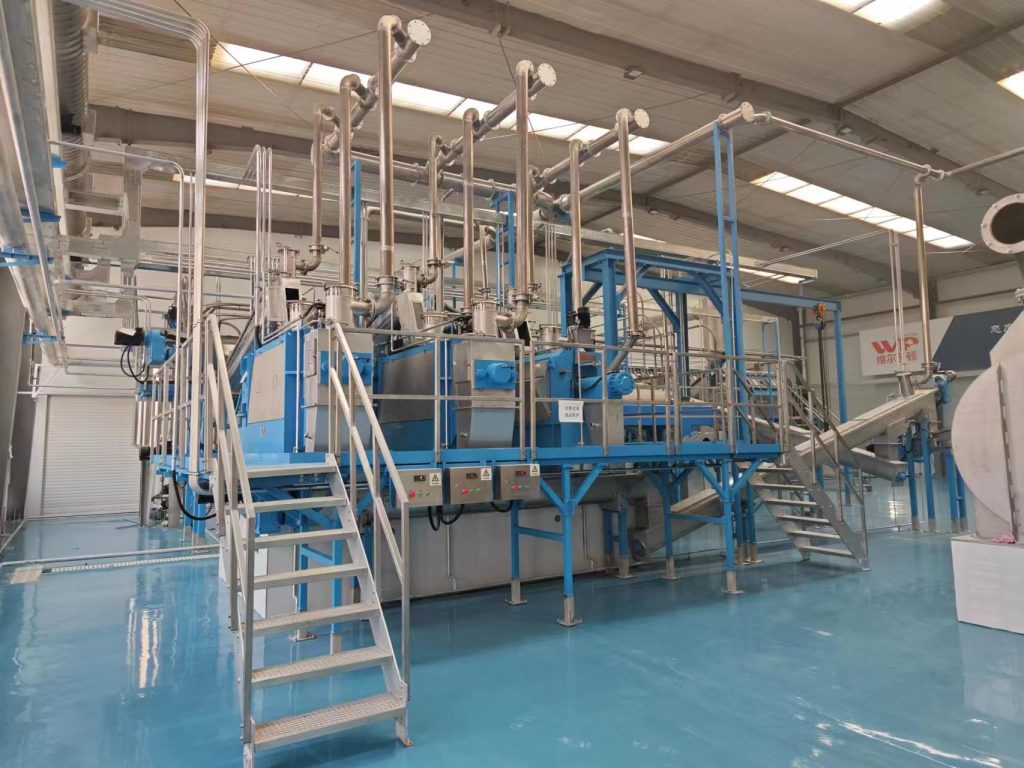
Partikelgröße: Die Spezifikation, die Käufer am meisten interessiert
Rohprotein erhält die gesamte Aufmerksamkeit in den Spezifikationsblättern, aber die Partikelgrößenverteilung ist das, was Futtermühlen überprüfen, wenn sie entscheiden, ob sie wieder bei Ihnen kaufen. Der Grund: Eine gleichmäßige Partikelgröße bedeutet eine gleichmäßige Mischung in Mischfuttermitteln, vorhersagbare Pelletqualität und keine Entmischung während des Transports.
Zielverteilung
Für die meisten Geflügel- und Aquafutteranwendungen:
- 90 % durch ein 2,5 mm Sieb
- <10 % Feinanteil unter 0,5 mm (Überhöhte Feinteile verursachen Staubverluste und Probleme mit Pelletbindemitteln)
- Kein Überkorn über 4 mm (Knochenfragmente bringen Mischerwaagen und Pelletmatrizen aus dem Gleichgewicht)
Wo das Mahlen schiefgeht
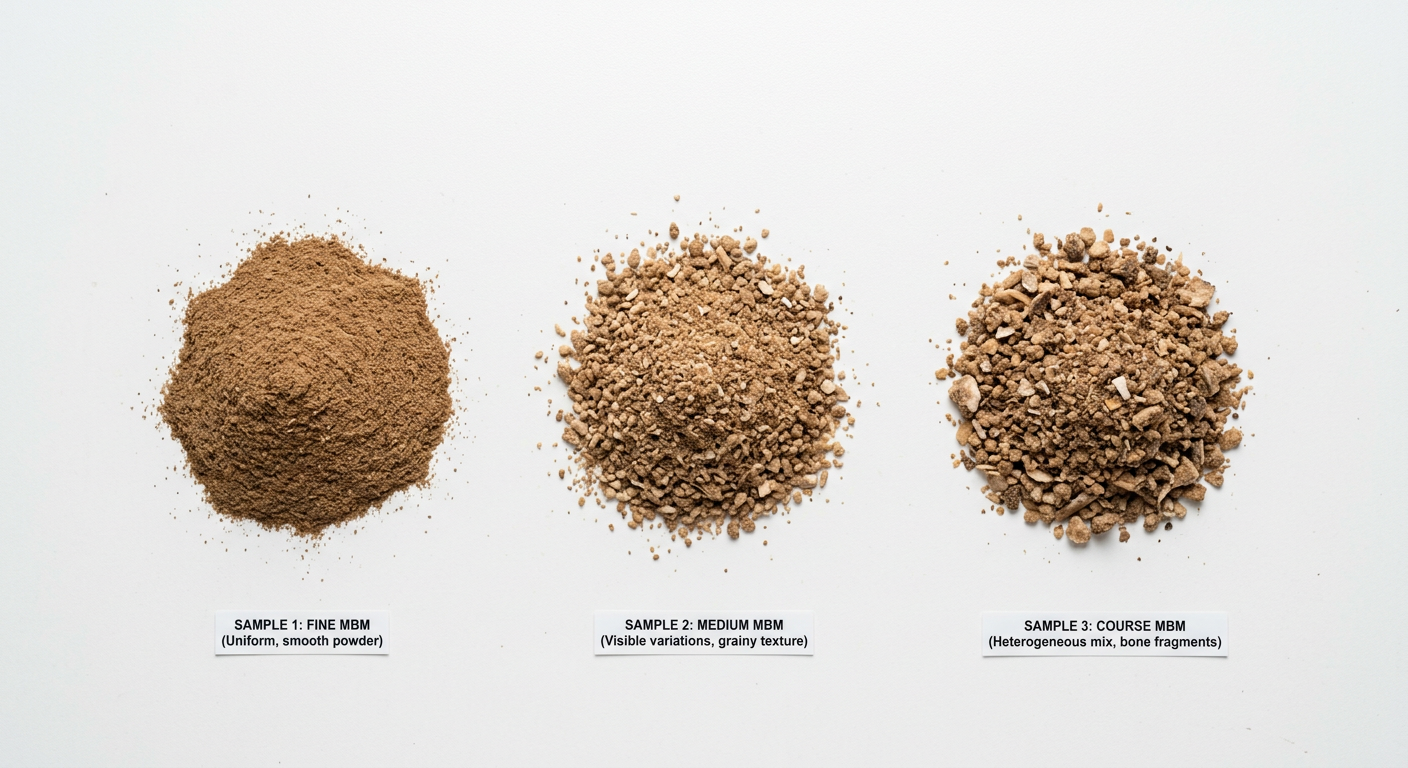
Zwei Fehler dominieren. Erstens betreiben Betriebe zu grobe Hammermühlsiebe, um Energie zu sparen – und dann wird ihr Schrot wegen Überkorn zurückgewiesen. Zweitens verwenden sie zu feine Siebe und erzeugen übermäßige Feinteile sowie Hitzeschäden während des Mahlvorgangs selbst (ja, eine heiße Hammermühle kann bereits gegartes Protein erneut schädigen).
Der richtige Ansatz ist ein zweistufiges System: ein Primärbrecher, der Knochenfragmente auf unter 5 mm zerkleinert, dann eine Hammermühle mit einem 2–3 mm Sieb. Ein richtig dimensioniertes Knochenbrecher-Setup vorgeschaltet nimmt enormen Druck von der Endmühle und sorgt für eine wesentlich gleichmäßigere Ausbringung.
Wie die drei Variablen interagieren
Die Falle, in die die meisten Betreiber tappen: Sie behandeln Feuchtigkeit, Temperatur und Partikelgröße als drei unabhängige Stellhebel. Das sind sie nicht. Jeder verstärkt oder verdeckt die anderen.
Feuchtes Mehl mahlt schlecht
Versuchen Sie, ein Schrot mit 11 % Feuchtigkeit zu mahlen, und Ihre Siebe werden innerhalb von Stunden blind. Die Mühle reagiert, indem sie härter arbeitet, Wärme erzeugt, und Sie haben nun einen vierten Qualitätseinbruch bei bereits grenzwertigem Material eingeführt. Sorgen Sie zuerst für die richtige Feuchtigkeit, und das Mahlen erledigt sich von selbst.
Überkochtes Mehl sieht trocken aus
Betreiber interpretieren manchmal „sieht trocken aus, fühlt sich trocken an“ als Feuchtigkeitsmesswert, ohne mit einem Messgerät zu prüfen. Eine verbrannte Charge kann 4 % Feuchtigkeit anzeigen und die Sichtprüfung bestehen – aber das gebundene Wasser ist zusammen mit dem Lysin verschwunden. Verwenden Sie immer ein kalibriertes NIR-Gerät oder eine Ofenmethode, nicht nur einen Blick.
Feinanteile treiben Feuchtigkeitsschwankungen
Übermäßige Feinteile nehmen Umgebungsfeuchtigkeit schneller auf als gröbere Partikel. Ein Schrot, das das Werk mit 7 % verlässt, kann zwei Wochen später im Kundensilo 9 % anzeigen, wenn es zu 25 % aus Feinteilen besteht und in einem feuchten Hafen gelagert wurde. Die Partikelgröße bestimmt also direkt, wie sich Ihre Feuchtigkeitsspezifikation in der Praxis verhält.
Praxisfall: Eine 150-TPD-Anlage gewinnt 11 % beim Verkaufspreis zurück
Ein mittelgroßer Geflügelverarbeitungsbetrieb in Südostasien verkaufte Fleisch- und Knochenmehl für etwa 20 $/Tonne unter dem regionalen Referenzpreis. Der Rohproteingehalt war in Ordnung – durchschnittlich 52 % – aber zwei Futtermühlen hatten sie herabgestuft, nachdem sie wiederholt wegen hoher Feuchtigkeit und ungleichmäßiger Mahlung zurückgewiesen worden waren.
Das Audit ergab drei sich verstärkende Probleme:
- Die endgültige Feuchtigkeit lag im Durchschnitt bei 9,8 %, wobei Chargen auf 12 % abwichen.
- Die Gar-Temperatur wurde „aus Sicherheitsgründen“ bei 148 °C gehalten – die Pepsin-Verdaulichkeit wurde mit 81 % getestet.
- Die Hammermühle lief mit einem 4-mm-Sieb; 18 % des Produkts waren übergroße Knochenfragmente.
Die Korrekturen waren unspektakulär:
- Ausgetauschte verschlissene Dekantierschnecke → Pressfeuchte um 3 Punkte gesunken → Trockner nicht mehr überlastet → Endfeuchte bei 7,2 % stabilisiert.
- Gartemperatur auf 136 °C gesenkt mit einer bestätigten 20-minütigen Haltezeit → Verdaulichkeit auf 86 % gestiegen.
- Vorbrecher hinzugefügt und Hammermühlen-Sieb auf 2,5 mm reduziert → Übergröße unter 2 % gefallen.
Sechs Monate später verkaufte das Werk in einen Premium-Vertrag zum regionalen Referenzpreis plus 4 % – eine effektive Schwankung von 35 $/Tonne bei einer Jahresproduktion von etwa 45.000 Tonnen. Die Amortisation der Investition lag unter fünf Monaten.
Instrumentierung, die sich tatsächlich auszahlt
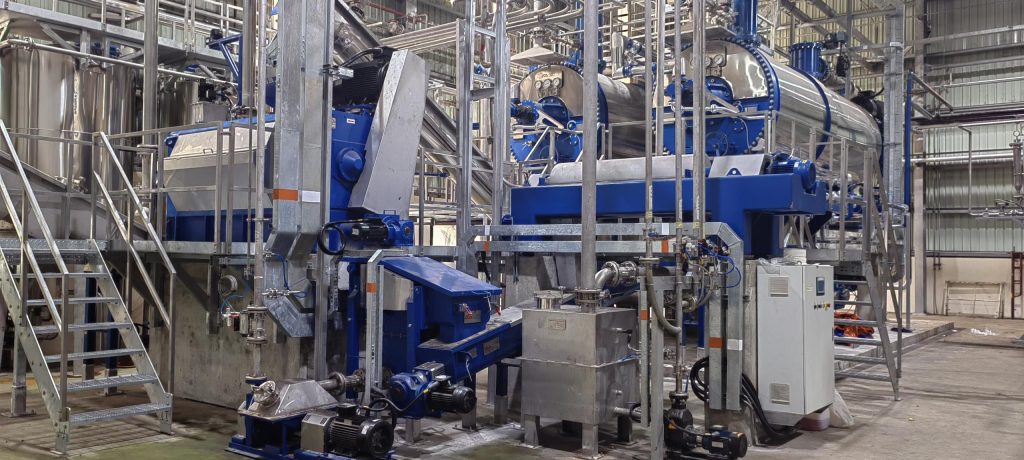
Man kann nicht kontrollieren, was man nicht misst – aber man braucht auch kein 200.000-Dollar-Labor, um diese drei Variablen gut zu managen. Die minimale sinnvolle Instrumentierung:
- Inline-NIR-Feuchtigkeitssensor am Trocknerauslass. Echtzeit-Feedback schlägt stündliche Stichproben bei weitem. ROI in der Regel unter 12 Monaten bei Anlagen über 50 TPD.
- Mehrpunkt-Temperaturkartierung des Kochers (oben, Mitte, unten des Behälters) – nicht nur die Dampfmantelablesung. Die Dampftemperatur lügt; die Kerntemperatur des Produkts nicht.
- Wöchentliche Siebanalyse mit einem einfachen Stapel aus 4-mm-, 2,5-mm-, 1-mm- und 0,5-mm-Sieben. Zehn Minuten Arbeit, die Mahlabweichungen erkennt, bevor Kunden es tun.
- Monatlicher Pepsin-Verdaulichkeitstest in einem externen Labor. Dies ist Ihr ehrliches Zeugnis darüber, ob Ihre Temperaturkontrolle tatsächlich funktioniert.
Für Anlagen ohne interne Qualitätskontrolle fängt eine vierteljährliche Prozessprüfung in Partnerschaft mit dem Ausrüstungslieferanten in der Regel Abweichungen ab, bevor sie zu einer Kundenbeschwerde werden. Wir tun dies für Kunden in unseren Installationen von Tierkörperverwertungsanlagen und dieselben Prinzipien gelten für Fisch-, Feder- und Blutmehllinien.
Zusammenfassung: Ihre Betriebs-Checkliste
Wenn Sie eine Seite wollen, die an die Kontrollraumwand geklebt wird, dann ist es diese:
- Feuchteziel: 7% ± 1%. Messen am Trocknerauslass, nicht an einem eine Stunde später entnommenen Beutel.
- Gartemperatur: Kerntemperatur 133–138 °C, 20 Minuten bestätigte Haltezeit. Produkt niemals bei über 130 °C im Leerlauf lassen, während auf nachgelagerte Anlagen gewartet wird.
- Partikelgröße: 90 % durch 2,5 mm, <10 % Feinanteil, kein Überkorn. Vorzerkleinerung vor der Hammermahlung.
- Energiedisziplin: Trocknen über 6 % Feuchte hinaus verbrennt Geld und schädigt Protein. Hören Sie auf, „extra trocken“ als Qualitätssignal zu verfolgen.
- Durchsatzbilanz: Engpässe nach dem Kocher verursachen unsichtbare Qualitätsverluste. Gleichen Sie die Linie aus, treiben Sie nicht nur das vordere Ende an.
Die Qualität von Tierfuttermehl ist kein Geheimnis – sie ist die disziplinierte Steuerung von drei Variablen, jede Schicht, jede Charge. Anlagen, die diese Fenster konsequent einhalten, erzielen Preisaufschläge von 10–15 % und sichern sich wiederkehrende Verträge mit den größten Futtermühlen. Diejenigen, die das nicht tun, konkurrieren letztlich nur über den Preis im Discount-Segment.
Wenn Sie eine Linie aufrüsten, eine Qualitätsabweichung beheben oder eine neue Anlage planen, kann das Sunrise Rendering Engineering Team Ihre Feuchte-, Temperatur- und Partikelgrößenkontrolle im Rahmen einer Prozessüberprüfung auditieren. Mit vielen Jahren abgeschlossener Installationen und integrierter europäischer Technologie hinter uns haben wir die meisten Fehlermodi gesehen – und teilen gerne, was funktioniert. Beginnen Sie mit unserer umfassenden Überprüfung von Rendering-Anlagenkonfigurationen oder kontaktieren Sie uns für ein standortspezifisches Gespräch.