Preventing Fish Meal Oxidation: Cooling, Antioxidant Dosing, and Storage Control
Preventing Fish Meal Oxidation: Cooling, Antioxidant Dosing, and Storage Control
Fish meal oxidation is prevented by hitting three targets at once: cooling the meal below 35°C immediately after drying, dosing antioxidant into the still-warm meal before it goes to storage, and controlling warehouse temperature and pile depth afterward. Miss any one of these and the fat fraction starts oxidizing within hours — not weeks — because fish oil is loaded with polyunsaturated fatty acids that react with oxygen almost as fast as you can bag them. Get all three right, and you can hold peroxide values low enough to satisfy premium aquafeed buyers for months.
Why Fish Meal Oxidizes Faster Than Almost Any Other Rendered Protein
Here’s the uncomfortable truth: fish oil oxidizes 5 to 10 times faster than beef tallow or poultry fat. Why? Omega-3 and omega-6 fatty acids — the same ones that make fish meal so valuable nutritionally — have multiple double bonds that react readily with oxygen. Every double bond is a weak point where free radicals can attack.
That reaction doesn’t just degrade nutritional value. It’s exothermic. A pile of freshly dried, un-stabilized fish meal can generate enough internal heat through auto-oxidation to reach ignition temperature. Fish meal warehouse fires aren’t rare industry folklore — they’re a documented, recurring cause of loss in the reduction fishery sector, and they almost always trace back to skipped cooling or under-dosed antioxidant.
The Self-Heating Chain Reaction
Oxidation releases heat → heat accelerates the reaction rate → faster reaction releases more heat. Left unchecked, this loop can push a stockpile’s core temperature past 200°C within days. If you’ve ever wondered why fish meal specifications obsess over antioxidant ppm and moisture content, this is why.
Cooling: The First and Most Underrated Control Point
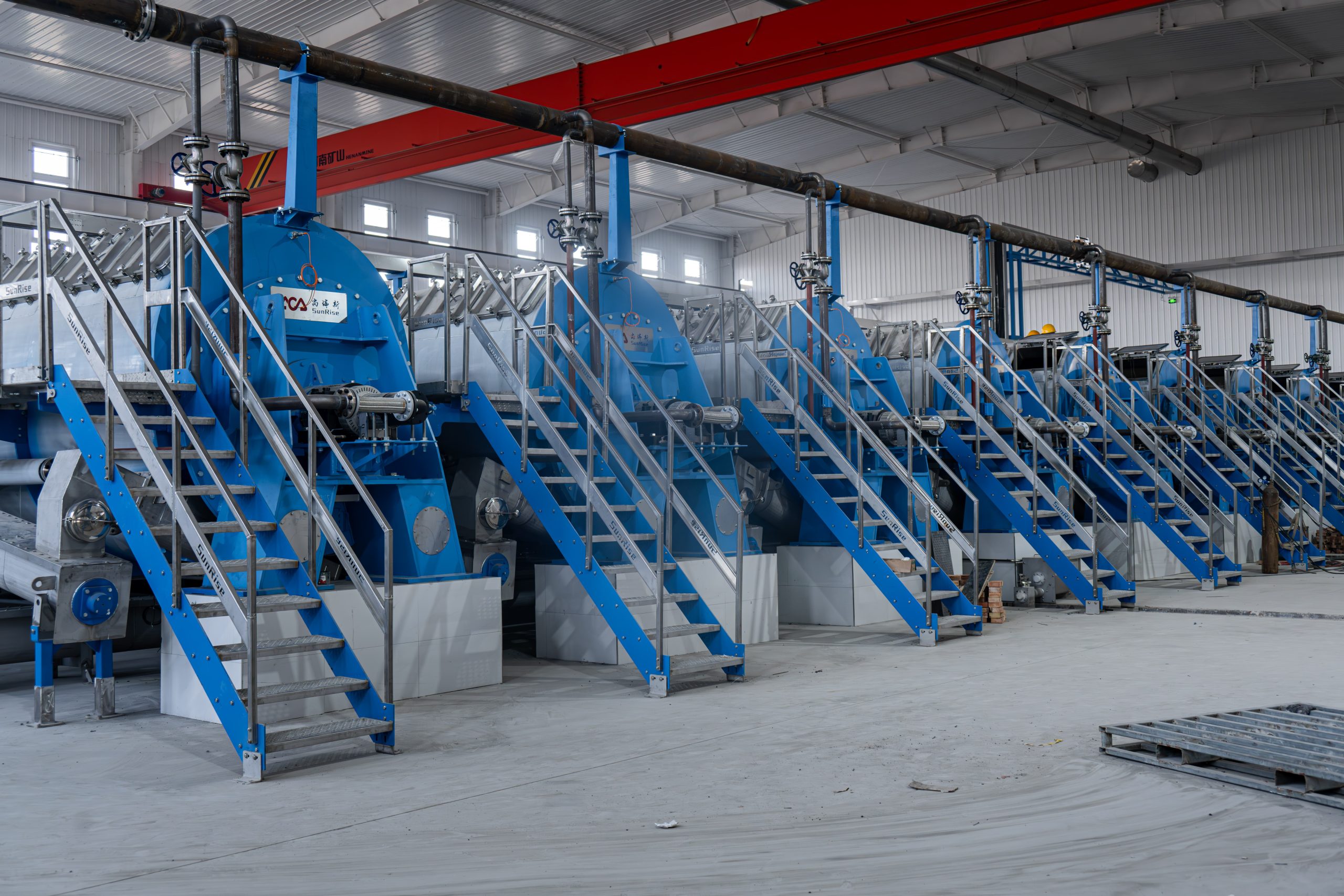
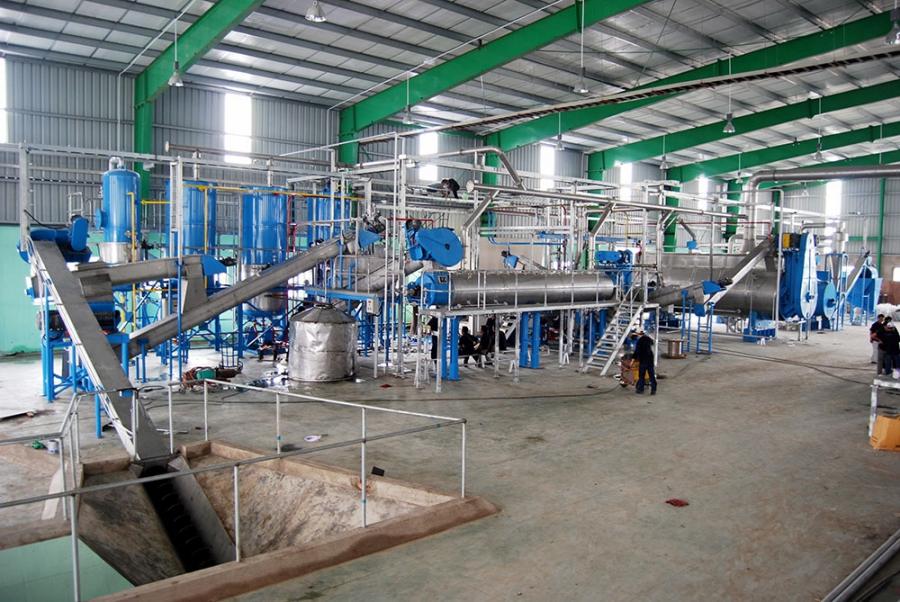
Meal leaving the dryer typically sits between 80-100°C. That’s exactly the temperature range where oxidation kicks into high gear, since heat accelerates fat radical formation. The fix is mechanical, not chemical: cool the meal to below 35°C before it touches storage, using counter-flow air coolers or fluid-bed coolers sized for your throughput.
Common Mistake: Undersized Coolers
Plants that scale up dryer capacity without upgrading the cooler are asking for trouble. If meal is only cooled to 50-60°C before bagging, you’ve left a 20-25°C oxidation head start baked in — and no amount of antioxidant fully compensates for that thermal load. A well-run fish meal plant treats cooling capacity as a hard constraint on production rate, not an afterthought.
For instance, one mid-sized reduction plant we’ve worked with was chasing higher dryer throughput and kept hitting quality complaints on peroxide value. The dryer wasn’t the bottleneck — the cooler was. Adding a second-stage fluid-bed cooler dropped discharge temperature by 18°C and cut peroxide value growth in storage by more than half.
Antioxidant Dosing: Timing Matters More Than Chemistry
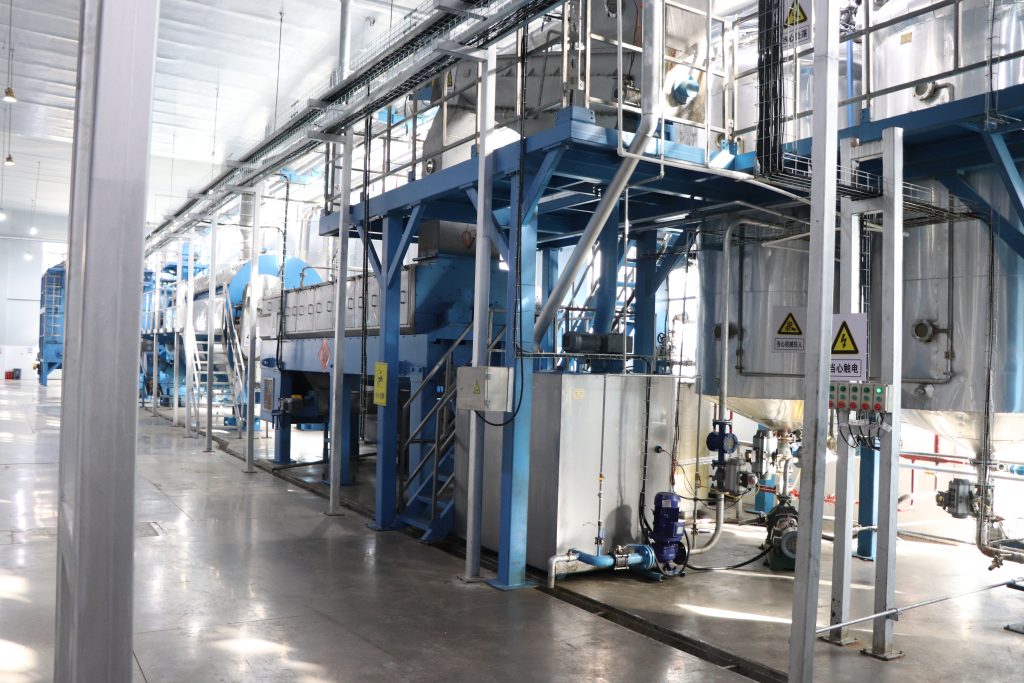
Dose antioxidant into the meal while it’s still warm — ideally right after the cooler, above 40°C — because antioxidants need residual heat and moisture to disperse evenly through the fat matrix. Dose too late, once the meal is cold and dense, and you get uneven distribution: some particles protected, others left exposed.
Getting the Dose Rate Right
Under-dosing is the most common failure mode. A meal running 10-12% fat needs antioxidant dosed on the high end of the range, not the label minimum. Ethoxyquin at 150 ppm might be fine for a 6% fat meal but is inadequate for anchovy meal pushing 12% fat — you’d want closer to 350-400 ppm there.
- Measure actual fat content batch-by-batch, not from a seasonal average
- Recalibrate dosing pumps monthly — drift of even 10% throws off ppm targets
- Use inline mixing or spray systems, not manual pour-on, for consistency
Export markets add another layer: the EU restricts ethoxyquin usage, so meal destined there often needs a natural antioxidant blend, dosed at higher rates to compensate for weaker long-term performance.
Storage Control: Where Most Oxidation Damage Actually Happens
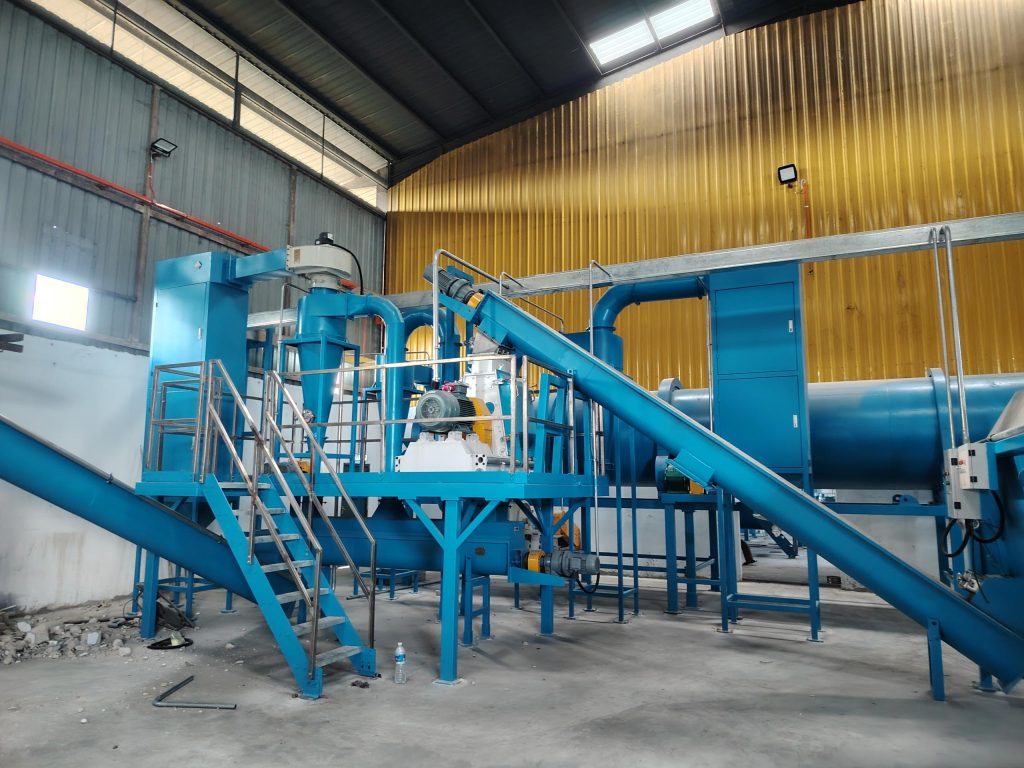
Even perfectly cooled, perfectly dosed meal will oxidize if storage conditions are wrong. Three variables matter most: pile depth, ambient temperature, and airflow.
Pile Depth and Heat Buildup
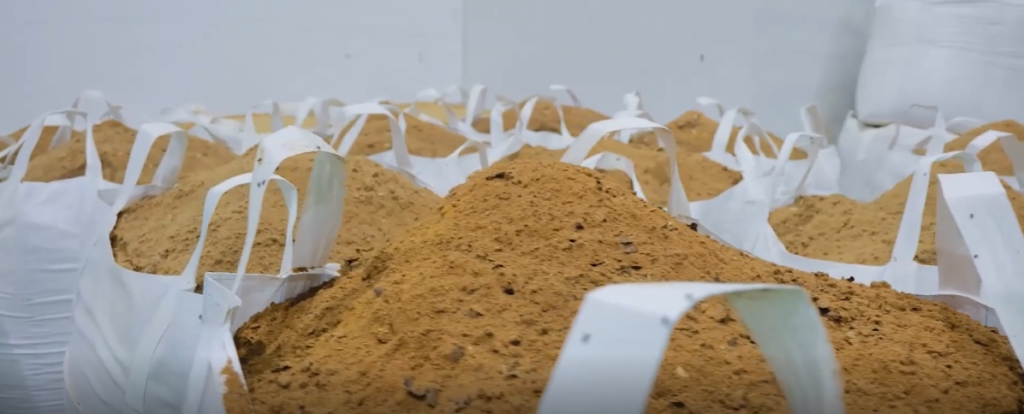
Meal stacked deeper than 3-4 meters loses the ability to dissipate residual heat passively. Deep piles trap warmth at the core, creating localized hot spots that accelerate oxidation independently of whatever antioxidant you dosed. Warehouses handling high-volume seasonal catches should favor wider, shallower storage over tall silos when possible.
Temperature Monitoring Isn’t Optional
Install thermocouples at multiple pile depths and check them daily during the first two weeks after production — that’s the highest-risk window. A temperature rise of more than 5°C above ambient over 48 hours is an early warning sign that oxidation is accelerating and the batch needs to be turned, spread, or re-cooled.
This is closely tied to the broader plant design question of throughput versus holding capacity, something we cover in our guide to choosing rendering factory machines — storage sizing decisions made at the design stage determine how much oxidation risk you’re locked into for the plant’s life.
Moisture: The Variable Everyone Underestimates
Moisture above 10% doesn’t just risk microbial spoilage — it also promotes hydrolytic rancidity, a separate degradation pathway from oxidative rancidity that antioxidants don’t touch. If your peroxide values look fine but free fatty acid levels are climbing, moisture control, not antioxidant dosing, is your problem.
Target moisture for stable long-term storage sits between 6-10%. Below 6%, meal becomes brittle and dusty, increasing surface area exposed to oxygen — ironically raising oxidation risk from the opposite direction. It’s a narrow band, and getting there consistently depends on dryer control precision, something well-tuned PLC-based control systems handle far more reliably than manual adjustment.
Packaging and Transit: Oxidation Doesn’t Stop at the Warehouse Door
Bagged meal shipped in standard woven polypropylene sacks still breathes — oxygen exchange continues through transit, especially on long ocean voyages to distant aquafeed buyers. Vacuum-sealed or nitrogen-flushed bulk bags dramatically slow oxidation during multi-week shipping, and premium buyers increasingly specify this as a purchase condition.
A Real-World Scenario
Consider an exporter shipping fish meal from a coastal plant to aquafeed mills in Southeast Asia — a 3-4 week transit window. Without nitrogen flushing, peroxide values on a 12% fat meal can double during that voyage even with proper antioxidant dosing at origin. The fix isn’t more antioxidant; it’s controlling oxygen exposure directly through packaging, which is cheaper and more effective per dollar spent than escalating chemical dosing.
How This Fits Into Overall Plant Design
Oxidation control isn’t a bolt-on step — it needs to be designed into the plant from the dryer discharge point onward. Plants that treat cooling, dosing, and storage as an integrated system consistently outperform those that add antioxidant as a last-minute fix for quality complaints. If you’re evaluating or upgrading a fish meal plant machine setup, ask specifically how the cooler is sized relative to dryer throughput — that single spec tells you more about eventual product stability than almost anything else on the equipment list.
Categories
Recent Posts
-

Where Do All the Poultry Feathers Go? From Environmental Burden to Valuable Resource — A Full-Chain Investigation
September 9, 2026 -
Feather Meal Digestibility: How Hydrolysis Time, Temperature, and Pressure Affect Pepsin Digestibility
September 1, 2026 -
Preventing Fish Meal Oxidation: Cooling, Antioxidant Dosing, and Storage Control
August 27, 2026