Exhaust Abatement in Rendering Plants: Equipment and System Design Guide
Exhaust Abatement in Rendering Plants: Equipment and System Design Guide
Exhaust abatement is a critical operational system in rendering plants, designed to remove odors, airborne contaminants, moisture, and volatile gases generated during animal fat and protein processing. Rendering operations—utilizing cookers, dryers, presses, and material handling equipment—produce exhaust streams containing steam, fat vapors, particulate matter, and odor-causing organic compounds.
Without proper exhaust treatment, these emissions can lead to severe environmental compliance issues, workplace air quality hazards, and community odor complaints. Modern exhaust abatement systems integrate condensers, scrubber systems, ionization towers, and dust collectors to ensure clean air discharge, regulatory compliance, and efficient plant operation.
This guide explores how exhaust abatement works, the critical equipment involved, and how to design the right system for your rendering facility.
What Is Exhaust Abatement?
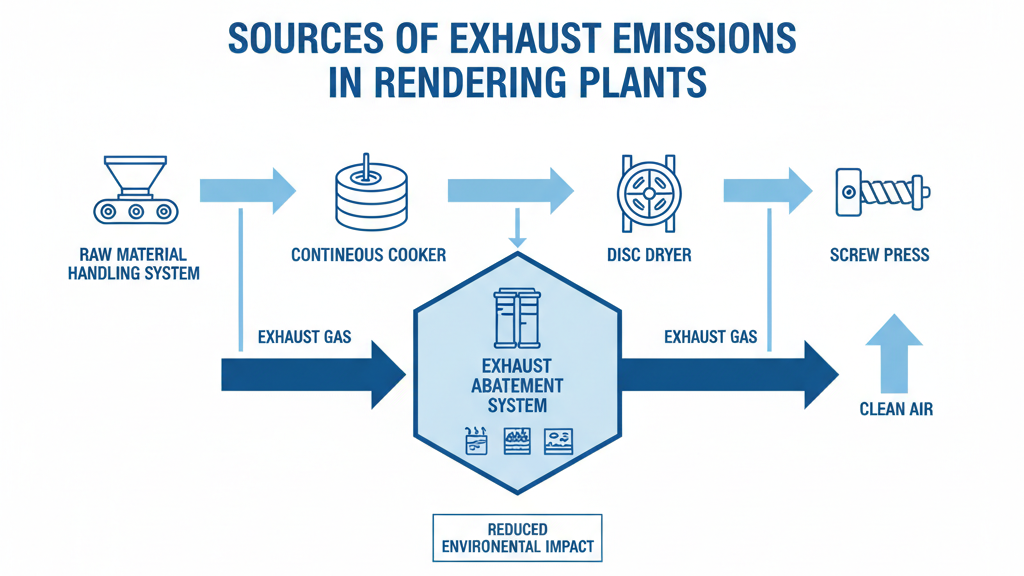
Exhaust abatement refers to the engineering process of capturing, cleaning, and treating air emissions produced during rendering operations before they are released into the atmosphere. Rendering processes such as cooking, drying, pressing, and material transfer generate complex exhaust streams containing:
- Steam and water vapor
- Fat vapors and aerosols
- Odor-causing organic compounds
- Volatile organic compounds (VOCs)
- Fine particulate matter
An effective system captures these emissions at the source and treats them through multiple stages of cooling, condensation, filtration, and chemical or ionization treatment to ensure safe, compliant discharge.
Why Exhaust Abatement Is Essential
Exhaust abatement is not optional (essential)in modern rendering facilities; it is a fundamental requirement for operational stability and legal operation.
1. Environmental Compliance and Regulatory Requirements
Rendering plants operate under strict environmental regulations governing air emissions. Failure to meet emission standards can result in heavy penalties, legal action, or forced shutdowns. A robust abatement system ensures the facility meets local limits on VOCs, particulates, and odors.
2. Effective Odor Control and Community Relations
Odor control is often the primary concern for rendering plants located near residential or commercial areas. Untreated exhaust contains potent odor-causing compounds. Abatement systems neutralize these odors before discharge, preventing community complaints and maintaining a positive public image.
3. Equipment Protection and Reduced Maintenance
Untreated exhaust is high in moisture and fat vapors, which are corrosive and sticky. If not removed, these contaminants can damage structural components, pumps, conveyors, and downstream machinery. By removing these elements early in the process, abatement systems extend equipment lifespan and reduce maintenance costs.
4. Workplace Safety and Air Quality
Capturing harmful gases and vapors improves the internal air quality of the plant. This creates a safer working environment, reducing health risks for the workforce and ensuring compliance with occupational safety standards.
How the Process Works: A Multi-Stage Approach
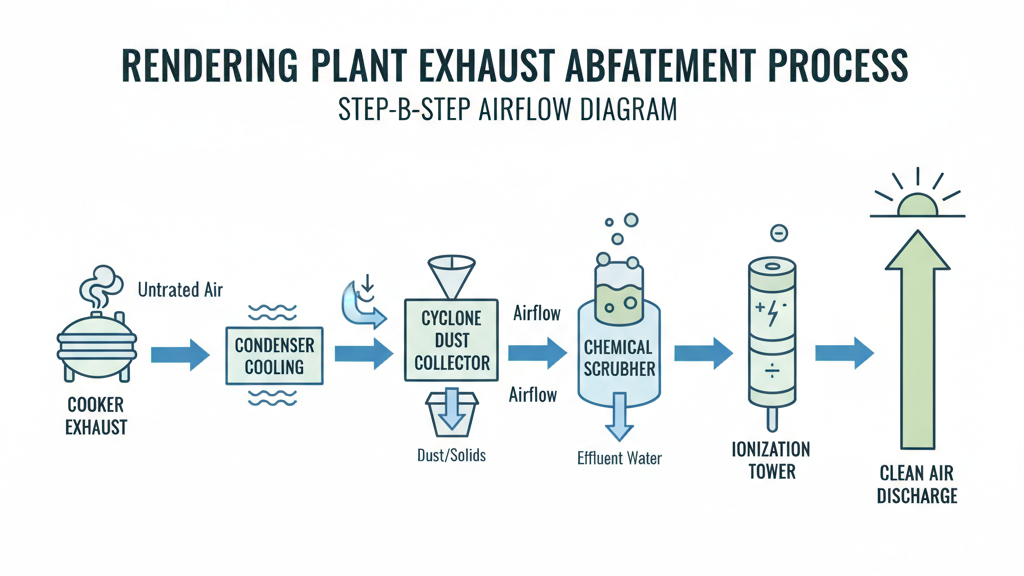
Exhaust abatement systems typically operate through a six-step treatment process designed to maximize contaminant removal.
Step 1: Exhaust Collection
Exhaust gases are captured directly from the source to prevent leakage into the plant. Key capture points include continuous and batch cookers, disc dryers, screw presses, and raw material handling bins.
Step 2: Vapor Cooling and Condensation
The first stage of treatment involves cooling the hot exhaust gases. Condensers (such as shell and tube or air-cooled models) drop the temperature, causing moisture and fat vapors to condense and separate from the air stream. This step significantly reduces the volume of air requiring further treatment and recovers usable fat where applicable.
Step 3: Particulate Removal
Cyclone dust collectors utilize centrifugal separation to remove particulate matter from the exhaust. This is crucial for preventing clogging in downstream filters and scrubbers.
Step 4: Chemical Scrubber Treatment
The air stream is passed through chemical scrubbers where it contacts treatment liquids. These scrubbers neutralize acid gases, organic vapors, and stubborn odor compounds, providing the bulk of the chemical treatment.
Step 5: Ionization Tower Neutralization
For facilities requiring strict odor control, ionization towers provide a final polishing stage. They neutralize remaining odor molecules via oxidation, ensuring the air is fresh before release.
Step 6: Clean Air Discharge
The fully treated air is safely released into the atmosphere, meeting all environmental safety standards.
Key Equipment in Rendering Abatement
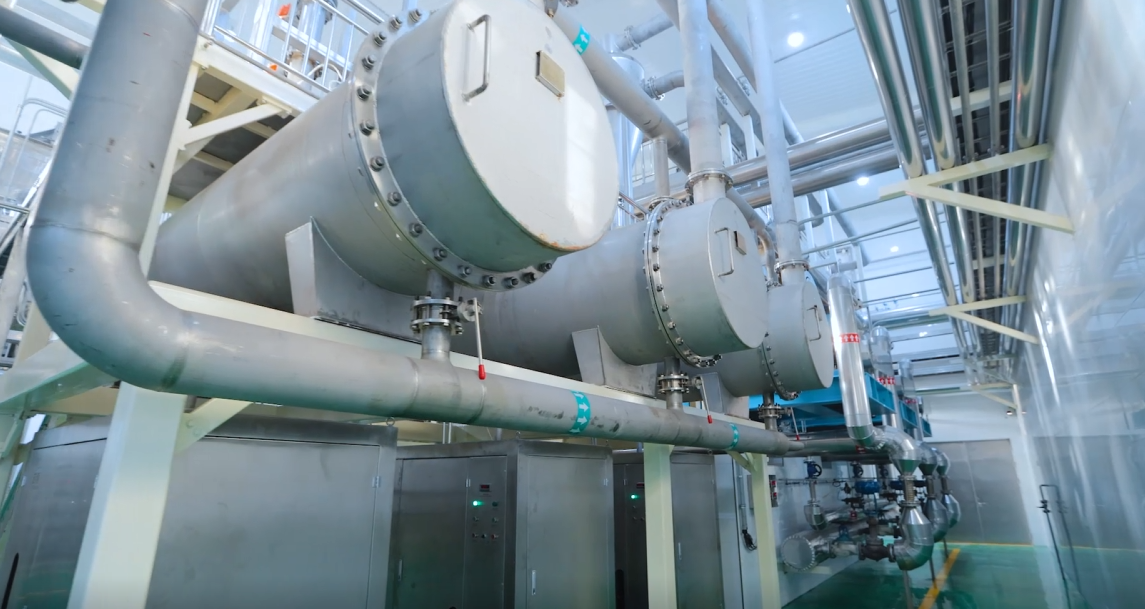
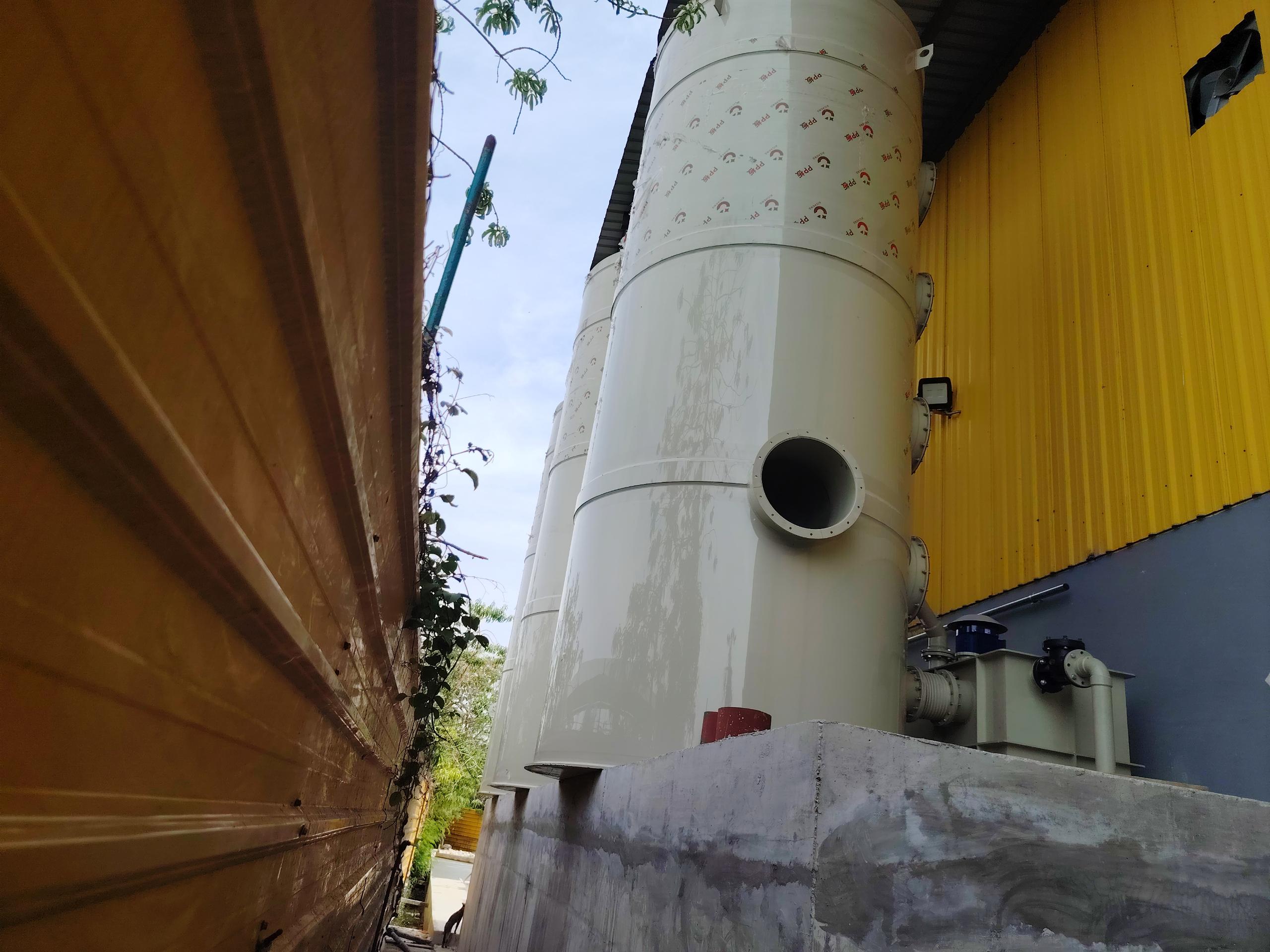
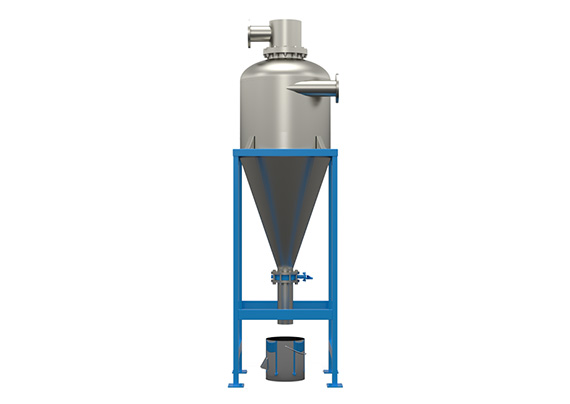
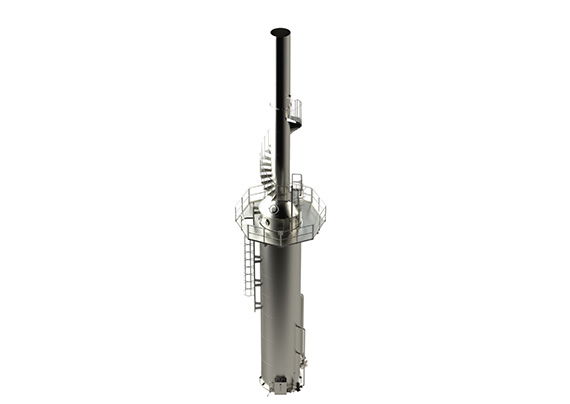
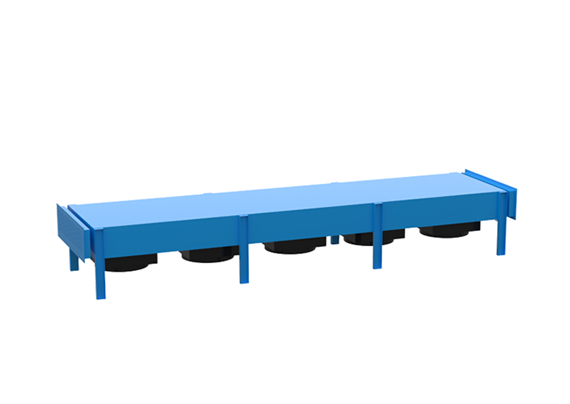
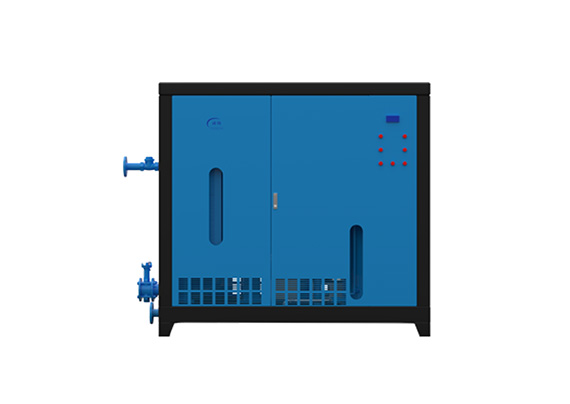
Modern systems are integrated solutions capable of handling high-temperature, high-moisture loads. The core components include:
- Condenser Systems: Essential for plants using continuous cookers and disc dryers. They reduce exhaust volume and the overall emission load, improving the efficiency of downstream scrubbers.
- Cyclone Dust Collectors: High-durability units that remove solid particulates. They are low-maintenance and vital for protecting sensitive scrubbing equipment.
- Chemical Scrubber Systems: The workhorse of odor removal. These systems provide continuous, reliable operation and are highly effective at removing specific chemical compounds.
- Ionization Towers: Advanced equipment used for the final “polish” of the air stream, ensuring maximum odor reduction efficiency.
Integration With Continuous and Batch Rendering Systems
Selecting the right exhaust abatement system requires analyzing your specific plant configuration and production needs.
Integration with Processing Systems
- Continuous Systems: Continuous cookers and disc dryers generate a constant, steady exhaust flow. Abatement systems must be sized to handle this specific continuous volume without fluctuation.
- Batch Systems: Batch cookers generate exhaust in peaks and valleys depending on the cycle (loading, cooking, drying, discharging). The abatement system must be designed to handle the peak load to prevent system overwhelm during the most intense parts of the cycle.
Factors Influencing System Choice
- Plant Capacity: Higher production volumes require physically larger systems to handle increased airflow (CFM).
- Raw Material Composition: Processing feathers, blood, or fish meal produces different chemical profiles than beef or pork rendering. The chemical scrubbers must be tuned to the specific “menu” of the plant.
- Local Regulations: Plants in urban areas with strict zero-tolerance odor policies may require multi-stage scrubbing and ionization, whereas remote plants may have different requirements.
Conclusion
Exhaust abatement is the backbone of a responsible and efficient rendering operation. By effectively managing the moisture, vapors, and odors generated by cookers, dryers, and presses, these systems protect the environment, the community, and the plant’s own infrastructure.
Whether operating a batch or continuous facility, investing in a properly designed system—featuring condensers, cyclones, scrubbers, and ionization technology—is the only way to ensure long-term operational success and regulatory compliance.