Do Not Dispose of Slaughter Waste Improperly! Compliant Disposal Also Generates Revenue
Do Not Dispose of Slaughter Waste Improperly! Compliant Disposal Also Generates Revenue
As environmental supervision becomes increasingly stringent, the livestock and poultry slaughter industry has bid farewell to the extensive era of “valuing production over waste disposal”. For small‑and‑medium‑sized slaughterhouses processing pigs, cattle, sheep and poultry, problems such as accumulated slaughter waste, sub‑standard disposal, odor nuisance and failed environmental assessment have become core bottlenecks restricting operation. Many slaughter enterprises are plagued by waste disposal all year round. Outsourced disposal brings high costs, while landfilling and incineration carry major compliance risks. Minor missteps may result in fines or production suspension rectification, making compliant disposal an essential requirement for slaughter enterprises to survive and operate.
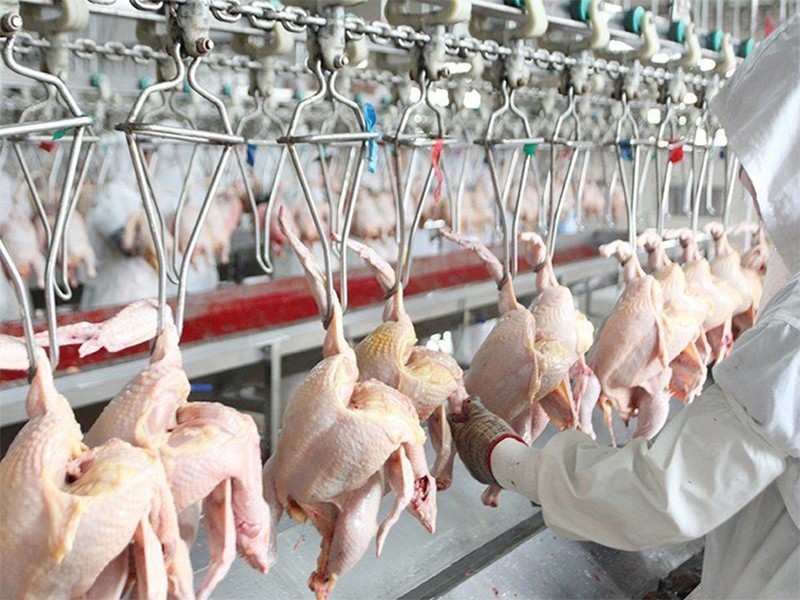
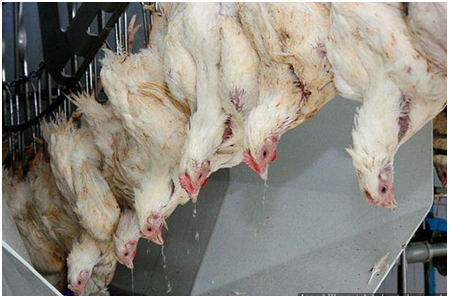
Many slaughter practitioners are unaware that livestock and poultry slaughter waste is not ordinary garbage. It is a special by‑product rich in organic matter and grease, and a key target of environmental supervision. From an industry perspective, trimming scraps, residual bones, crushed meat, waste grease and gastrointestinal contents are typical solid waste from livestock and poultry. Without standardized treatment, they will decay rapidly, breed pathogenic bacteria and pollute soil, water and air, which is the main driver for environmental rectification of slaughterhouses in recent years. As industry standards keep improving, compliant production for slaughterhouses mandates proper disposal of waste. Unauthorized landfilling, private incineration and unregulated outflow of waste are strictly prohibited.
Conventional disposal methods widely adopted in the industry suffer from incomplete treatment and low resource utilization. Outsourced waste collection seems convenient, yet it lacks traceability and controllable treatment standards, raising risks of resale and illegal disposal. Extensive practices including landfilling and incineration fail to meet environmental standards and lead to massive loss of organic substances and animal grease. Industry data shows that over 70% of waste from standard slaughter operations can be recycled through professional processes. This explains the rapid growth of the livestock and poultry slaughter waste treatment sector: compliance is the bottom line, and resource recycling represents the industry upgrading trend. Standardized livestock and poultry slaughter waste treatment has become an indispensable part of compliant slaughterhouse operation.
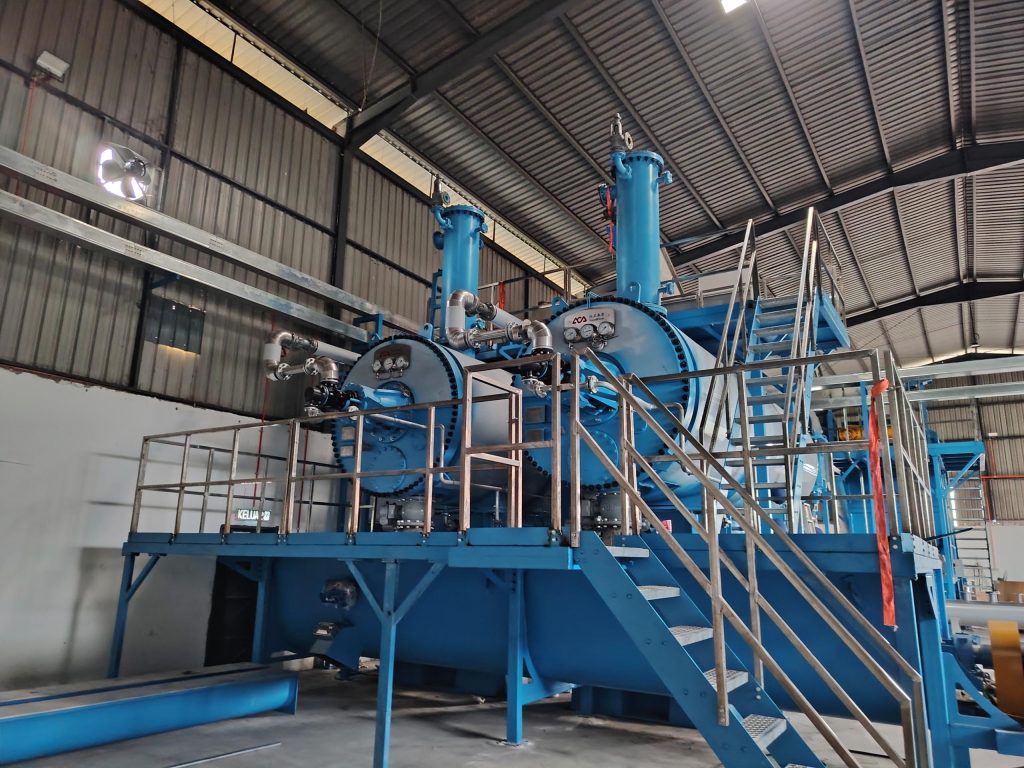
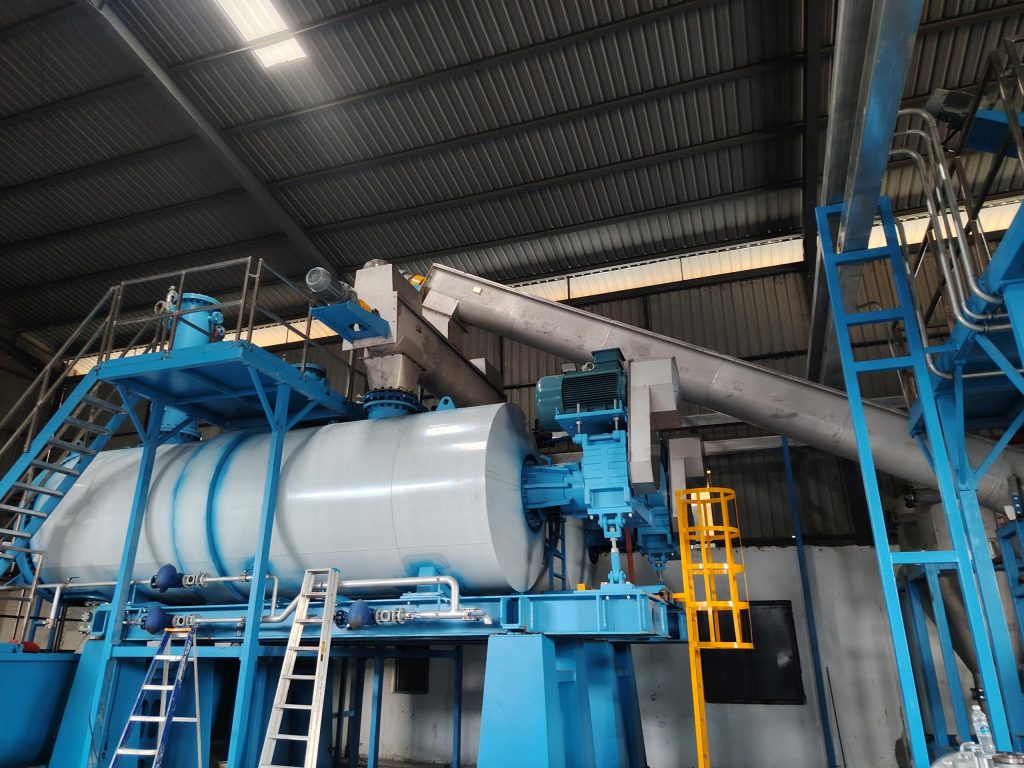
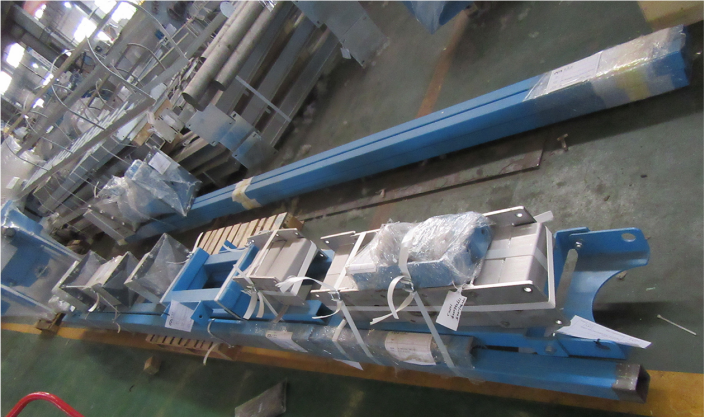
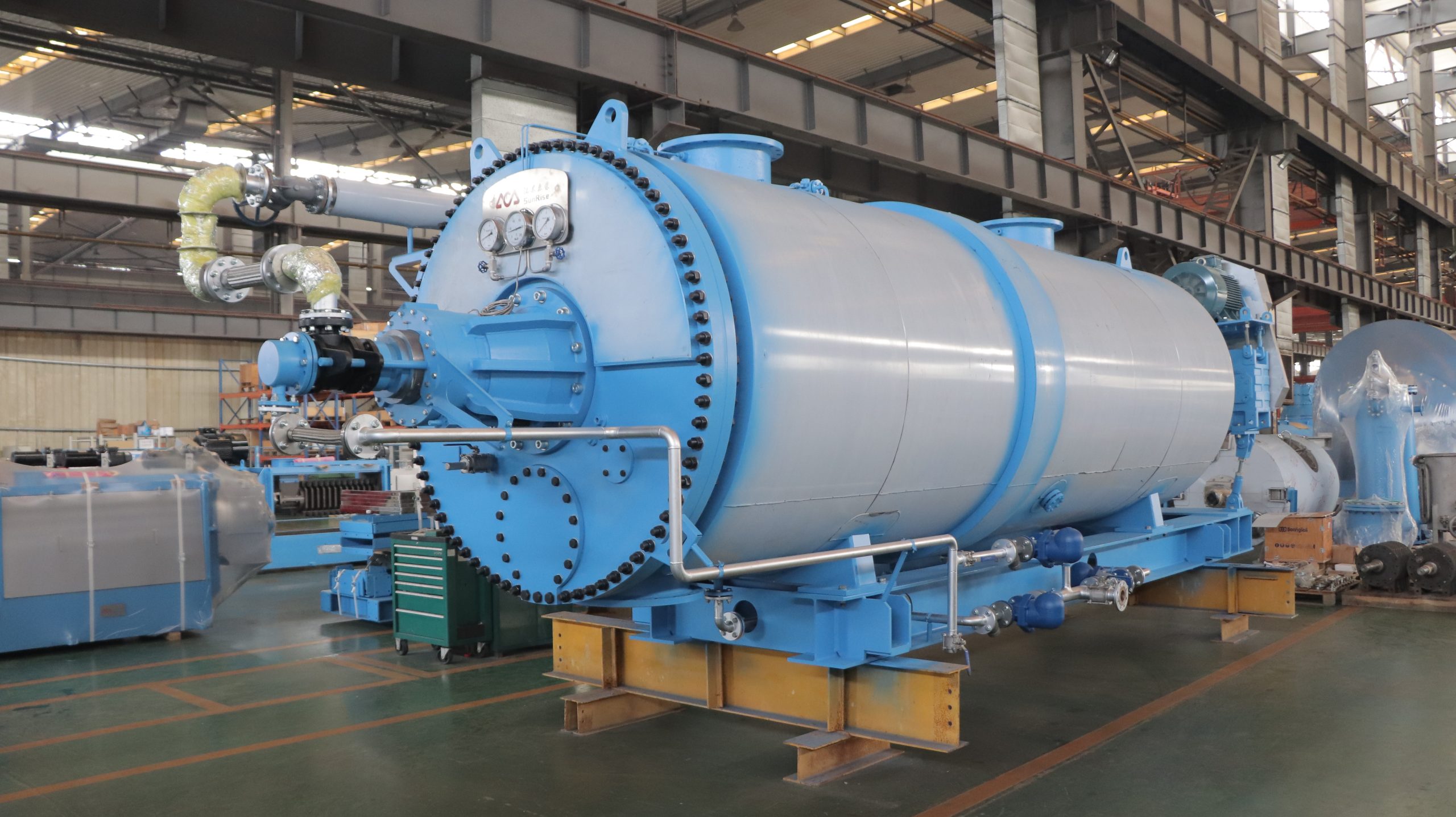
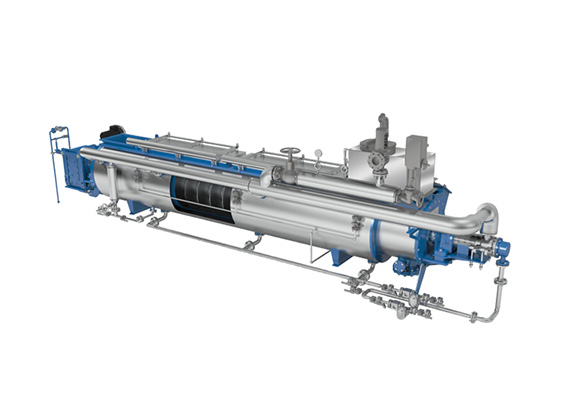
From a technical perspective, the core principle of proper resource recovery is “compliant disposal first, then resource utilization”. To resolve upstream pain points of slaughterhouses, effective livestock and poultry slaughter waste treatment for on‑site compliant and resource‑oriented processing is critical. Dedicated compliant treatment equipment for slaughter waste adopts integrated high‑temperature high‑pressure sterilization, dehydration and degreasing technology. The sealed high‑temperature environment thoroughly eliminates harmful bacteria such as Salmonella and Escherichia coli. The process meets environmental compliance requirements, prevents disease spread and environmental violations, and perfectly supports environmental rectification for slaughterhouses. The whole set of livestock and poultry slaughter waste treatment operates in fully enclosed conditions with no odor leakage or secondary pollution, complying with current environmental regulations for livestock and poultry slaughter.
Compared with passive traditional external disposal modes, on‑site integrated treatment equipment better fits production scenarios of various slaughter enterprises. It can seamlessly connect with existing slaughter production lines without large‑scale plant reconstruction, suitable for small, medium and large slaughterhouses. Automated production lines simplify cumbersome conventional disposal workflows, reduce sanitary risks from manual waste handling and cut high outsourcing disposal expenses. From the industry perspective, standardized equipment‑based treatment is a vital component of modern standardized slaughterhouse production.
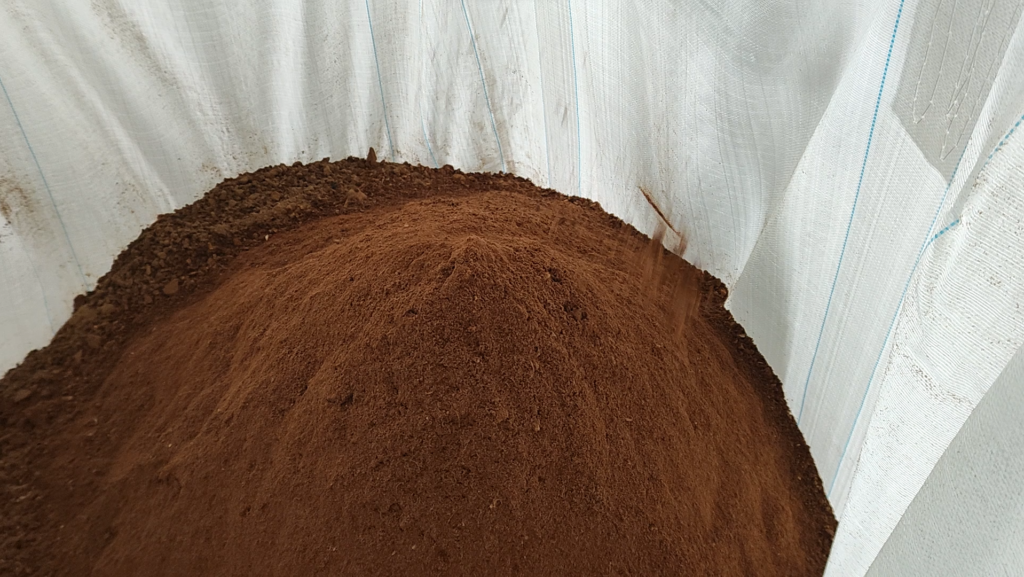
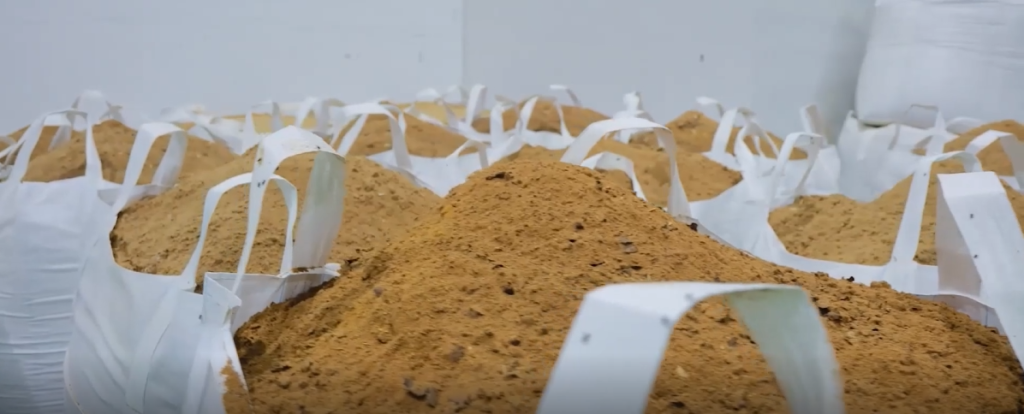
More importantly, compliant disposal is not merely about risk reduction and cost control. It can create new revenue streams for slaughterhouses. While finishing compliant disposal, the equipment further processes low‑value slaughter waste into high‑quality meat‑and‑bone meal and animal fat. Waste that used to cost money to dispose of turns into marketable high‑grade raw materials, opening new profit sources for slaughterhouses and delivering triple benefits: compliance risk avoidance, cost reduction & efficiency improvement, and value‑added income.
With tightening industry regulations, extensive slaughter production modes will eventually be phased out. For upstream slaughter enterprises, attaching importance to livestock and poultry slaughter waste treatment and upgrading to professional waste treatment equipment is an inevitable choice to maintain environmental compliance. It is also a key measure to revitalize idle resources and boost core competitiveness. Standardized equipment empowers compliant production, relieves slaughterhouses of environmental worries and supports green, long‑term and sustainable development.