Why Your Rendering Plant Smells Terrible (And How to Fix It Permanently)
Your rendering plant smells terrible because volatile organic compounds (VOCs), hydrogen sulfide (H₂S), and ammonia are escaping from poorly sealed equipment, inadequate ventilation, or raw material that sat too long before processing. The fix isn’t masking the odor with chemicals — it’s eliminating the source through better process design, airtight material handling, and properly engineered air treatment systems. With the right combination of these three strategies, plants routinely cut odor complaints by 95% or more — permanently.
The Chemistry Behind the Stench: What You’re Actually Smelling
Before you can fix the smell, you need to understand what’s creating it. Rendering plant odor isn’t one compound — it’s a cocktail of at least 50 different volatile molecules, and each stage of your process contributes a different flavor of awful.
The Big Three Offenders
- Hydrogen sulfide (H₂S): The classic “rotten egg” smell. Detectable by the human nose at just 0.5 parts per billion. It forms when sulfur-containing amino acids in raw material break down anaerobically — meaning your material is decomposing before it reaches the cooker.
- Ammonia (NH₃): That sharp, eye-watering sting. Released during protein hydrolysis in the cooking process and from blood and gut content in raw material storage.
- Volatile organic compounds (VOCs): A broad category including aldehydes, organic acids, and mercaptans. These are released primarily during cooking and pressing, when heat drives volatile compounds out of the material.
Here’s the critical insight: H₂S and ammonia dominate before cooking (raw material handling), while VOCs dominate during cooking and pressing. If your smell is worst around the receiving pit, you have a raw material freshness and containment problem. If it’s worst around the cookers, you have a vapor capture and treatment problem. Most plants have both.
Root Cause #1: Raw Material Sitting Too Long
This is the single biggest odor mistake in the industry, and it’s entirely preventable. Every hour that raw animal by-products sit unprocessed at ambient temperature, bacterial activity doubles. After 8–12 hours at 20°C, you’re not rendering — you’re composting.
The 4-Hour Rule
Best practice is processing raw material within 4 hours of slaughter. That’s not always possible, especially if your plant receives material from external sources. But here’s what you can control:
- Refrigerated receiving: Keeping raw material below 5°C slows bacterial growth by roughly 90%. Yes, it costs more upfront. It pays for itself in reduced odor complaints and higher-quality finished product.
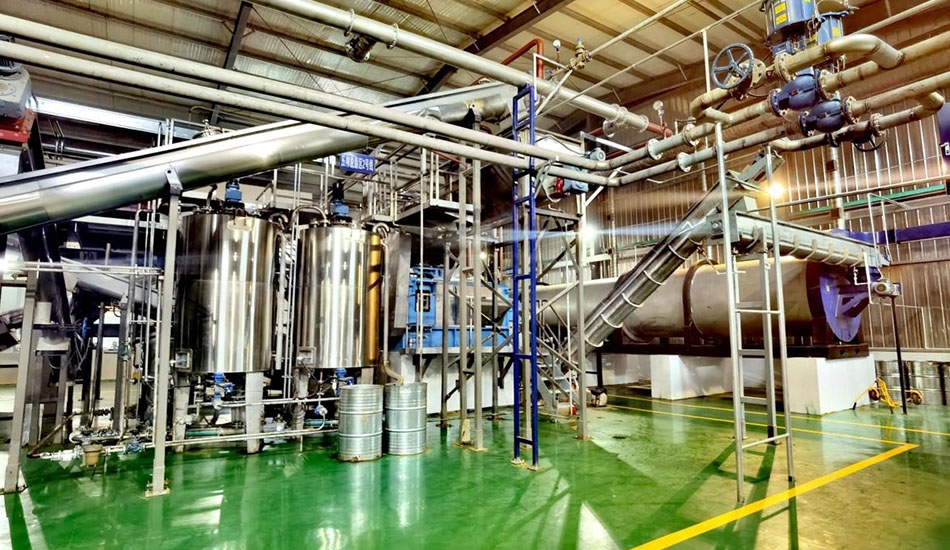
- Enclosed receiving pits: Open receiving areas let odor disperse freely. A sealed pit with negative-pressure ventilation captures the gases at the source. This is non-negotiable for any modern plant.
- FIFO material handling: First in, first out. It sounds obvious, but many plants dump fresh material on top of older material in the same pit. The bottom layer rots while you process the top.
Root Cause #2: Leaky Equipment and Poor Vapor Containment
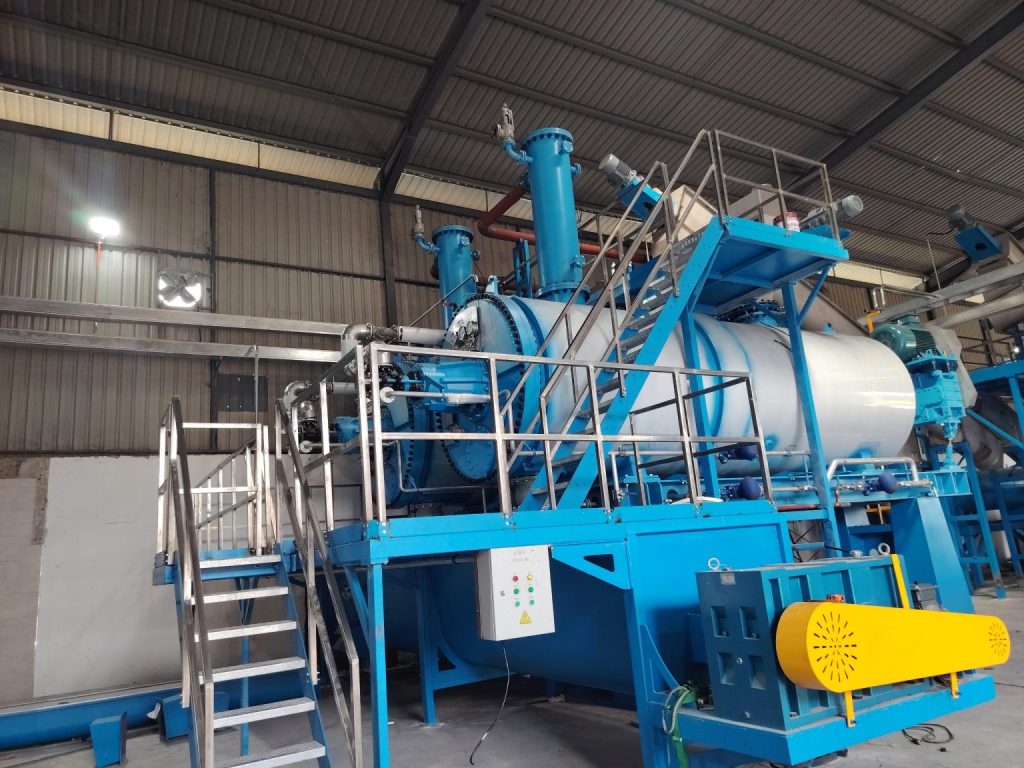
You could have the best air treatment system money can buy, and it won’t matter if odorous vapor never reaches it. Fugitive emissions — gases escaping from unsealed joints, worn gaskets, open hatches, and poorly maintained equipment — are responsible for an estimated 40–60% of perceptible odor at many rendering facilities.
Where Leaks Hide
The usual suspects:
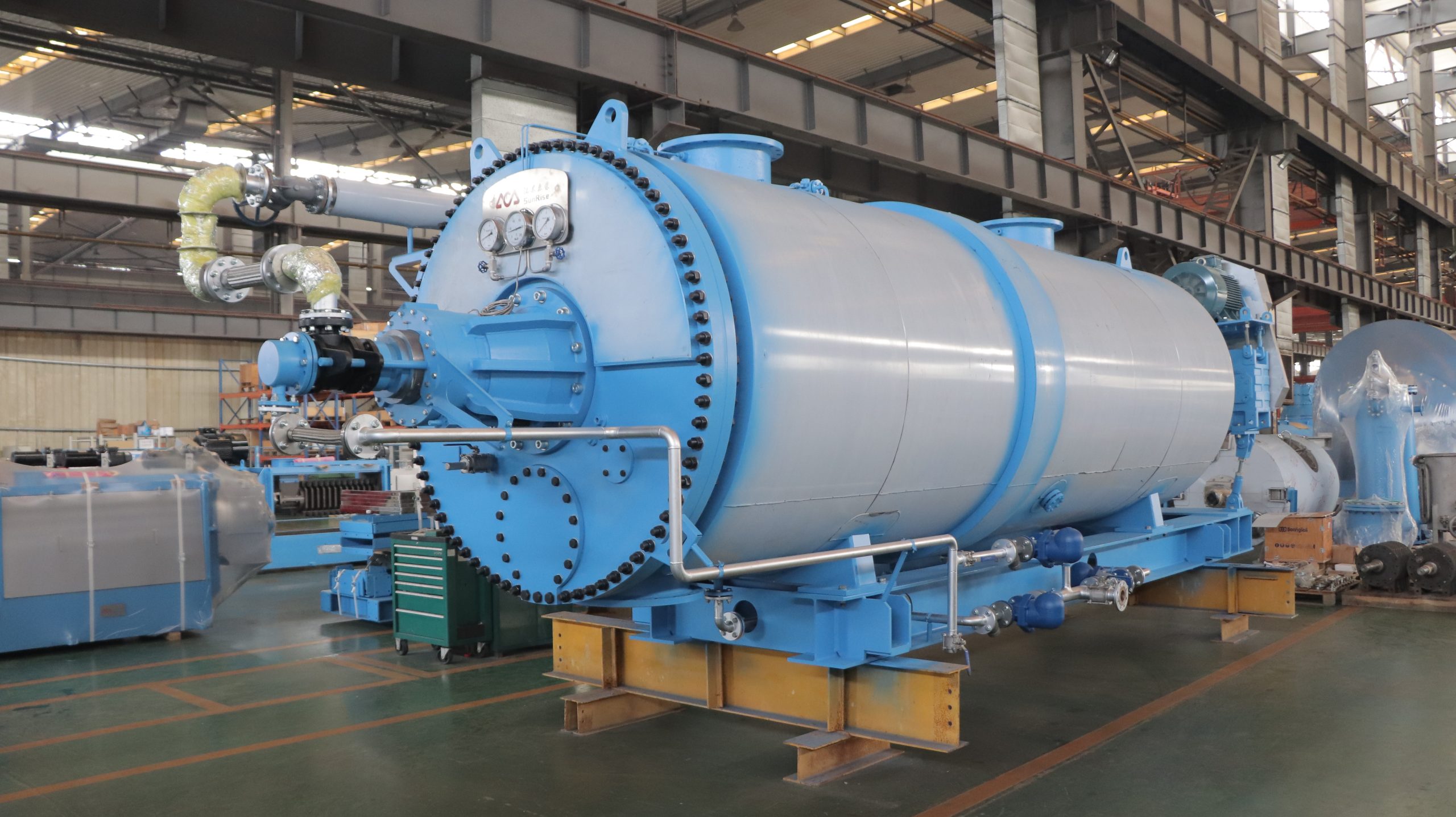
- Cooker: Batch cookers are opened and closed repeatedly. Gaskets wear out. Latches loosen. Every loading cycle releases a burst of concentrated vapor directly into the building.
- Screw press discharge points: The junction between the press and the meal conveyor is often poorly sealed. Hot, odorous meal drops into open conveyors, releasing steam and VOCs.
- Condensate drains and traps: Rendering condensate is one of the most odorous liquids in the entire process. If your condensate lines have open vents, failed traps, or drain into open sumps, you’ve created a continuous odor source.
- Fat storage tank vents: Rendered fat at 80–90°C releases significant VOCs through tank breather vents. These are frequently overlooked.
The Negative-Pressure Principle
The solution is straightforward: every piece of equipment that handles odorous material or generates odorous vapor must be enclosed and connected to a negative-pressure ventilation system. The building itself should operate at slight negative pressure so air flows in through doors and openings rather than out. This means all air exits through your treatment system — no exceptions.
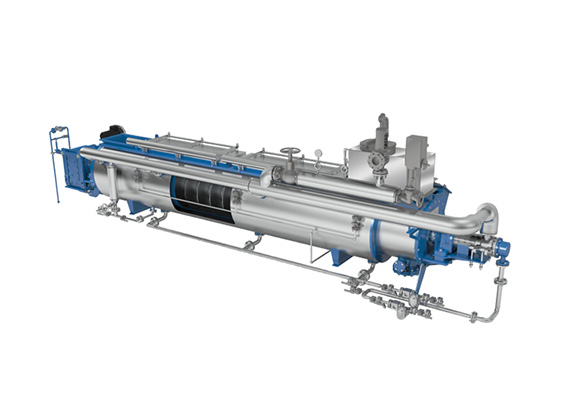
When evaluating a modern rendering plant design, look for fully enclosed processing lines where every transfer point, cooker, press, and conveyor is ducted to a central air collection header. Retrofitting an older plant is harder but absolutely doable — start with the highest-concentration sources (cookers and presses) and work outward.
Root Cause #3: Undersized or Missing Air Treatment
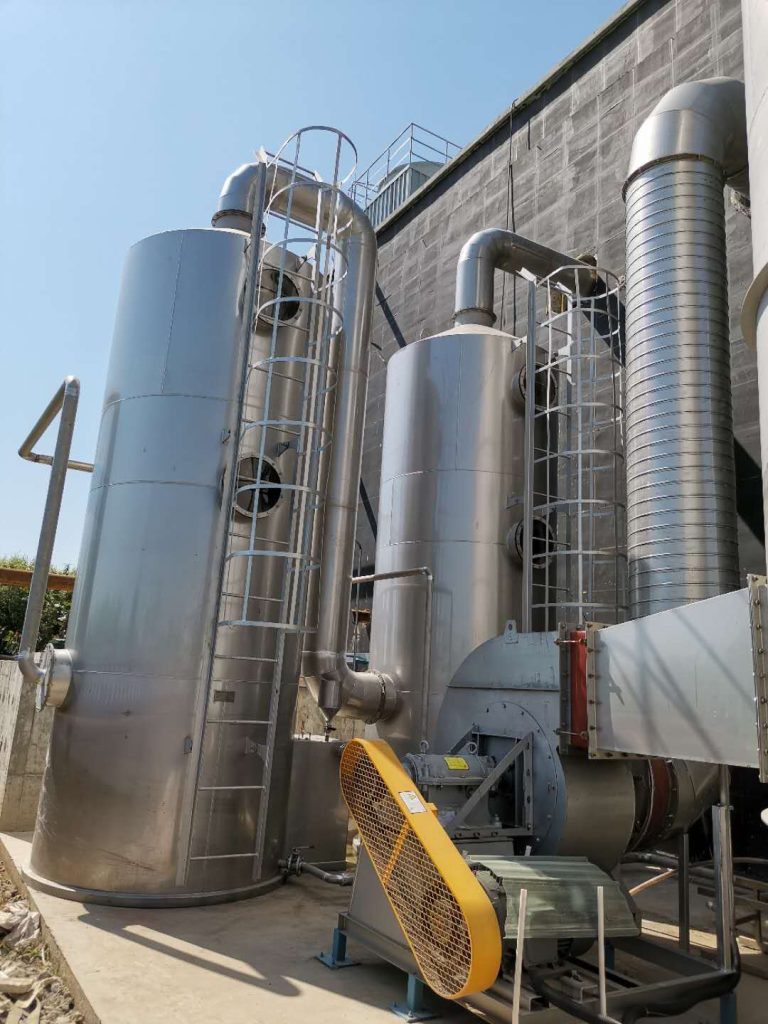
Here’s a number that surprises plant managers: a typical rendering cooker processing 5 tons per hour generates roughly 2,000–3,000 cubic meters of odorous air per hour. A full production line with cookers, presses, dryers, and meal handling can easily produce 15,000–30,000 m³/h of contaminated air. If your air treatment system was sized for half that — or if you don’t have one at all — you’re venting concentrated odor straight into the atmosphere.
Choosing the Right Treatment Technology
There are four main technologies for rendering plant odor treatment, and the right choice depends on your emission profile, budget, and local regulations. See the comparison table in this article for a side-by-side breakdown.
For most rendering plants, the winning combination is a two-stage system: a chemical scrubber as the primary treatment (targeting H₂S and ammonia with 90%+ efficiency) followed by a biofilter or activated carbon polishing stage for residual VOCs. Thermal oxidizers deliver the highest removal rates but cost significantly more to operate — they’re justified when regulations demand near-zero emissions or when you can recover the heat.
A Common Sizing Mistake
Many plants size their air treatment for average airflow rather than peak airflow. Odor generation spikes during cooker loading, press operation, and meal discharge. If your system can’t handle the peaks, those are exactly the moments your neighbors smell you. Size for 120–130% of calculated peak flow. The marginal cost of oversizing is trivial compared to a single regulatory fine or community lawsuit.
Root Cause #4: Condensate and Wastewater Mismanagement
Rendering condensate — the liquid collected from cooker vapors — has a biochemical oxygen demand (BOD) of 10,000–50,000 mg/L and contains concentrated levels of every odorous compound in the process. It is, quite literally, liquid stench. And yet many plants treat it as an afterthought.
The Condensate Problem
When cooker vapor is condensed (typically in a direct-contact or shell-and-tube condenser), the resulting liquid retains dissolved H₂S, ammonia, and VOCs. If this condensate:
- Drains into an open sump or equalization tank
- Sits in holding tanks without cover or treatment
- Gets mixed with general plant washdown water in open drains
It off-gases continuously, creating a persistent odor source that’s often harder to trace than cooker emissions because it’s diffuse and spread across the facility.
The Fix
Condensate must be handled as a closed system from the moment it forms until it enters your wastewater treatment process. This means:
- Sealed condensate collection tanks with vapor return to the air treatment system
- Immediate pH adjustment (raising pH above 9 traps H₂S; lowering below 6 traps ammonia — you may need a two-stage approach)
- Air stripping followed by treatment of the stripped air, if condensate volumes are large
A poultry rendering operation in Central Europe reduced their overall plant boundary odor by 35% simply by covering their condensate equalization tank and routing the displaced air to their existing scrubber. The lesson: condensate management is the highest-ROI odor investment most plants haven’t made.
Root Cause #5: Cooking Temperature and Time Profiles Gone Wrong
Not all rendering processes smell equally bad. The cooking parameters you choose directly affect how much odor your plant generates — and many operators are unknowingly making it worse.
Temperature Matters More Than You Think
Rendering typically occurs between 115°C and 145°C. Higher temperatures accelerate protein denatalization and fat separation, but they also dramatically increase VOC generation. Every 10°C increase above 125°C roughly doubles the concentration of aldehydes and organic acids in cooker vapor.
The optimal processing temperature for most animal by-products is 125-135 degrees Celsius, and the cooking time needs to be controlled according to the particle size and fat content of the material. Specific inquiries are required.Going above 140°C doesn’t meaningfully improve product quality, but it significantly increases your odor load — and your air treatment system has to work harder to compensate.
The Integrated Approach: How to Design an Odor-Free Plant from Scratch
Fixing odor in an existing plant is always harder and more expensive than designing it out from the beginning. If you’re planning a new rendering facility — or a major upgrade — here’s the hierarchy of odor prevention, in order of priority:
1. Minimize Generation
- Process raw material within 4 hours or refrigerate below 5°C
- Optimize cooking temperature (125–135°C)
- Minimize material transfer points and conveyor lengths
2. Maximize Containment
- Fully enclosed processing line — every piece of equipment ducted
- Building under negative pressure
- Sealed condensate handling
- Closed fat and meal storage
3. Treat What Escapes
- Two-stage air treatment: chemical scrubber + biofilter/carbon
- Size for 130% of peak airflow
- Continuous monitoring with H₂S and ammonia sensors at stack and boundary
- Redundancy: backup treatment capacity for maintenance periods
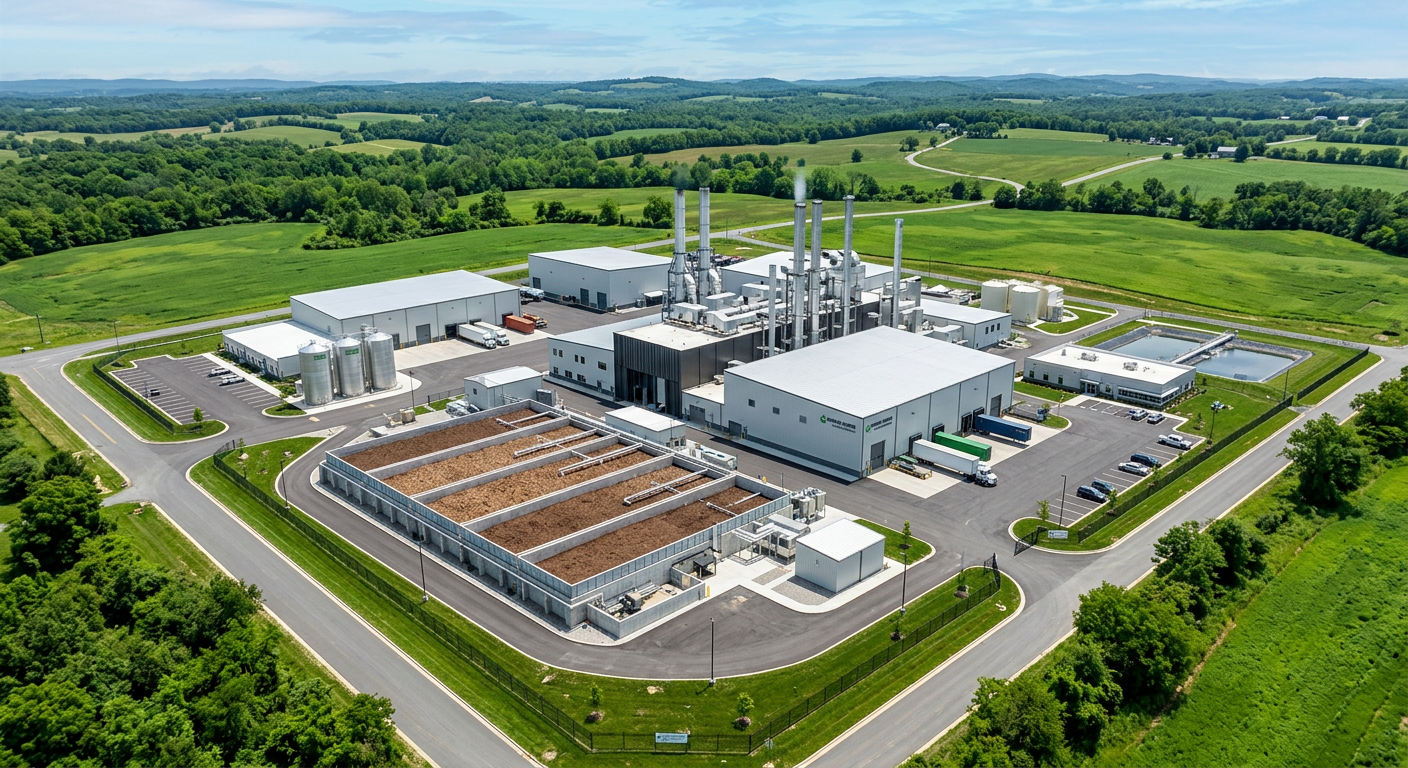
When Sunrise designed a slaughterhouse waste rendering plant for a large-scale operation, the odor control system was integrated into the process design from day one — not bolted on as an afterthought. The air collection headers, ductwork sizing, and treatment capacity were calculated alongside the rendering equipment specifications. The result: zero odor complaints from the surrounding community since commissioning.
Monitoring and Maintenance: Keeping Odor Under Control Long-Term
Installing odor control equipment is only half the battle. Without proper monitoring and maintenance, performance degrades — often so gradually that you don’t notice until the complaints start again.
What to Monitor
- Stack emissions: Continuous H₂S and ammonia analyzers on your treatment system exhaust. Set alarm thresholds at 80% of your permit limit so you have time to react.
- Boundary monitoring: Portable or fixed sensors at your facility boundary in the prevailing downwind direction. This is what your neighbors experience.
- Scrubber chemistry: pH, ORP (oxidation-reduction potential), and chemical dosing rates. A scrubber running at the wrong pH is barely better than no scrubber at all.
- Biofilter moisture and temperature: Biofilter media needs 40–60% moisture content and temperatures between 15–40°C to maintain biological activity. Dry or cold biofilters fail silently.
Maintenance Calendar
Create a preventive maintenance schedule specifically for odor control:
- Daily: Check scrubber pH and chemical levels, inspect biofilter surface for dry spots or channeling
- Weekly: Inspect all duct connections and gaskets for leaks, check fan belt tension and motor amperage
- Monthly: Clean scrubber packing, calibrate gas analyzers, inspect condensate system seals
- Annually: Replace biofilter media (if needed — typical life is 3–5 years), full ductwork inspection, fan impeller inspection
The plants that stay odor-free are the ones that treat their air treatment system with the same rigor as their rendering equipment. It’s not optional infrastructure — it’s core process equipment.
Regulatory Pressure Is Only Going One Direction
If you think you can get away with “good enough” odor control, consider this: odor regulations worldwide are tightening, not loosening. The EU’s Industrial Emissions Directive now requires Best Available Techniques (BAT) for rendering plants, with specific odor unit limits at the plant boundary. China’s GB 14554 standard for odor pollutant emissions has been progressively strengthened. And even in regions with historically lax enforcement, community pressure and social media mean that one viral video of a smoking rendering plant stack can trigger regulatory action overnight.
Investing in proper odor control now isn’t just about being a good neighbor — it’s about protecting your operating license. Plants that proactively exceed current standards are the ones that won’t face expensive emergency retrofits when the next round of regulations arrives.
Understanding the environmental impact differences between rendering plants and slaughterhouses is also critical for regulatory compliance planning, since the two operations face different emission profiles and permitting requirements.
Stop Tolerating the Smell — Engineer It Out
Rendering plant odor is not an unavoidable cost of doing business. It’s a solvable engineering problem with well-understood causes and proven solutions. The five root causes — delayed raw material processing, fugitive equipment emissions, undersized air treatment, condensate mismanagement, and suboptimal cooking parameters — each have specific, permanent fixes.
The most successful plants address all five simultaneously as an integrated system rather than chasing individual symptoms. Whether you’re retrofitting an existing facility or designing a new one, the investment in comprehensive odor control pays for itself through regulatory compliance, community relations, and the simple operational benefit of a workplace that doesn’t make your employees dread coming to work.
Sunrise has spent nearly 30 years engineering rendering solutions that treat odor control as a core design requirement, not an add-on. If you’re struggling with persistent odor issues — or planning a new facility and want to get it right from the start — explore our customized rendering equipment solutions or reach out to our engineering team for a site-specific assessment. Your neighbors will thank you.