The Hidden Revenue in Poultry Feathers: Turning Waste Into High-Value Feather Meal
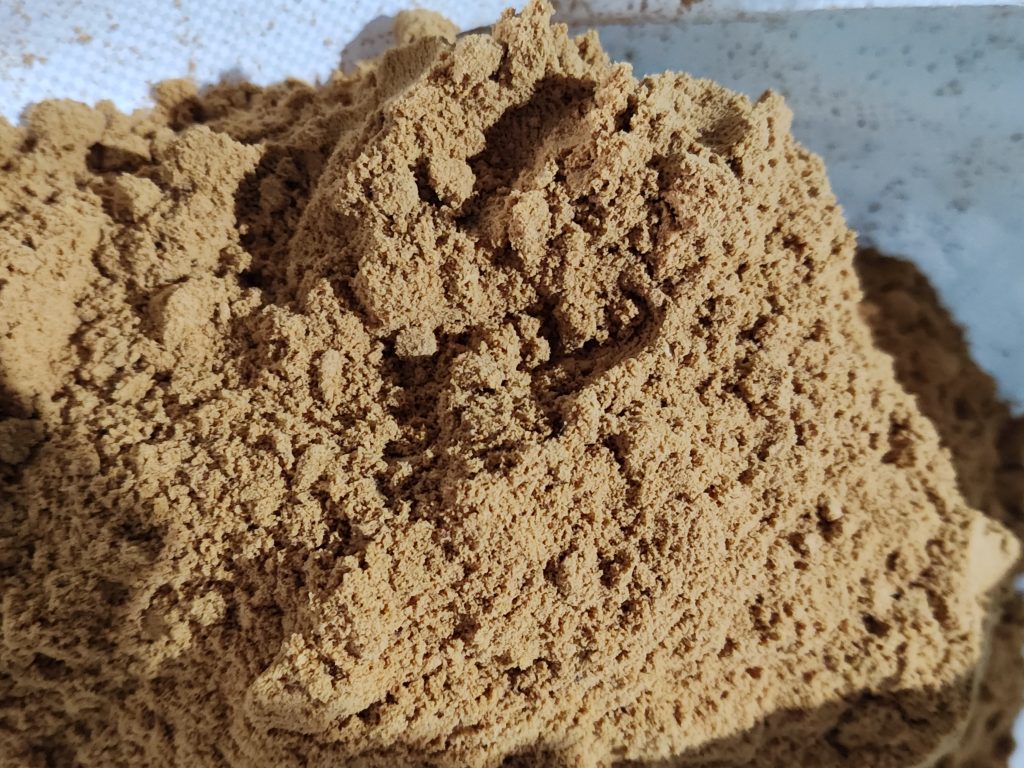
Poultry feathers are roughly 90% keratin protein by dry weight — and most slaughterhouses pay to throw that protein into landfills. With the right hydrolysis and drying process, those same feathers become feather meal selling for $600–$900 per tonne as an aquafeed and pet-food ingredient. A mid-sized broiler plant processing 100,000 birds per day generates enough feathers to add $1.5–$2 million in annual revenue, flipping a disposal cost into a profit line.
Why Feathers Are Worth More Than You Think
Here is the surprising part: feathers contain more crude protein than soybean meal. Dry feathers run 70–85% crude protein, compared to roughly 43–48% for soybean meal. The catch — raw keratin is bound by disulfide bridges so tight that animals cannot digest it. Hydrolysis breaks those bonds, and suddenly you have a digestible amino acid powerhouse.Feather meal is particularly rich in cysteine, threonine, valine, and arginine — exactly the amino acids that aquafeed formulators pay a premium for.
How Hydrolyzed Feather Meal Is Actually Made
The process sounds simple — cook feathers under pressure, dry them, grind them — but the details determine whether you produce premium feed or burnt sludge.
Step 1: Collection and pre-treatment
Feathers leave the plucking device at a humidity of 60-65%, usually mixed with water and a small amount of blood. They are transported (usually by small screw conveyors) to dewatering screens or feather presses to reduce the moisture to a suitable level.
Step 2: Hydrolysis cooking
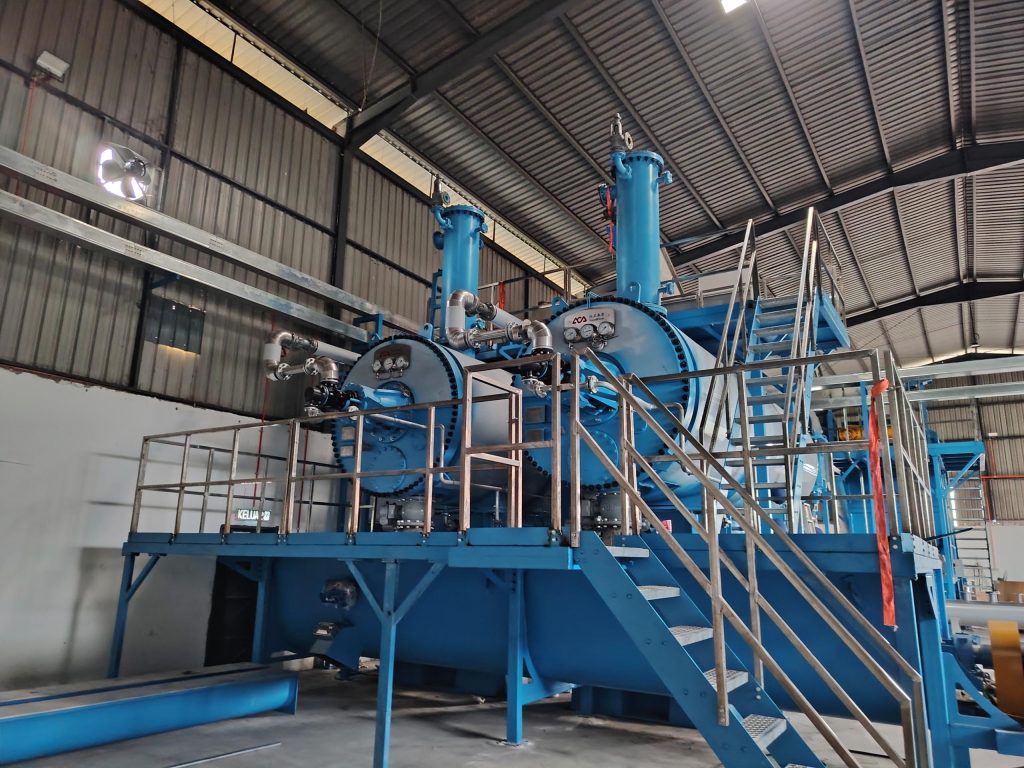
This is the core link of the entire process. Put the feathers into intermittent cooking tanks or continuous hydrolysis equipment, and under certain specific conditions, contact us for specific information on temperature, pressure, and time. Under these limiting conditions, disulfide bonds in keratin will be disrupted. If this step is omitted or the cooking is not sufficient, the digestion rate of the finished product will drop below 50%, and this type of feather powder will also lose its practical value.
Step 3: Drying
The hydrolyzed slurry is dried to the set material state in a disc dryer or coil dryer. Excessive drying can burn amino acids; Insufficient drying can lead to mold growth during storage.
Step 4: Grinding and packaging
Final product is hammer-milled to a uniform particle size — typically passing screen for aquafeed grades — then bagged or bulk-loaded.
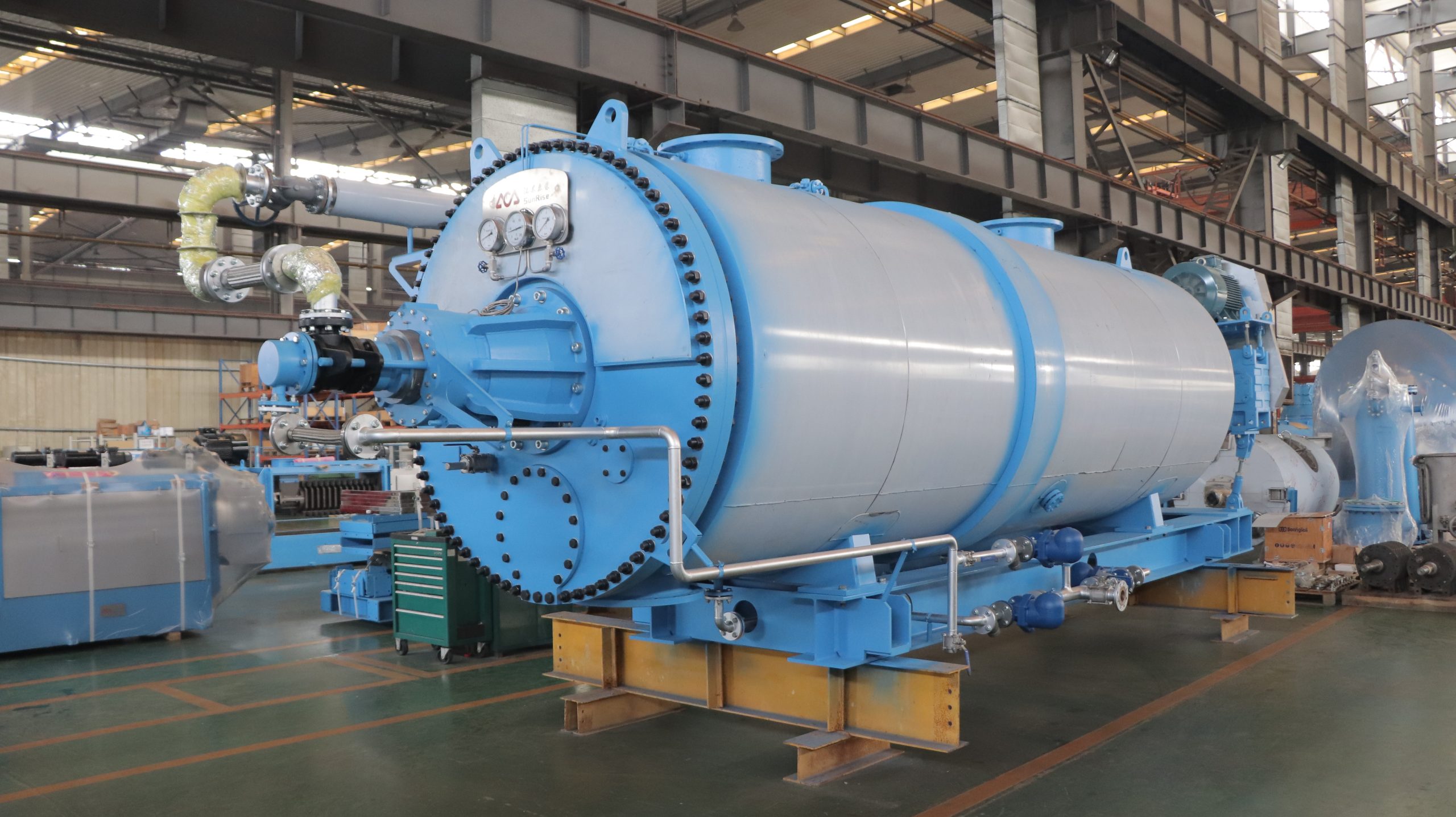
Sunrise Rendering’s feather meal equipment line handles the whole sequence as an integrated train, which matters because mismatched components are where most plants lose efficiency.
Disposal vs. Processing — A Side-by-Side Reality Check
Operators sometimes argue that disposal “works fine.” It does — until it doesn’t. Rising tipping fees, methane regulations, and odor complaints from neighbors have closed more than a few landfill contracts in the past five years. Here is how the two options compare directly on numbers that matter to a plant manager.
The gap is not subtle. Processing turns a guaranteed expense into a guaranteed revenue stream, while also eliminating the regulatory and PR risk that comes with landfilling protein-rich organic waste.
Real-World Application: A Southeast Asian Broiler Integrator
Consider a real scenario we’ve seen in the field. A vertically-integrated broiler operation in Indonesia was processing 180,000 birds per day across two plants. Feathers went to a contracted hauler at roughly $35/tonne for removal. Total disposal cost: ~$340,000 per year. The plant manager was getting odor complaints from a nearby village and the regional environmental authority had issued two warnings.
After installing a hydrolysis-and-dry line sized for ~9 tonnes/hour wet feather throughput, the operation began producing about 2,700 tonnes of feather meal annually. Their own internal aquafeed mill (they also operated a shrimp farm) absorbed about 60% of production; the rest was sold to a regional petfood compounder. Within 22 months, the line had paid for itself. The neighboring village stopped complaining — because the feathers stopped piling up.
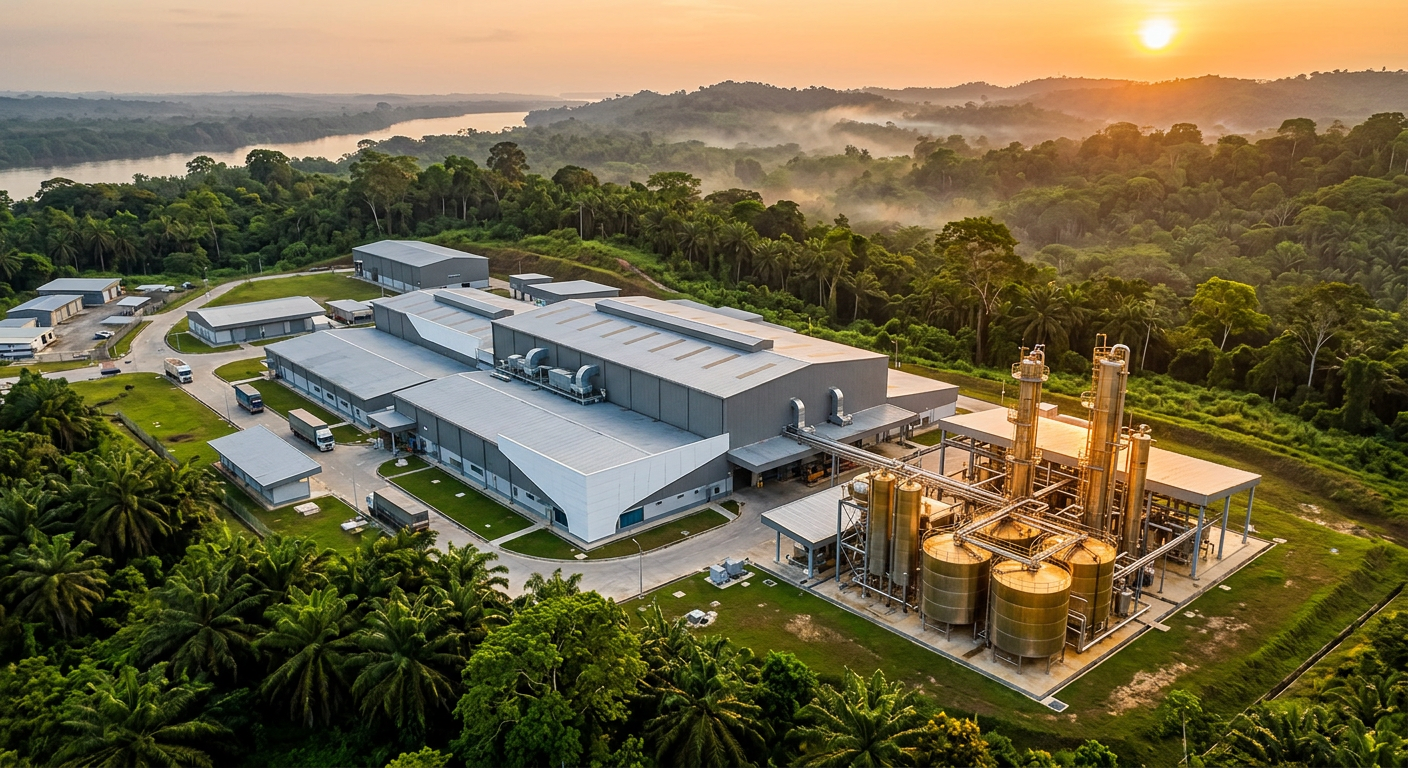
This kind of closed-loop integration, where the protein flows from broiler to feed to aquaculture within one corporate group, is exactly what is driving feather meal adoption across poultry waste rendering operations in growing markets.
Equipment Choices That Make or Break Your Margin
Three pieces of equipment determine whether your feather meal line earns or bleeds money.
The hydrolyzer
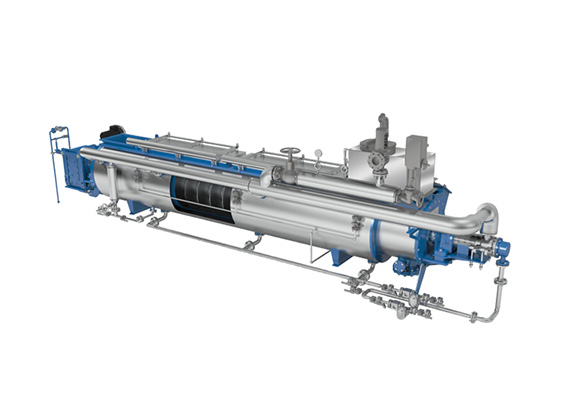
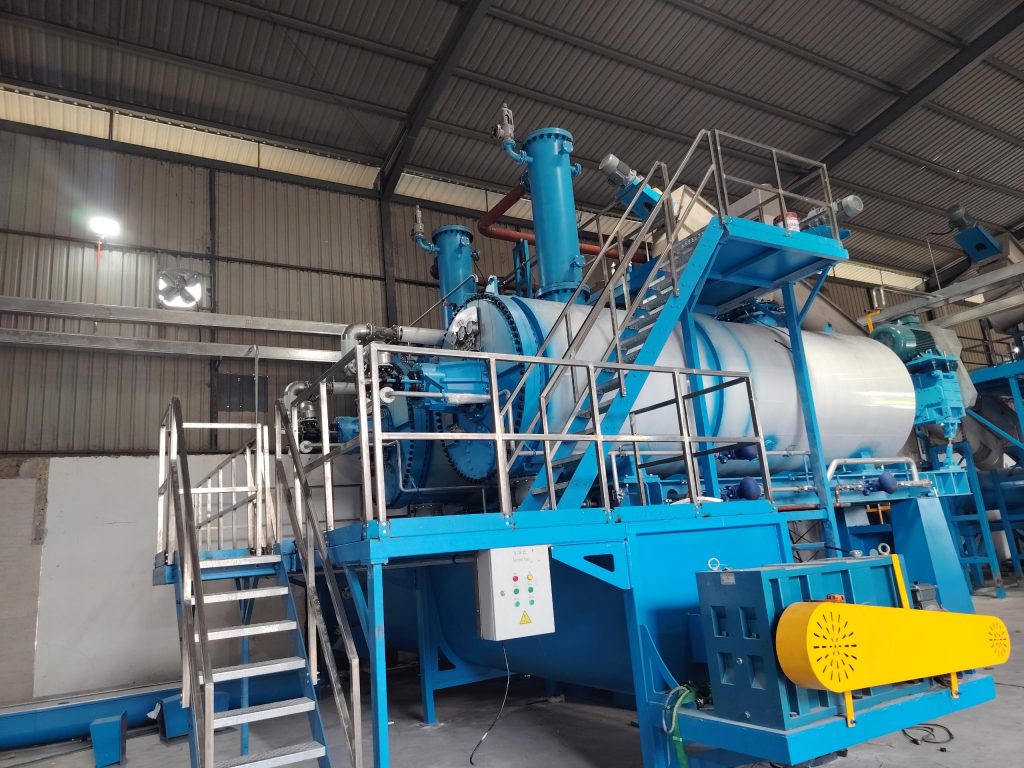
Batch cookers offer more flexibility and lower CAPEX; continuous hydrolyzers offer better thermal efficiency and consistent product quality for plants running 24/7. For most operations under 5 tonnes/hour wet feather input, batch is the smarter choice. Above that, continuous wins.
The feather press
A good feather press drops incoming moisture from 65% to under 50% before cooking. That single step can cut steam consumption by 25–30% — which on a 1,500 tonne/year line is real money, easily $80,000–$120,000 annually in fuel costs alone.
The dryer
Disc dryers handle feather slurry better than rotary dryers because the gentle indirect heat preserves amino acid quality. Cysteine and lysine — the most valuable amino acids in your product — start degrading above 165°C. A dryer that runs cooler and longer beats one that runs hot and fast every time.
Quality Specs That Buyers Actually Check
Feather meal is not a commodity — buyers grade it carefully. The premium tier and the discount tier can be separated by a single bad batch. Here is what the lab tests measure when your truck arrives at a feed mill:
- Crude protein: ≥80% (premium grade ≥85%)
- Pepsin digestibility: ≥75% (the single most important indicator of proper hydrolysis)
- Moisture: ≤10%
- Fat: ≤7%
- Ash: ≤4%
- Salmonella: negative in 25 g sample
Pepsin digestibility is the one number that tells the buyer whether your hydrolysis worked. Anything below 70% suggests under-cooking or inconsistent pressure — and reputable buyers will reject the shipment outright. This is why temperature and pressure logging on the cooker is not optional. It is your quality insurance policy.
Environmental and Regulatory Wins You Can Bank
The financial case is strong on its own, but the regulatory tailwinds make the decision almost automatic. The EU’s Animal By-Products Regulation (1069/2009) and similar frameworks now adopted in Brazil, Thailand, and China require Category 3 poultry materials to be processed at 133°C/3 bar/20 minutes minimum — which feather hydrolysis already exceeds.
Carbon accounting matters too. Landfilling 5,000 tonnes of wet feathers emits roughly 1,200 tonnes of CO2-equivalent in methane over time. Rendering them captures that carbon as a feed product instead. Several European retailers now require their poultry suppliers to demonstrate byproduct valorization as part of their Scope 3 reporting — and that pressure is moving down the supply chain fast.
For a complete look at how feather processing integrates with broader byproduct valorization, see our overview of slaughter waste rendering solutions.
Where to Start If You’re Considering a Line
From there, the practical sequence looks like this:
- Audit your current feather volume and moisture content for 30 days.
- Identify potential buyers in your region — aquafeed, petfood, or organic fertilizer producers.
- Size equipment based on peak-week feather flow, not average flow (this is where plants get it wrong).
- Plan utilities — steam, power, water — before signing on equipment.
- Pilot small if uncertain; scale once the offtake contract is signed.
Sunrise Rendering has been building feather meal processing lines for nearly three decades, with installations across Asia, the Middle East, Africa. If you want to run the numbers for your specific plant — feather volumes, target product specs, available utilities — reach out and we will put together a sized proposal. The feathers are already free; the question is whether you keep paying to throw them away.