

Feather Meal Hydrolysis vs Drying: Why These Are Two Separate Process Steps
Feather Meal Hydrolysis vs Drying: Why These Are Two Separate Process Steps
They are separate because they do different work on the material. Hydrolysis uses high-pressure steam to break the disulfide cross-links and peptide bonds that make feather keratin indigestible, and drying only removes the water afterwards. Run them as one combined cook-dry cycle and you lose the ability to set either one independently, so the plant ends up trading amino acids away in the dryer to chase a digestibility number it never actually reaches.
Key takeaways
- Hydrolysis sets digestibility and drying only sets moisture, so a dryer cannot recover protein that was never hydrolysed; extra residence time there costs lysine for zero gain.
- Saturated steam ties hydrolysis temperature to pressure, which makes the pressure gauge a temperature setting and turns any severity change into a move along a single line.
- Mechanical dewatering between the two steps is the cheapest water removal in the line and the surest way to stop a dryer swinging between wet spots and scorching.
- Tune hydrolysis against a pepsin-HCl digestibility assay and a lysine figure, never against crude protein, and set drying purely for outlet moisture at the shortest heat exposure that holds it.
- Write the digestibility method, lysine minimum, ash and moisture maximums and the sampling plan into the supply agreement, or the number cannot be enforced.
Hydrolysis and Drying Do Two Different Jobs
A dryer cannot rescue a feather that was never properly hydrolysed. That one sentence settles most arguments about where to spend money on a feather line, because the two steps are not two intensities of the same operation.
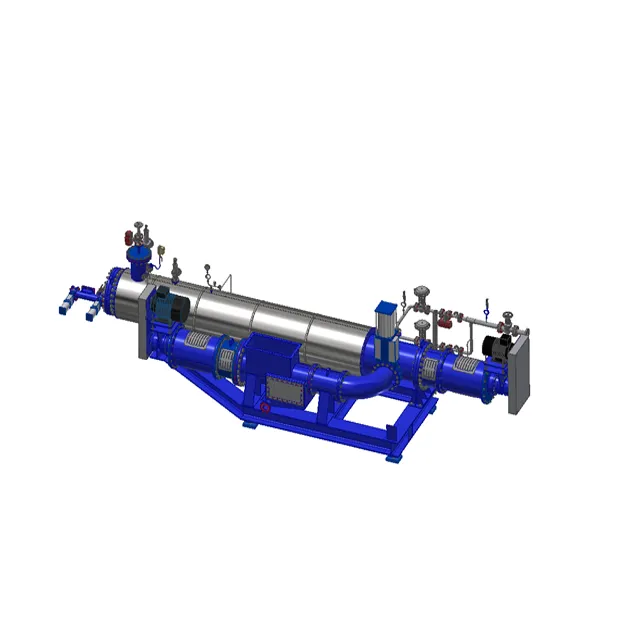
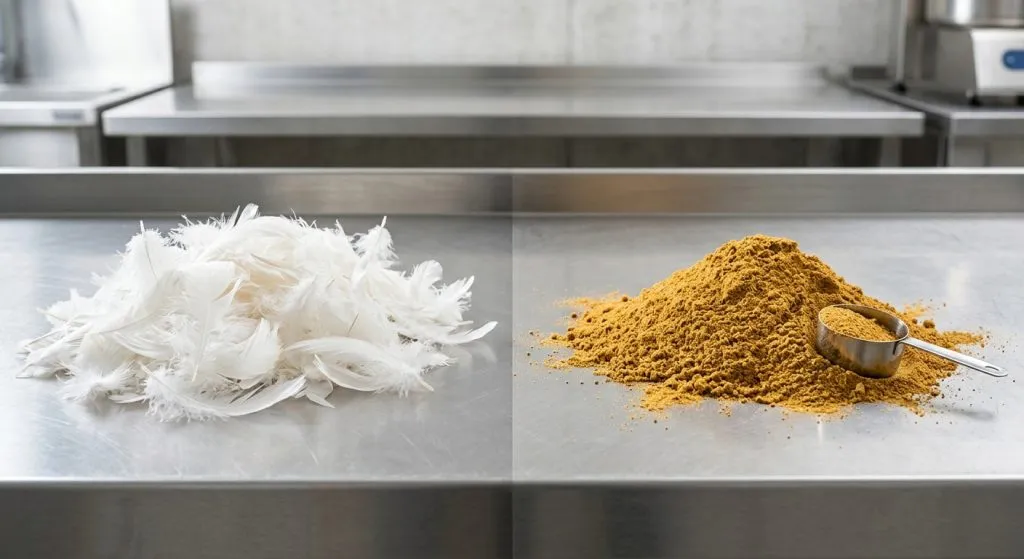
Hydrolysis is a chemical reaction. Heat, pressure and moisture break the peptide bonds in feather protein and cleave the disulfide network that holds keratin together. A feather meal machine does exactly this: it processes poultry feathers into feather meal through a hydrolysis process using high-temperature, high-pressure steam. Drying is a physical separation. Heat drives off the water the material carries out of the hydrolyser, and it changes no bonds at all.
Because the physics differ, the control variables differ, and that is the entire argument. Hydrolysis runs on steam pressure, holding time and moisture content. Drying runs on heating surface temperature, vapour exit temperature and residence time. A number that decides the outcome in one step is close to meaningless in the other.
Scale explains why the hydrolysis step exists at all. Feathers are roughly 5 to 7 percent of poultry body weight and keratin is 80 to 90 percent of feather mass, so the plant is handling a material that is almost entirely structural protein built to resist breakdown. That resistance is a survival feature, not a defect, and it is why raw or merely ground feathers pass through an animal largely undigested.
Treat the two steps as one and the failure is predictable: an operator chases a digestibility target by extending the cook, then dries at the same temperature, paying for heat twice and losing amino acids on the second pass without gaining digestibility. The feather meal equipment on a well-run line is specified so that each of those two jobs keeps its own setpoint.
What Hydrolysis Actually Changes Inside the Feather
Grinding a feather adds surface area. It does not touch the bonds that make the feather hard, which is why particle size alone never fixes digestibility.
Keratin’s strength is a dense beta-sheet structure locked by disulfide bonds between cysteine residues. Hydrolysis attacks those cross-links first, then hydrolyses peptide bonds, cutting intact protein down into peptides small enough to be absorbed. The process involves applying heat and pressure to the feathers to break down the proteins into smaller fragments, and that fragment size is what the animal’s gut can actually use.
Pressure is a temperature setting
Saturated steam ties temperature to pressure. You cannot raise one without the other, so the pressure gauge on a hydrolyser is really a temperature gauge, and an operator dialling in a cook is choosing a temperature whether they think of it that way or not. It also means a pressure trace is a legitimate process record in a way that a jacket temperature reading is not.
Moisture is a reactant
Dry keratin hydrolyses far more slowly than wet keratin. Steam injection supplies heat and water together, and pre-wetting matters enough that some dryers are built with a swing door that opens during drying to allow moisture addition from an outside source. A dry batch cooked at the right pressure for the right time will still underperform a wet one.
Where the curve turns down
Digestibility improves with severity, then flattens, then falls. Past the useful point, extra breakdown produces free amino acids and ammonia the animal cannot use and the dryer stack carries away. Lysine is the first casualty, which is how a meal ends up with crude protein flat or even rising while its nutritional value drops.
Route choice is a real choice. Hydrolysis in the presence of Ca(OH)2 speeds the reaction and leaves ash in the meal. Enzyme treatment with keratinase and protease runs at mild temperature but needs longer holding and tighter pH control. Acid treatment and fermentation exist as well. None of them is free, and finished meal typically lands at 80 to 85 percent protein whichever route you take.
Drying Removes Water, and That Is All It Should Do
Material leaving hydrolysis is wet, hot and already hydrolysed. The dryer has one job: reach the moisture that the buyer’s spec and the storage life require. When a plant expects the dryer to also improve protein quality, it starts paying for a reaction that finished upstream.
Every extra minute in the dryer applies more heat to protein that is as digestible as it is going to get. The return on that heat is zero and the cost is lysine, colour and palatability. Water removed by evaporation costs steam; water removed by pressing costs electricity. That price gap is the entire reason a dewatering step sits between the two.
Two temperature knobs, not one
On an indirect dryer, heating surface temperature and vapour exit temperature are different variables doing different things. High surface temperature with short residence scorches particles. Low temperature with long residence bakes them. Neither profile appears on a moisture certificate, which is how two plants hit the same moisture spec and ship visibly different meal.
Residence time distribution is the hidden variable. A dryer that short-circuits lets wet lumps pass while over-drying the fines around them, so the average moisture looks acceptable and the bag still cakes in the warehouse.
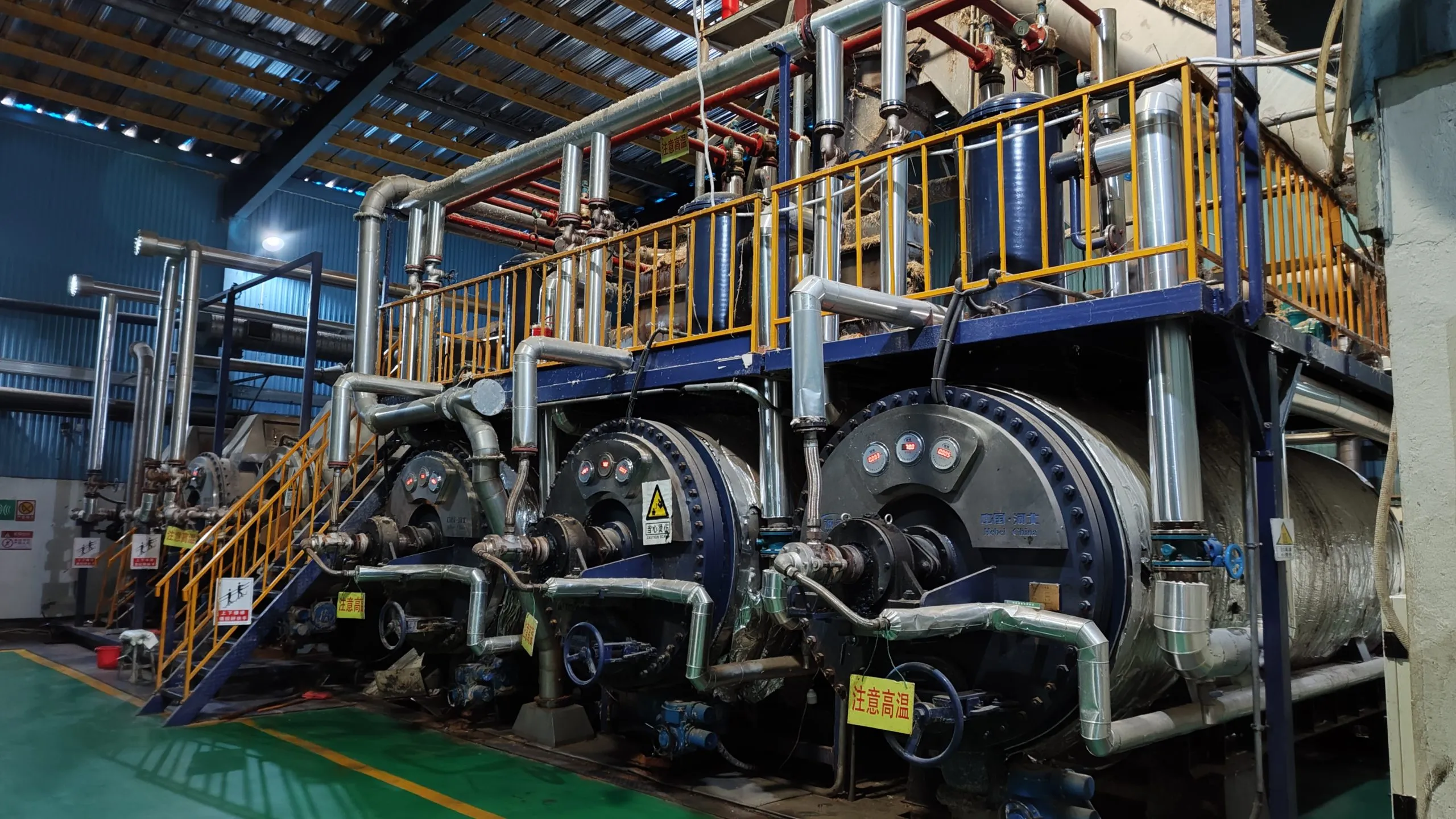
Indirect heating keeps steam out of the product, so the dryer is not adding moisture back. An open door or a leaking joint will, and it presents as a dryer that cannot hold its outlet moisture no matter how much steam you give it. The Jiangsu Sunrise disc dryer is indirect steam heated and built for continuous cooking or drying of animal by-products or fish, with a drum head, scraper blades and fans. Drum head material and thickness are where dryer specifications quietly diverge, which is why choosing where to buy a disc dryer deserves more than a quote comparison.
One Vessel or Two: How the Steps Get Merged in Practice
Most feather lines merge the steps whether or not anyone planned it that way. A batch cooker does it by design: the same jacketed shell cooks the batch, then the vessel is vented and heating continues so the same mass dries in place.
That is compact, it needs one pressure vessel, and it works. The cost is a shared temperature history. The operator cannot drop product temperature for drying without effectively ending hydrolysis, and cannot hold hydrolysis conditions without continuing to evaporate. Every batch becomes a compromise between two targets that would prefer different conditions.
What splitting the duties buys you
A continuous line separates them. A hydrolyser holds pressure and temperature for a defined residence time, the material is discharged, and dewatering and drying become distinct operations. Consistency stops being a compromise and becomes two setpoints: one for digestibility, one for final moisture, each adjustable without disturbing the other.
It also costs floor space, a pressure-rated vessel, a transfer step and a second heat source. That is the honest reason many small plants stay with a batch cooker and manage it carefully instead of rebuilding. Sunrise builds batch cookers to GB150 pressure vessel design rules, with indirect steam heating through the jacket, intermediate pipes and wall pipes, converting animal by-products into feather meal, meat and bone meal, and oil, in a range of models for different production scales.
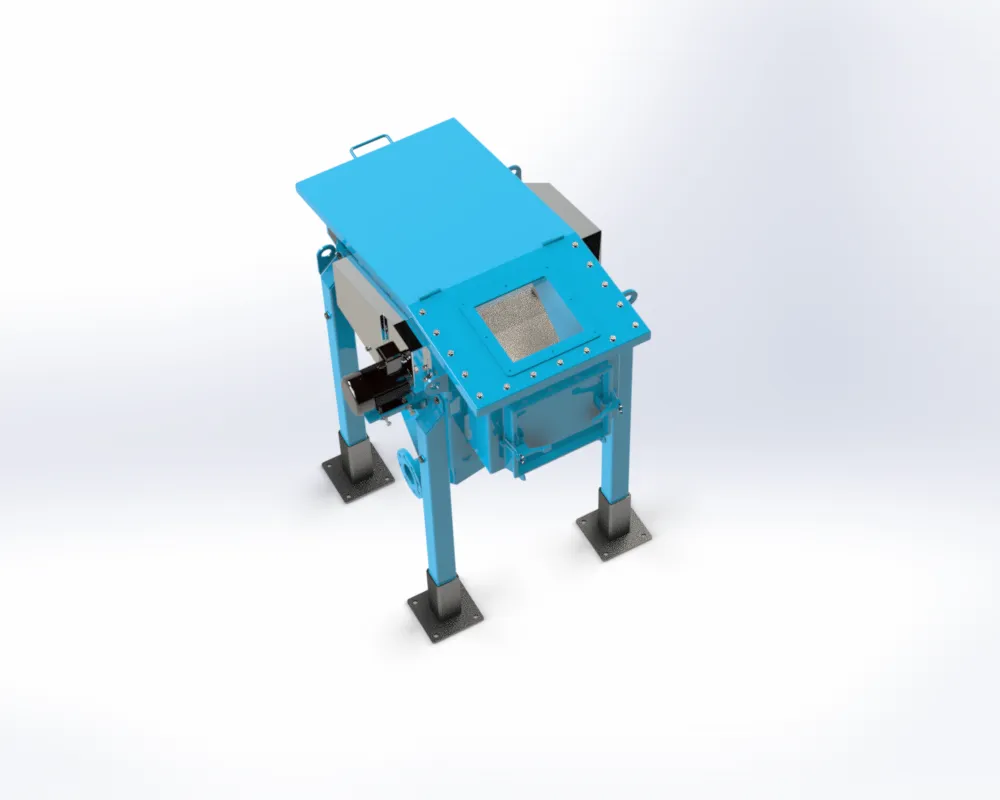
One thing changes once the steps separate: upstream particle size starts to matter more. A continuous hydrolyser has no stir-through equalisation to hide inconsistent feedstock, so pre-crushing with a pre-breaker or a double shaft crusher moves from optional to load-bearing.
The Step Between Them: Dewatering Pays for Itself
Mechanical dewatering is the cheapest water removal in the line, and it is the step most often missing from a quote that lists only a reactor and a dryer.
- Discharge. Hydrolysed feather material leaves the reactor carrying free water a press can remove mechanically. That water would otherwise be evaporated at steam cost, and evaporating it lengthens the heat exposure of protein that is already fully hydrolysed.
- Buffer. A buffer bin between a batch hydrolyser and a continuous dryer decouples them, so a slug of discharge does not become a slug through the entire downstream line.
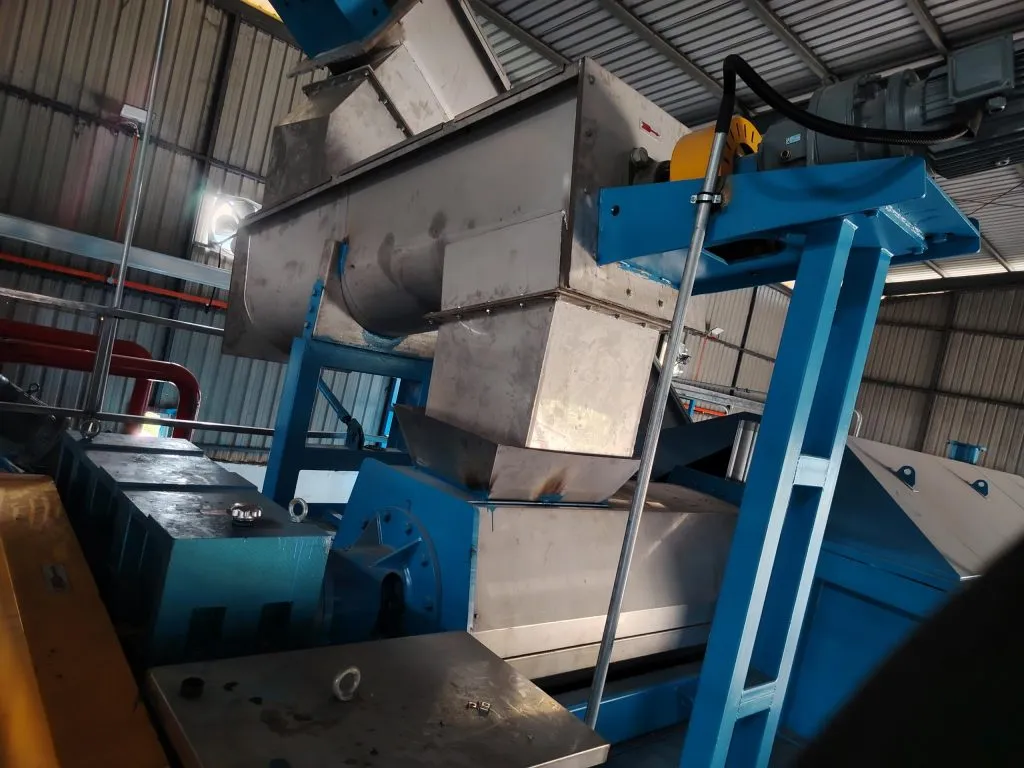
- Press. A screw press takes out free water and recovers fat and soluble protein in the liquor. Cake moisture becomes consistent rather than swinging, which matters because variable cake moisture is the most common cause of a dryer alternating between wet spots and scorching.
- Filtrator on the liquor. Fines recovered here are product, not waste, and they keep downstream equipment cleaner.
- Evaporation. The press liquor is a load for an evaporation concentration system, not for the drain. Deciding that before purchase changes the whole utility picture.
- Transfer. A screw conveyor carries cake to the dryer, and its capacity is set by diameter, pitch and speed rather than by motor size. Stainless construction on conveying and contact surfaces is not a luxury on a line moving hot hydrolysed material and press liquor.
Which Variables Move Digestibility and Which Only Move Cost
Most troubleshooting fails because operators turn several knobs at once and then cannot attribute the result. Sort the variables by what they actually control before touching anything.
| Criteria | Hydrolysis | Drying |
|---|---|---|
| What the step controls | Bond breakdown and digestibility | Final moisture and storage life |
| Primary control variables | Steam pressure, holding time, moisture, alkali or enzyme dose | Surface temperature, vapour exit temperature, residence time |
| What it changes in the material | Disulfide cross-links and peptide bonds | Water content only, no bonds touched |
| Damage when pushed too far | Lysine loss, free ammonia, bitterness | Scorching, colour loss, caking |
| Variables you can trade | Time against temperature, linked by saturated steam | Surface temperature against residence time |
| Best verified by | Pepsin-HCl digestibility, lysine, volatile nitrogen | Outlet moisture, bulk density, colour |
| Typical failure signature | Quill fragments or an ammonia smell | Wet lumps with burnt surfaces |
Digestibility movers are hydrolysis temperature, holding time, moisture present during hydrolysis, alkali or enzyme dose, and upstream particle size. Cost movers are dryer steam pressure, dryer residence time, dewatering efficiency, condensate return, and fan and drive power. Damage movers are dryer surface temperature, total heat exposure after hydrolysis, and time spent at temperature while residual moisture is still present.
The overlap is hydrolysis time, simultaneously a digestibility lever and a damage lever. That dual role is why it has to be set against an assay rather than by feel. Pairing it with temperature is unavoidable, because saturated steam binds the two together, so any severity change is a move along one line rather than along two independent axes.
The working order: fix the digestibility target from the buyer, tune time and temperature together against that target, then tune drying strictly for moisture using the shortest heat exposure that achieves it. Single-variable tuning misleads. Cutting hydrolysis time without re-checking dryer load just moves the problem downstream to a wetter cake and a longer dry, which is the same steam bill the review of rendering plant energy consumption goes after from the utility side.
Failure Modes That Show Up Weeks Later
Feather line problems rarely announce themselves on the day they start. They surface as a rejected load, a customer complaint about palatability, or a dryer that suddenly cannot keep up. Match the symptom to the cause.
- Over-hydrolysis. Ammonia smell, dark colour, bitter or savoury off-notes that pet food buyers reject, and a digestibility figure that has stopped improving despite more cook time.
- Under-hydrolysis. Visible quill fragments in the milled meal, and a certificate showing acceptable crude protein sitting next to a poor pepsin digestibility result.
- Ash creep. Lime or neutralisation salts from chemical hydrolysis, plus grit and soil picked up at feather handling, pushing ash over spec with no process change at all. The discipline behind reducing ash in rendered protein meal starts at intake, not at the reactor.
- Scorching in the dryer. Dark particles, burnt notes and case-hardened lumps that are still wet inside: surface temperature running ahead of residence time.
- Sticky, caking product. Over-hydrolysis combined with bagging hot. It cakes in the bag, then again in the silo.
- Batch drift. Small shifts in feather source, incoming moisture or ambient temperature that a single-vessel cook-dry cycle cannot compensate for because both steps move together.
- Odour. Dryer vapour carries ammonia and volatile nitrogen out of the wet meal, and it leaves the line in far greater volume than the reactor blow-off does. That is why site complaints usually trace back to drying rather than to hydrolysis.
How to Prove a Batch Is Good: Testing Beyond Crude Protein
Crude protein measures nitrogen, not availability. A strong protein figure on top of poor digestibility is the classic feather meal failure, and it is the first thing an experienced buyer tests for.
- Pepsin-HCl digestibility. The routine check. The official method digests the sample with dilute hydrochloric acid and pepsin under fixed conditions, and it cleanly separates meal that was properly hydrolysed from meal that was merely cooked. Ask for the method, not just the number.
- Ash, fat, moisture and bulk density. These catch the process problems sitting behind the digestibility figure: lime load, press performance, dryer control and particle condition.
- Free ammonia or volatile nitrogen. A cheap in-house marker for over-hydrolysis. Absolute values mean little across plants, so use it as a trend line against your own baseline.
- Ileal amino acid digestibility. The figure that actually predicts animal performance, but it needs a live-animal trial. Most plants run pepsin digestibility plus a lysine analysis as the practical proxy.
- Contract terms. Put the digestibility method and its minimum, a lysine minimum, ash and moisture maximums, and the sampling plan into the supply agreement. A number without a named method cannot be enforced.
- Retention samples. Keep one from every batch. Drift across months is invisible without a reference to compare against.
Specifying a Line That Keeps the Two Steps Apart
A feather line is bought once and then has to serve for the whole of its working life, so the specification should be written around the two setpoints rather than around tonnage.
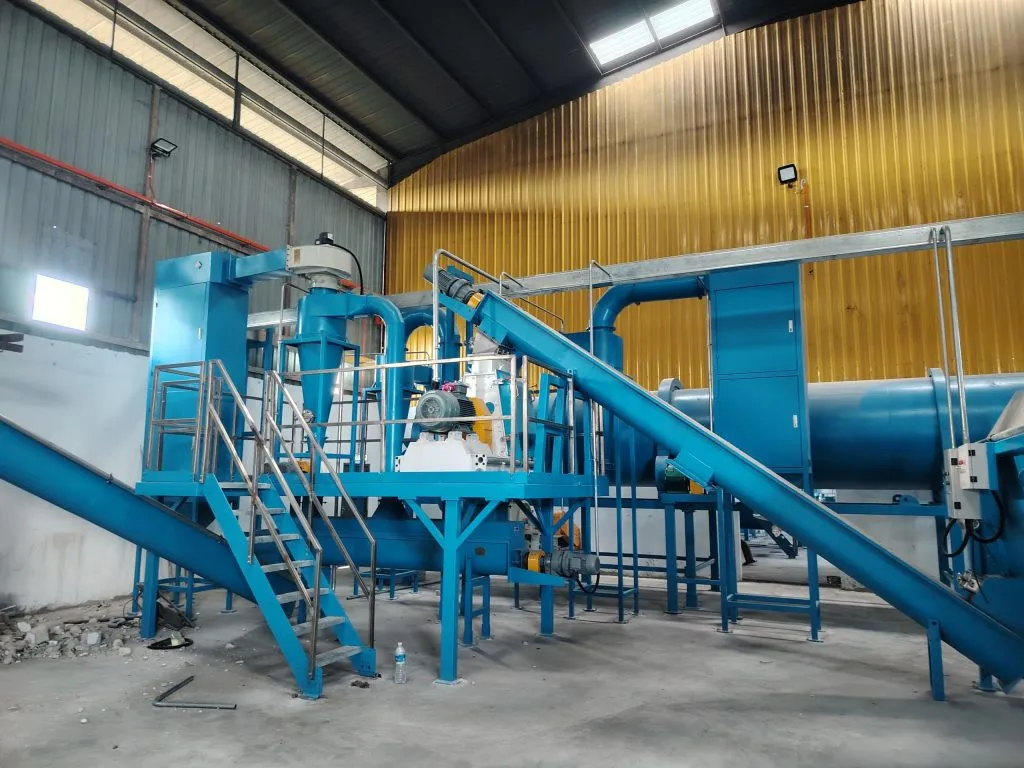
- Scope from feather intake onward: receiving and buffer capacity, pre-crushing, hydrolysis, dewatering, liquor handling, drying, cooling, milling and finished storage. A quote that stops at the reactor leaves the hard parts to the buyer.
- Utilities and mass balance: steam demand of the hydrolyser plus the dryer, condensate return, cooling water or air cooled condensers, and power for presses and fans. This is where turnkey quotes diverge most.
- Odour control inside the scope: a cyclone ahead of the scrubber to stop it fouling, a scrubber on dryer vapour and reactor blow-off, and exhaust abatement downstream. Bolting odour control on afterwards costs more and works less well.
- Decide the press liquor route before purchase.
- Cooling is separate from drying. Skipping it undoes the drying work, for the reasons set out in cooling animal protein meal before bagging and storage.
- Ask for guarantees, not tonnage. Any supplier should state the digestibility and the moisture they will guarantee, and the assay behind each. A line sold on tonnes per hour has no way to be held to product quality.
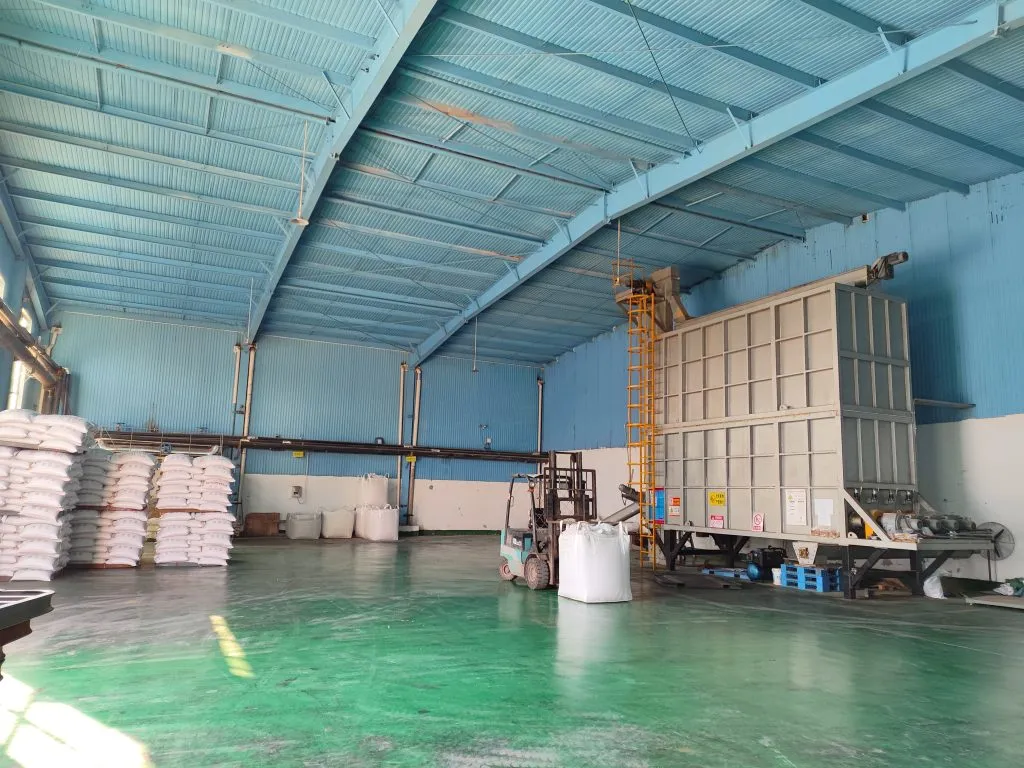
Sunrise has spent 30 years on livestock and poultry rendering plant processing equipment as a comprehensive environmental protection technology company, with a drying process holding more than 80 percent of the domestic market. The feather meal machine, continuous hydrolyser, disc dryer, milling plant, buffer and material bins, evaporation concentration system, cyclone dust collector, chemical scrubber and exhaust abatement are offered as one line, so the conversation can start from a full flowsheet rather than from a single machine.
Frequently asked questions
How is feather meal produced?
Feathers from the slaughter line are hydrolysed under high-temperature, high-pressure steam, sometimes with lime or enzymes, then dewatered, dried, cooled and milled. Hydrolysis breaks the disulfide bonds that make raw keratin indigestible; drying only removes water afterwards. Finished meal typically runs 80 to 85 percent protein, and its digestibility depends on the hydrolysis conditions, not on the drying.
What does pepsin digestibility tell you about feather meal?
It tells you how much of the protein an animal can actually break down and absorb, which crude protein does not. The pepsin-HCl method digests a sample with dilute hydrochloric acid and pepsin under fixed conditions and separates properly hydrolysed meal from meal that was merely cooked. Always ask which method produced the figure before comparing two suppliers.
Can a dryer fix under-hydrolysed feathers?
No. Drying removes water and changes no bonds, so additional heat in the dryer cannot break the keratin cross-links that limit digestibility. Under-hydrolysed meal stays under-hydrolysed while losing lysine and colour to the extra heat. If quill fragments or a poor pepsin result appear, the correction belongs in hydrolysis time, temperature or moisture, not in the dryer.