Analyse détaillée de la production de déchets d'abattage du bétail et de la volaille : proportion et valeur de traitement des composants viscères, graisses et os
Analyse détaillée de la production de déchets d'abattage du bétail et de la volaille : proportion et valeur de traitement des composants viscères, graisses et os
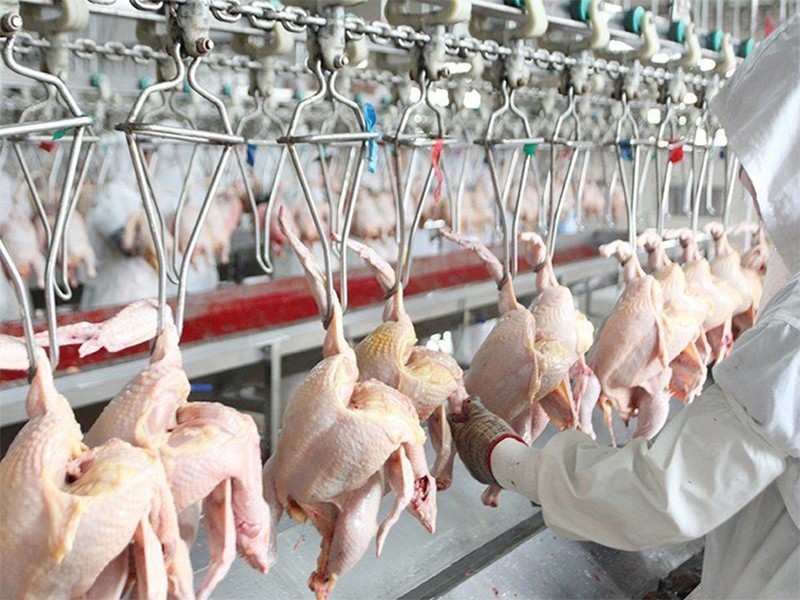
Dans la chaîne industrielle de l'abattage et de la transformation du bétail et de la volaille, les composants autres que la carcasse, tels que les viscères, les graisses et les os, sont les cibles principales du traitement de valorisation des déchets d'abattage du bétail et de la volaille. Représentant une proportion considérable du poids vif, ces matières ne sont pas seulement des éléments clés sous contrôle de la gouvernance environnementale, mais aussi des ressources valorisables pouvant être converties en farines de viande et d'os et en graisses industrielles. Leur production précise est la base essentielle pour les entreprises d'abattage afin de sélectionner les équipements de traitement et de calculer les bénéfices de capacité de production.
I. Définition essentielle : trois types de composants constituent le corps principal des déchets d'abattage du bétail et de la volaille
L'industrie désigne généralement les parties non-carcasse après l'abattage, telles que les viscères, les graisses, les os et le sang, comme sous-produits d'abattage. Dans les scénarios de traitement inoffensif et de valorisation, ces matières nécessitant une élimination centralisée sont toutes incluses dans le champ de gouvernance des déchets d'abattage du bétail et de la volaille. Selon les directives de l'industrie de l'abattage de l'Organisation des Nations Unies pour l'alimentation et l'agriculture (FAO), la quantité totale de sous-produits d'abattage du bétail et de la volaille dépasse souvent 50 % du poids vif. Parmi eux, les viscères, les graisses et les os sont les trois composants essentiels avec la proportion la plus élevée, et aussi les principales matières premières pour les équipements de traitement par fusion à haute température.
II. Proportion de référence de chaque composant dans le poids vif des principaux bétails et volailles
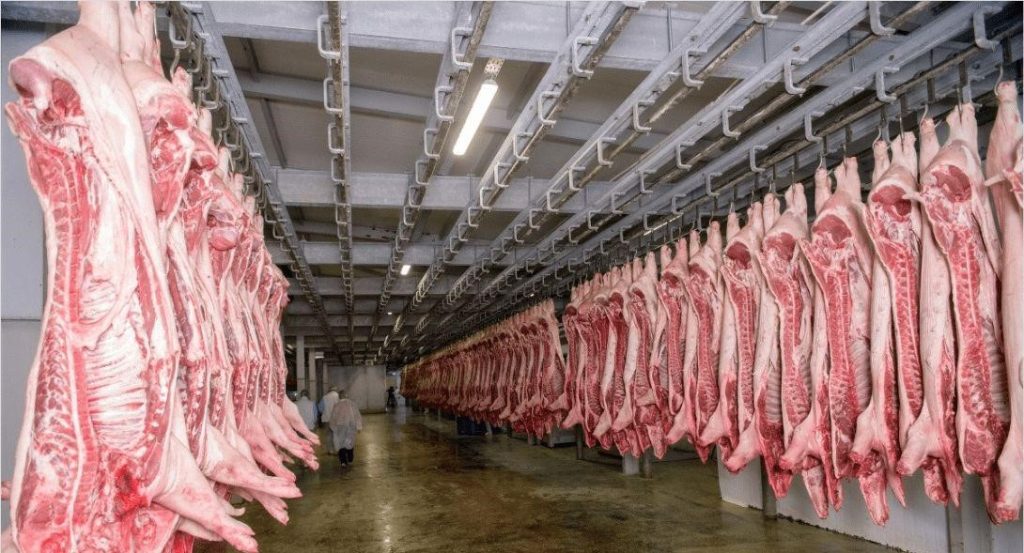
Il existe des différences significatives dans la structure physiologique des différentes catégories de bétail et de volaille, ce qui entraîne de grandes différences dans la proportion des composants des déchets d'abattage du bétail et de la volaille. Voici les données générales de l'industrie sur la proportion dans le poids vif :
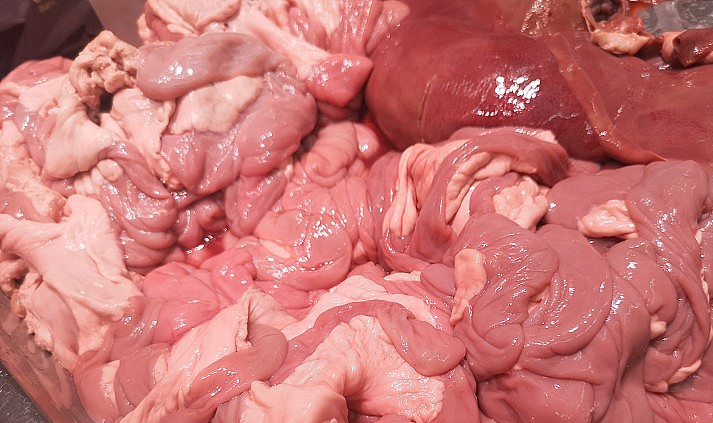
- Porcs: Les sous-produits totaux représentent 25 % à 28 % du poids vif. Parmi eux, les graisses séparables (panne, graisse de crépine, etc.) représentent environ 9 % du poids vif, les viscères (cœur, foie, reins, poumons, tractus gastro-intestinal, etc.) représentent 6 % à 8 %, et les os représentent 10 % à 12 % du poids vif.
- Bovins: Les sous-produits totaux représentent 38 % à 48 % du poids vif. Parmi eux, les graisses séparables représentent 8 % à 11 % du poids vif, les viscères (y compris les systèmes digestifs tels que le rumen) représentent 10 % à 13 % du poids vif, et les os (y compris les os de la tête et des sabots) représentent 15 % à 18 % du poids vif.
- Moutons: Les sous-produits totaux représentent 48 % à 52 % du poids vif. Parmi eux, les graisses représentent 4 % à 6 % du poids vif, les viscères représentent 8 % à 10 % du poids vif, et les os représentent 11 % à 13 % du poids vif.
- Volailles: Les sous-produits totaux représentent 30 % à 40 % du poids vif. Parmi eux, les graisses représentent 5 % à 7 % du poids vif, les viscères représentent 8 % à 10 % du poids vif, et les os représentent 13 % à 15 % du poids vif.
III. Attribut de valorisation des ressources : les déchets sont aussi des ressources valorisables
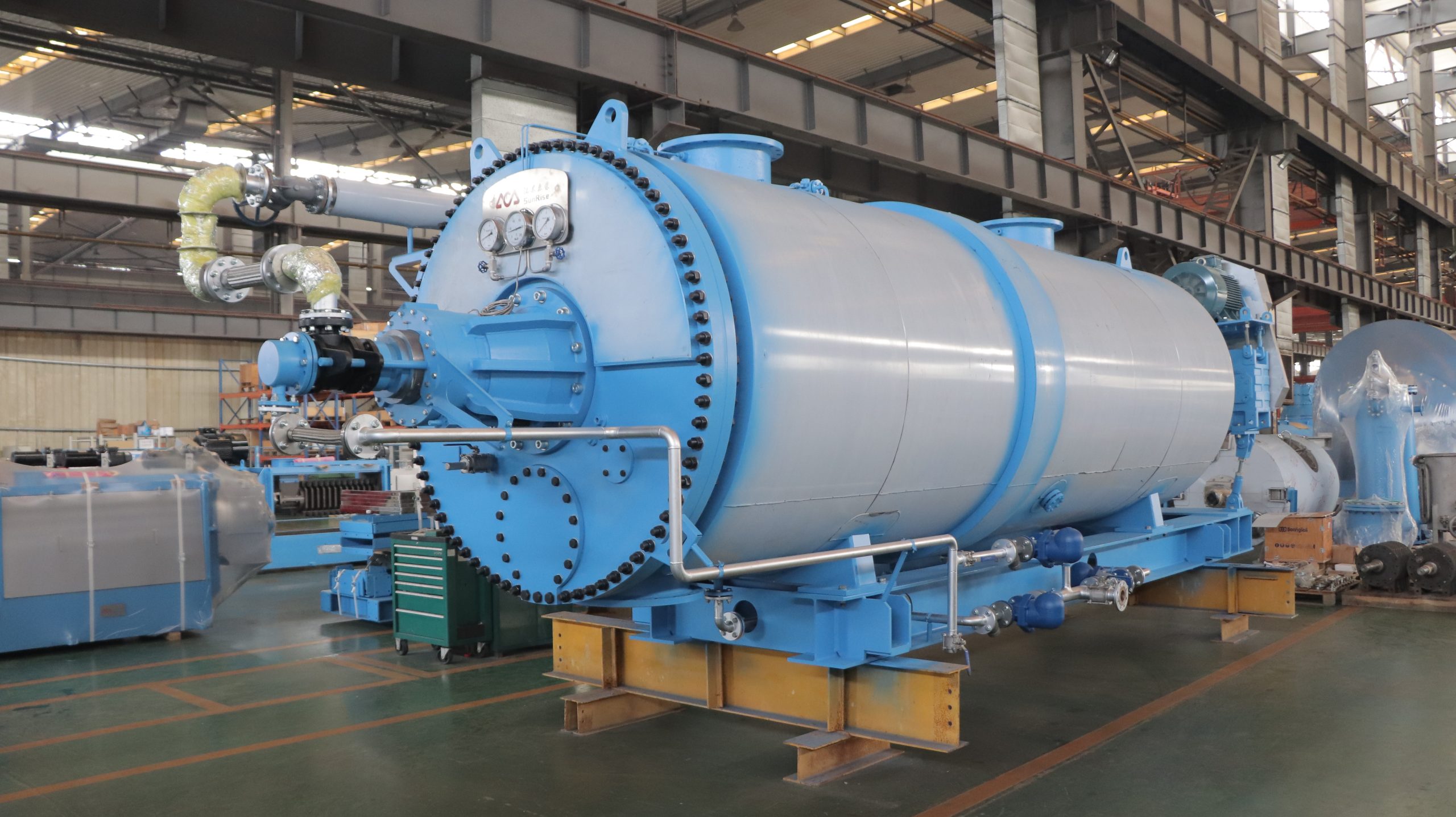
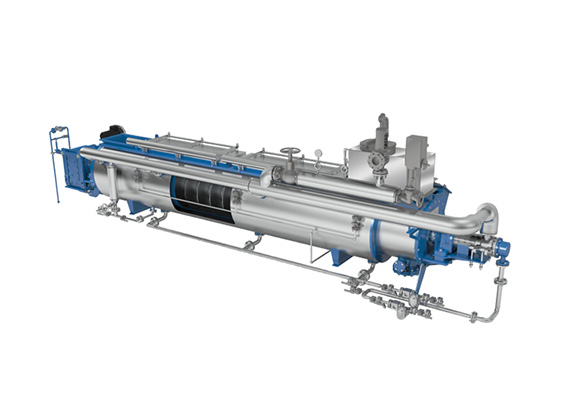
Ce type de déchets d'abattage du bétail et de la volaille n'est pas un déchet inutile. Après traitement par des procédés tels que la fusion à haute température, le pressage pour dégraissage, la stérilisation et le séchage, des produits à haute valeur ajoutée peuvent être produits : les graisses peuvent être raffinées en huiles industrielles et en matières premières pour le biodiesel ; les protéines des os et des viscères peuvent être transformées en farines de viande et d'os comme matière première complémentaire pour les protéines alimentaires, réalisant ainsi la transformation des déchets en trésor.
Pour les entreprises d'abattage, le choix des équipements de traitement doit être combiné avec les principales catégories de bétail et de volaille et le volume d'abattage quotidien, et l'échelle de traitement quotidienne doit être calculée selon les proportions de composants ci-dessus, tout en respectant des exigences strictes telles que la production fermée et la conformité environnementale. Avec la montée en gamme de l'industrie nationale de l'abattage, le traitement des déchets d'abattage du bétail et de la volaille est passé d'une nécessité de conformité à un point de croissance des bénéfices. Des équipements inoffensifs professionnels adaptés au traitement multi-composants et continu deviennent la configuration essentielle pour les entreprises d'abattage modernes afin de réduire les coûts et d'augmenter l'efficacité.
Liens vers les sources de données
- Directives de l'industrie des abattoirs de la FAO : https://openknowledge.fao.org/server/api/core/bitstreams/f308144f-1b44-4dbb-aaca-9bbd2eaa6673/content/x6114e04.htm
- Étude de l'USDA sur les composants de sous-produits d'abattage (indexée dans la base de données académique PMC) : https://pmc.ncbi.nlm.nih.gov/articles/PMC3614052/
- Manuel statistique de la FAO sur les composants de la production de viande : https://www.fao.org/3/t0562e/T0562E08.htm