How to Read a Fish Meal Specification: Protein, Fat, Moisture, Ash, and Salt
How to Read a Fish Meal Specification: Protein, Fat, Moisture, Ash, and Salt
A fish meal specification tells you exactly what you’re paying for — and whether the price makes sense. The five numbers that matter most are crude protein (should sit between 60-68% for quality meal), crude fat (8-12% is normal, higher needs antioxidant protection), moisture (must stay under 10% to prevent mold), ash (below 16% signals good flesh-to-bone ratio), and salt (under 3% for most feed applications). Get these five right and you’ll spot a bargain — or a disaster — before the container even ships.
Crude Protein: The Number Everyone Fixates On (And Why That’s Risky)
Here’s a mistake buyers make constantly: they see 65% protein on a spec sheet and assume the meal is good. Protein percentage alone tells you almost nothing about digestibility or amino acid quality.
Crude protein is calculated from nitrogen content, not measured directly. That means non-protein nitrogen sources — even things like added melamine in the worst cases — can inflate the number without adding real nutritional value. A reputable supplier will also report available lysine and available protein (digestible protein), not just crude protein.
What to actually check
- Ask for pepsin digestibility results — anything below 90% suggests overheated or damaged protein
- Cross-check protein against ash: high protein with high ash is mathematically suspicious
- Request amino acid profile for lysine and methionine if you’re formulating aquafeed
For context, a buyer sourcing meal for a shrimp hatchery might reject a 68% protein batch with poor digestibility in favor of a 63% batch that digests better — the lower number on paper delivers more usable nutrition in the pond.

Crude Fat: Not Just a Number, But a Ticking Clock
Fat content between 8-12% is standard for quality fish meal, but the real question isn’t how much fat — it’s how stable that fat is. Fish oil is highly unsaturated, which means it oxidizes fast, generating heat and sometimes triggering spontaneous combustion in storage.
A spec sheet showing 14% fat without antioxidant treatment is a warning sign, not necessarily a defect. It just means the buyer needs to ask follow-up questions: Was ethoxyquin or a natural antioxidant added at the plant? What’s the peroxide value at time of shipment?
We’ve covered this exact risk in detail in our guide on preventing fish meal oxidation — worth reading before you sign a contract with a supplier who skips antioxidant dosing.
Moisture: The Cheapest Way Suppliers Inflate Weight
Moisture above 10% doesn’t just risk mold — it means you’re paying fish meal prices for water. Every percentage point of moisture above spec is a percentage point of product you didn’t actually get.
Standard commercial fish meal targets 8-10% moisture. Above 12%, you’re in danger territory: bacterial growth accelerates, caking occurs in storage, and the meal can heat internally, sometimes badly enough to scorch or combust in silos during transit.
A quick field test
Reputable mills provide a moisture certificate from an oven-dry test (105°C until weight stabilizes), not just a handheld meter reading taken dockside. If a supplier can’t produce lab documentation, treat the number on the spec sheet as a starting negotiating point, not a fact.
Ash: The Silent Indicator of Raw Material Quality
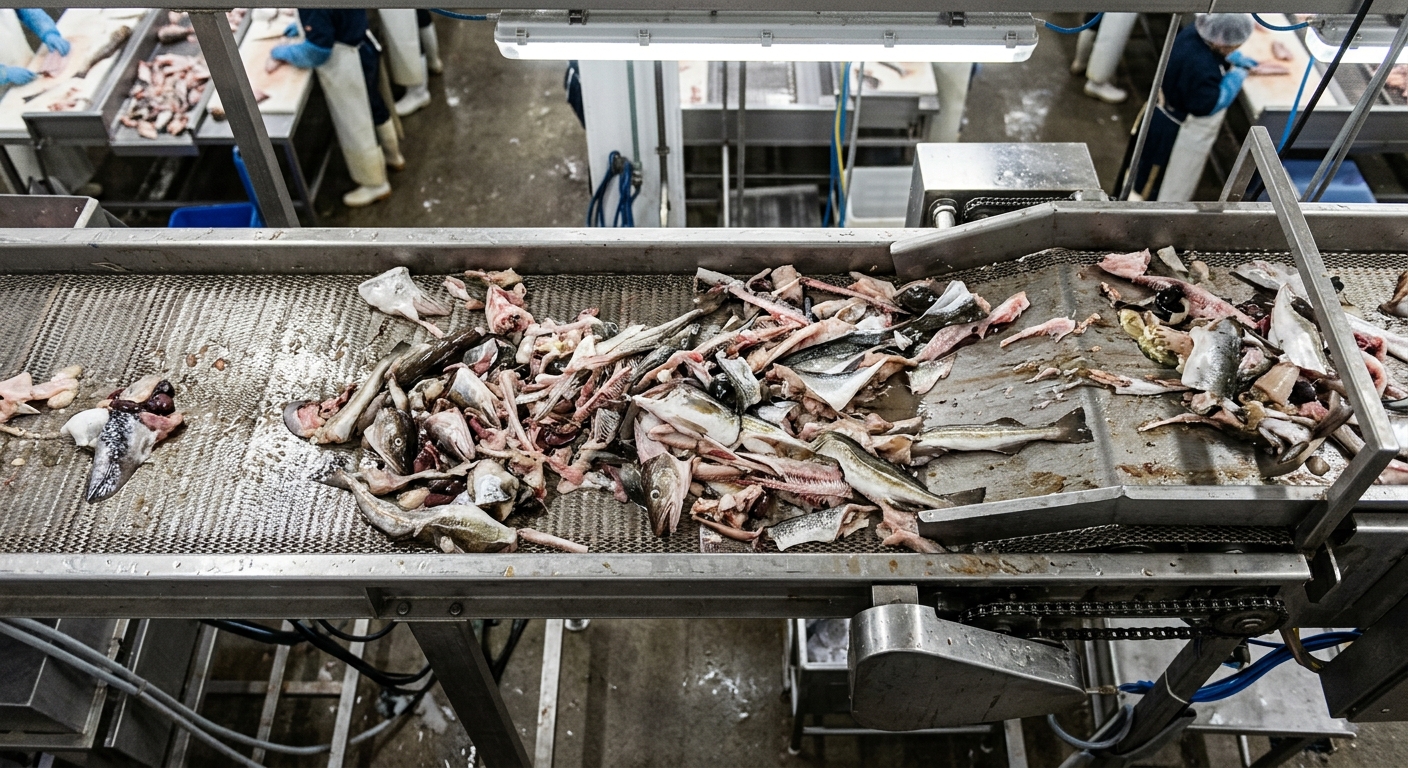
Ash content reveals how much bone, scale, and mineral matter went into the batch relative to actual fish flesh. Quality whole fish meal typically runs below 16% ash; anything above 20% usually means the raw material included excessive bone, heads, or frame waste rather than whole fish or fillet trimmings.
This matters practically: high-ash meal dilutes the protein and energy value per kilogram, so you end up feeding more to get the same growth response. For aquafeed formulators working within tight phosphorus limits (to control pond and effluent pollution), ash content directly affects how much fish meal they can include in the formula.
We explored a related version of this issue — from the meat and bone meal side — in reducing ash in meat and bone meal, and the same sorting logic applies to raw fish intake at the rendering stage.
Salt (NaCl): Small Percentage, Big Consequences
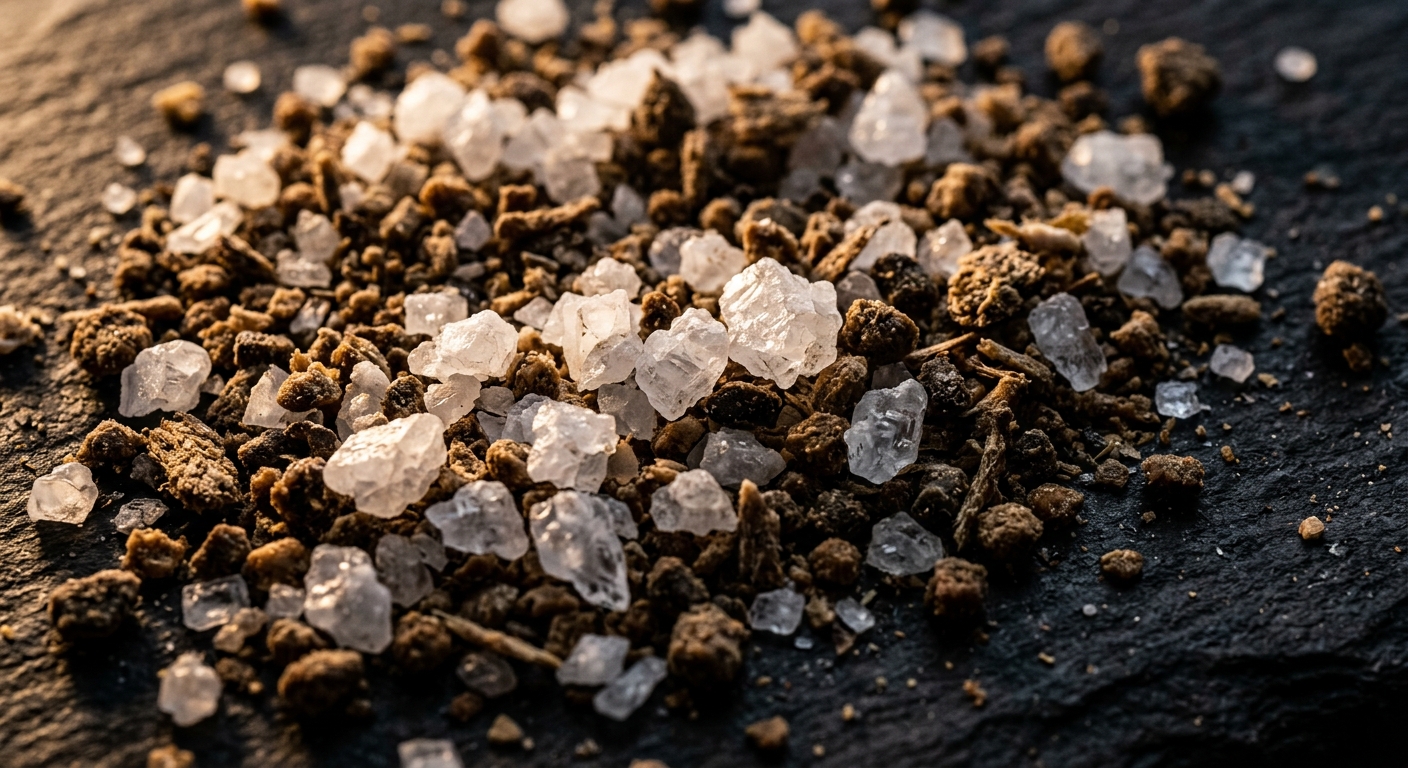
Salt content above 3% might look like a minor detail buried at the bottom of the spec sheet, but it can quietly cap your entire feed formulation. Salt gets concentrated in fish meal when saline processing water isn’t properly drained or when whole fish (rather than filleted trimmings) are the raw material — marine fish naturally carry higher sodium than freshwater species.
For layer and broiler diets, excess salt from fish meal combined with other salt sources in the formula can trigger wet litter, water intake spikes, and even mortality in young poultry. For shrimp feed, high salt is less of an issue since shrimp tolerate marine sodium levels well — so the acceptable threshold really depends on your end application.
How These Five Numbers Interact (Don’t Read Them in Isolation)
The mistake most buyers make is scanning each parameter individually instead of reading them as a system. Protein, fat, moisture, and ash together should add up close to 100% (with minor carbohydrate/fiber content making up the remainder). If the numbers on a spec sheet don’t roughly reconcile, something’s been misreported — intentionally or not.
For example, a spec showing 68% protein, 12% fat, 10% moisture, and 18% ash adds up to 108% — mathematically impossible. That’s an immediate red flag to send the sheet back and ask for a corrected lab report.
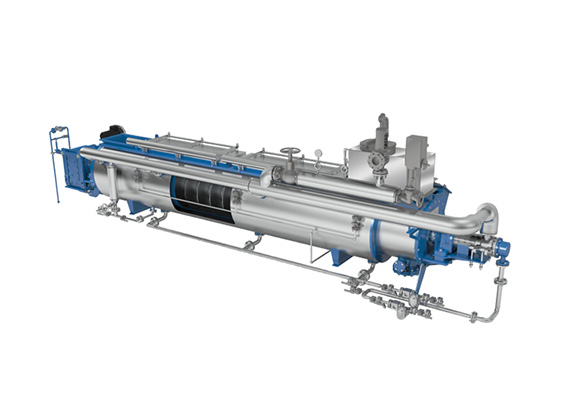
This is exactly the kind of quality control challenge that a properly engineered fish meal rendering machine is built to manage consistently, batch after batch, rather than relying on manual guesswork at each stage.
What a Trustworthy Spec Sheet Looks Like
A complete, credible fish meal specification includes more than the five headline numbers. Look for: batch number and production date, raw material species and source, TVN (total volatile nitrogen, indicating freshness of raw material before processing), pepsin digestibility percentage, and antioxidant type/dosage if applicable.
Suppliers who only hand over a one-line summary — protein 65%, fat 10%, moisture 9% — and nothing else are often hiding something, or simply don’t run proper lab testing. Insist on a full Certificate of Analysis (COA) with lab signature and testing method references (AOAC or equivalent).
If you’re evaluating suppliers or setting up your own processing line, our overview of rendering and protein processing products outlines the equipment configurations that support consistent, verifiable output batch after batch.