Checklist per la messa in servizio di un impianto di rendering: dall'installazione delle attrezzature al primo ciclo produttivo
Checklist per la messa in servizio di un impianto di rendering: dall'installazione delle attrezzature al primo ciclo produttivo
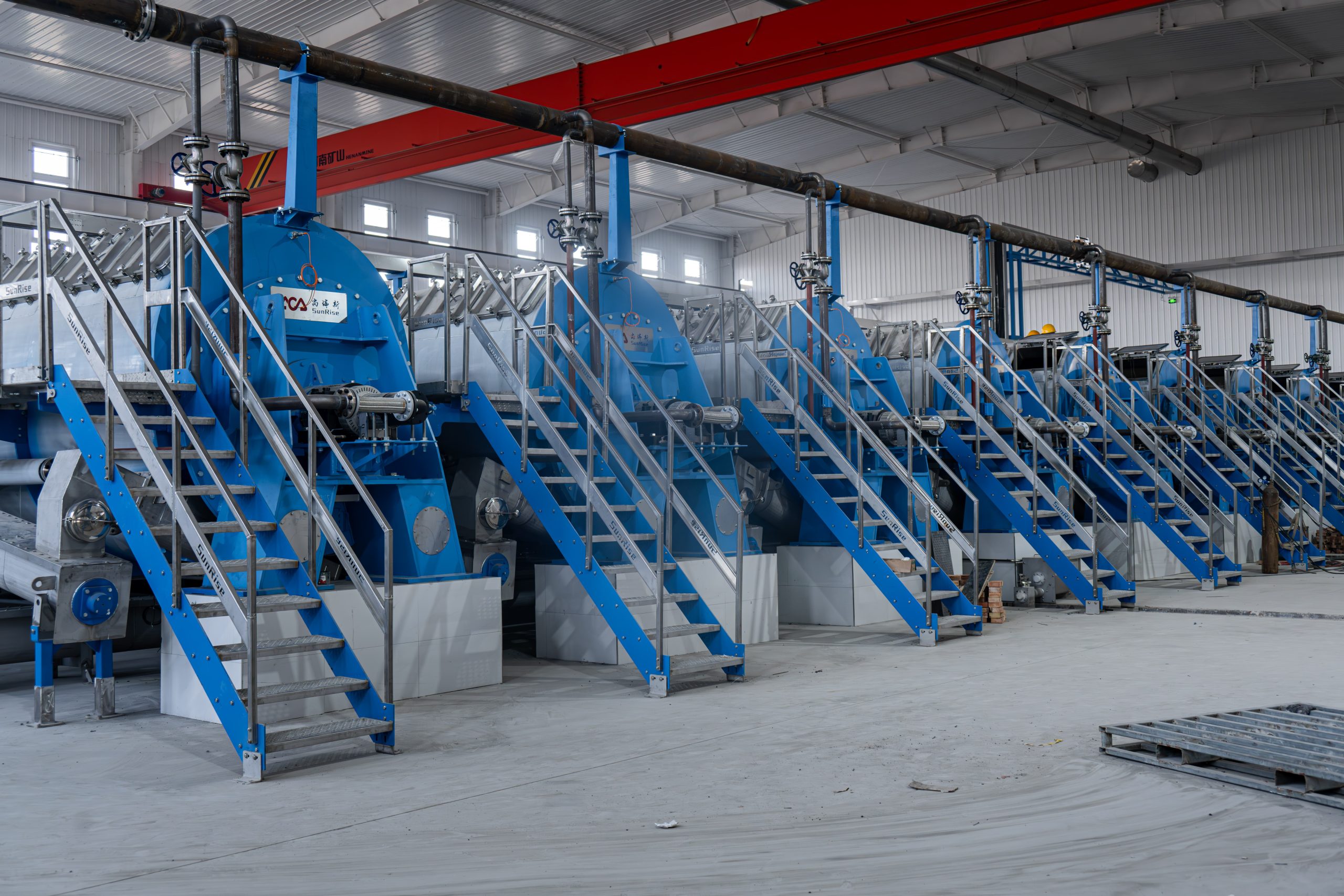
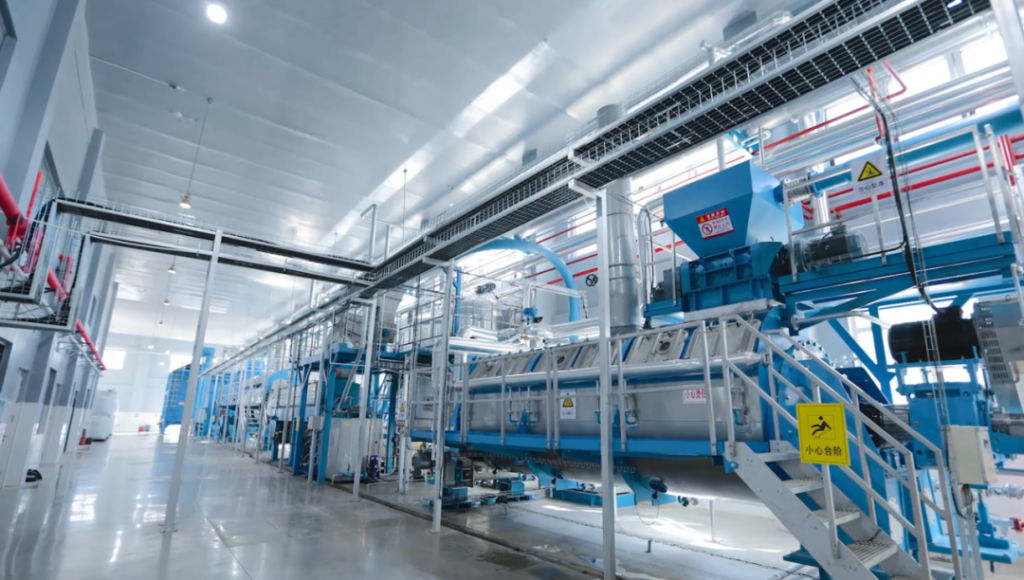
Una checklist per la messa in servizio di un impianto di rendering dovrebbe seguire cinque fasi non negoziabili in questo ordine preciso: installazione meccanica e allineamento, allacciamento delle utenze e test di pressione, messa in servizio a freddo (senza carico), messa in servizio a caldo (con carico) e un primo ciclo produttivo monitorato con parametri di base documentati. Saltare o affrettare una qualsiasi di queste fasi non significa risparmiare tempo, ma semplicemente spostare il ritardo più avanti, di solito alla settimana successiva all'avvio, quando un cuscinetto si grippa o uno scrubber non riesce a tenere il passo con gli odori. Segui la sequenza corretta e una linea di rendering di medie dimensioni può passare dalle casse consegnate alla produzione a regime in tre o quattro settimane.
Fase 1: L'installazione meccanica non è solo imbullonare le cose
Ecco un errore che vediamo costantemente: le squadre trattano l'installazione come un lavoro di bulloni e gru, poi si chiedono perché il cooker vibri fino ad allentarsi entro un mese. L'installazione meccanica è il momento in cui le tolleranze di allineamento vengono impostate per tutta la vita dell'attrezzatura — e le attrezzature di rendering funzionano a caldo, pesanti e in continuo, quindi non c'è spazio per scorciatoie.
Per un cooker batch o un idrolizzatore continuo, l'allineamento dell'albero deve essere entro 0,05 mm lateralmente prima di montare il giunto. Sballalo anche di pochi decimi di millimetro e vedrai un'usura prematura delle guarnizioni entro le prime 1.000 ore di funzionamento. Stessa logica vale per le presse a coclea e i trasportatori: un trasportatore a coclea installato anche con un leggero errore di inclinazione verso il basso causerà ponti di materiale che si manifesteranno come cali di capacità casuali settimane dopo, e nessuno lo ricondurrà all'installazione.
Cosa controllare prima dell'accensione
- Bulloni di fondazione serrati a coppia e sigillati con malta — non solo a mano
- Allineamento dei giunti verificato con strumenti laser, non con una riga
- Tutte le protezioni delle apparecchiature rotanti installate e classificate per l'effettivo numero di giri
- Acciaio strutturale controllato per l'integrità delle saldature sui supporti portanti
Fase 2: Allacciamento delle utenze — dove si verificano la maggior parte dei ritardi di avvio
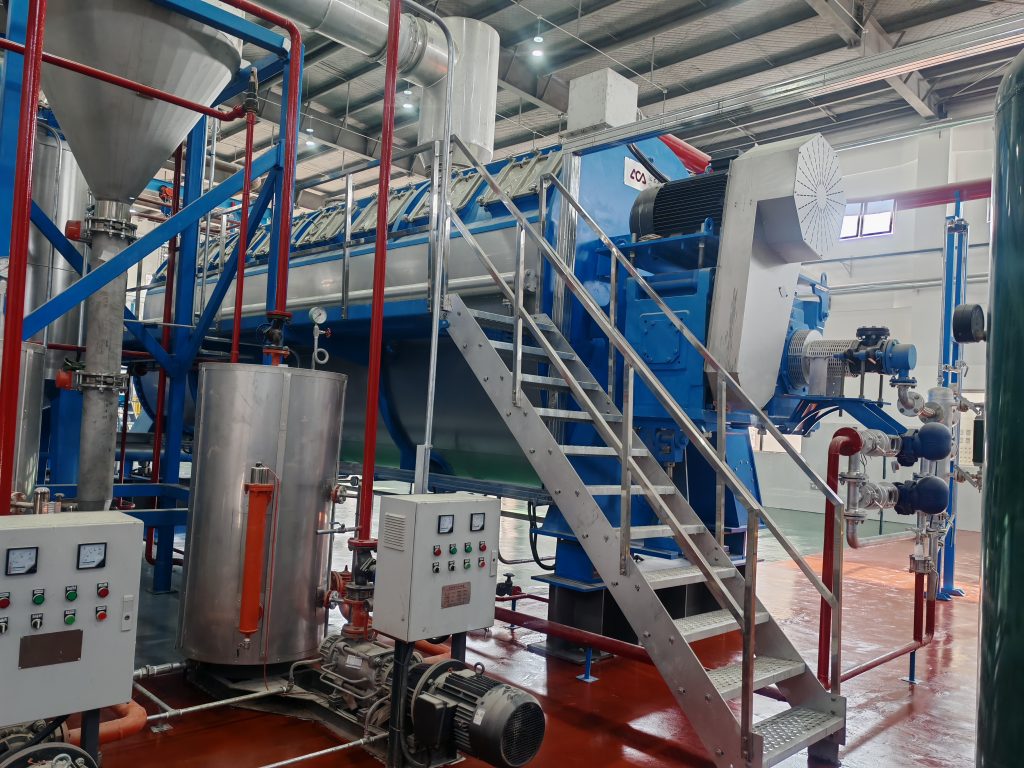
Chiedi a qualsiasi ingegnere di messa in servizio dove i progetti perdono più tempo e diranno le utenze, non le attrezzature. I collegamenti di vapore, elettricità, aria compressa e acque reflue devono essere tutti testati a pressione e verificati rispetto all'effettivo campo di funzionamento dell'attrezzatura — non il numero sul foglio delle specifiche di due anni fa.
Il vapore è il punto critico. I cooker di rendering in genere necessitano di una pressione del vapore stabile di 6–10 bar, e se la tua caldaia è stata dimensionata per una linea più piccola o un processo più vecchio, lo scoprirai nel modo più duro durante il primo test di carico, non prima. Prova a pressione ogni linea del vapore a 1,5 volte la pressione di esercizio e mantieni per almeno 30 minuti, controllando ogni flangia e guarnizione per eventuali perdite.
Non dimenticare il circuito di controllo degli odori
I sistemi di scarico e scrubber vengono spesso imbullonati per ultimi, ed è un errore. Se il tuo sistema di abbattimento degli scarichi non viene messo in servizio insieme al cooker, produrrai senza controllo degli odori dal primo giorno — che è esattamente il modo in cui i nuovi impianti si ritrovano con vicini arrabbiati nella prima settimana. Testa il tiraggio del ventilatore e il dosaggio chimico dello scrubber prima che qualsiasi materiale tocchi il cooker.
Messa in servizio a freddo: far funzionare tutto a vuoto prima
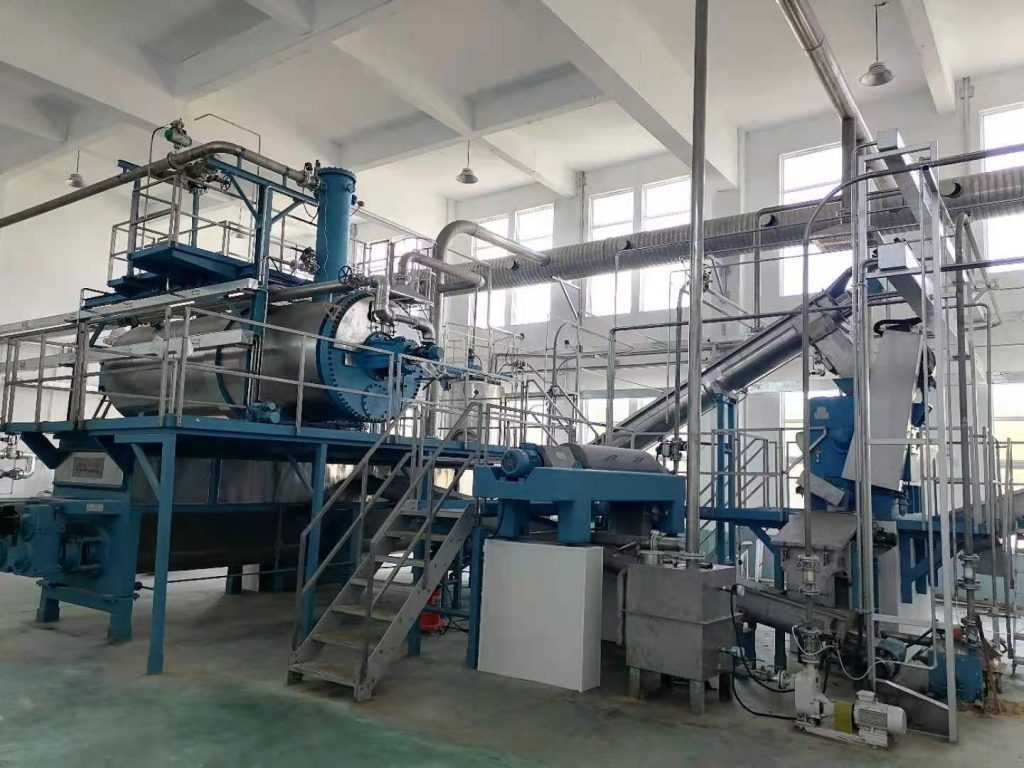
Mai — e intendiamo mai — caricare materiale grezzo in una linea di rendering prima di averla fatta funzionare a vuoto. La messa in servizio a freddo significa che ogni motore, trasportatore, pressa a coclea e anello di controllo esegue il suo ciclo completo senza prodotto all'interno, solo per confermare che la logica di sequenziamento funzioni effettivamente come programmato.
Qui è dove si intercettano i piccoli problemi che altrimenti causerebbero grossi guai: un nastro trasportatore che gira al contrario perché una fase è stata invertita durante il collegamento elettrico, un finecorsa che non scatta, un timer PLC impostato in secondi invece che in minuti. Un operatore di rendering nel Sud-est asiatico ha scoperto un sensore di temperatura cablato male durante la messa in servizio a freddo che avrebbe fatto funzionare il suo cooker a 15°C sotto il setpoint in modo indefinito — invisibile sul display, ma avrebbe prodotto farina che avrebbe fallito ogni specifica di umidità per settimane prima che qualcuno capisse il perché.
- Far funzionare ogni nastro e coclea singolarmente, poi in sequenza completa
- Verificare che tutti gli interblocchi e gli arresti di emergenza fermino effettivamente ciò che devono
- Confermare che i setpoint PLC corrispondano al progetto di processo, non ai valori predefiniti di fabbrica
- Controllare il senso di rotazione su ogni motore prima dell'innesto dell'accoppiamento
Messa in servizio a caldo: il primo vero test di carico
La messa in servizio a caldo è la prima volta che la materia prima entra effettivamente nel sistema — ma non si inizia con un lotto completo. Caricare prima al 30–40% della capacità nominale e guardare ogni indicatore come se vi dovesse dei soldi. Qui è dove si convalidano la temperatura di cottura, il tempo di ritenzione e l'efficienza di separazione del grasso rispetto ai dati di progetto del processo.
Per un cooker batch, ciò significa tipicamente confermare che il prodotto raggiunga 120–135°C e si mantenga per il tempo di ritenzione specificato — di solito 40–90 minuti a seconda del tipo di materia prima e del contenuto di umidità. Se si fa troppo veloce, si cuoce poco, lasciando agenti patogeni ed enzimi attivi. Se si fa troppo lento, si brucia vapore senza beneficio — il che si collega direttamente a dove la maggior parte degli impianti di rendering spreca vapore senza rendersene conto.
Aumentare gradualmente, non a salti
Passare dal 40% al 70% al 100% del carico in cicli separati, non in un unico salto. Ogni passo dovrebbe avere il proprio log dei dati — curve di temperatura, assorbimento di corrente sui motori delle presse, percentuale di resa in grasso. Saltare direttamente alla piena capacità è il modo per indovinare quale variabile ha causato un problema invece di saperlo.
Il primo ciclo produttivo: cosa significa realmente 'successo'
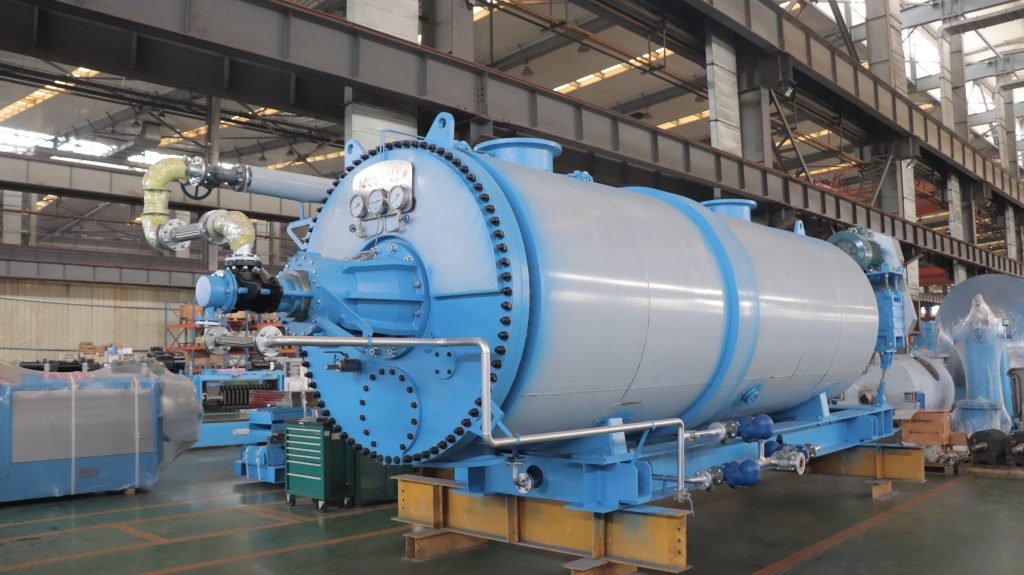
Un primo ciclo di produzione di successo non è solo prodotto finito che esce dall'altra parte — è prodotto finito che corrisponde alle specifiche, più una baseline di dati completa che puoi confrontare tra sei mesi quando qualcosa inevitabilmente si discosta. Troppi impianti festeggiano il primo sacco di farina e saltano completamente la fase di documentazione.
Come minimo, registrare il contenuto di grasso e proteine della farina, i livelli di acidi grassi liberi nel grasso reso, la percentuale di umidità e il tempo totale del ciclo dall'ingresso della materia prima al prodotto finito. Ad esempio, un trasformatore di pollame che avvia una nuova linea di lavorazione a umido da 150 tonnellate dovrebbe aspettarsi un'umidità della farina inferiore al 10% e un contenuto di grasso entro una fascia ristretta prima di considerare convalidato il ciclo — qualsiasi valore al di fuori di tale intervallo significa che i parametri di cottura necessitano di regolazione, non di una scrollata di spalle.
- Umidità della farina: target inferiore al 10%
- Acidi grassi liberi (FFA) nel grasso in uscita: inferiore al 15% per il grado premium
- Coerenza del tempo di ciclo su tre lotti consecutivi
- Scarico delle acque reflue entro i limiti consentiti — qui è dove le lacune nel trattamento spesso emergono per prime, quindi tienilo d'occhio anche se è facile trascurarlo durante un primo ciclo frenetico
Errori comuni di messa in servizio che costano settimane, non giorni
L'errore di messa in servizio più costoso che vediamo è comprimere la tempistica per rispettare una data di lancio. Tagliare la messa in servizio a freddo per risparmiare due giorni costa regolarmente due settimane dopo quando un difetto di controllo si manifesta a metà produzione e l'intera linea deve essere fermata per rintracciarlo.
Secondo più comune: ignorare odori ed emissioni finché non arrivano i reclami
Se ti stai chiedendo perché gli impianti di rendering finiscono per puzzare terribilmente subito dopo l'avvio, la risposta è quasi sempre legata alla messa in servizio — scrubber mai testati a carico, o ventilatori di scarico dimensionati per la pressione statica sbagliata. Testa l'intera catena di controllo degli odori durante la messa in servizio a caldo, non dopo che i vicini chiamano.
Terzo: nessun pezzo di ricambio in loco durante il primo ciclo
Le cinghie si rompono. Le guarnizioni perdono. I sensori si guastano. Avere un kit di ricambi di base — cuscinetti, cinghie, guarnizioni, un modulo PLC di riserva — in loco prima del primo ciclo di produzione, non ordinato dopo che qualcosa si rompe.
Costruire una tempistica di messa in servizio che regga realmente
Una tempistica realistica di messa in servizio per un impianto di rendering di medie dimensioni va da 3 a 4 settimane dalla prima consegna dell'attrezzatura alla produzione convalidata. Comprimere al di sotto di due settimane è possibile ma rischioso — di solito significa eseguire fasi in parallelo che dovrebbero essere sequenziali, come iniziare la messa in servizio a caldo prima che i test di pressione delle utenze siano completamente firmati.
Lavorare con un fornitore che fornisce supporto in loco per la messa in servizio è più importante di quanto sembri. Un team che ha installato la tua attrezzatura per impianti di rendering e comprende che la progettazione specifica del processo individuerà problemi di allineamento e sequenziamento più rapidamente di un appaltatore generico che legge un manuale per la prima volta. Questa è la differenza tra una messa in servizio di tre settimane e una di tre mesi.
Categories
Articoli recenti
-

Where Do All the Poultry Feathers Go? From Environmental Burden to Valuable Resource — A Full-Chain Investigation
September 9, 2026 -
Feather Meal Digestibility: How Hydrolysis Time, Temperature, and Pressure Affect Pepsin Digestibility
September 1, 2026 -
Precedenteenting Fish Meal Oxidation: Cooling, Antioxidant Dosing, and Storage Control
August 27, 2026