Reducing Ash in Meat and Bone Meal: Feedstock Sorting, Crushing, and Process Control
Reducing Ash in Meat and Bone Meal: Feedstock Sorting, Crushing, and Process Control
Ash content in meat and bone meal comes down almost entirely to how much bone mineral ends up in the final product — and that’s determined far earlier in the process than most plant managers assume. The three biggest levers are feedstock sorting before cooking, controlling crush particle size so bone fragments behave predictably through the press, and tightening process parameters so mineral-heavy fines don’t sneak into the finished meal. Get these three right and a plant can routinely move MBM from the 28-32% ash range down to 18-22%, which is the difference between commodity pricing and premium feed-grade contracts.
Why Ash Content Is the Number That Makes or Breaks Your Price
Buyers don’t just glance at protein percentage anymore — ash content is often the first spec they check, because it tells them how much actual usable protein and energy they’re paying for versus inert mineral. A meal running 35% ash isn’t just lower quality; it’s diluted. Every extra percentage point of ash is a percentage point of something else — protein, fat, digestible nutrition — that didn’t make it into the bag.
Feed formulators working with poultry and swine rations have tight tolerances for calcium and phosphorus. Meal that swings between 20% and 35% ash from batch to batch forces them to either discount your product heavily or reject it outright. Consistency matters as much as the average number.
This is where the conversation about how meat rendering actually works becomes relevant — ash isn’t something you fix at the end. It’s baked in from the moment raw material hits the receiving dock.
Feedstock Sorting: The Cheapest Lever You’re Probably Underusing
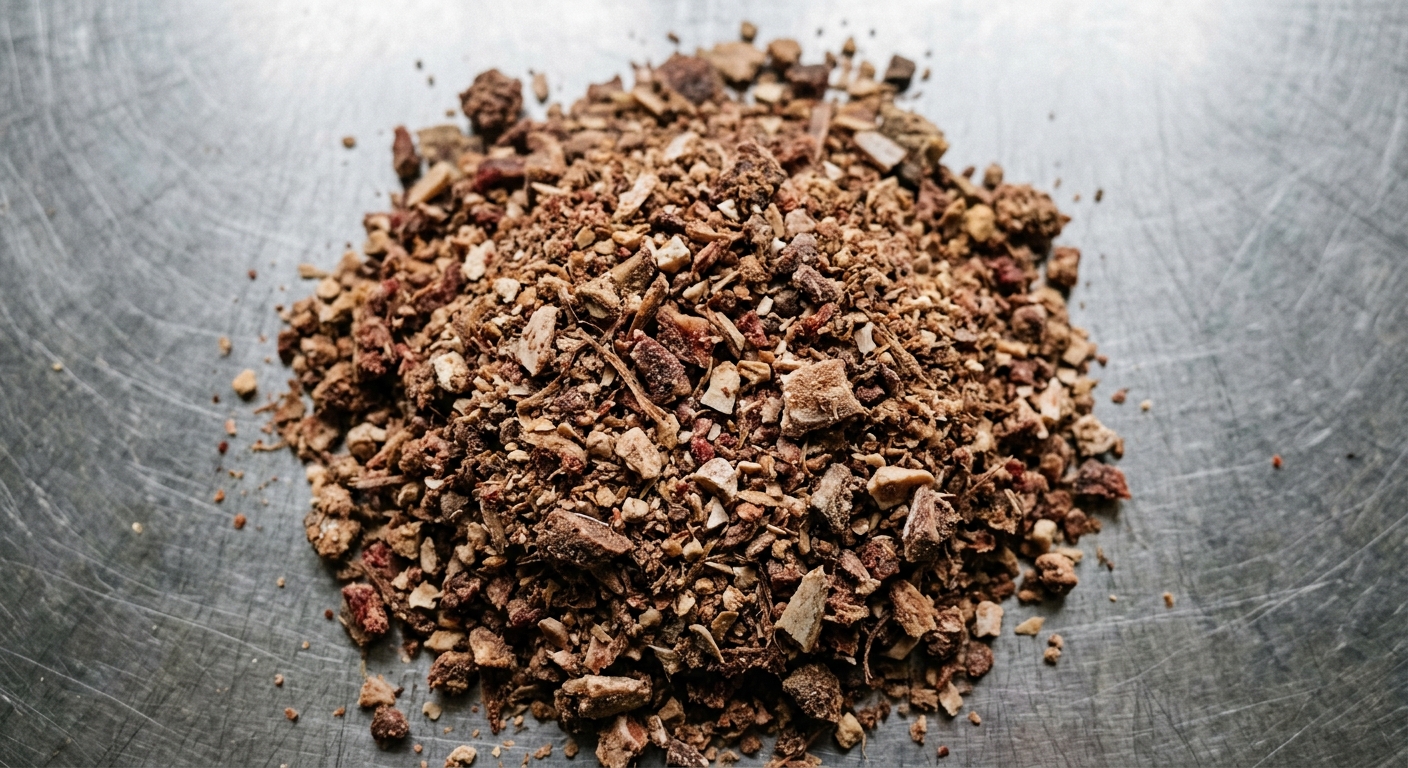
Most plants blend everything that arrives — trim, bone, viscera, fat — into one cooking batch, and that’s exactly why ash numbers bounce around unpredictably. Sorting raw material by bone-to-soft-tissue ratio before it ever reaches the cooker is the single cheapest ash-reduction step available, and it requires no new capital equipment in many cases.
Practical Sorting Categories
- High-bone streams — spines, rib cages, skulls — routed to a separate batch or blended at a controlled, lower ratio.
- Soft tissue streams — trim, fat, viscera — processed with minimal bone contamination.
- Mixed streams — everything else, blended deliberately rather than by accident.
For instance, a poultry processor separating frames and necks (bone-dense) from breast trim and skin (low-bone) before cooking can cut average finished-meal ash by 4-6 percentage points without touching a single machine setting. The catch? It requires discipline on the receiving floor — someone has to actually enforce the sort, not just suggest it.
Crushing Particle Size: The Variable Everyone Sets and Forgets
Bone crushed too coarse doesn’t cook through evenly — mineral stays locked in dense fragments that survive pressing intact and land straight in the meal. Bone crushed too fine creates a different problem: it turns into powder-like fines that flow with the protein fraction through screens meant to separate them out.
The sweet spot for most rendering lines sits between 8-15mm bone fragment size going into the cooker. That range is small enough for heat and pressure to properly break down the mineral matrix, but large enough that a well-tuned crusher can still be selective about what passes through downstream screening.
Why Crusher Type Matters More Than People Think
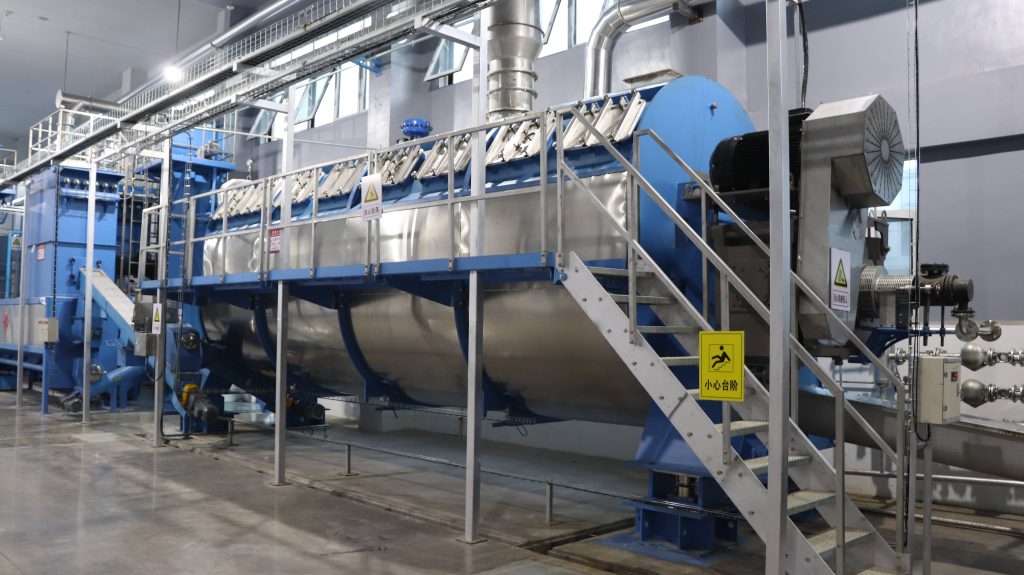
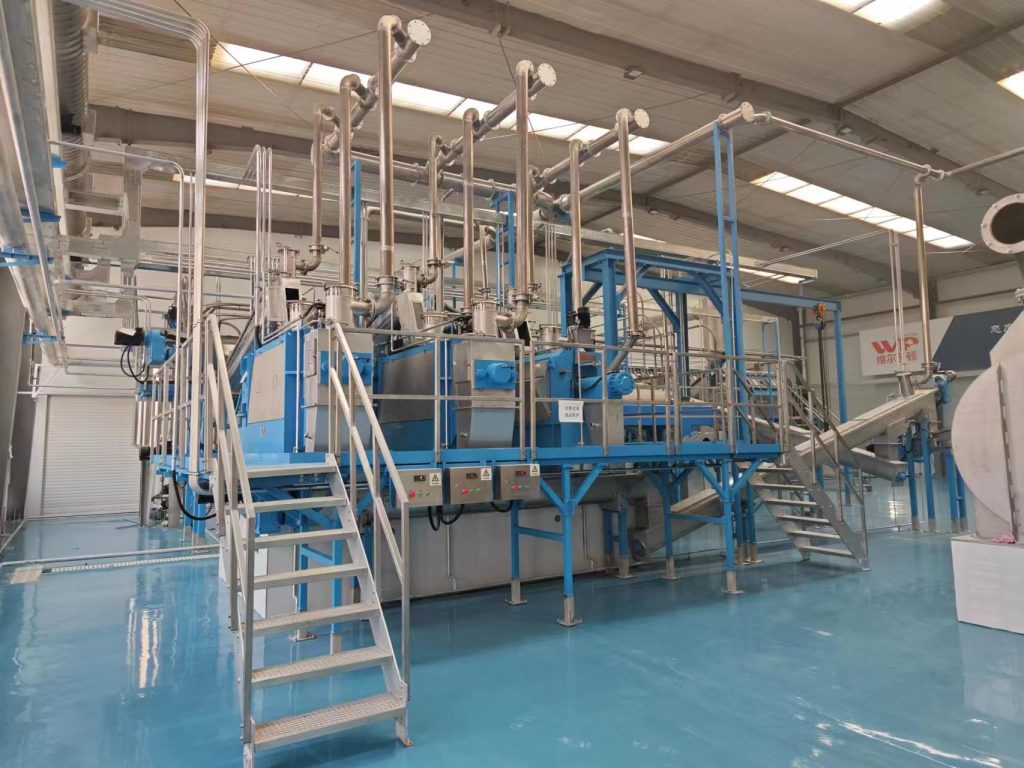
Hammer mills tend to over-pulverize bone, generating fines that are nearly impossible to screen out later. Roller crushers and specialized bone crushers give more control over final particle distribution — worth the switch if your ash numbers have been stubbornly high despite good sorting practices.
Process Control at the Cook and Press Stage
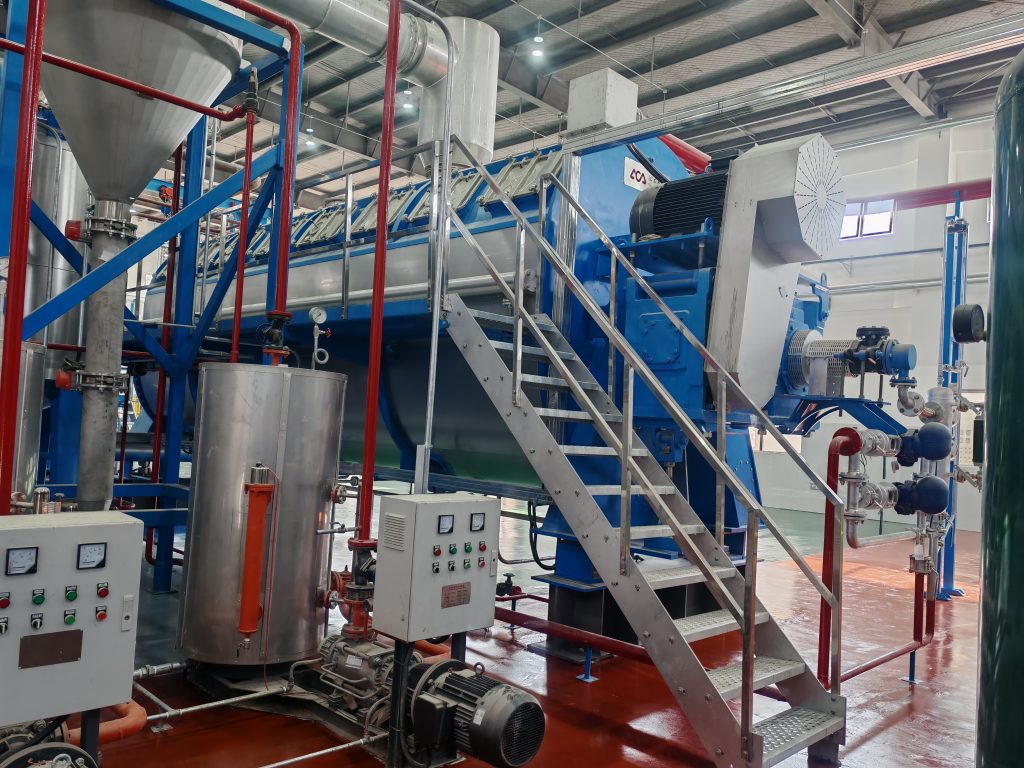
Even with perfect sorting and crushing upstream, sloppy cooker and press settings can undo all that work. Under-cooking leaves bone structures partially intact, which then fracture unpredictably under press pressure and scatter fine mineral particles throughout the cake. Over-pressing, on the other hand, forces more solids — bone fines included — into the liquid phase, where they eventually re-concentrate in the meal after centrifuging.
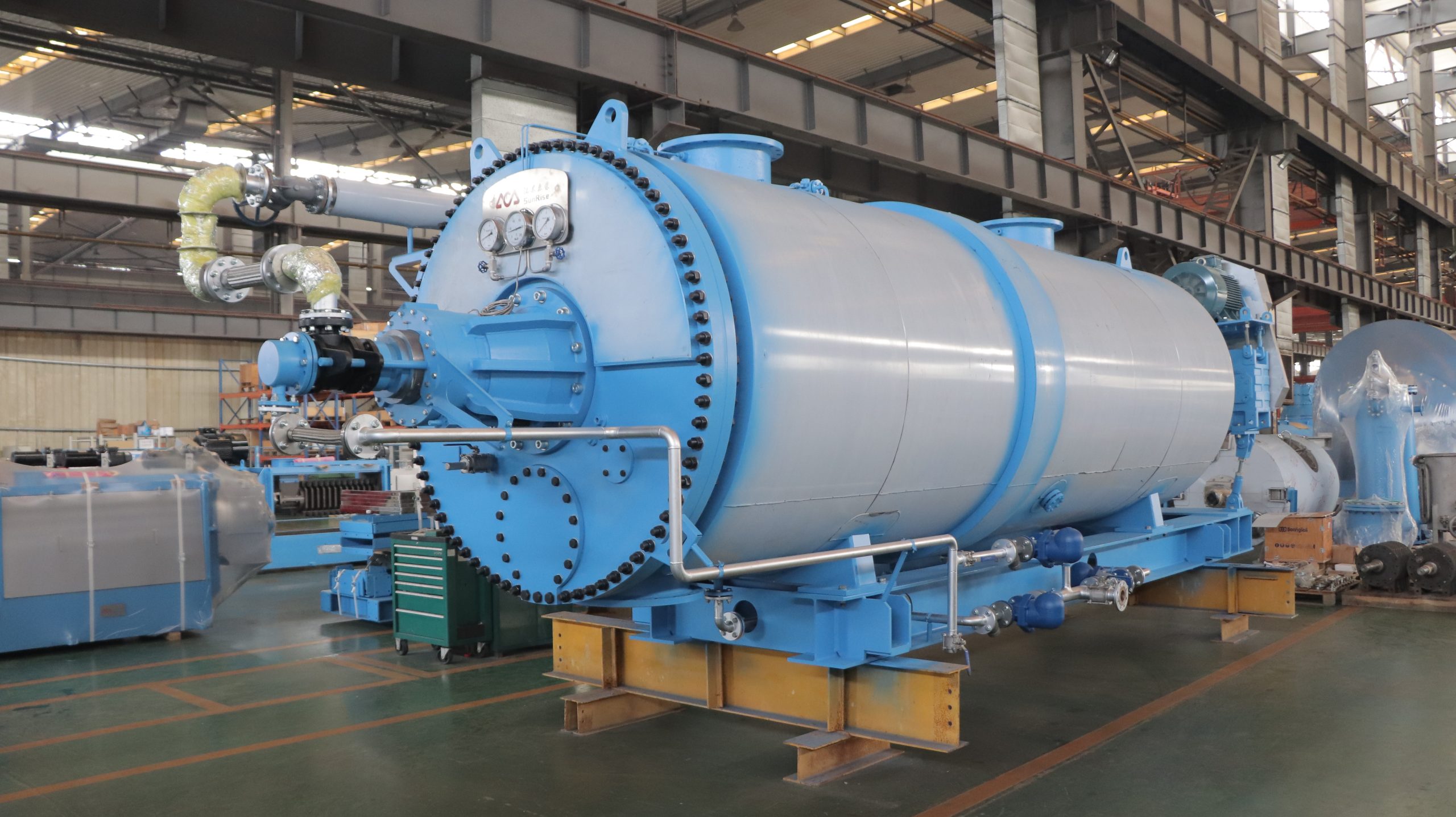
A batch cooker running consistent temperature and residence time profiles gives operators a repeatable baseline to tune against — something continuous systems running on inconsistent feedstock volume often struggle to match.
Press Cake Screening
Adding or upgrading a fine-mesh screening step after pressing, before the meal goes to the dryer, is one of the most underrated ash-reduction tools available. It physically pulls out bone fragments and fines that made it through cooking and pressing intact. Plants that install a secondary screen at this stage typically see another 1-3 percentage point drop in final ash — meaningful when you’re trying to hit a buyer’s contracted spec.
Case Example: Dropping Ash From 32% to 19% at a Mixed-Species Plant
A mixed poultry-and-swine byproduct plant we’ve worked with was stuck delivering MBM averaging 32% ash — enough to trigger discounts on nearly every shipment. Three changes over about four months brought that down to a consistent 19%.
- Month 1: Introduced bone/soft-tissue sorting at receiving, separating frames and bone-heavy cuts into a dedicated batch stream.
- Month 2: Replaced an aging hammer mill with a controlled roller crusher targeting 10-12mm bone fragment size.
- Month 3-4: Added a secondary fine-mesh screen post-press and tightened batch cooker residence time by roughly 8 minutes to improve consistency.
The plant didn’t need a full equipment overhaul — just targeted intervention at three specific control points. That’s usually how ash problems get solved: not with one dramatic fix, but with three or four smaller ones stacked together.
When Sorting Isn’t Enough: Bone Fraction Separation Systems
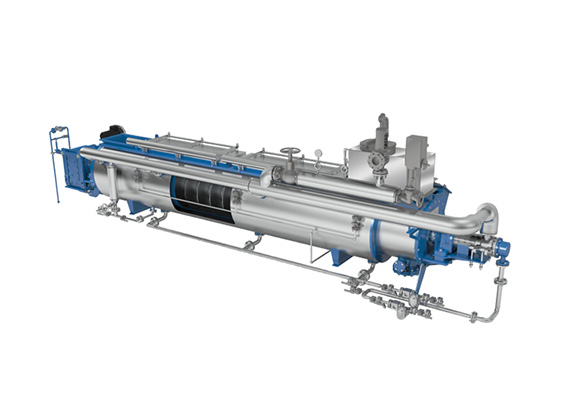
For plants processing high-bone-ratio material as a rule — not an exception — basic sorting eventually hits a ceiling. That’s when dedicated bone fraction separation equipment, which mechanically pulls defatted bone out of the process stream before it ever reaches final grinding, becomes worth the capital investment.
These systems cost more upfront than sorting or crusher upgrades, but they can pull ash content down 8-15 percentage points in bone-heavy operations — cattle and pork slaughterhouse byproduct streams especially. If your feedstock mix is structurally bone-heavy (large-animal slaughter, for example), no amount of downstream tuning will get you to premium-grade ash levels without addressing the bone volume directly.
This is also where facility layout matters — see our guide on facility requirements for rendering plant equipment for how separation systems fit into an overall plant design.
What This Means for Your Bottom Line
A 10-percentage-point ash reduction doesn’t just improve a lab report — it directly changes what buyers are willing to pay per ton. Feed formulators routinely pay premiums of 10-20% for MBM under 20% ash compared to standard 28-32% product, because they’re getting more usable protein and energy per ton shipped. On a 5,000 ton/month operation, that premium adds up fast.
The investment hierarchy is straightforward: start with sorting (near-zero cost), move to crusher and screening upgrades (moderate cost, fast payback), and only pursue full bone separation systems if your feedstock composition genuinely demands it. Most plants find that the first two steps alone solve 70-80% of their ash problem.