Rendering Equipment Preventive Maintenance Checklist: Daily, Weekly and Monthly Tasks
Rendering Equipment Preventive Maintenance Checklist: Daily, Weekly and Monthly Tasks
A solid rendering equipment maintenance program breaks down into three tiers: daily visual and sensory checks that take 15-30 minutes, weekly mechanical inspections that need a couple hours, and monthly deep checks that usually require a partial shutdown. Skip any one tier and you’re not saving time — you’re just moving the cost of that skipped inspection into a future emergency repair bill, usually a much bigger one. The plants that run 350+ days a year without a major breakdown aren’t lucky. They’re following a checklist like the one below, every single time, without exception.
Why Most Rendering Plants Get Maintenance Backwards
Here’s a mistake we see constantly: plants react to noise, vibration, or smell instead of catching problems before they make noise or smell. By the time a bearing squeals loud enough for an operator to notice over the plant floor din, it’s often already scored the shaft. That’s not a $200 bearing replacement anymore — that’s a $4,000 shaft repair plus two days of downtime.
Preventive maintenance flips this. You’re inspecting things that look fine, on a schedule, specifically because things that look fine today can fail tomorrow. It feels unnecessary until the one time it isn’t.
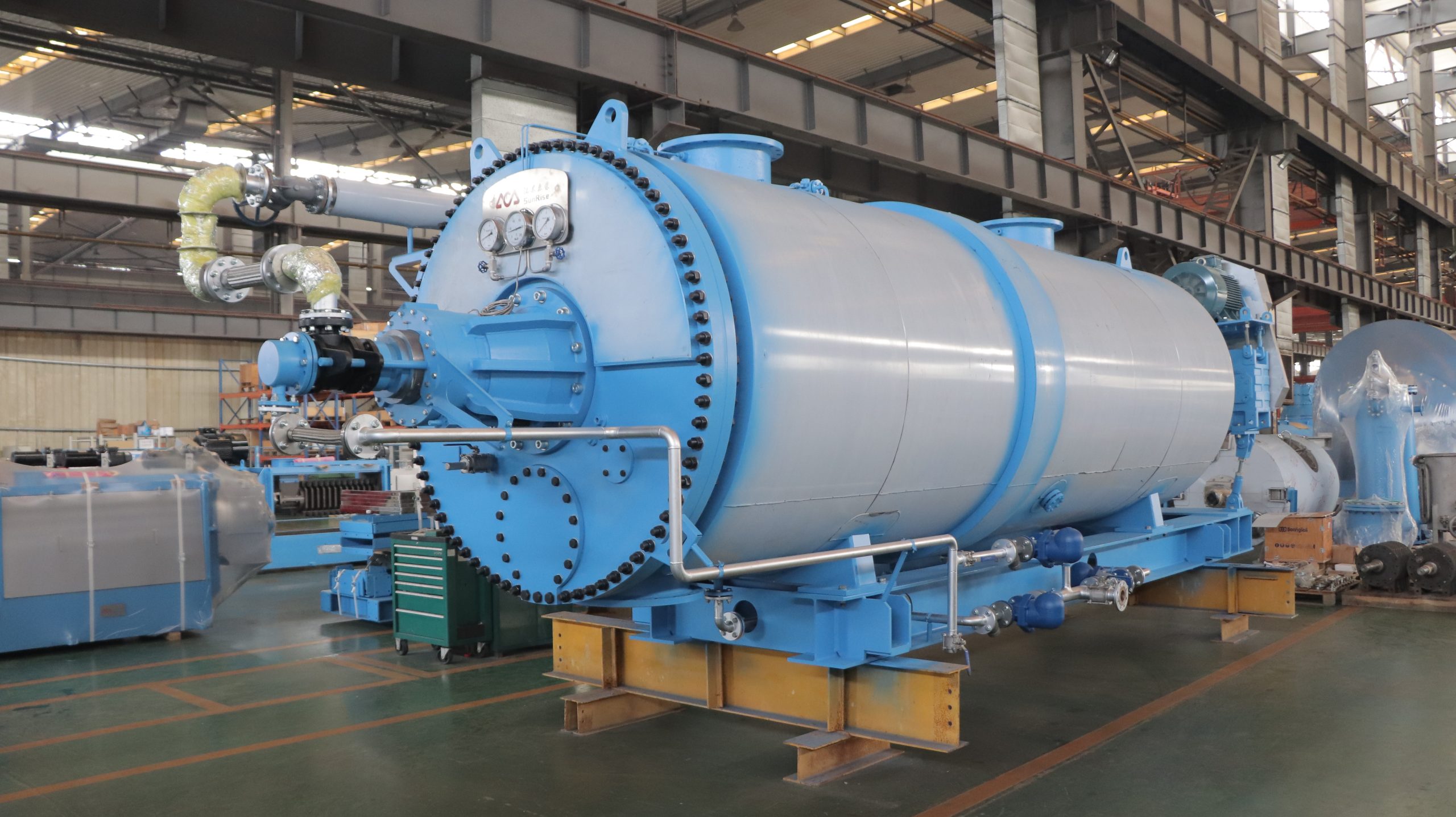
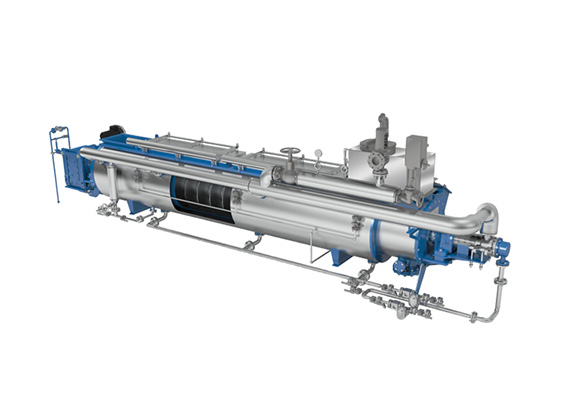
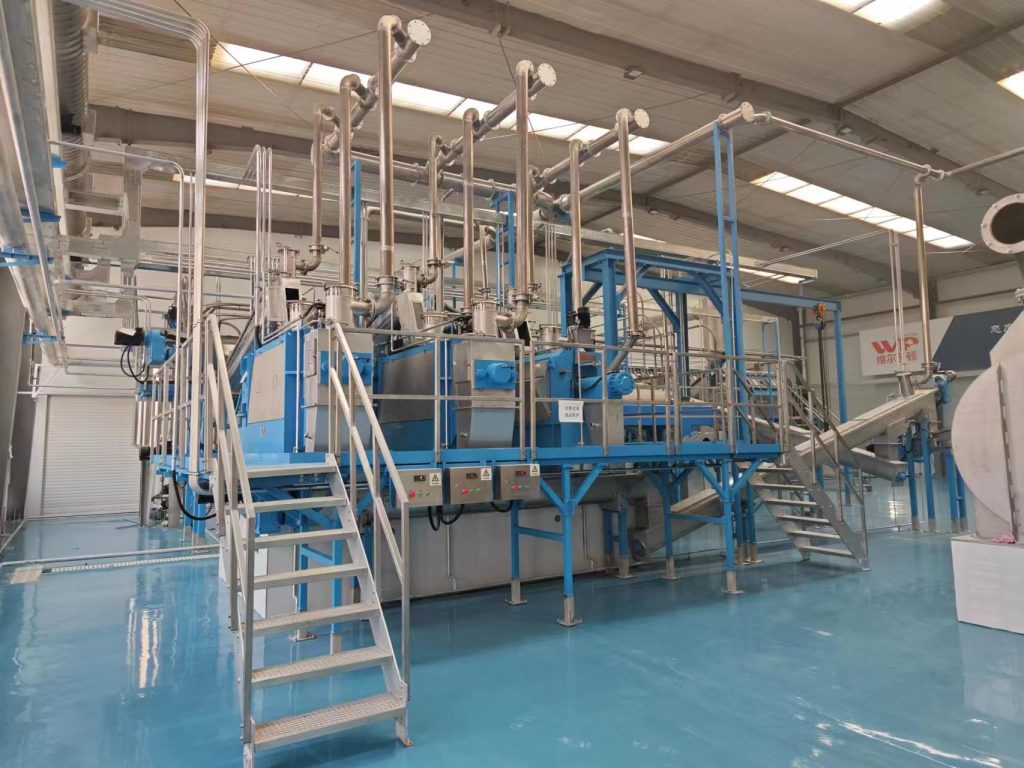
The equipment covered in this checklist applies across most continuous and batch rendering lines — rendering plant equipment including cookers, presses, centrifuges, and dryers, plus the material handling gear that feeds them.
Daily Tasks: The 20-Minute Walkaround That Prevents Most Failures
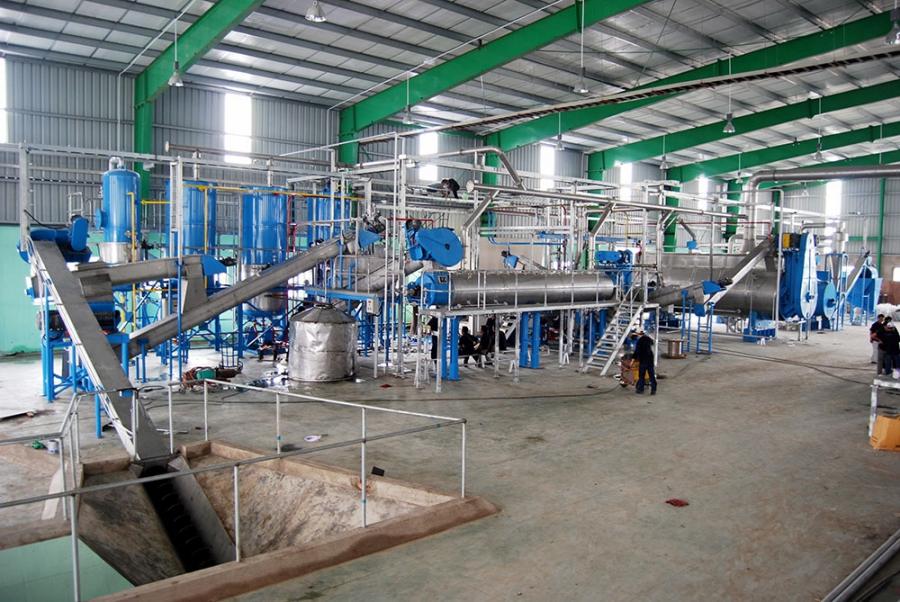
Every shift should start and end with a physical walkaround — not a glance from the control room. Here’s what actually matters:
Cooker and Dryer Checks
- Listen for unusual bearing noise on agitator shafts — a grinding or whining sound means grease is breaking down or a seal has failed
- Check steam trap discharge — a trap stuck closed wastes energy, one stuck open dumps live steam and wastes it differently
- Verify temperature readings match the PLC display against a handheld infrared thermometer — sensor drift is more common than people think
- Inspect for product buildup on discharge augers, which signals a speed mismatch or moisture issue upstream
Press and Centrifuge Checks
- Check hydraulic fluid levels and look for fresh leaks around cylinder seals
- Monitor cake discharge consistency — dry, crumbly cake is good; wet or oily cake means the press cone needs adjustment
Conveying Equipment
- Walk the length of every screw conveyor and belt, checking for material spillage, unusual vibration, or belt tracking issues. If you’re sourcing replacement units, understanding what separates a reliable supplier matters — see our guide on finding reliable screw conveyor manufacturers.
Log every reading. A single day’s numbers mean little, but three weeks of slowly rising discharge temperature on a dryer tells you a heating element or airflow path is degrading well before it fails outright.
Weekly Tasks: Catching the Wear You Can’t See on a Quick Walkaround
Weekly checks require actually opening panels and getting hands on the equipment, not just walking past it.
Lubrication System Audit
Grease every bearing point per the manufacturer’s schedule — but also check that automatic lubrication systems are actually dispensing, not just that the reservoir is full. A clogged line with a full reservoir gives you false confidence right up until the bearing seizes.
Belt Tension and Alignment
Drive belts stretch. Check tension weekly on any belt-driven fan, pump, or auger drive. A belt that’s too loose slips and generates heat; too tight and it overloads the bearing. Most manufacturers spec a deflection range in millimeters for a given force — use it rather than guessing by feel.
Odor Control Equipment
Weekly is the right cadence to inspect scrubber packing, check ionization tower electrode cleanliness, and verify fan static pressure on your odor control train. This is cheap insurance — a fouled ionization tower loses efficiency gradually, and by the time neighbors are complaining, you’re looking at weeks of remediation. If odor has already become a recurring issue at your site, our breakdown of why rendering plants smell and how to fix it covers root causes in more depth.
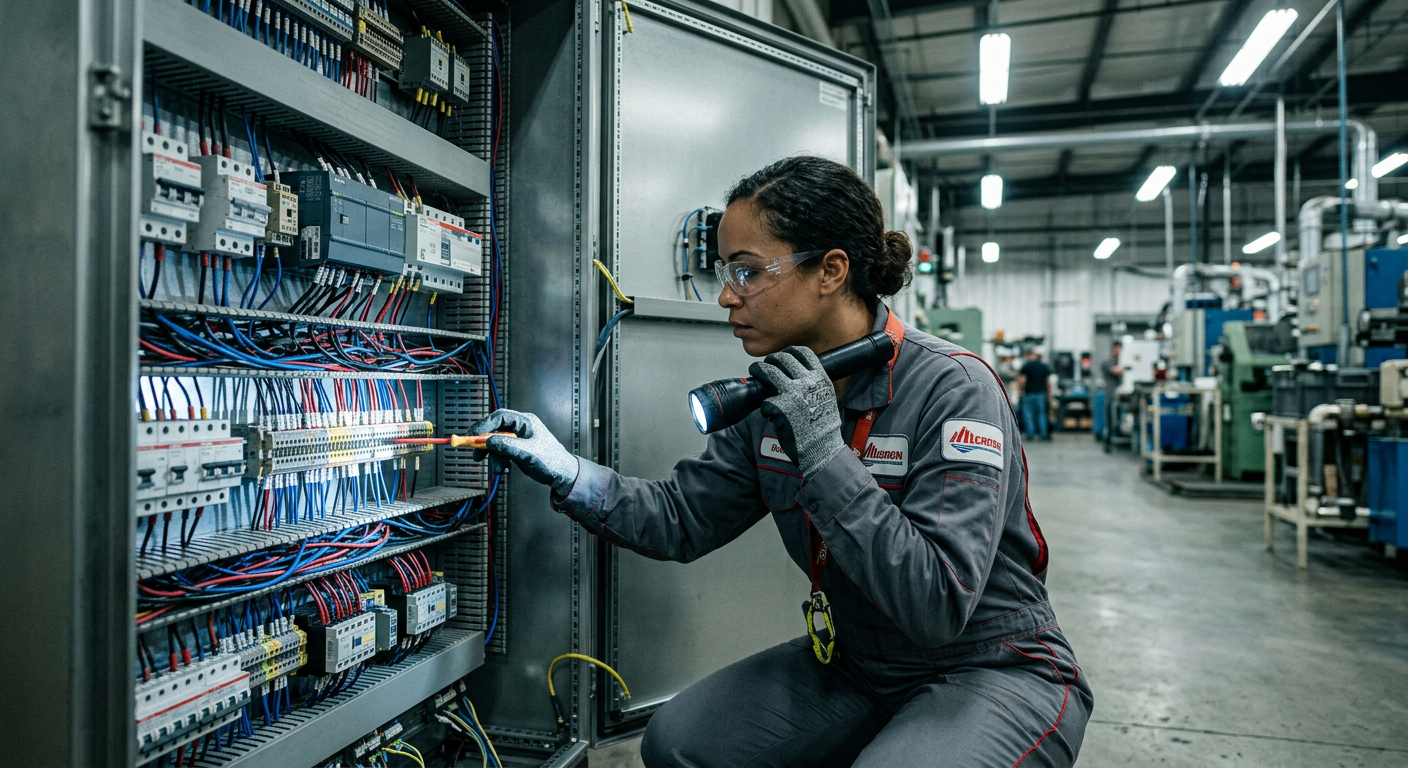
Electrical Cabinet Inspection
Open control cabinets and check for dust accumulation, loose terminal connections, and any discoloration on wiring that suggests overheating. If your line runs on a PLC control system, this is also the time to confirm backup logic files are current — a corrupted program during a controller swap turns a 2-hour fix into a 2-day one.
Monthly Tasks: The Deep Checks That Require Planned Downtime
Monthly maintenance is where you catch the failures that would otherwise show up as unplanned shutdowns three to six months down the road.
Internal Cooker Inspection
Open the cooker and inspect the internal agitator paddles, shell liner, and shaft seals for wear. Paddle wear reduces mechanical agitation efficiency, which means longer cook times and higher fuel consumption to hit the same moisture target — a slow, invisible cost that compounds monthly.
Press Screw and Cage Wear Measurement
Measure screw flight diameter and cage bar spacing against baseline specs. A press that’s lost 3-4mm of flight diameter to abrasive wear will show reduced throughput and higher fat content in the cake — often blamed on raw material quality when it’s actually the press itself.
Dryer Airflow and Heat Exchanger Cleaning
Check for scale or fouling on heat exchanger surfaces and clean as needed. A fouled exchanger loses heat transfer efficiency gradually — this is one of the mechanical issues covered in our piece on cutting steam costs through engineering tweaks.
Full Vibration Analysis
If you have access to a vibration analyzer, run it monthly on all major rotating equipment. Rising vibration amplitude at a specific frequency is often the earliest indicator of bearing degradation — weeks before any audible or thermal symptom appears.
Real-World Example: How a Missed Weekly Check Cost One Plant Six Days of Downtime
A mid-sized poultry byproduct processor we worked with had a solid daily checklist but had let weekly belt tension checks slide for about two months during a staffing shortage. A drive belt on their main dryer exhaust fan slipped just enough to reduce airflow by roughly 15% — not enough to trigger an alarm, but enough that moisture control started drifting.
Product coming off the dryer was running slightly wetter than spec for nearly three weeks before anyone caught it through lab testing. By then, the belt had worn unevenly and finally snapped during a night shift, and the replacement pulley had also scored from the misalignment. What should have been a $150 belt swap turned into a six-day repair involving pulley replacement, bearing inspection, and a full dryer recalibration — plus the cost of off-spec product sitting in storage.
The fix going forward wasn’t complicated: they added belt tension checks back into the weekly rotation with a signed checklist, and they haven’t had a comparable failure since. Sometimes the lesson really is that simple.
Building a Maintenance Log That Actually Gets Used
A checklist nobody fills out isn’t a checklist — it’s a piece of paper. The plants that stick with preventive maintenance usually do three things differently:
- They keep the daily checklist physically at the equipment, not in an office binder three buildings away
- They require initials, not checkmarks — accountability matters more than people admit
- They review trends monthly, not just individual readings, since a single slightly-high temperature reading means little but a steady climb over four weeks means a lot
If you’re running a newer facility with digital controls, tie your maintenance log into the PLC data historian where possible. Cross-referencing operator observations against actual sensor trends catches things neither would catch alone.
When Maintenance Isn’t Enough: Knowing the Signs of End-of-Life Equipment
Preventive maintenance extends equipment life — it doesn’t make it infinite. There’s a point where a press, cooker, or dryer has enough cumulative wear that continued repairs cost more than replacement, even if no single failure is catastrophic.
Watch for these signals: repair frequency climbing despite consistent maintenance, replacement parts becoming harder to source for older model numbers, and energy consumption per ton of throughput creeping upward year over year even after tune-ups. If you’re seeing two or more of these on a piece of equipment, it’s worth getting a professional evaluation before the next major failure forces the decision for you. For plants evaluating a full upgrade rather than another repair cycle, our overview of rendering plant equipment best practices is a useful starting point.