Controlling TVN and Histamine in Fish Meal Production: Raw Material Freshness and Cooker Settings
Controlling TVN and Histamine in Fish Meal Production: Raw Material Freshness and Cooker Settings
TVN and histamine levels in fish meal are determined almost entirely before the fish ever reaches the cooker — by how fresh the raw material is when it’s loaded, and how tightly you control cook temperature, retention time, and pressure once it’s in the vessel. Process the raw material within a reasonable window after catch and maintain appropriate cooker temperatures together with proper retention time, and TVN and histamine will stay within the thresholds most premium aquafeed buyers demand. Miss either variable and you’re producing a downgraded product no matter how good your dryer or press is downstream.
Why TVN and Histamine Are the Two Numbers That Make or Break a Shipment
Buyers don’t ask how your plant looks. They ask for a TVN and histamine certificate. These two numbers tell a buyer everything about how the raw material was handled before it ever touched your equipment.
TVN (Total Volatile Nitrogen) measures the ammonia, trimethylamine, and other nitrogen compounds released as bacterial enzymes break down fish protein. It’s a direct proxy for spoilage — the higher it climbs, the longer the fish sat around decomposing before processing. Histamine is different: it’s formed specifically by decarboxylase enzymes acting on free histidine, and once it forms, no amount of cooking destroys it. That’s the part most new plant operators get wrong — they think a hot enough cook will fix a histamine problem. It won’t. Histamine is heat-stable up to 260°C. Your only defense is preventing its formation in the first place.
Shrimp and marine fish feed formulators are particularly strict — many reject any batch over 500 ppm histamine outright, regardless of protein content or TVN score.
The Freshness Clock Starts at Catch, Not at the Plant Gate
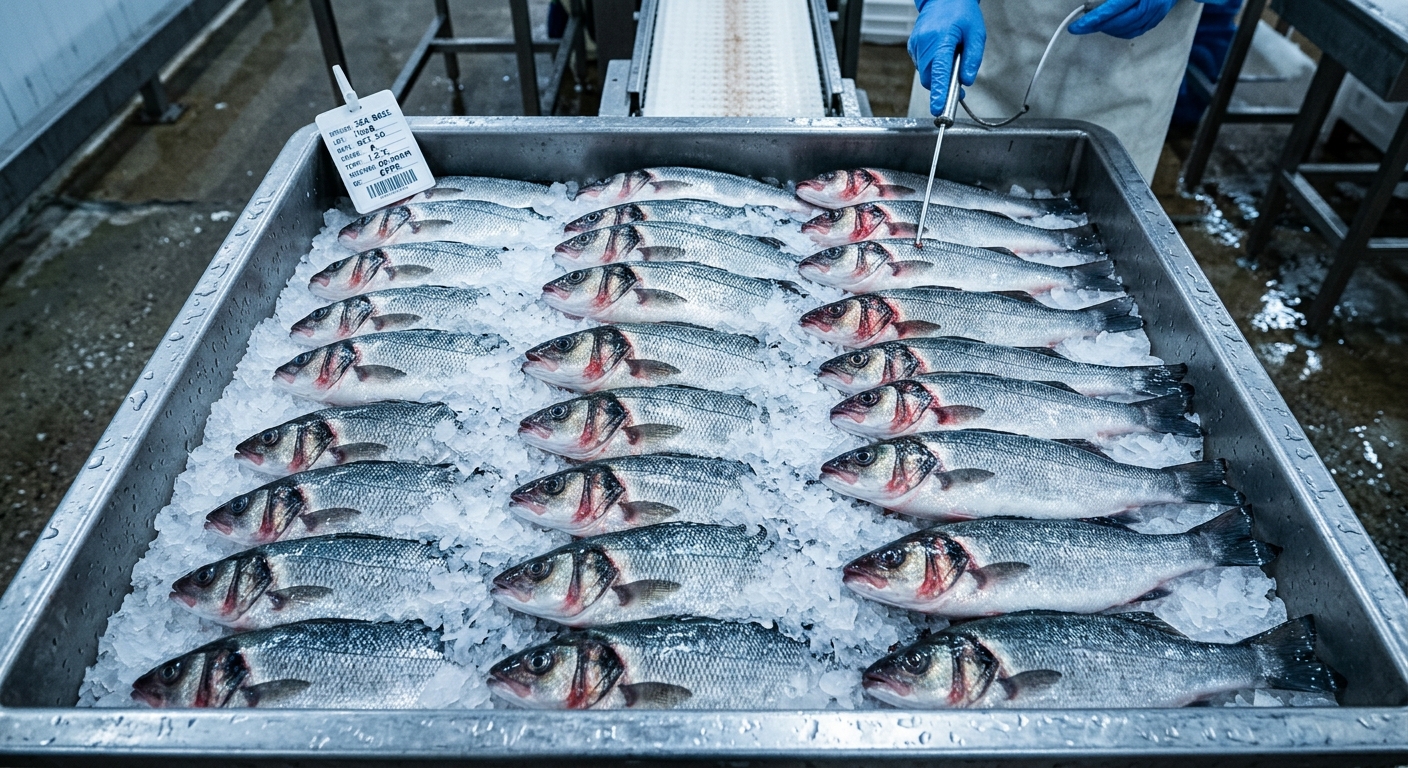
Every hour of delay between catch and cooking adds measurably to TVN. Fresh‑caught fish held on ice will show a steady increase in TVN over time. Left at warm ambient temperatures without ice, the same fish will experience far more rapid TVN accumulation. Bacterial activity increases substantially as storage temperature rises.
Practical Freshness Benchmarks
- Fish processed within 24 hours of catch, properly iced: TVN typically 15-30 mg/100g
- Fish held 24-48 hours: TVN climbs to 30-60 mg/100g — still usable but requires tighter cooker control
- Fish held beyond 48 hours without adequate cooling: TVN often exceeds 100 mg/100g, and histamine formation accelerates sharply past this point
For instance, a coastal processing plant sourcing bycatch and cannery trimmings found their incoming TVN varied from 25 to 95 mg/100g depending purely on which fishing fleet delivered — same species, same season, wildly different quality because one fleet iced their catch immediately and the other didn’t. That single variable determined whether the finished meal sold at premium or discount pricing.
Cooker Temperature: The Narrow Window That Actually Matters
Most operators assume hotter is always better. It isn’t. Cooking fish meal at excessively high temperatures for extended retention time doesn’t reduce TVN meaningfully — the volatile compounds are already formed — and it actively damages protein quality through Maillard reactions and lysine degradation, which hurts digestibility scores buyers also test for.
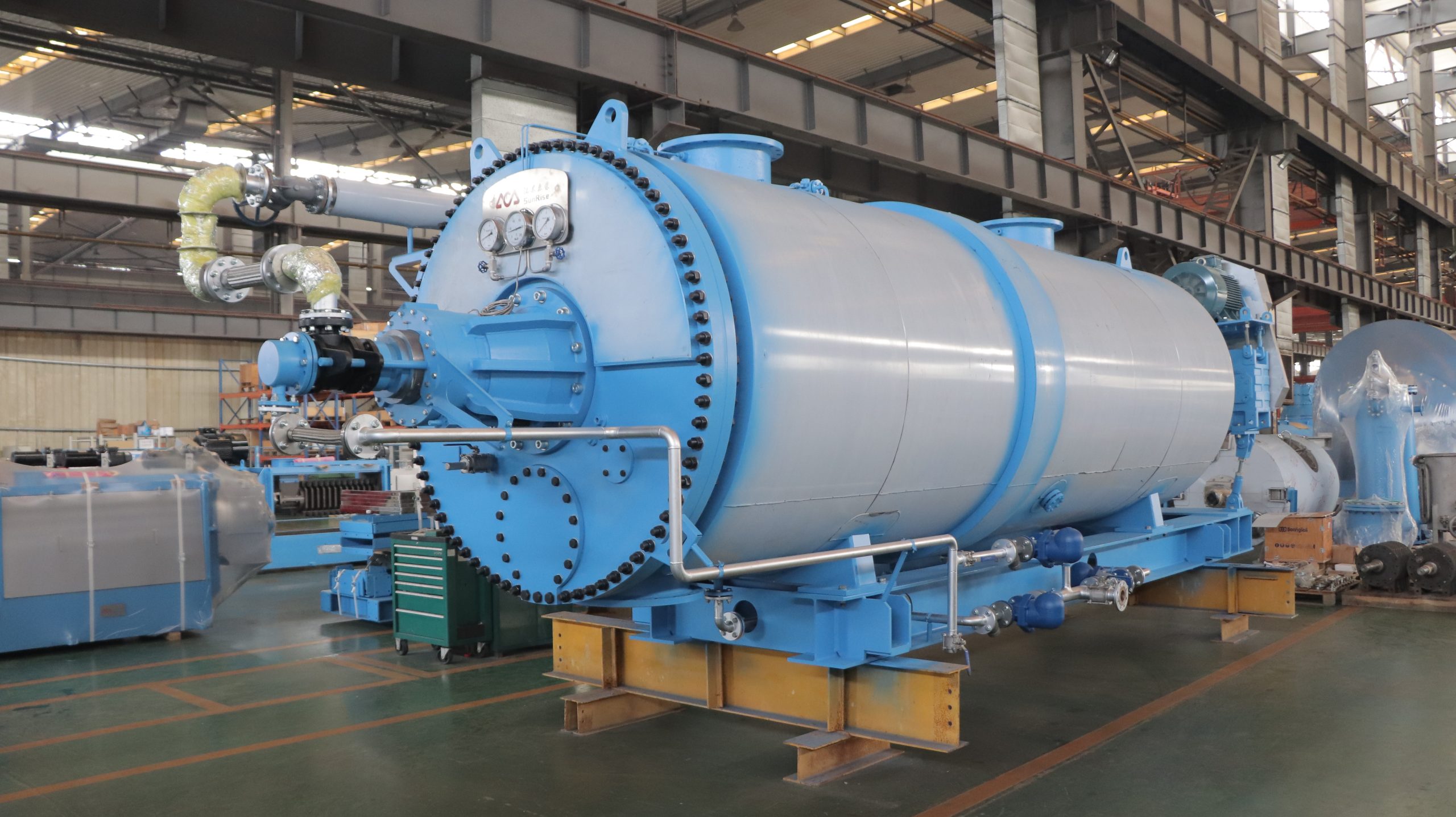
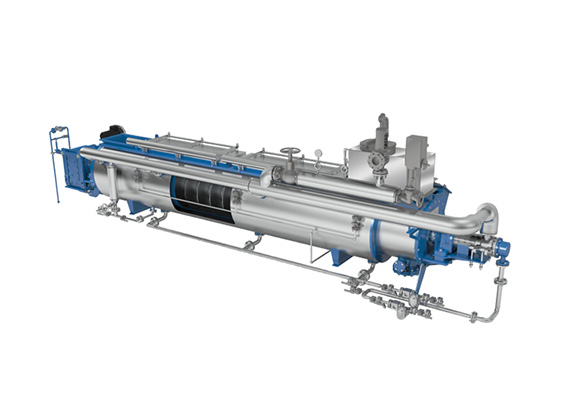
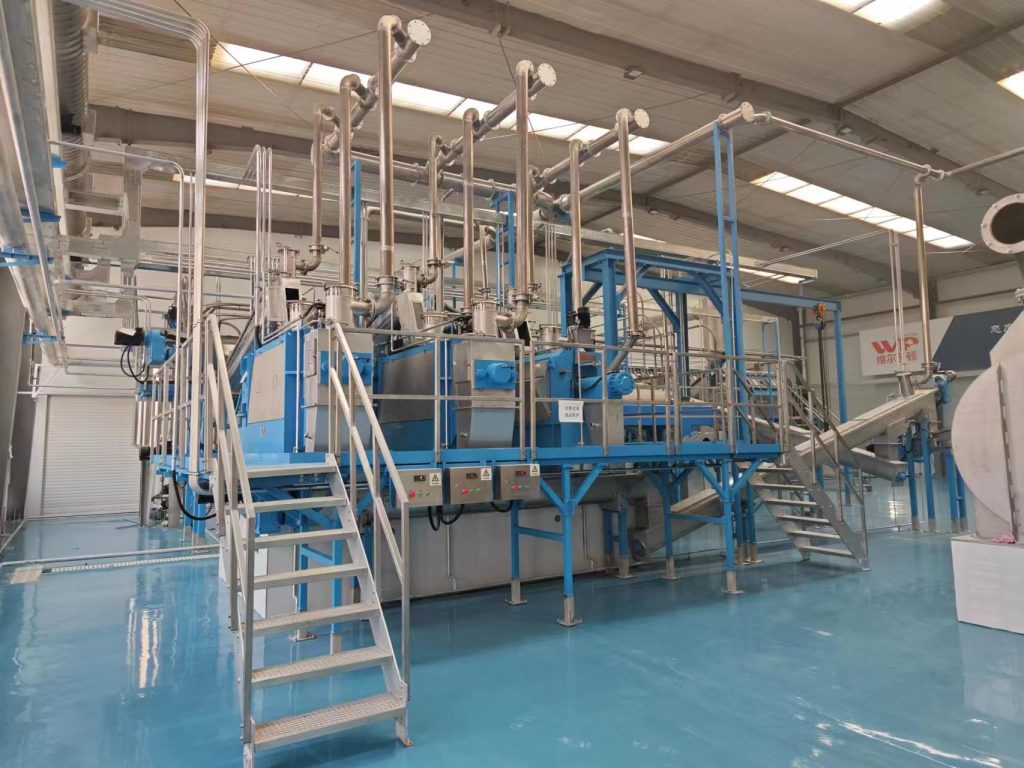
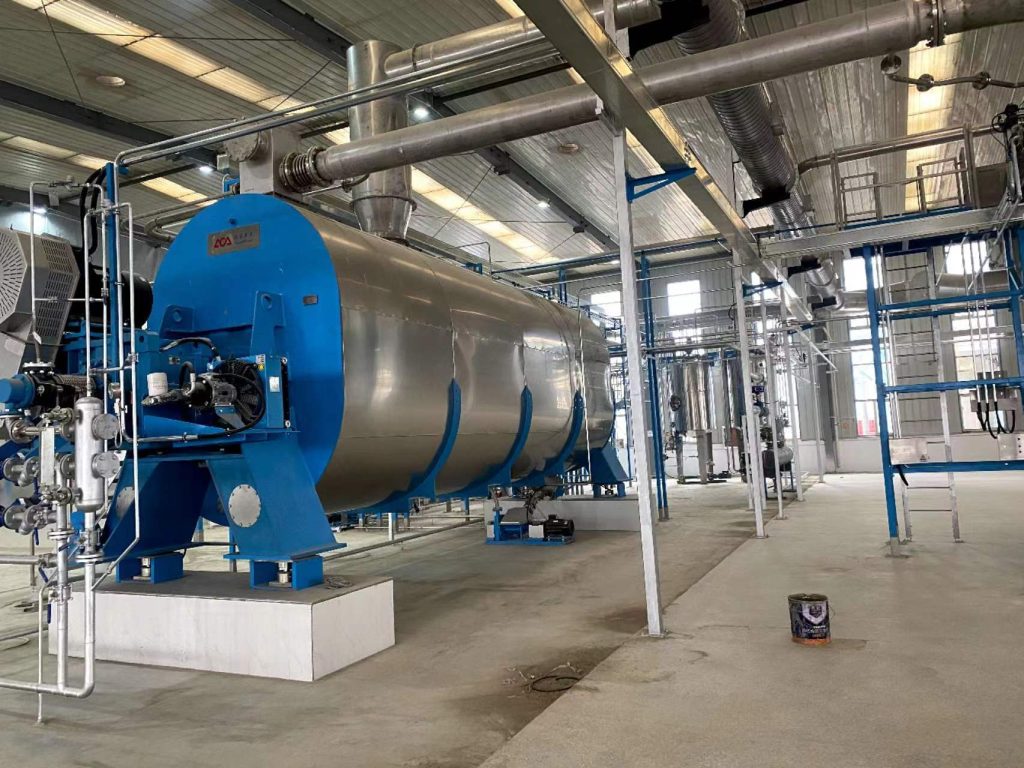
The sweet spot for most whitefish and pelagic species is 95-100°C with a retention time of 15-20 minutes, enough to denature enzymes and kill pathogenic bacteria without excessive amino acid damage. Batch cookers give you tighter control over this window than continuous cookers running at variable throughput, which is why many mid-size operations processing mixed or variable-freshness raw material prefer them. If you’re evaluating equipment, our breakdown of what a batch cooker is used for covers the temperature and retention control advantages in more detail.
What Happens If You Undercook
Undercooking is its own risk — residual enzyme activity and surviving bacteria continue producing TVN even after the meal leaves the cooker, particularly if drying is delayed or moisture content stays above 10% during storage.
Pressure and Retention Time: The Underrated Variable
Pressure doesn’t get discussed as much as temperature, but it directly affects how thoroughly the cook penetrates larger fish or dense batches. Running at 2.5-3.0 bar allows shorter retention times at the same effective sterilization level, which reduces total thermal exposure and protein damage compared to atmospheric cooking held longer to reach the same core temperature.
The mistake we see most often in retrofit projects: operators increase retention time to compensate for inconsistent raw material sizing, instead of fixing the sizing problem upstream with better pre-breaking or grinding. Longer retention time at the same temperature doesn’t reduce histamine — it was already formed before cooking — but it does increase TVN-related off-notes and protein oxidation, hurting both smell and nutritional value.
A tuna cannery byproduct processor we’ve worked with cut retention time by 20% simply by installing a pre-cooker crusher to standardize particle size before the main cook, improving both throughput and final TVN scores without touching temperature settings at all.
Species-Specific Risk: Not All Fish Are Equal
Histamine risk isn’t uniform across species. Scombroid fish — tuna, mackerel, sardines, anchovies — carry naturally high free histidine levels in their muscle tissue, making them far more prone to rapid histamine formation than whitefish like cod or pollock byproducts.
If your raw material mix includes significant scombroid volume, you need tighter freshness controls than a plant processing mostly whitefish trimmings, even if both are nominally “fresh.” Icing tuna byproduct within 4-6 hours of processing matters far more than it does for cod frames, where the histidine substrate simply isn’t as available for bacterial conversion.
Storage Between Reception and Cooking: Where Plants Lose Control
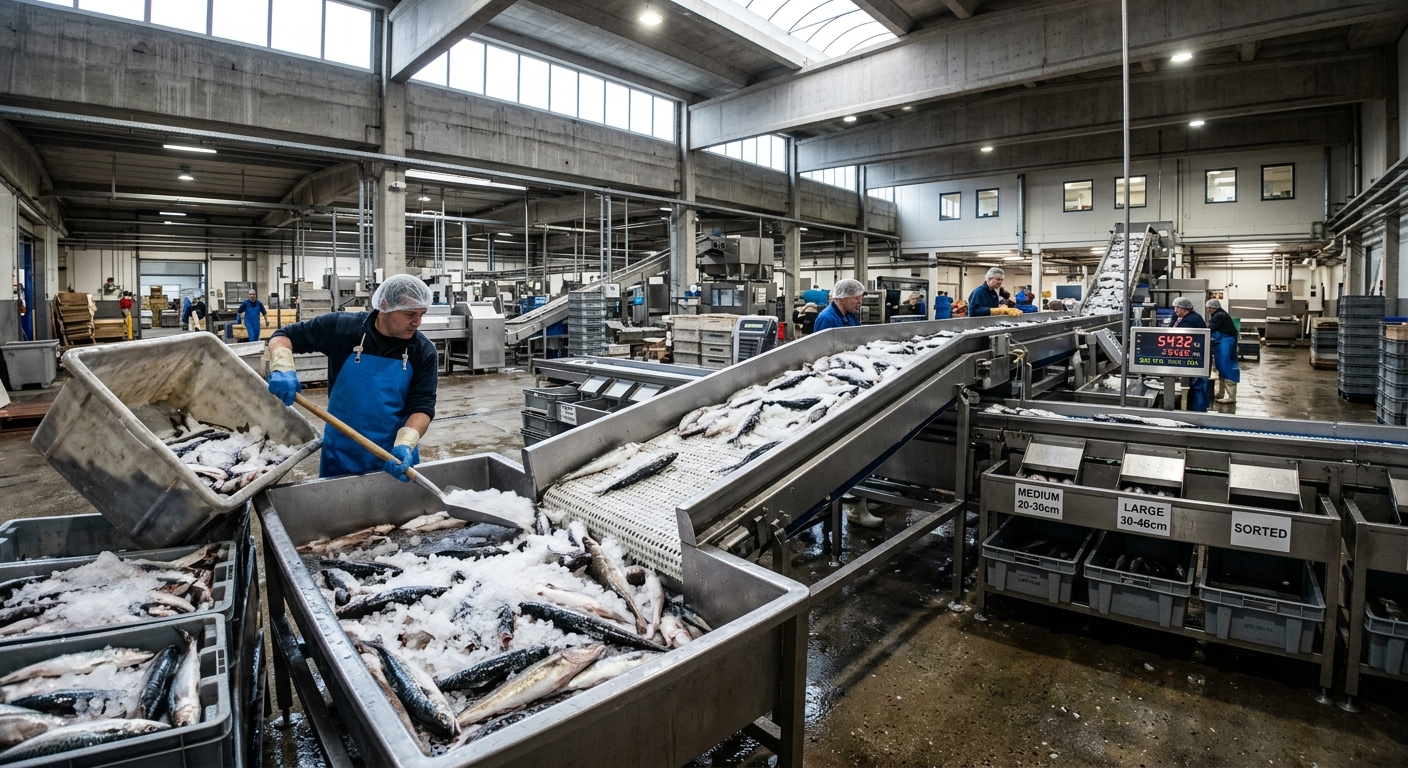
A well-run cooker can’t rescue raw material that sat in an uncooled holding bin for six hours during a production backlog. This is one of the most common gaps we see during plant audits — receiving and cooking are treated as separate steps, with no accounting for what happens in between.
- Raw material holding bins should be refrigerated or processed on a strict first-in-first-out schedule under 4 hours whenever ambient temperature exceeds 25°C
- Batch scheduling should prioritize the oldest or warmest material first, not by convenience of unloading order
- Any backlog beyond 8 hours without cooling should trigger a downgrade decision before the material reaches the cooker, not after lab results come back
Plants running our fish meal plant line systems typically integrate holding bin monitoring directly into the production schedule so operators get an alert before backlog becomes a quality problem, not after.
Testing Protocol: Catching Problems Before Shipment
Don’t wait for a buyer’s lab report to find out your TVN spiked. In-house testing at three checkpoints — incoming raw material, post-cook, and finished dried meal — lets you catch a freshness or cooker deviation while there’s still time to adjust the next batch.
Minimum Testing Frequency
- Incoming raw material: every delivery lot, especially from mixed or third-party suppliers
- Post-cook sampling: at minimum once per shift, more frequently during raw material quality transitions
- Finished product: every production batch before bagging, with retained samples for buyer dispute resolution
Fast semi-quantitative TVN test kits (Conway micro-diffusion or steam distillation methods) give results in under an hour, cheap enough to run far more often than sending samples to an external lab. If your quality data shows TVN creeping up gradually over several weeks without an obvious raw material change, it’s usually a sign your cooker temperature has drifted — worth checking calibration before assuming the supply chain is at fault.