Fishmeal and Fishmeal Plant: A Complete Guide
Fishmeal and Fishmeal Plant: A Complete Guide
1. Why fishmeal hit a record in 2026
In September, IFFO – The Marine Ingredients Organisation reported that global fishmeal production for the first seven months of 2026 was down 49% year on year, with fish oil down 30%.
The shortfall is concentrated in South America. Peru’s first North-Central anchovy season was set at a quota of 1.914 million tonnes — only 27% of the estimated biomass — and was cancelled outright, leaving roughly 1 million tonnes uncaught. Peru normally accounts for about one fifth of world fishmeal production.
El Niño is forecast to persist into early 2027, and North-Central fishing remains effectively inactive. Chile has been constrained by a high incidence of juveniles, while Northern Europe has seen lower raw material availability after quota cuts for mackerel and herring.
Prices followed. In mid-September, Peruvian super prime steam fishmeal was quoted at USD 3,450 per tonne CNF, with Chinese port prices for the same grade at RMB 22,400–22,500 per tonne. Chinese port stocks had fallen to 146,200 tonnes.
There is a second signal worth noting: China restarted domestic fishmeal production in August, and aquafeed output reached 11.1 million tonnes in the first half of 2026, up 17.4% year on year. With imports constrained, domestic capacity is filling the gap — and that is what is pushing demand for fishmeal plant equipment.
2. How fishmeal is made
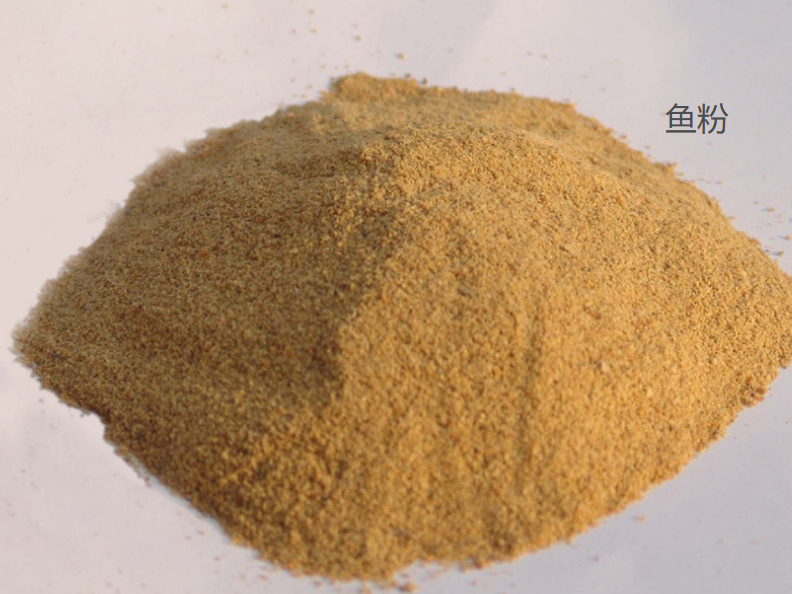
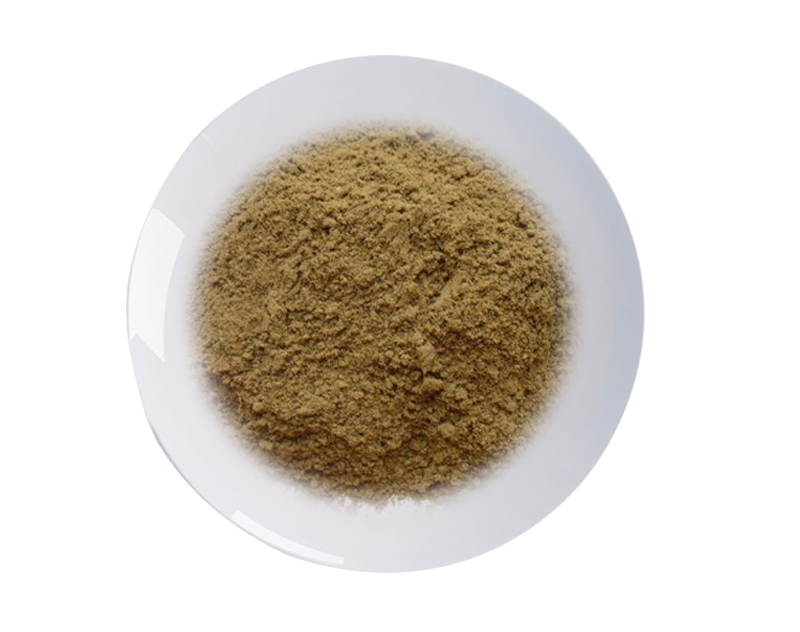
Fishmeal is not “dried fish, ground up”. As IFFO’s description of the process sets out, the industrial wet-rendering route separates oil, water and protein step by step, then recombines them into a stable powder.
2.1 Cooking: 85–90 °C
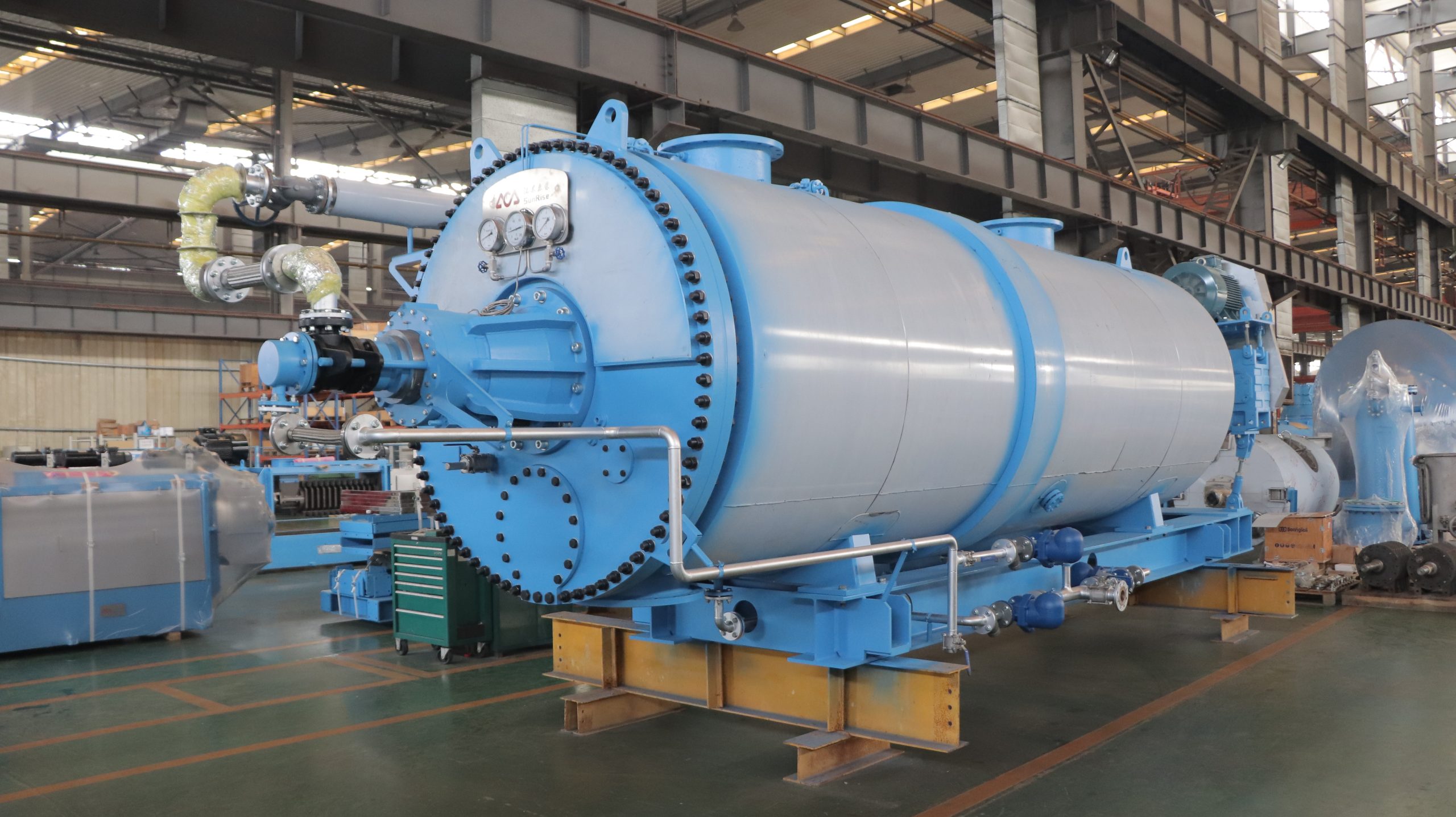
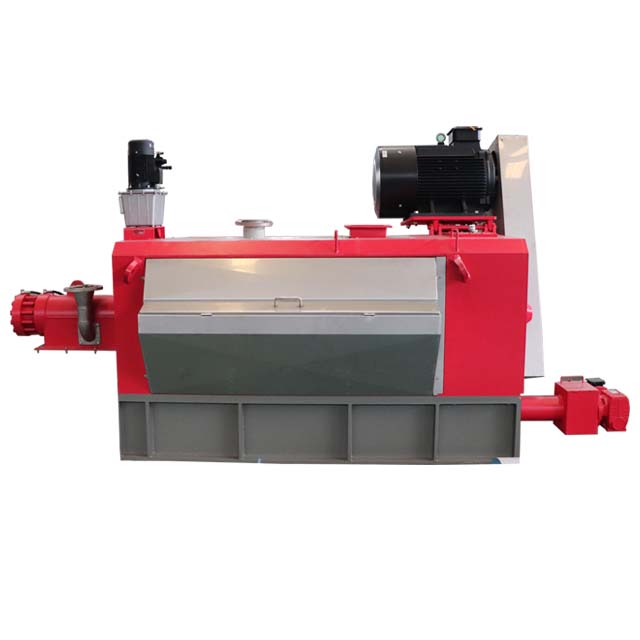
Raw fish is cooked at 85–90 °C, which coagulates the protein, releases part of the oil and deactivates micro-organisms. The temperature is held deliberately in that band: lower inhibits enzyme breakdown, higher over-denatures the protein. This step is carried out in a fish cooker.
2.2 Pressing: separating cake from liquor
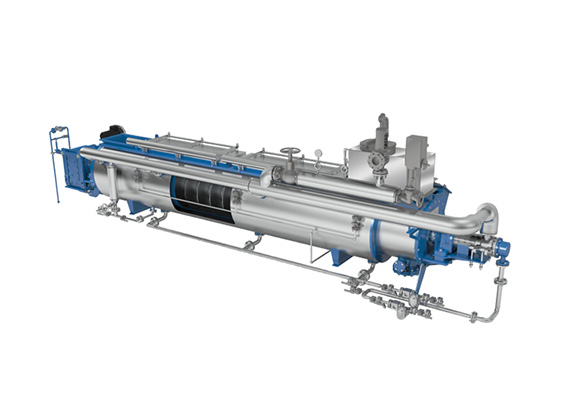
The cooked material passes through a screw press, which squeezes it into press cake and expresses the liquor. From here the material splits in two — cake to drying, liquor to separation.
2.3 Liquor separation and concentration
The liquor passes a decanter to remove residual solids, then a centrifuge to separate the fish oil; the remaining thick stickwater goes to evaporation and concentration. This step is often underestimated: the liquor carries a large share of water-soluble protein, and discarding it means discarding profit.
2.4 Drying and packing
The concentrated stickwater is mixed back into the press cake and dried to roughly 10% moisture in a disc dryer, then cooled, milled and screened before packing.
One hard rule applies throughout: a fishmeal plant may use fish as its only raw material, and nothing else. That is the fundamental compliance difference between fishmeal and meat and bone meal.

3. Specifying a fishmeal plan
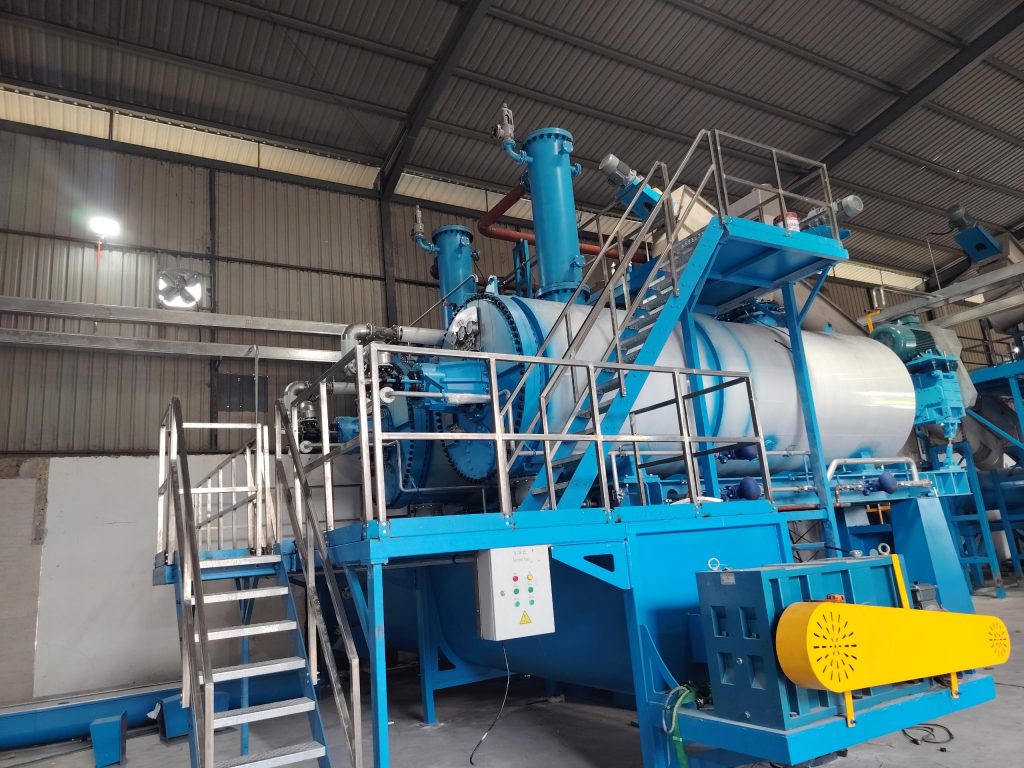
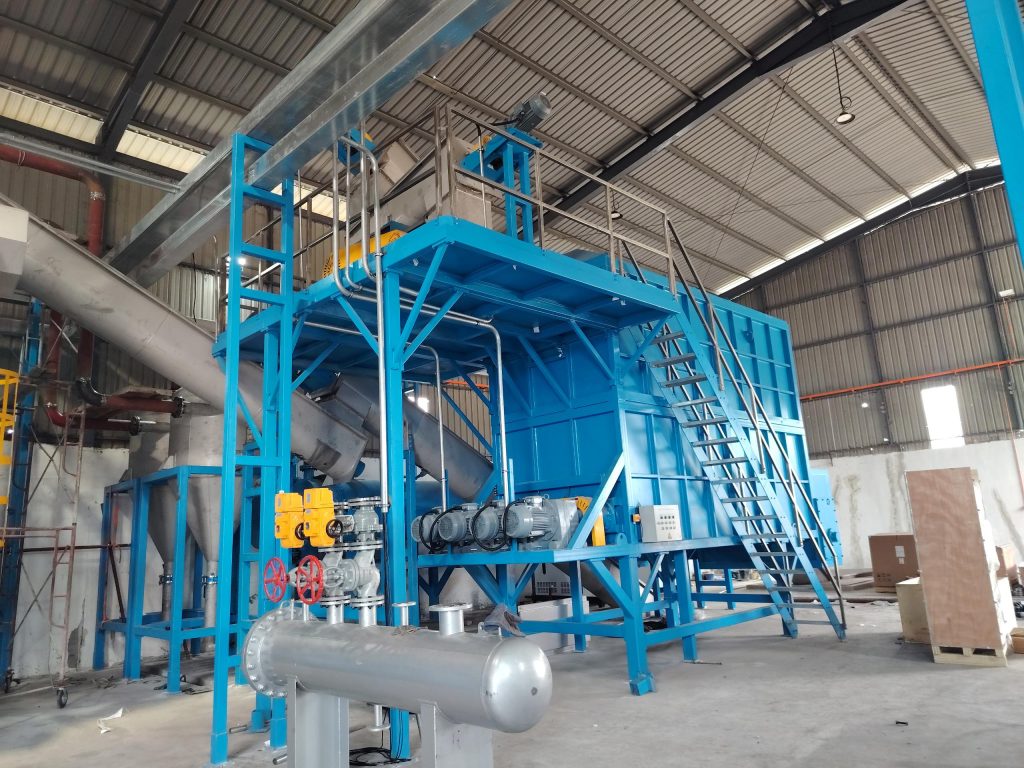
The line has only four critical stages: cooking, pressing, liquor concentration and drying. How you configure it comes down to two things — whether the raw material is fresh fish or processing by-products, and whether the product is a standard domestic grade or an export-grade premium.
Set the process route first, then the equipment specification. To size a line against your own raw material and capacity, see SunRise’s complete fishmeal plant configuration.
4. GB/T 19164-2021: what exporters to China need to know
If you ship fishmeal into China, quality is judged against GB/T 19164-2021, Feed material — Fish meal. Published on 11 October 2021 and effective from 1 May 2022, it fully replaces the 2003 edition and covers red fishmeal, white fishmeal and fish-frame meal.
Against the 2003 version, the new standard drops crude fat, methionine, pepsin digestibility and oil acid value, and adds the total of 17 amino acids against crude protein, the glycine ratio, DHA plus EPA as a share of total fatty acids, and malondialdehyde.
The direction is worth noting: the regulatory focus is shifting from “how much protein is in it” towards “how good that protein is, and how far the fat has oxidised”.
5. Frequently asked questions
Q1: Is a higher cooking temperature better?
No. Cooking is normally held at 85–90 °C. Higher temperatures over-denature the protein and actually reduce amino acid availability.
Q2: Why must the liquor be concentrated and recovered?
The liquor carries a large amount of water-soluble protein. Discharging it loses protein yield and adds to the wastewater treatment load.
6. Conclusion
The surge in fishmeal prices is essentially tightening global raw material supply colliding with expanding aquafeed demand. In a year of constrained imports, how well domestic production can fill the gap depends on the standard of the line behind it. To model this against your own raw material mix, contact SunRise for a tailored proposal.