Batch- vs. kontinuierliches Rendern: Welches Verfahren ist das richtige für Ihren Betrieb?
Batch- vs. kontinuierliches Rendern: Welches Verfahren ist das richtige für Ihren Betrieb?
Wenn Ihre Anlage mehr als etwa 50 Tonnen Rohmaterial pro Tag nach einem gleichmäßigen Zeitplan verarbeitet, ist das kontinuierliche Rendern mit ziemlicher Sicherheit die bessere Investition – es liefert niedrigere Kosten pro Tonne, gleichmäßigere Qualität von Mehl und Fett und weit weniger manuelle Arbeit. Unterhalb dieser Schwelle oder wenn Ihre Rohstoffversorgung unvorhersehbar und variabel ist, bietet Ihnen das Batch-Rendern eine Flexibilität, die kontinuierliche Linien einfach nicht erreichen können. Der Rest dieses Leitfadens geht genau darauf ein, warum, mit echten Zahlen, praktischen Kompromissen und den Grenzfällen, in denen sich die „offensichtliche“ Antwort umkehrt.
Was Batch- und kontinuierliches Rendern tatsächlich bedeuten
Bevor wir vergleichen, stellen wir sicher, dass wir über dasselbe sprechen – denn die Begriffe werden locker verwendet.
Batch-Rendern (trocken oder nass)
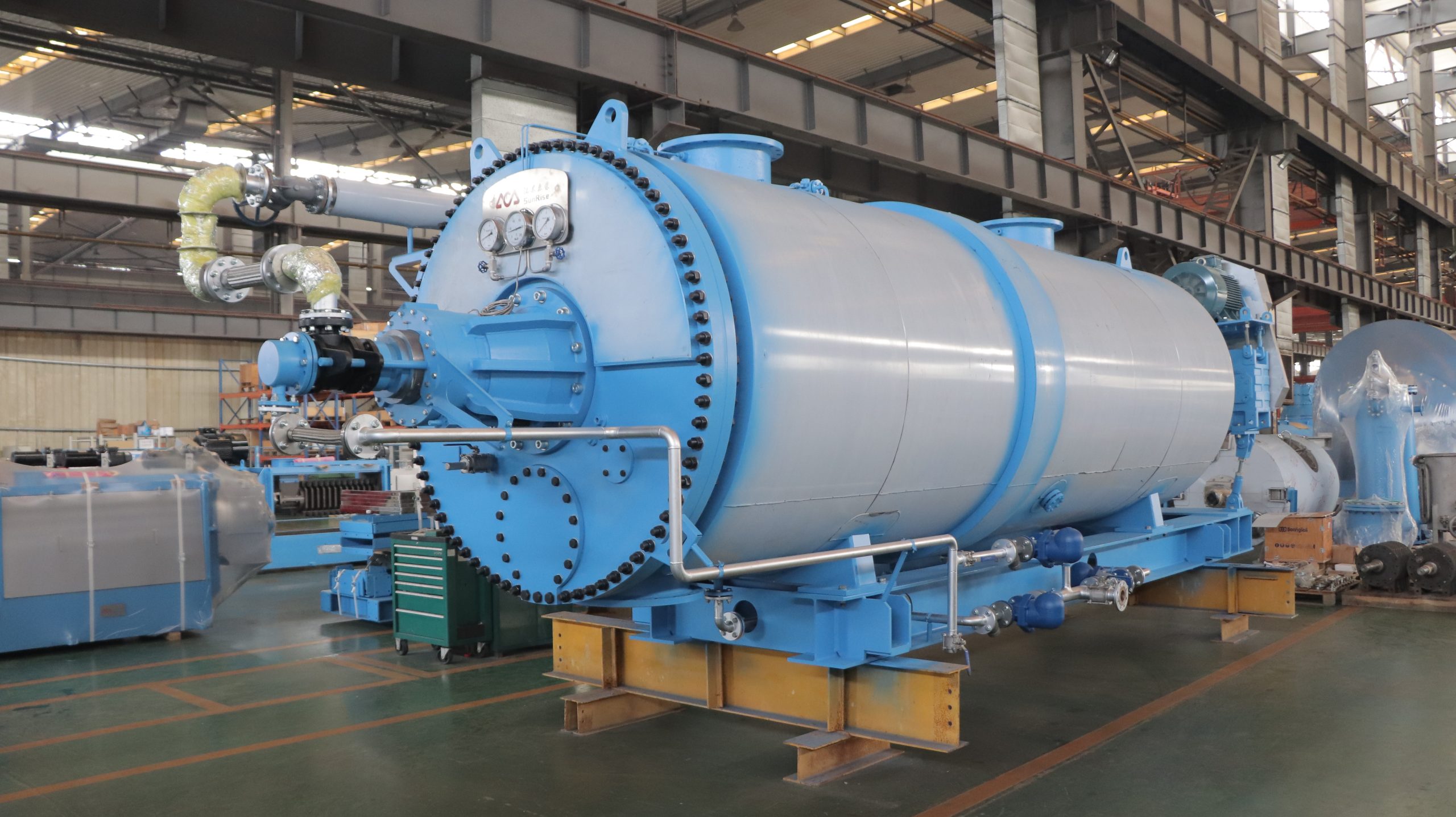
Eine abgemessene Charge Rohmaterial – Innereien, Knochen, Federn, Blut – wird in einen Kocher geladen, verschlossen, für eine festgelegte Zykluszeit (typischerweise 90–180 Minuten) auf 60–145 °C erhitzt und dann auf einmal entladen. Der Kocher steht während des Be- und Entladens still. Stellen Sie es sich wie eine Waschmaschine vor: laden, laufen lassen, entladen, wiederholen.
Kontinuierliches Rendern
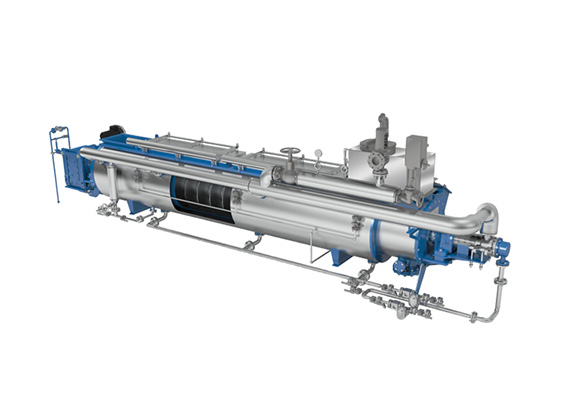
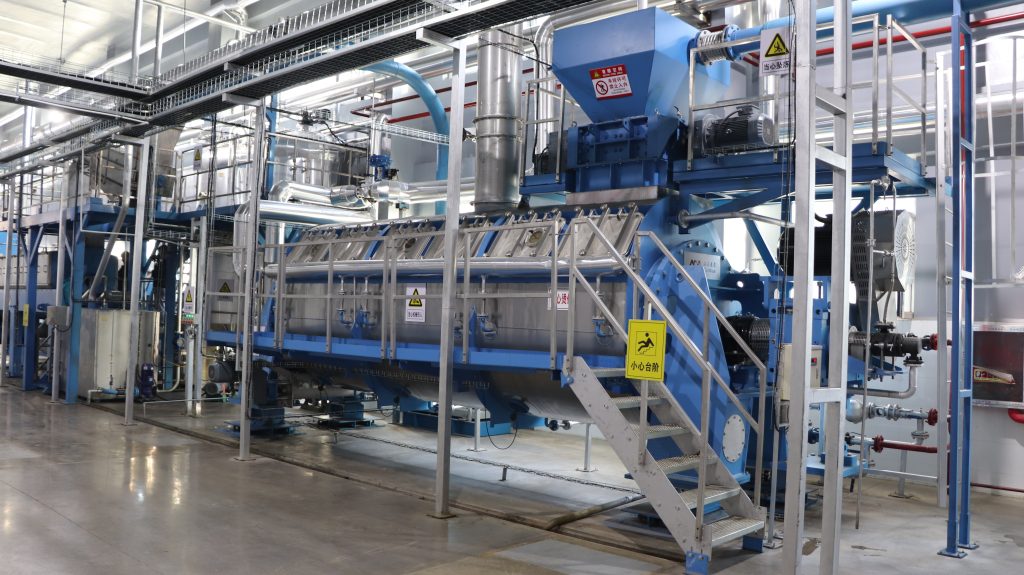
Das Rohmaterial wird mit gleichmäßiger Geschwindigkeit in den vorderen Teil einer Verarbeitungslinie eingespeist – Brecher, Vorwärmer, kontinuierlicher Kocher, Presse, Dekanter – und fertiges Mehl sowie abgetrenntes Fett verlassen das andere Ende ohne Unterbrechung. Das System läuft 20–24 Stunden am Tag und pausiert nur für planmäßige Wartungsarbeiten. Es ist ein Fließband, keine Waschmaschine.
Der Unterschied ist wichtig, weil er jede nachgelagerte Entscheidung bestimmt: Anlagengröße, Gebäudelayout, Personalmodell und – entscheidend – das Qualitätsprofil Ihrer fertigen Produkte.
Direkter Vergleichstabelle
Hier ist die Kurzreferenzversion. Wir werden jede Zeile in den folgenden Abschnitten ausführlich behandeln.
| Kriterien | Chargenweise Verarbeitung | Kontinuierliches Rendern |
|---|---|---|
| Durchsatzkapazität | 1–50 Tonnen/Tag typisch | 50–500+ Tonnen/Tag typisch |
| Kapitalinvestition | Niedrigere Anschaffungskosten | Höhere Anschaffungskosten |
| Produktkonsistenz | Variabel zwischen Chargen | Sehr gleichmäßige Ausgabe |
| Arbeitskräftebedarf | Höher pro Tonne | Niedriger pro Tonne (automatisiert) |
| Energieeffizienz | Mäßig (Wärmezyklen) | Hervorragend (stationärer Zustand) |
| Rohstoffflexibilität | Hervorragend – einfacher Wechsel | Begrenzt – optimiert für einen Strom |
| Platzbedarf / Fläche | Kleiner, modular | Größer, integrierte Linie |
| Am besten geeignet für | Kleine Schlachthöfe, gemischte Abfälle | Große Schlachthöfe, einzelne Tierart |
Durchsatz und Skalierbarkeit: Wo sich die Linien kreuzen
Die Zahl von 50 Tonnen pro Tag ist nicht willkürlich. Darunter kann ein einzelner Chargenkocher (oder ein Paar mit versetzten Zyklen) die Last mit Spielraum bewältigen. Darüber beginnt die Mathematik, dich zu bestrafen.
Ein typischer 5 m³ Chargenkocher verarbeitet etwa 3–4 Tonnen pro Zyklus. Bei drei Zyklen pro Schicht liefert ein Kocher etwa 10–12 Tonnen in acht Stunden. Um 80 Tonnen/Tag zu erreichen, bräuchte man sechs oder sieben Kocher, die rund um die Uhr laufen – jeder mit eigenem Be- und Entladen sowie Überwachung. Das sind viele bewegliche Teile und viele Leute.
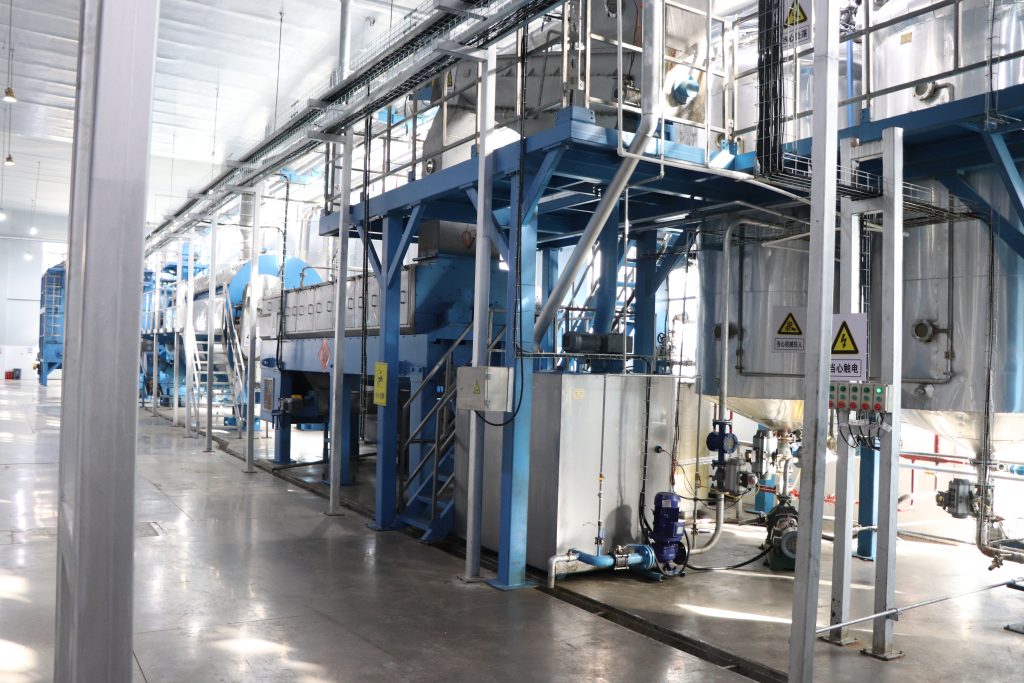
Eine kontinuierliche Linie, ausgelegt für 80 Tonnen/Tag, ist dagegen ein einziges integriertes System. Die Zufuhrrate wird von einem einzigen drehzahlgeregelten Förderband gesteuert, und die gesamte Linie wird von einer zentralen SPS-Steuerung verwaltet. Eine Skalierung bedeutet oft eine Erhöhung der Zufuhrrate oder eine Verlängerung des Kochers – nicht die Vervielfachung ganzer Einheiten.
Die Hybrid-Ausnahme
Einige mittelgroße Anlagen (30–60 Tonnen/Tag) verwenden einen halbkontinuierlichen Ansatz: Chargenkocher mit automatischer Be- und Entladung und kurzen Zykluszeiten, die einen kontinuierlichen Fluss nachahmen. Dies ist ein pragmatischer Mittelweg, wenn die Rohstoffversorgung „meistens gleichmäßig, aber nicht perfekt vorhersagbar“ ist.
Kapitalkosten vs. Lebenszykluskosten – Die wahre Gleichung
Chargensysteme punkten jedes Mal beim Anschaffungspreis. Eine komplette Chargenverarbeitungsanlage für 10 Tonnen/Tag könnte 30–50 % weniger kosten als eine kontinuierliche Linie mit gleicher Kapazität. Aber der Anschaffungspreis ist die falsche Kennzahl, um sie zu optimieren.
Energiezyklus-Strafe
Jeder Chargenzyklus erhitzt die Kocherhülle von Umgebungstemperatur auf Betriebstemperatur und lässt sie dann während des Entleerens und Neubefüllens abkühlen. Diese thermische Zyklierung verschwendet 15–25 % mehr Dampf pro Tonne Produkt im Vergleich zu einem kontinuierlichen Kocher im stationären Zustand. Über ein Jahr bei 30 Tonnen/Tag kann diese Lücke allein bei den Brennstoffkosten Zehntausende von Dollar ausmachen.
Arbeitskosten-Multiplikator
Chargenanlagen benötigen typischerweise 1,5–2× so viele Bediener pro Tonne Durchsatz. Das Befüllen von Trichtern, die Überwachung der Garzeiten, das Testen jeder Charge, das Entleeren und die Reinigung zwischen den Durchläufen sind alles manuell intensive Aufgaben. Eine kontinuierliche Linie automatisiert die meisten dieser Schritte, und ein Bediener kann den gesamten Prozess von einem Kontrollraum aus überwachen.
Wenn man die Gesamtbetriebskosten über 10 Jahre modelliert – einschließlich Energie, Arbeit, Wartung und Ausfallzeiten – liefert die kontinuierliche Verarbeitung bei Anlagen über 40–50 Tonnen/Tag fast immer niedrigere Kosten pro Tonne. Darunter gewinnen Chargensysteme, weil die Kapitaleinsparungen die Effizienzlücke überwiegen.
Produktqualität und Konsistenz
Hier liegt die kontinuierliche Verarbeitung am deutlichsten vorn, und dies ist der Faktor, den viele Erstkäufer unterschätzen.
Bei der Chargenverarbeitung liegt das Material am Boden des Kochers während des gesamten Zyklus in Kontakt mit dem beheizten Mantel, während das Material oben langsamer erhitzt wird. Selbst mit Rühren entsteht ein Temperaturgradient. Das Ergebnis? Leichte Schwankungen in der Proteinverdaulichkeit, der Fettfarbe und dem Feuchtigkeitsgehalt von Charge zu Charge – und manchmal sogar innerhalb derselben Charge.
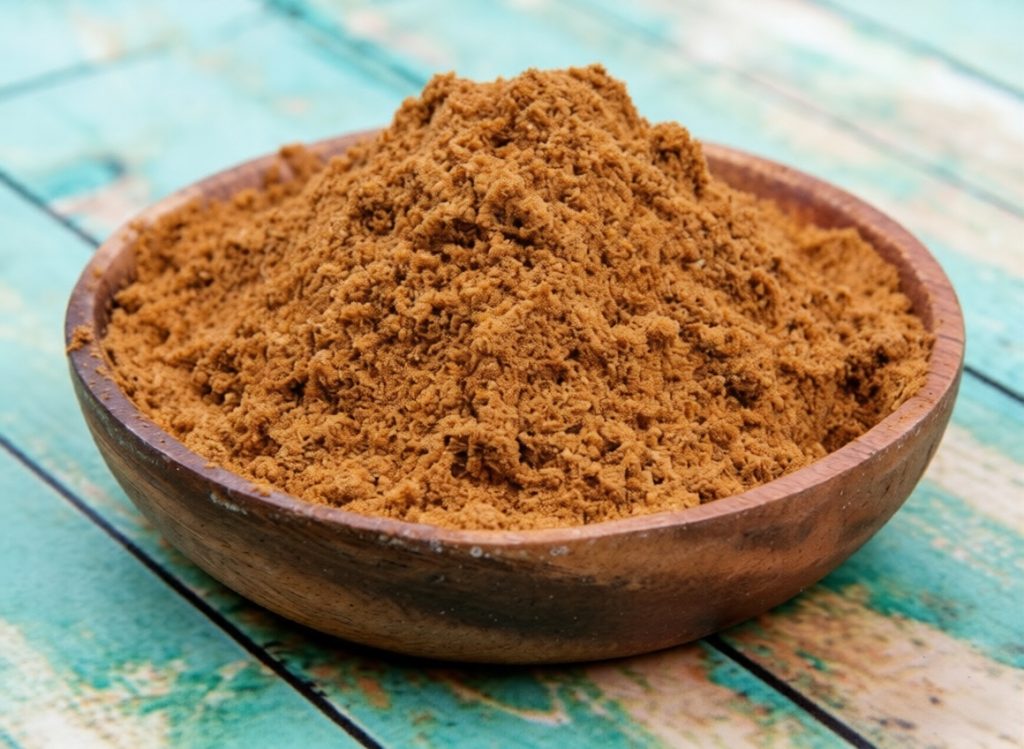
Durchlaufkocher gewährleisten eine gleichmäßige Verweilzeit und ein einheitliches Temperaturprofil. Jedes Partikel des Rohmaterials verbringt im Wesentlichen die gleiche Zeit bei derselben Temperatur. Der Output ist bemerkenswert konsistent, was enorm wichtig ist, wenn Sie Geflügelmehl oder Tierfett in Futtermittelmärkte mit strengen Spezifikationen verkaufen.
Rohstoffflexibilität: Die geheime Waffe des Batch-Renderns
Hier schlägt die Chargenverarbeitung zurück – und gewinnt überzeugend.
Wenn Ihre Anlage mehrere Tierarten oder extrem unterschiedliche Rohmaterialströme verarbeitet (Rinderabfälle am Montag, Geflügelfedern am Mittwoch, Fischabfälle am Freitag), ermöglicht die Chargenverarbeitung, Garzeit, Temperatur und Druck für jede Charge anzupassen. Der Rezeptwechsel ist so einfach wie die Neuprogrammierung der Zyklusparameter des Kochers zwischen den Chargen.
Durchlaufanlagen sind auf einen engen Bereich von Rohmaterialeigenschaften optimiert. Der Wechsel von fettreichen Geflügelabfällen zu fettarmer Federhydrolyse auf derselben Linie erfordert erhebliche Anpassungen der Zufuhrrate, des Dampfdrucks und der nachgeschalteten Trennung – manchmal sogar physische Gerätewechsel. Es ist machbar, kostet aber Ausfallzeiten und Effizienz.
Wer profitiert am meisten von dieser Flexibilität?
- Unabhängige Verarbeiter sammeln Abfälle von mehreren Schlachthöfen und Tierarten.
- Kleine bis mittlere Schlachthöfe verarbeiten Rinder, Schafe und Ziegen an abwechselnden Tagen.
- Spezialverarbeiter produzieren Nischenmehle (z. B. Fischmehl) neben Standard-MBM.
Wenn Rohmaterialvielfalt Ihre Realität ist, ist die Chargenverarbeitung kein Kompromiss – sie ist das richtige Werkzeug für die Aufgabe.
Geruchskontrolle und Umweltauflagen
Verarbeitungsanlagen haben ein Reputationsproblem, und Geruch ist der Hauptverursacher. Der von Ihnen gewählte Prozess hat direkten Einfluss darauf, wie schwierig (und teuer) es ist, Nachbarn zufrieden und Behörden konform zu halten.
Batch-Kocher geben jedes Mal, wenn Sie die Austragstür öffnen, einen konzentrierten Stoß nicht kondensierbarer Gase ab. Dieser intermittierende Geruchs-„Puls“ ist schwieriger zu erfassen und zu behandeln als eine gleichmäßige, niedrige Emission. Sie benötigen entweder ein großvolumiges Wäschersystem , das für Spitzenlast ausgelegt ist, oder eine Dampfrückhaltestrategie, die Gase zurückhält, bis der Wäscher sie verarbeiten kann.
Kontinuierliche Systeme erzeugen einen gleichmäßigen, vorhersagbaren Gasstrom, der sich weitaus effizienter durch Kondensatoren und Wäscher leiten lässt. Das Ergebnis sind typischerweise 30–40 % niedrigere Geruchsemissionen pro Tonne Durchsatz – ein bedeutender Vorteil in Regionen mit strengen Umweltauflagen oder wenn Ihre Anlage in der Nähe besiedelter Gebiete liegt.
Der luftgekühlte Kondensator-Aspekt
Beide Systeme profitieren von einer effizienten Dampfkondensation vor dem Wäscher. Ein luftgekühlter Kondensator kann das Dampfvolumen erheblich reduzieren, funktioniert aber am besten mit dem gleichmäßigen Fluss eines kontinuierlichen Systems. Batch-Anlagen benötigen oft einen Dampfpuffertank, um die Impulse zu glätten, bevor der Kondensator seine Arbeit verrichten kann.
Platz-, Layout- und Installationsüberlegungen
Kontinuierliche Rendering-Linien sind lang. Ein typisches Layout – vom Rohmaterialeingang über Kochen, Pressen und Trocknen – kann sich in einer geraden Linie über 30–50 Meter erstrecken. Sie benötigen ein zweckgebautes Gebäude mit Deckenkranzugang für Wartungsarbeiten und klaren Förderbandstrecken zwischen den einzelnen Prozessstufen.
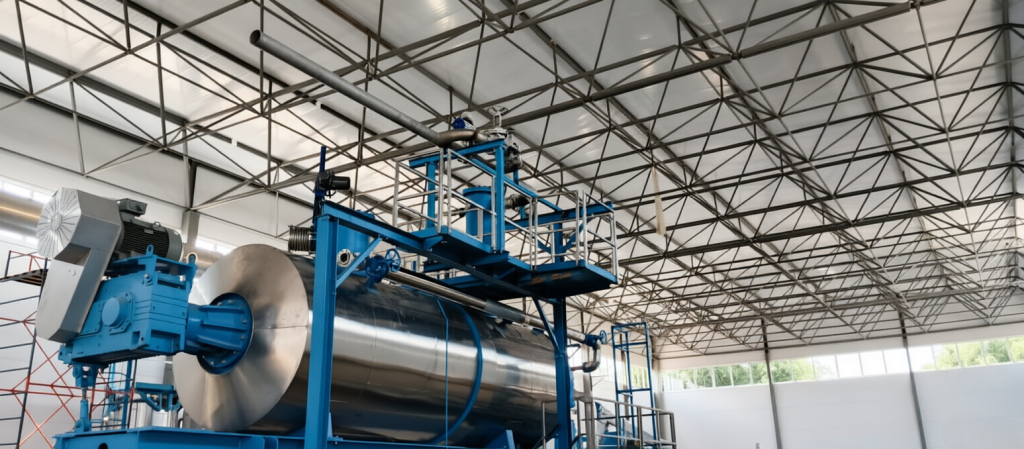
Batch-Systeme sind kompakter und modularer. Ein Paar Batch-Kocher, eine Presse und ein Trommeltrockner passen mit geringfügigen Umbauten in ein bestehendes Gebäude. Diese Modularität bedeutet auch, dass Sie jetzt einen Kocher installieren und später einen zweiten hinzufügen können, wenn die Mengen steigen – eine phasenweise Investitionsstrategie, die sich bei kontinuierlichen Linien nur schwer umsetzen lässt.
Nachrüstung vs. Neubau
Wenn Sie Rendering in einen bestehenden Schlachthof nachrüsten, passen Batch-Anlagen fast immer besser. Kontinuierliche Linien werden am besten in Greenfield-Projekte (Neubauten) eingeplant, bei denen das Gebäude von Anfang an um den Prozessablauf herum konzipiert wird.
Entscheidungsrahmen: Das Verfahren an Ihre Realität anpassen
Vergessen Sie für einen Moment die Broschüren. So entscheiden Sie tatsächlich.
Wählen Sie Batch-Rendern, wenn:
- Ihr tägliches Rohmaterialvolumen liegt unter 40–50 Tonnen.
- Sie verarbeiten mehrere Tierarten oder stark schwankende Abfallströme.
- Sie rüsten in ein bestehendes Gebäude mit Platzbeschränkungen nach.
- Das Investitionsbudget ist knapp und Sie bevorzugen eine schrittweise Erweiterung.
- Die Produktionspläne sind intermittierend (z. B. Schlachtung nur 3–4 Tage pro Woche).
Wählen Sie kontinuierliches Rendern, wenn:
- Der tägliche Durchsatz übersteigt 50 Tonnen bei konstanter Rohstoffversorgung.
- Sie benötigen Premium-Exportqualität von Tiermehl und Fett mit engen Spezifikationstoleranzen.
- Sie arbeiten 5–7 Tage pro Woche mit vorhersehbaren Mengen.
- Sie bauen eine neue Anlage und können das Layout um die Linie herum gestalten.
- Die langfristigen Kosten pro Tonne sind wichtiger als die anfänglichen Investitionen.
Die richtige Entscheidung für Ihre Anlage treffen
Bei der Debatte zwischen Batch- und kontinuierlicher Verarbeitung geht es nicht darum, welche Technologie „besser“ ist – sondern darum, welche zu Ihrem Durchsatz, Ihren Rohstoffen, Ihrem Gebäude und Ihrem Wachstumsplan passt. Wenn diese Übereinstimmung stimmt, werden Sie niedrigere Betriebskosten, bessere Produktqualität und weniger Kopfschmerzen für die nächsten 15–20 Jahre erleben. Wenn sie falsch ist, geben Sie entweder zu viel für Kapazitäten aus, die Sie nicht benötigen, oder bremsen einen wachsenden Betrieb mit Geräten, die nicht mithalten können.
Sunrise Rendering hat fast drei Jahrzehnte damit verbracht, sowohl Batch- als auch kontinuierliche Systeme zu entwerfen – von kompakten Tierabfallverarbeitungsanlagen für kleine Schlachthöfe bis hin zu vollständig integrierten kontinuierlichen Linien, die Hunderte von Tonnen pro Tag verarbeiten. Wenn Sie die Optionen abwägen und eine ehrliche Bewertung auf der Grundlage Ihrer spezifischen Zahlen wünschen, wenden Sie sich an das Sunrise-Ingenieurteam unter sunriserendering.com. Sie werden beide Szenarien für Ihren Betrieb modellieren und Ihnen genau zeigen, wo der Wendepunkt liegt.