Fish Meal from Whole Fish vs Fish Processing By-Products: What Changes in the Final Meal?
Fish Meal from Whole Fish vs Fish Processing By-Products: What Changes in the Final Meal?
Fish meal made from whole fish typically runs 65-72% crude protein with a clean, balanced amino acid profile, while fish meal made from processing by-products (heads, frames, viscera, trimmings) usually lands lower — 50-62% protein — with more variable ash and oil content. The raw material isn’t just a cost decision; it changes protein density, digestibility, and consistency in ways that directly affect which feed application the meal is suited for. If you’re buying fish meal for aquafeed starter diets, that difference matters a lot more than it does for a grower-stage livestock ration.
Why the Raw Material Is the Real Starting Point, Not the Equipment
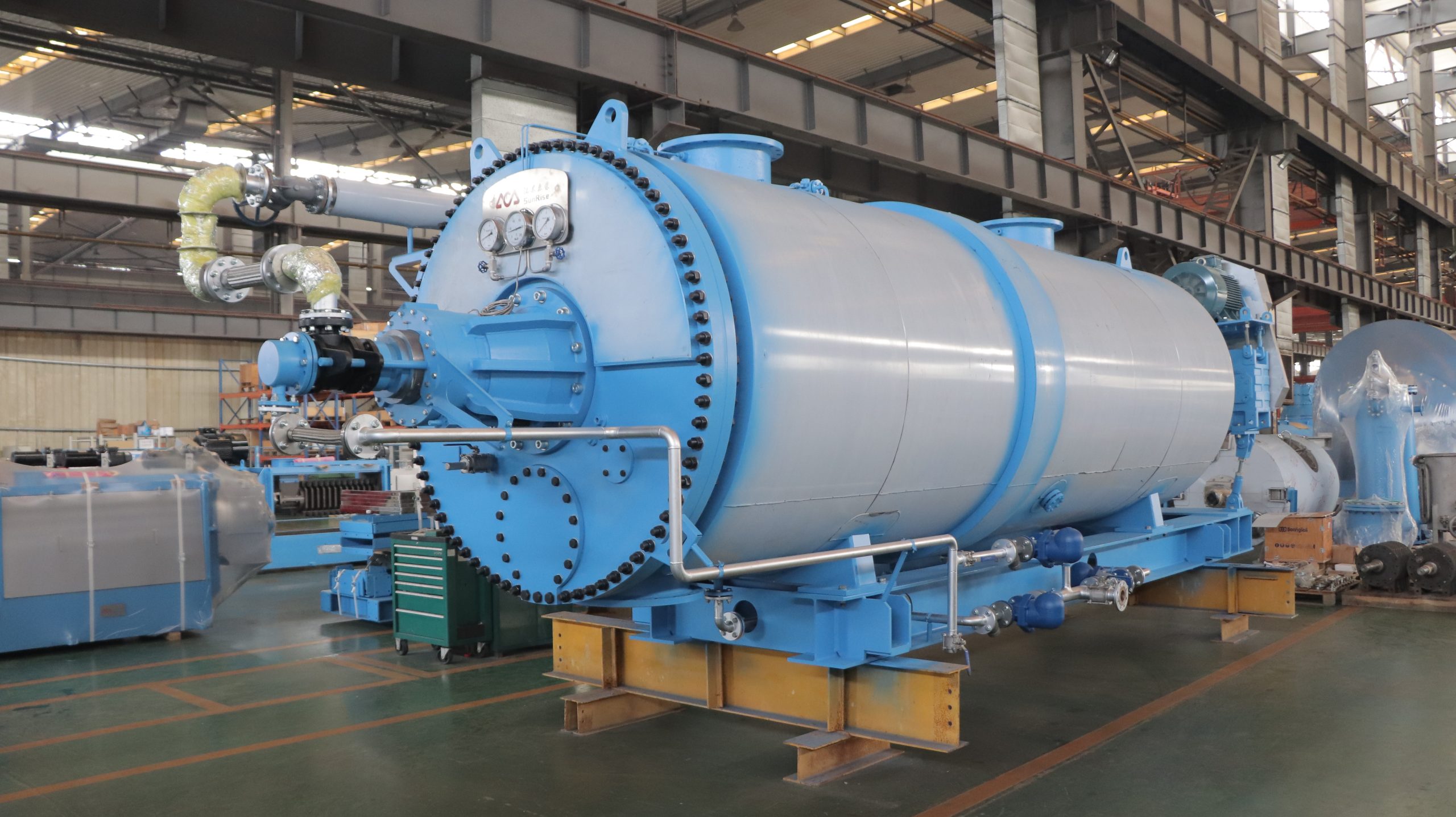
Here’s a mistake a lot of buyers make: they focus entirely on the rendering equipment — cooker temperature, press type, dryer specs — and forget that the meal’s ceiling is set before it ever touches a machine. You can run the best disc dryer in the world, but if you feed it 40% bone and cartilage from fish frames, you’re not getting a 68% protein meal out the other end. Physics doesn’t negotiate.
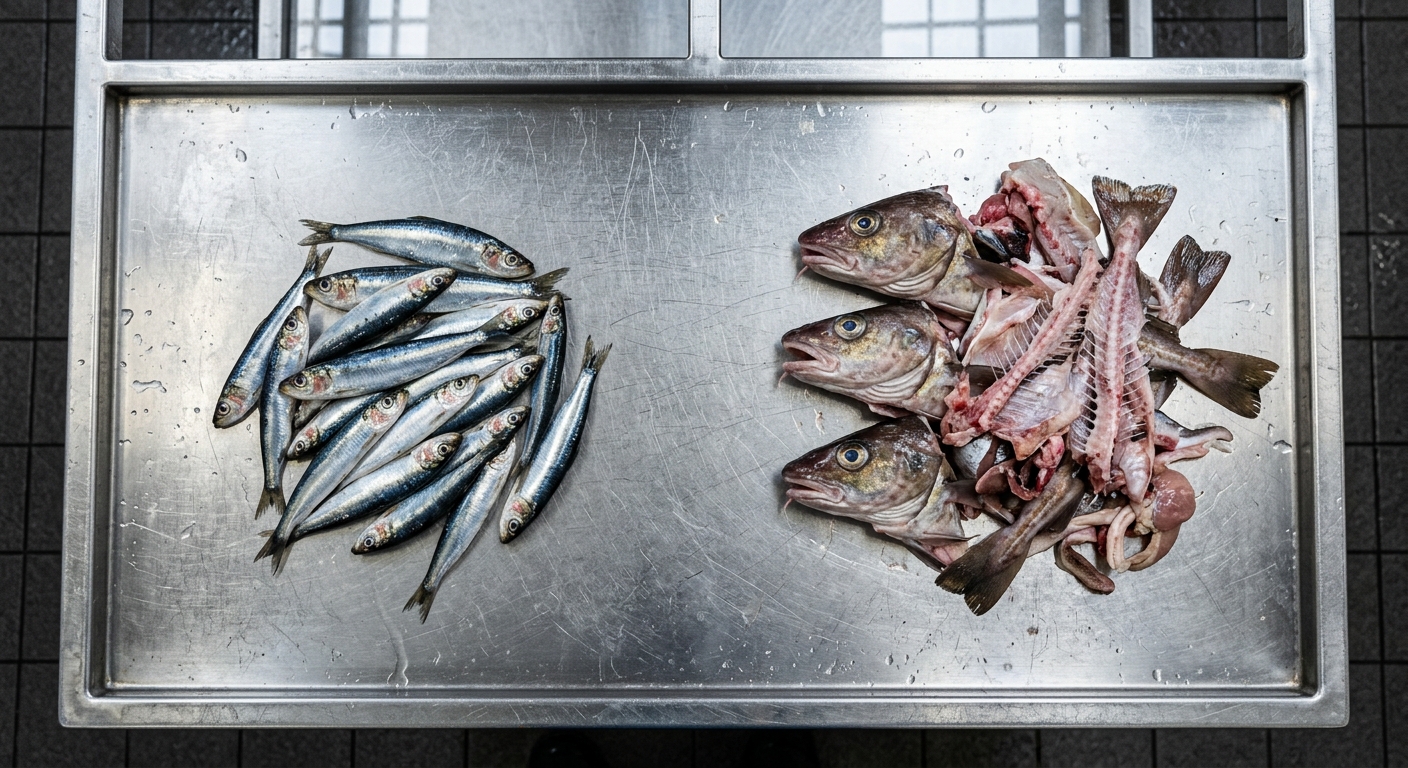
Whole fish — think anchovy, herring, menhaden caught specifically for meal production — comes in as a fairly uniform mix of muscle, skin, and a moderate bone fraction. By-products are whatever’s left after a filleting or canning line takes the good cuts: heads (heavy in bone and cartilage), frames, viscera (high oil, high moisture), and trim scraps. That mix is never the same twice, which is exactly why by-product meal has a wider spec range than whole-fish meal.
Protein Content: Where the Numbers Actually Diverge
Whole fish meal protein sits in a fairly tight 65-72% band because the raw material composition is consistent. By-product meal can swing anywhere from 50% to 62%, and sometimes lower if the batch is heavy on heads and frames.
Why? Bone and cartilage dilute protein with mineral ash. A fish head is roughly 30-40% bone by weight compared to maybe 8-12% in a whole small pelagic fish. More bone in, more ash out, less protein per kilo. This is the single biggest reason nutritionists ask for a Certificate of Analysis on every batch of by-product meal — you genuinely can’t assume the last shipment’s numbers apply to the next one.
| Raw Material Mix | Typical Protein Range |
|---|---|
| 100% whole small pelagic fish | 68-72% |
| Mixed frames + trim (low head content) | 58-62% |
| Heavy head/viscera by-product mix | 48-54% |
Ash Content: The Hidden Cost Nobody Talks About Until the Feed Fails a Test
Ash is the mineral residue left after protein and fat are accounted for, and it’s the metric that trips up more buyers than protein percentage does. Whole fish meal ash typically sits at 10-14%. By-product meal can run 16-24%, sometimes higher when heads and frames dominate the feedstock.
High ash isn’t necessarily “bad” — it depends on the animal. A grower pig or beef cattle ration can tolerate higher ash fish meal without issue. But in aquafeed, especially shrimp and marine fish larvae diets, excess ash reduces palatability and can interfere with mineral balance. This is exactly the kind of detail we covered in reducing ash in meat and bone meal — the same sorting-and-crushing logic applies to fish by-products, just with a different feedstock.
Practical example
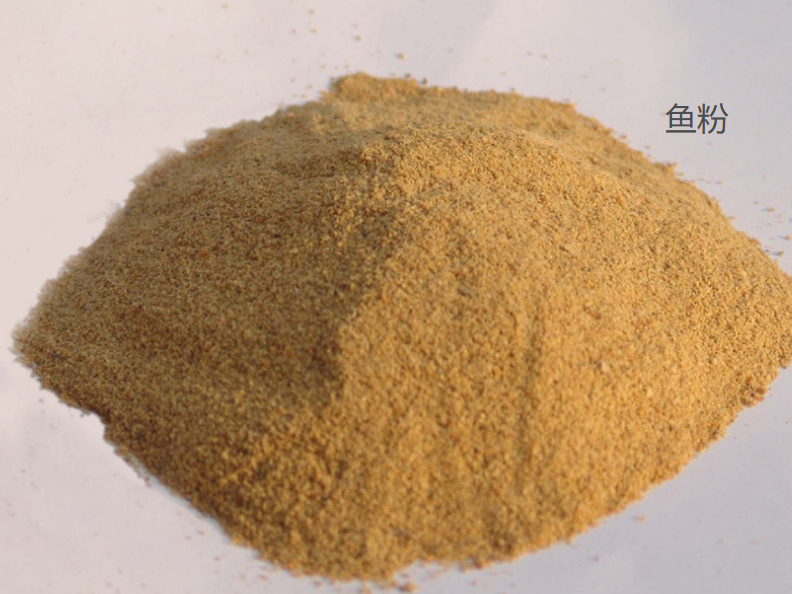
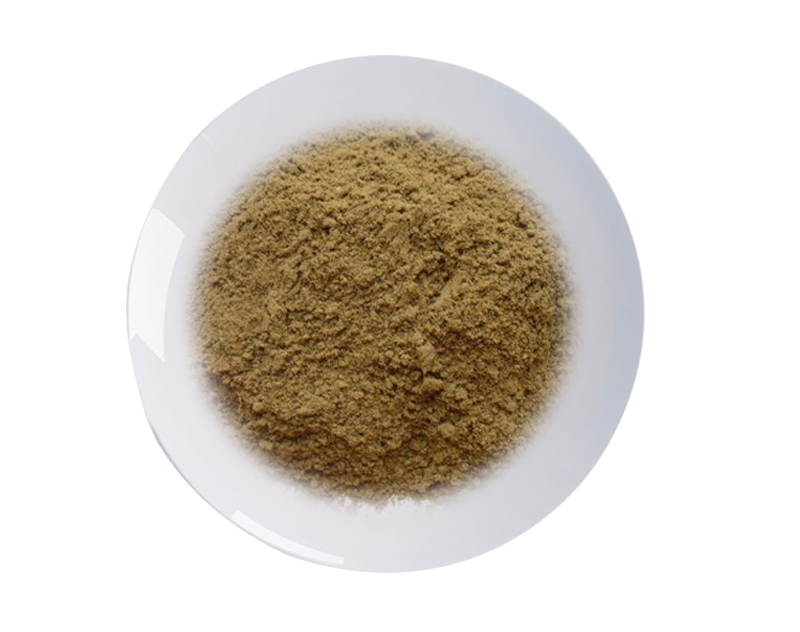
A shrimp hatchery in Southeast Asia once switched suppliers to save 8% on fish meal cost, only to find their by-product meal batches averaged 21% ash versus the 12% they were used to. Feed conversion ratio dropped noticeably within two production cycles — the “savings” disappeared fast once they factored in slower growth and higher feed volume needed.
Amino Acid Profile and Digestibility: Where Whole Fish Meal Earns Its Premium
Protein percentage tells you how much protein is there. Digestibility and amino acid balance tell you how much of it the animal can actually use — and this is where whole fish meal really separates itself.
Whole fish meal typically shows pepsin digestibility of 92-96%, with a well-balanced lysine and methionine profile that closely matches what fast-growing fish and shrimp need. By-product meal, especially batches with more connective tissue and skin, often lands at 80-90% digestibility with a lysine profile that’s noticeably weaker relative to protein content.
This is why premium shrimp and salmon starter feeds almost always specify whole-fish-origin meal, while grower diets, pet food, and general livestock rations can absorb by-product meal without a performance penalty. Matching the meal grade to the life stage of the animal is the buying decision that actually moves the needle, more than chasing the lowest price per ton.
Oil Content and Oxidation Risk Differ Too
Oil content in whole fish meal is fairly predictable at 8-12%, largely because the fish species and fat content are known quantities going in. By-product meal oil content is far less predictable — viscera-heavy batches can push oil to 15% or more, while frame-heavy batches might sit under 6%.
Higher, more variable oil content means higher oxidation risk during storage. Rancid fish meal isn’t just a smell problem — oxidized fats destroy vitamin content and reduce palatability, and in severe cases can cause digestive upset in sensitive species like shrimp postlarvae. If you’re buying by-product meal with higher oil variability, antioxidant dosing and cooling control become non-negotiable. We go into the mechanics of this in preventing fish meal oxidation — worth a read before you finalize a by-product meal contract.
Consistency: The Underrated Variable That Determines Formulation Headaches
A nutritionist can formulate around almost any protein or ash level — as long as it’s consistent. The real problem with by-product meal isn’t that it’s lower grade; it’s that grade shifts batch to batch depending on what came off the processing line that week.
Whole fish meal producers control the input tightly because they’re buying a known species at a known size. By-product meal producers are at the mercy of whatever the fillet plant sends over — more heads this week, more trim next week. That’s why serious by-product meal buyers negotiate tighter QC specs and request more frequent lab testing than they would for whole-fish meal.
A case in point
Consider a slaughterhouse-adjacent processor supplying a regional feed mill — similar to setups we’ve documented in projects like the Malaysia slaughtering waste project. Consistent feedstock sorting before rendering made the difference between a saleable, spec-compliant meal and one that had to be discounted or blended down.
Comparing the Two Head-to-Head
Putting the numbers side by side makes the trade-off obvious — whole fish meal costs more but delivers predictable, high-digestibility protein. By-product meal costs less but demands tighter QC and is better suited to less protein-sensitive applications.
| Criteria | Whole Fish Meal | By-Product Fish Meal |
|---|---|---|
| Crude protein | 65-72% | 50-62% |
| Ash content | 10-14% | 16-24% |
| Oil content | 8-12% | 6-15% (variable) |
| Amino acid balance | Complete, high lysine/methionine | Uneven, lower lysine |
| Raw material cost | Higher | Lower |
| Batch consistency | High | Low to moderate |
| Best application | Aquafeed starter/nursery diets | Grower feeds, pet food, general livestock |
| Pepsin digestibility | 92-96% | 80-90% |
What This Means for Equipment and Process Design
If you’re setting up a plant to process by-product streams, the process design has to account for the variability we’ve covered above — better sorting stations, more flexible cooking parameters, and robust drying control matter more than they would in a whole-fish-only operation. This is a core part of what we help clients plan through when scoping a rendering plant turning waste into valuable resources, whether the feedstock is fish, poultry, or mixed animal by-products.
For plants handling mixed or seasonal by-product volumes, it’s also worth reading how fish rendering is reshaping Asian aquaculture in 2026 — the demand side is shifting fast, and by-product meal producers who can prove consistent QC are capturing premium contracts that used to go exclusively to whole-fish meal suppliers.