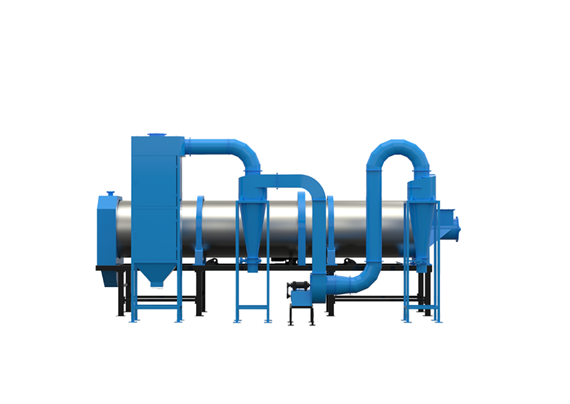
Technical iteration of feather hydrolysis equipment

Quality Iteration: From Raw Material Processing to Value Refinement Traditional hydrolysis equipment can only achieve preliminary processing of feathers, resulting in low product utilization, whereas the Sunrise Hydrolyzer accomplishes the key leap from ‘raw material processing’ to ‘value refinement.’ By optimizing the high-temperature and high-pressure hydrolysis process, the equipment breaks down feather proteins into small

Traditional meat bone meal: The dual-track evolution of the pet food industry

In February 2025, the British pet food brand The Pack partnered with Meatly to launch “Chick Bites,” the world’s first cell-cultured chicken pet treat, priced at £3.49 for a 50-gram pack.This marked the official entry of cell-cultured meat into the pet food market. This breakthrough sparked heated discussions within the industry:in today’s rapidly evolving protein

The broad significance of the harmless treatment of sick and dead livestock and poultry (Dead livestock and poultry rendering plant)

1. Protection of food safety Diseased and dead livestock and poultry, if not handled properly, are very likely to become food safety hazards, especially in some small farms without strict supervision, diseased and dead livestock and poultry are sometimes illegally flowed into the market and become the source of meat or other livestock products. The

What is a rendering plant? Understanding the Process and its Importance

What is a rendering plant?

What is a rendering plant? To transform animal byproducts and other organic waste into useful resources, rendering facilities is a crucial waste management step. Rendering factories may efficiently convert garbage into various usable byproducts using cutting-edge technologies and a thorough procedure. Collecting and transporting waste materials is the first stage in the rendering process. We