New EU and China Regulations on Animal By-Product Processing: What Exporters Need to Know in 2026
New EU and China Regulations on Animal By-Product Processing: What Exporters Need to Know in 2026
In 2026, exporters of rendered animal protein, fats, and feed-grade meals face the tightest compliance window in a decade: the EU has amended Regulation 1069/2009 to expand Category 3 reuse rules and harden contamination thresholds, while China has rolled out the updated GB 19164 standard alongside revised GACC registration requirements under Decrees 248 and 249. The short version — if your sterilization records, traceability ledger, and Salmonella testing aren’t digital and audit-ready, your shipments will sit at the port. This guide walks through exactly what changed, what it costs, and how to adapt your rendering line without rebuilding it.
What Actually Changed in the 2026 Rulebooks
Both regulators tightened the same three areas: sterilization verification, microbiological limits, and supply-chain traceability. The EU’s 2026 amendment to Regulation (EC) 1069/2009 retained the familiar 133°C/3 bar/20 minute standard for Method 1 processing but now requires continuous CCP data logging — paper charts are no longer accepted as primary evidence during BIP inspections.
China’s GB 19164-2024, which became fully enforceable on 1 January 2026, goes further. It mandates a 30 mm maximum particle size for material originating in ASF-surveillance zones, requires three-year retention of digital production records, and adds Enterobacteriaceae as a routine release test alongside Salmonella. The GACC has also stopped accepting renewal applications for plants without a verified HACCP plan filed in Chinese.
For exporters running plants built before 2015, the implication is concrete: your crusher, cooker, and cooling line all need instrumentation upgrades before the next audit cycle. Most don’t need replacement — they need sensors, PLCs, and a SCADA layer.

Category 3 Material: The EU’s Expanded Reuse Window
Here’s the quietly significant change few exporters have caught. The EU 2026 amendment expands the list of Category 3 materials approved for petfood and aquafeed manufacturing — specifically, certain poultry processing residues and porcine bone fractions that were previously borderline Category 2.
That’s a commercial opportunity. A Polish poultry processor we work with reclassified roughly 18% of its monthly volume from Cat 2 (incineration-bound) to Cat 3 (petfood-grade) by adjusting its segregation line and adding a dedicated chilled receiving bay. The shift added an estimated €240,000 per year in revenue from material that previously cost them money to dispose of.
But reclassification only sticks if traceability is airtight. Cat 3 material must remain physically separated from Cat 1 and 2 from receipt to dispatch — no shared augers, no shared material pumps, no shared screw conveyors unless the line has been CIP-cleaned and documented between batches.
Sterilization Verification: Why Paper Charts Are Now a Liability
If a single change defines 2026 compliance, it’s this one. Both regulators now expect tamper-evident digital records of every cook cycle — core temperature, pressure, time at temperature, and operator ID — exported in a machine-readable format.
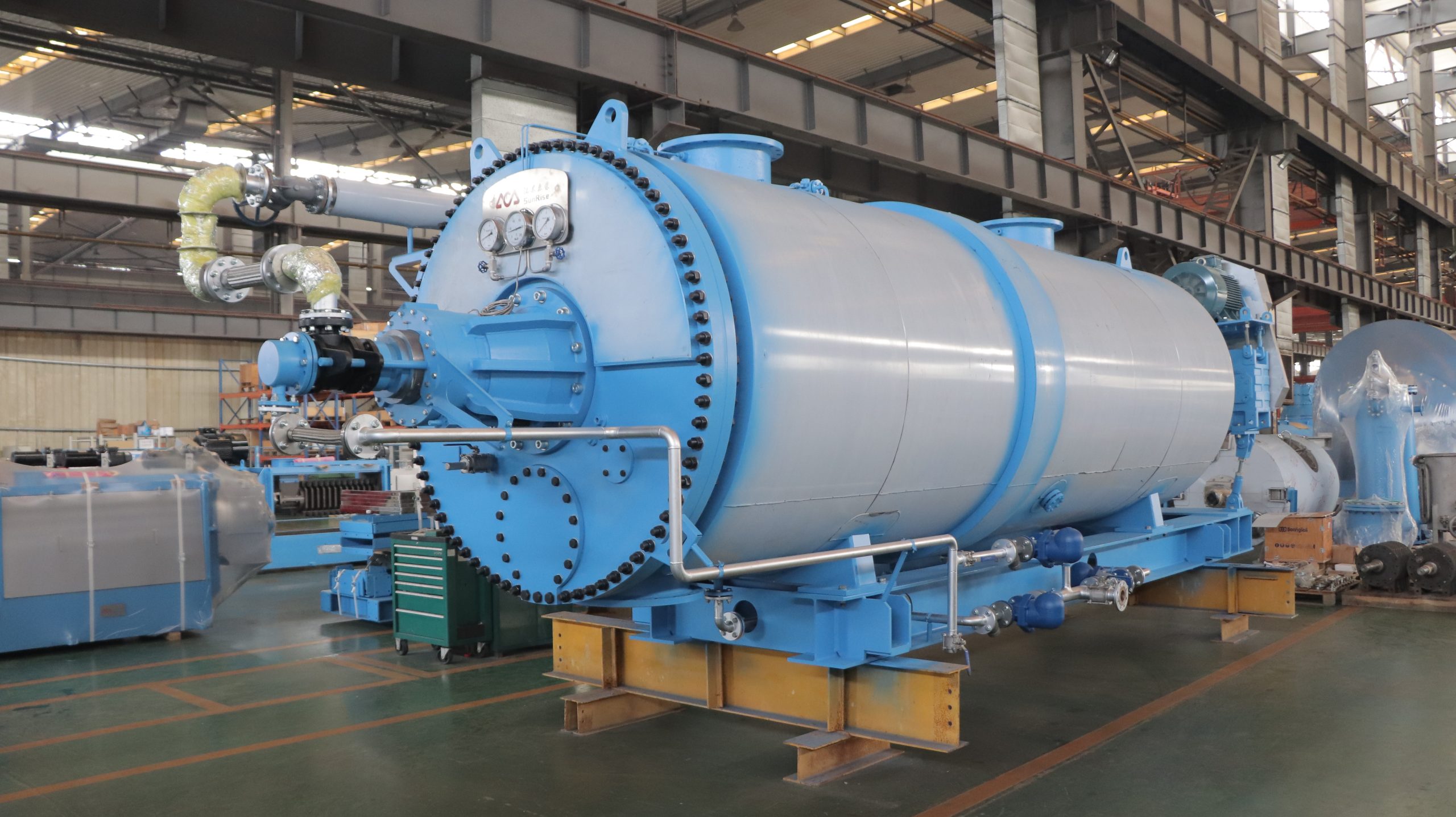
What does that mean in practice? Your batch or continuous cooker needs at least two independent temperature probes (one as backup), pressure transmitters with 4–20 mA output, and a PLC that timestamps every reading. The data has to survive a power cycle and be exportable as CSV or PDF for the auditor.
China’s GACC Registration: The Document Trap
Under GACC Decree 248, every overseas facility shipping animal-origin feed ingredients into China must hold an active registration with a unique CIFER code. The 2026 update closed a loophole: registrations now expire automatically after five years and require re-audit, not just paperwork renewal.
For example, a Brazilian fishmeal plant we consulted on lost three months of export volume in early 2026 because its CIFER code expired during a leadership transition and nobody flagged the renewal window. The fix was a three-week reaudit — but the lost revenue was real.
Three documents to keep current at all times:
- GACC CIFER registration — check the expiry date quarterly
- Bilingual HACCP plan — Chinese + English, with CCPs mapped to GB 19164 clauses
- Veterinary health certificate template — the 2026 version added two fields for ASF and HPAI declarations
EU vs China at a Glance: Where the Standards Diverge
Particle Size
The EU’s 50 mm ceiling is easy to hit with a standard pre-breaker. China’s 30 mm requirement for ASF-zone material often demands a second-stage animal crusher or a tighter screen on the existing unit. Plants exporting to both markets typically standardize at 30 mm to avoid running parallel lines.
Microbiological Release
China’s addition of Enterobacteriaceae as a routine test (not just Salmonella) catches post-cook recontamination that the EU panel misses. If your meal cooler or bagging area has any cross-contamination risk, China will find it first. The fix is usually a sealed meal cooler and positive-pressure bagging room.
The Hidden Cost: Air, Water, and Effluent Limits
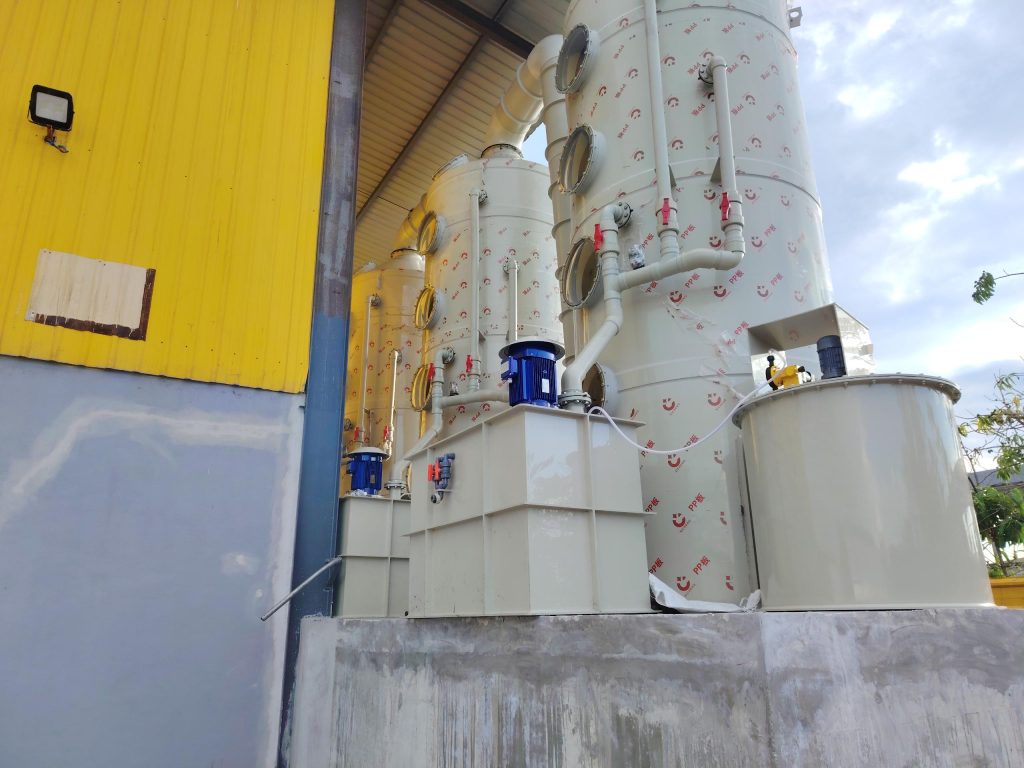
Most exporters focus on the product-side rules and forget that both jurisdictions tightened environmental limits at the same time. The EU’s revised BREF document for the food, drink, and milk sector pulled rendering odor thresholds down to 500 OUE/m³ at the stack — a level legacy biofilters often miss.
China’s GB 13457 update similarly lowered COD and ammonia-nitrogen limits for slaughterhouse and rendering effluent. A mid-sized plant in Shandong we worked with had to retrofit a two-stage exhaust abatement system — RTO plus wet scrubber — to hold odor below threshold during summer peaks.
The takeaway: budget for environmental upgrades alongside process upgrades. If your stack monitoring is annual rather than continuous, expect that to change at your next permit renewal.
ASF, HPAI, and Zone-Based Restrictions
Both regulators now operate zone-based restrictions that can change weekly. A shipment compliant on the day of loading can become non-conforming if an ASF or HPAI outbreak is declared in the source region while the container is in transit.
Two practical defenses:
- Source within compartments, not just countries. EU and Chinese authorities increasingly recognize OIE-approved compartments — biosecure production units that retain export status even when the surrounding region loses it.
- Lock in heat-treatment evidence. A documented 70°C core temperature for 30 minutes (or the 133°C/3 bar/20 min full sterilization) inactivates ASFV and HPAI. If your records prove it, most receiving countries will accept the shipment even after a regional standstill.
For instance, a Spanish porcine processor maintained exports to Chinese petfood manufacturers throughout a 2026 regional ASF flare-up because every batch carried a digitally signed sterilization record tied to a GACC-registered compartment. Their competitors without that paper trail lost six weeks of shipments.
A Practical 90-Day Compliance Checklist
If you export to either market and haven’t started, here’s the sequence that gets you audit-ready fastest:
Days 1–30: Audit Your Records
- Pull six months of cook cycle data — does every batch show 20 continuous minutes at 133°C/3 bar?
- Verify your CIFER and TRACES NT registrations are current
- Map every CCP in your HACCP plan to the specific clause in GB 19164 or Regulation 1069/2009
Days 31–60: Close the Instrumentation Gaps
- Add backup temperature probes and pressure transmitters where missing
- Install a SCADA or basic data historian — even a low-cost OPC-UA setup beats paper
- Validate your feather press or bone separator outputs against the 30 mm particle size rule
Days 61–90: Run a Mock Audit
- Hire an external auditor familiar with both EU and Chinese protocols
- Test a recall: can you trace one bag of meal back to the source animal lot in under four hours?
- Fix the top three findings before they appear in a real inspection
Where Equipment Choices Make or Break Compliance
You can’t paperwork your way past a poorly designed line. Compliance in 2026 increasingly depends on whether your equipment can generate the data regulators want. A few practical signals that your line is ready — or isn’t:
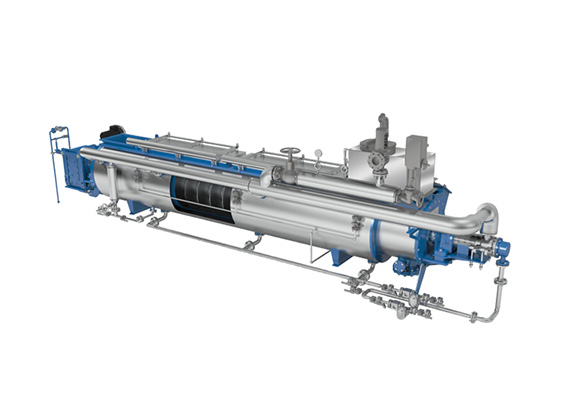
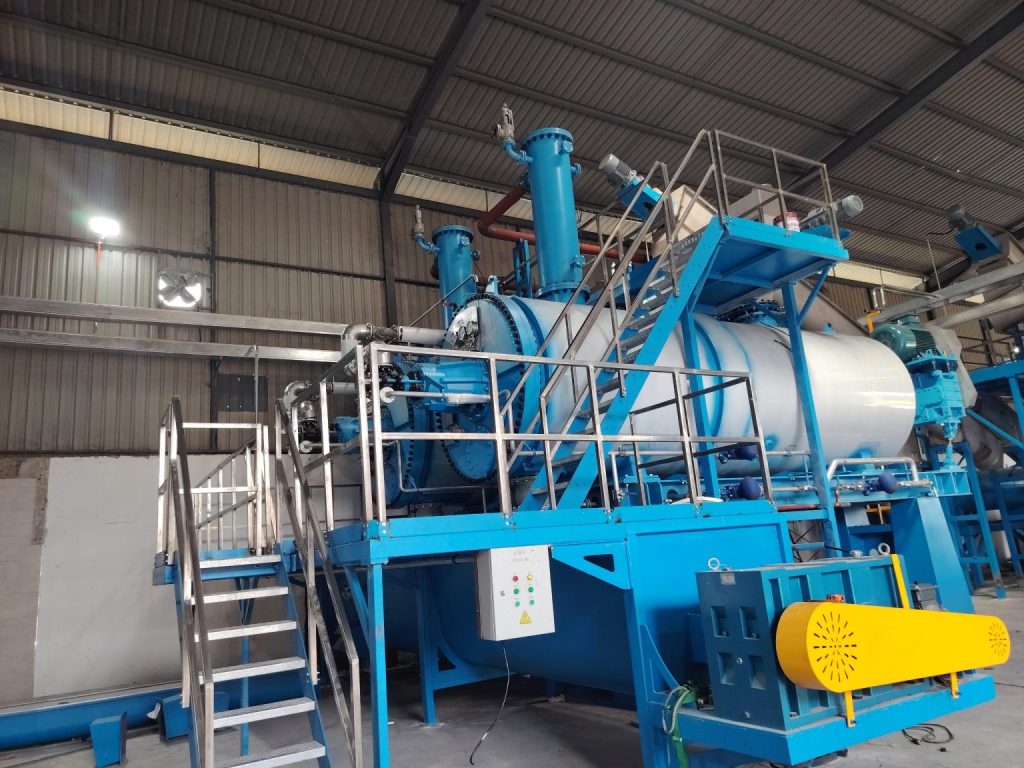
- Cooker: dual temperature probes, pressure transmitter with logging, automatic discharge interlock if temperature drops
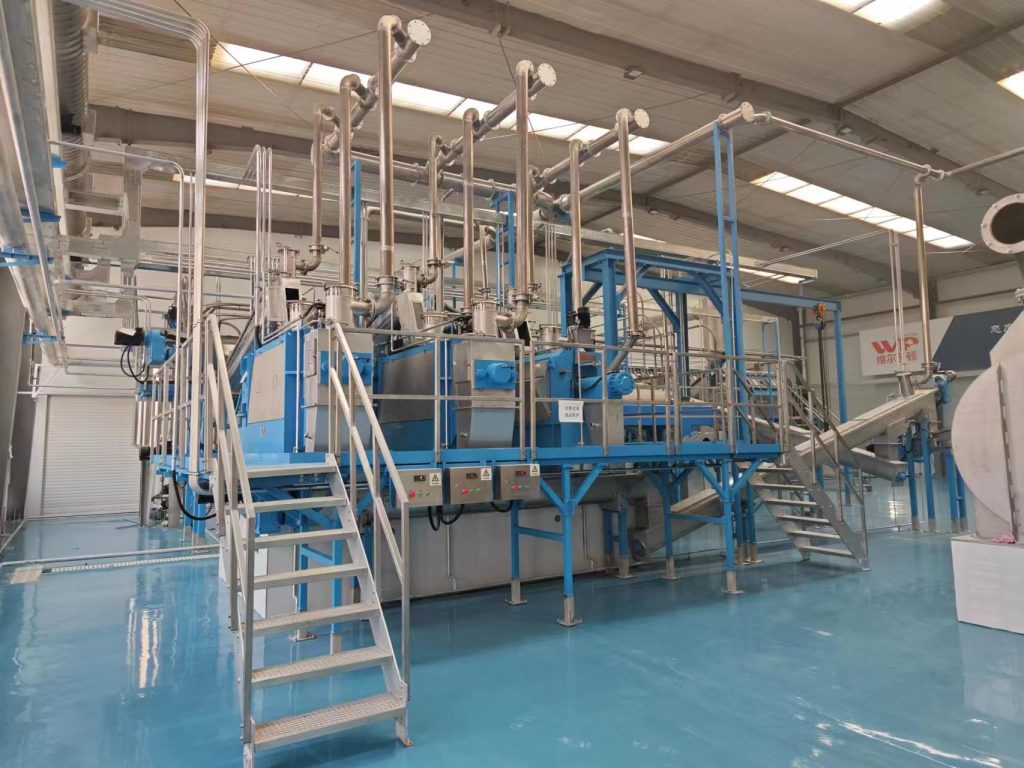
- Conveyors and pumps: clean-in-place capable, with no dead zones where Cat 3 material could mix with higher categories
- Cooler and storage: enclosed, with monitored ambient humidity to prevent post-cook recontamination
If you’re planning a new build or a significant retrofit, design for the regulation you’ll face in 2030, not 2026 — the trajectory is more data, tighter limits, and faster traceability. Talking to engineers who’ve built lines for both markets shortens the learning curve dramatically. Our team has helped processors across Europe, Asia, and Latin America navigate exactly these transitions — get in touch if you’d like a no-pressure conversation about what your line needs to stay export-ready.