How Moisture, Temperature, and Particle Size Affect Final Product Quality in Rendered Meals
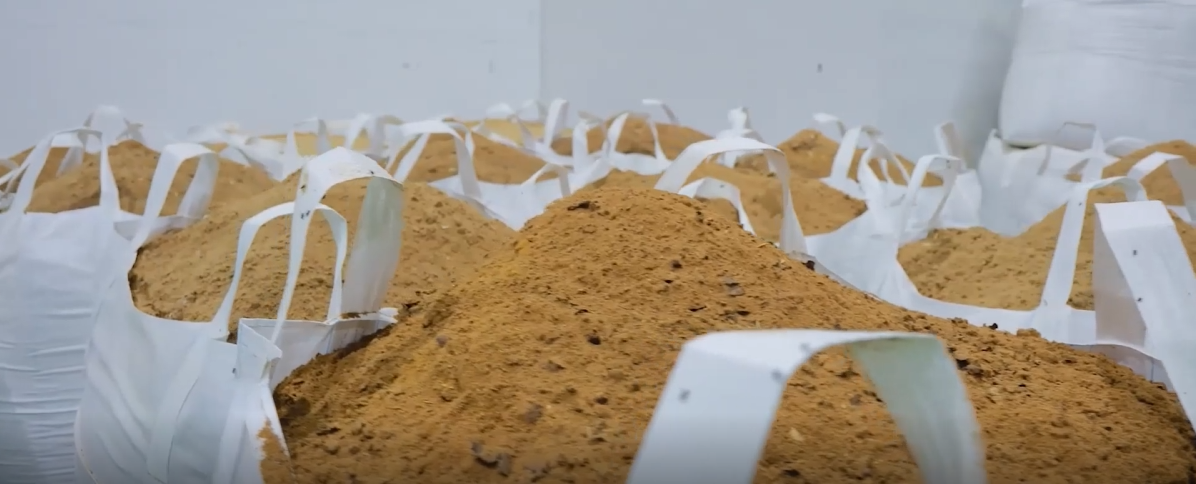
Moisture above 10%, temperatures over 145°C, and inconsistent particle size are the three silent killers of rendered meal value. Here’s exactly how each variable shifts protein digestibility, shelf life, and selling price — and the operating windows that separate premium meal from feed-grade fines.

Blood Meal Processing: Why Most Plants Are Losing 15% of Protein Yield Without Knowing It

rocessing: Why Most Plants Are Losing 15% of Protein Yield Without Knowing It

Most blood meal plants quietly lose 12–18% of their potential protein yield to overcooking, poor coagulation, and downstream drying mistakes. Here’s where the protein actually disappears — and the engineering fixes that recover it.

From Slaughterhouse Waste to Aquafeed Ingredient: How Fish Rendering Is Reshaping Asian Aquaculture in 2026

Asian aquaculture is quietly running on a new fuel: fish meal and oil rendered from slaughterhouse and seafood-processing waste. Here is how the technology, the economics, and the regulations are converging in 2026 — and what processors should do about it.

Rendering Plant Energy Consumption: 7 Engineering Tweaks That Cut Steam Costs by 30%

Rendering Plant Energy Consumption: 7 Engineering Tweaks That Cut Steam Costs by 30%

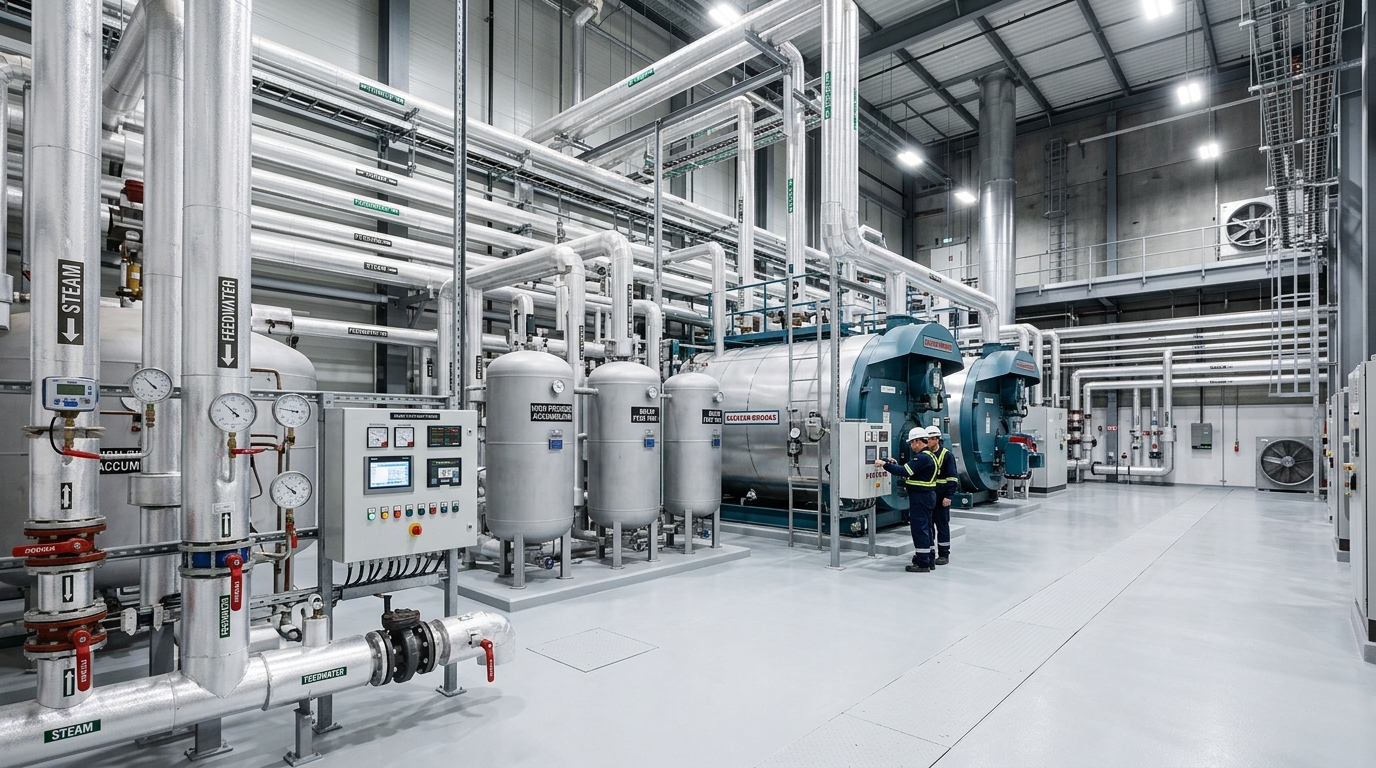
Steam is the single largest operating cost in most rendering plants — often 40–60% of total energy spend. These seven proven engineering tweaks target heat recovery, condensate management, and process optimization to slash steam costs by up to 30% without replacing your core equipment.

New EU and China Regulations on Animal By-Product Processing: What Exporters Need to Know in 2026

New EU and China Regulations on Animal By-Product Processing: What Exporters Need to Know in 2026

The EU’s revised ABP framework and China’s GB 19164 update are reshaping how rendered protein, fats, and feed-grade meals cross borders in 2026. Here’s what processors and exporters need to do right now to stay compliant — from sterilization records to ASF-zone traceability.

Why Your Rendering Plant Smells Terrible (And How to Fix It Permanently)

Rendering plant odor isn’t inevitable — it’s a symptom of specific process failures you can identify and fix. This guide breaks down the five root causes of rendering plant stench and gives you proven, permanent solutions backed by 30 years of engineering experience.

Rendering Plant Equipment: The Complete Buyer’s Guide for 2026

Choosing rendering plant equipment in 2026 comes down to four things: throughput math, batch vs. continuous architecture, energy recovery, and the after-sales bench behind your supplier. This guide walks you through every line item — with real numbers and field examples.

Batch vs. Continuous Rendering: Which Process Is Right for Your Operation?

Batch vs. Continuous Rendering: Which Process Is Right for Your Operation?

Batch rendering suits smaller, variable-throughput operations while continuous rendering dominates high-volume, 24/7 facilities. This guide breaks down the real differences — capital cost, product quality, labor, and energy — so you can pick the process that actually fits your plant, not just the one a salesperson recommends.

The Ionization Tower: A Glimpse into Advanced Technology

lonization-towe

In the rapidly evolving landscape of advanced technology, the Ionization Tower stands as a testament to human ingenuity and innovation. These towering marvels harness cutting-edge ionization technology, promising groundbreaking solutions to age-old challenges. As society seeks sustainable and efficient methods to address complex issues, understanding the Ionization Tower’s significance becomes pivotal. Join us on a journey

Revolutionizing Meal & Fat Rendering: Sustainable Plant-Based Solutions

meal-plant-fat-plant

Within the realm of food processing, meal & fat rendering has stood as a time-honored pillar of culinary ingenuity. This age-old practice revolves around the extraction of vital fats and nutrients from diverse sources, giving rise to a rich array of culinary components and products. Yet, as our collective consciousness of environmental sustainability continues to

Feather Meal Innovation: Sustainable Solutions for Poultry Waste

feather meal project

The Feather Meal Project represents a significant initiative aimed at revolutionizing the management of poultry waste within the realm of sustainable agriculture. It focuses on converting poultry feathers, often an overlooked waste product, into a valuable resource known as feather meal. This innovative approach not only mitigates the environmental challenges associated with poultry waste disposal but

  • Arabic

  • Chinese (Simplified)

  • Russian

  • Dutch

  • English

  • French

  • German

  • Italian

  • Portuguese

  • Spanish