


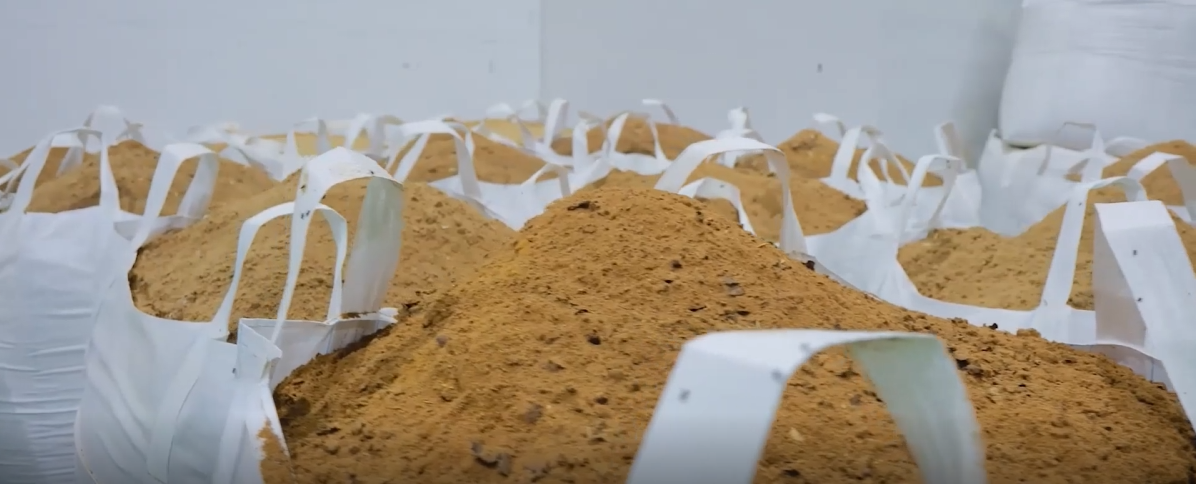


The EU's revised ABP framework and China's GB 19164 update are reshaping how rendered protein, fats, and feed-grade meals cross borders in 2026. Here's what processors and exporters need to do right now to stay compliant — from sterilization records to ASF-z
In China, with the vigorous development of the livestock and poultry breeding industry, the large amount of feather by-products generated annually is transforming from “waste” into a valuable protein resource. Converting them into high-value feathe
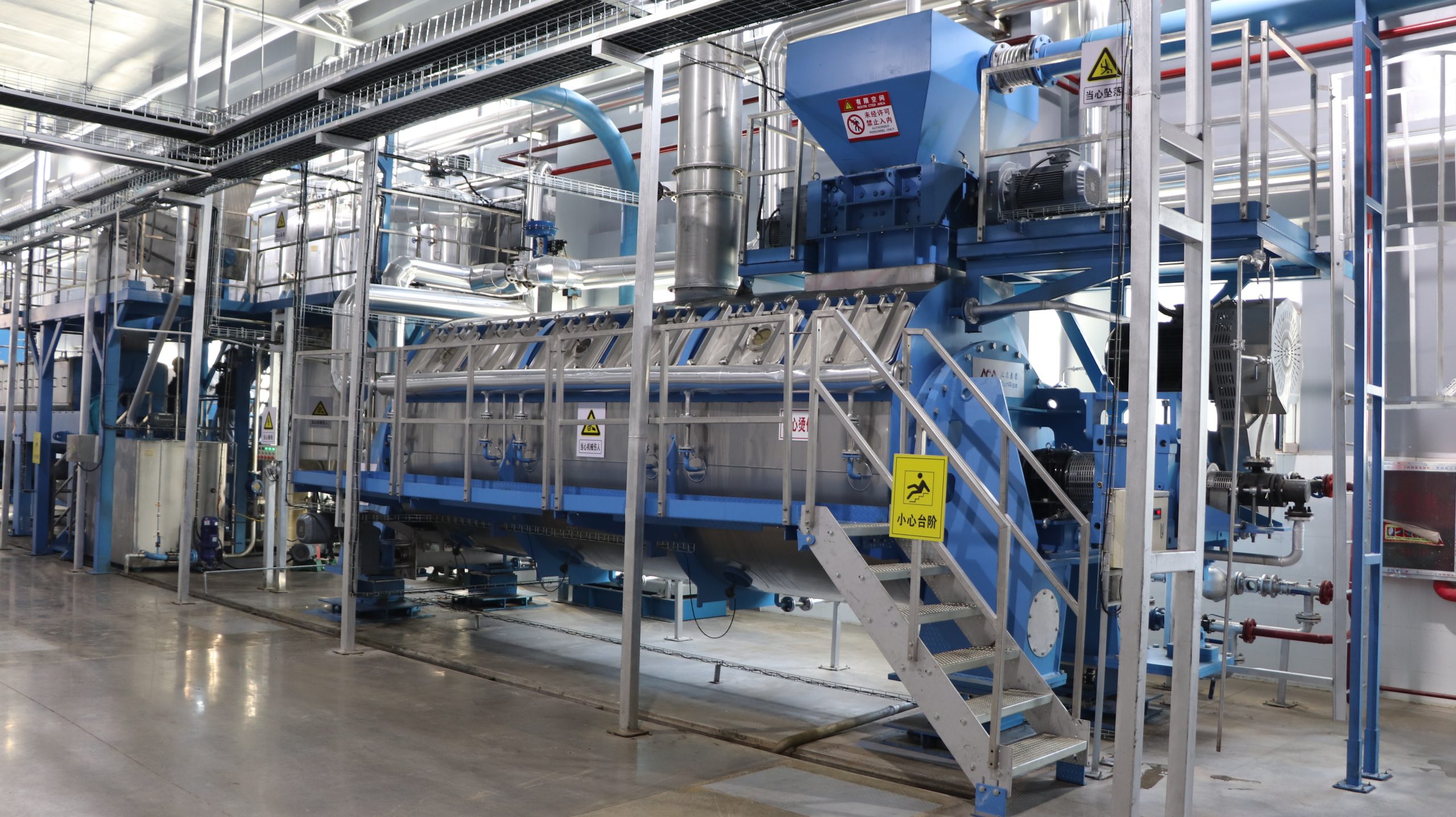
How continuous disc dryers address quality and efficiency challenges for high-moisture materials including meat and bone meal.In the livestock by-product recycling and livestock harmless treatment sectors, the drying procedure directly governs the finished pro
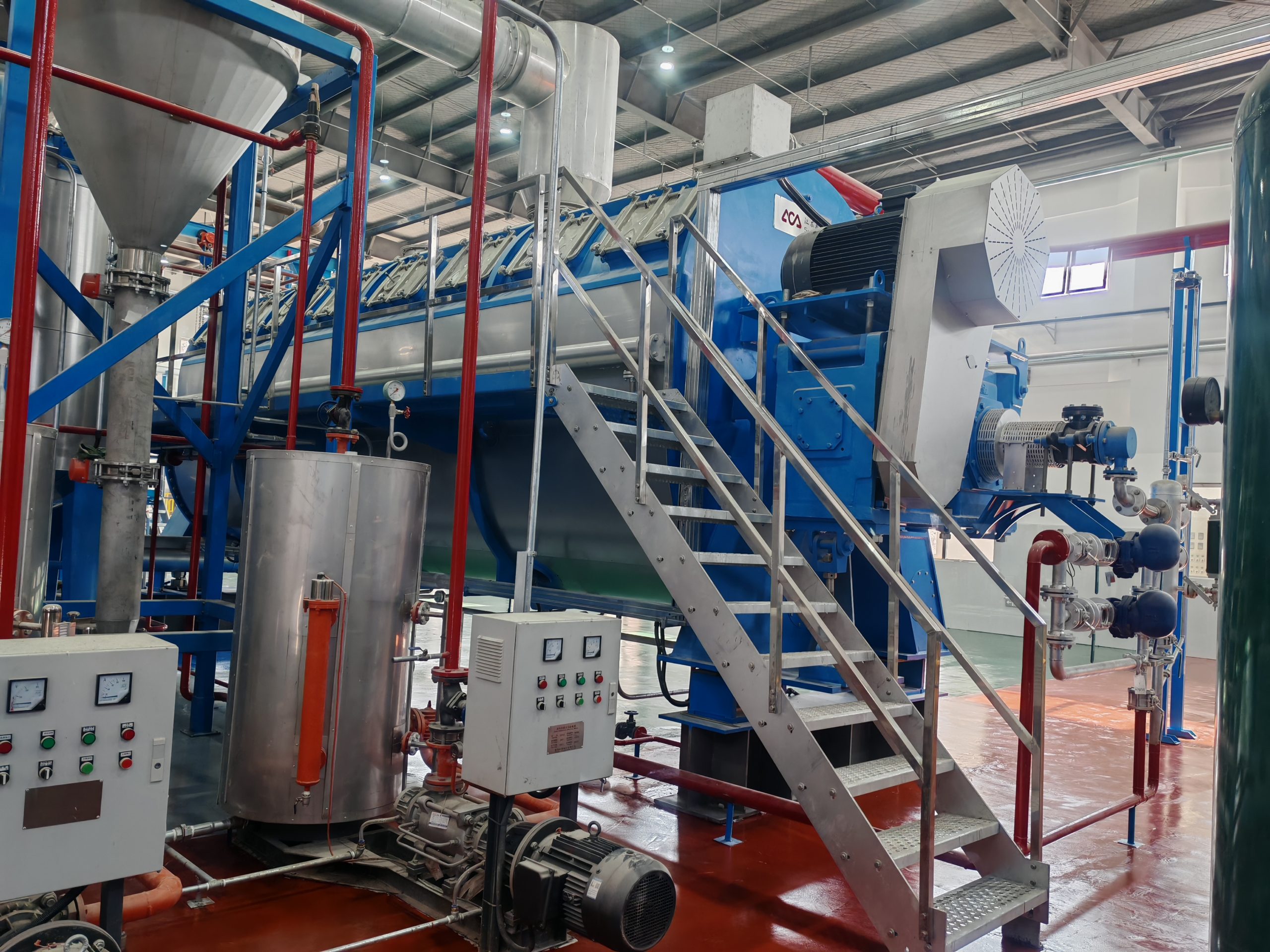
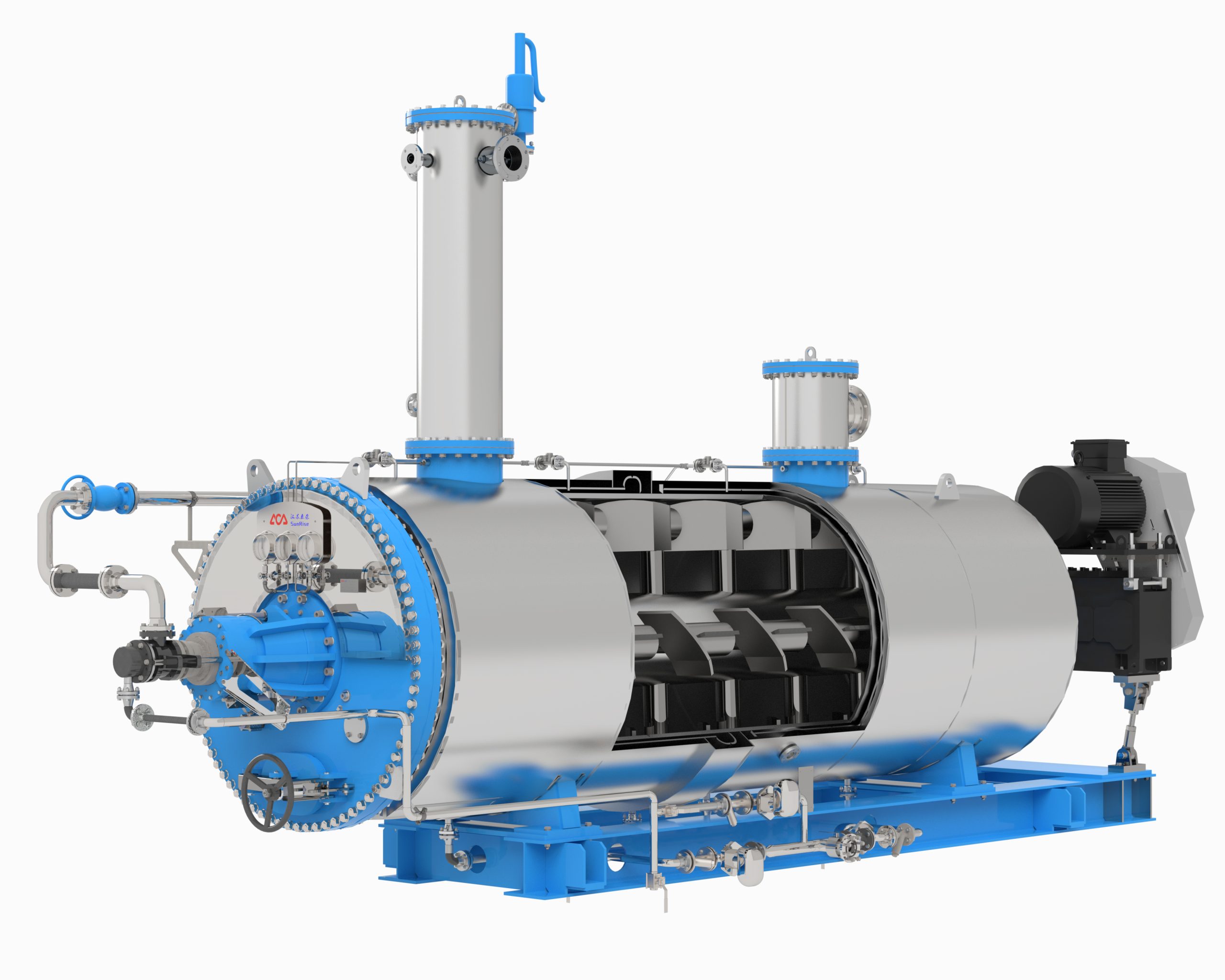
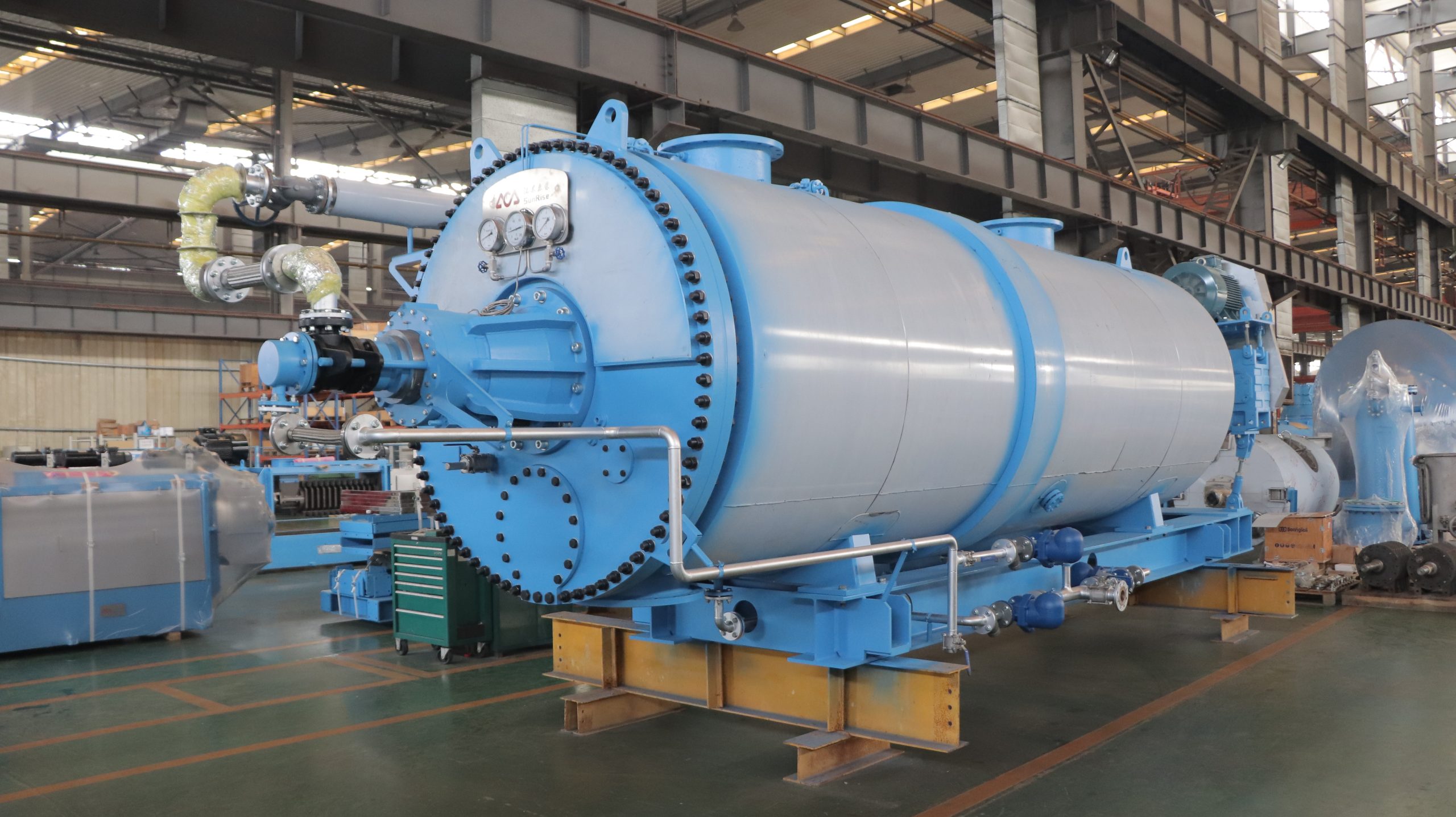
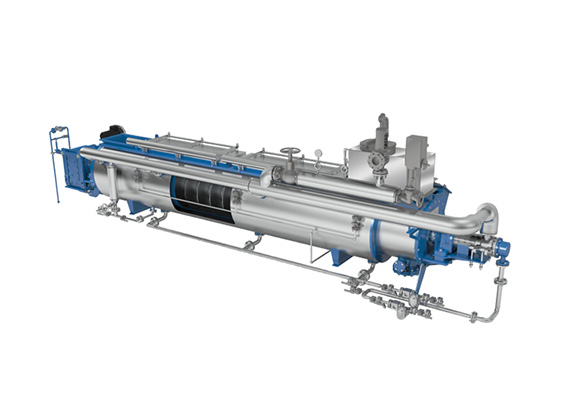
In the field of animal by-product utilization, the Cooker and Disc Dryer are two critical pieces of equipment. Sunrise has continuously improved the structure and energy efficiency of these machines,helping customers achieve higher output with lower energy con
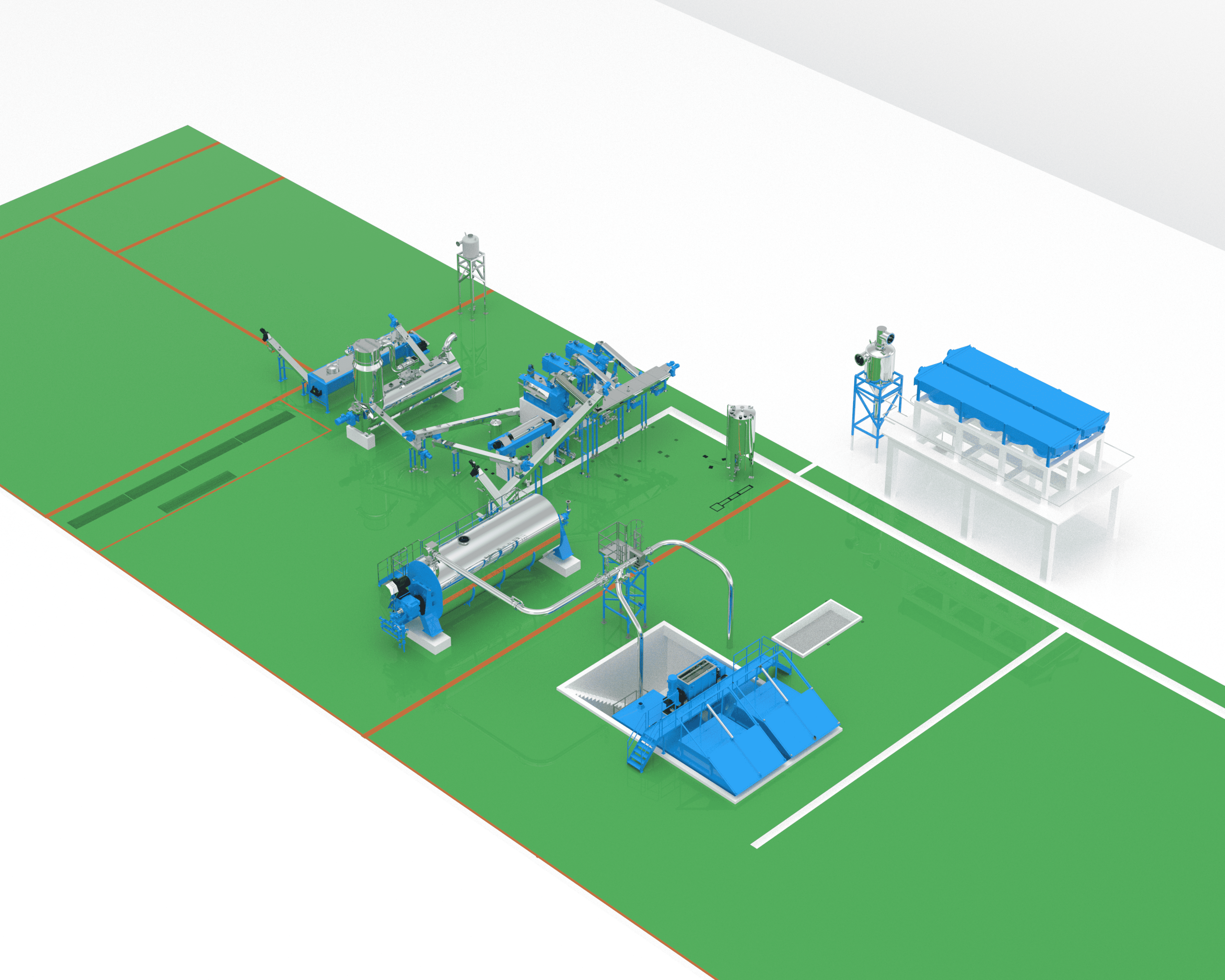
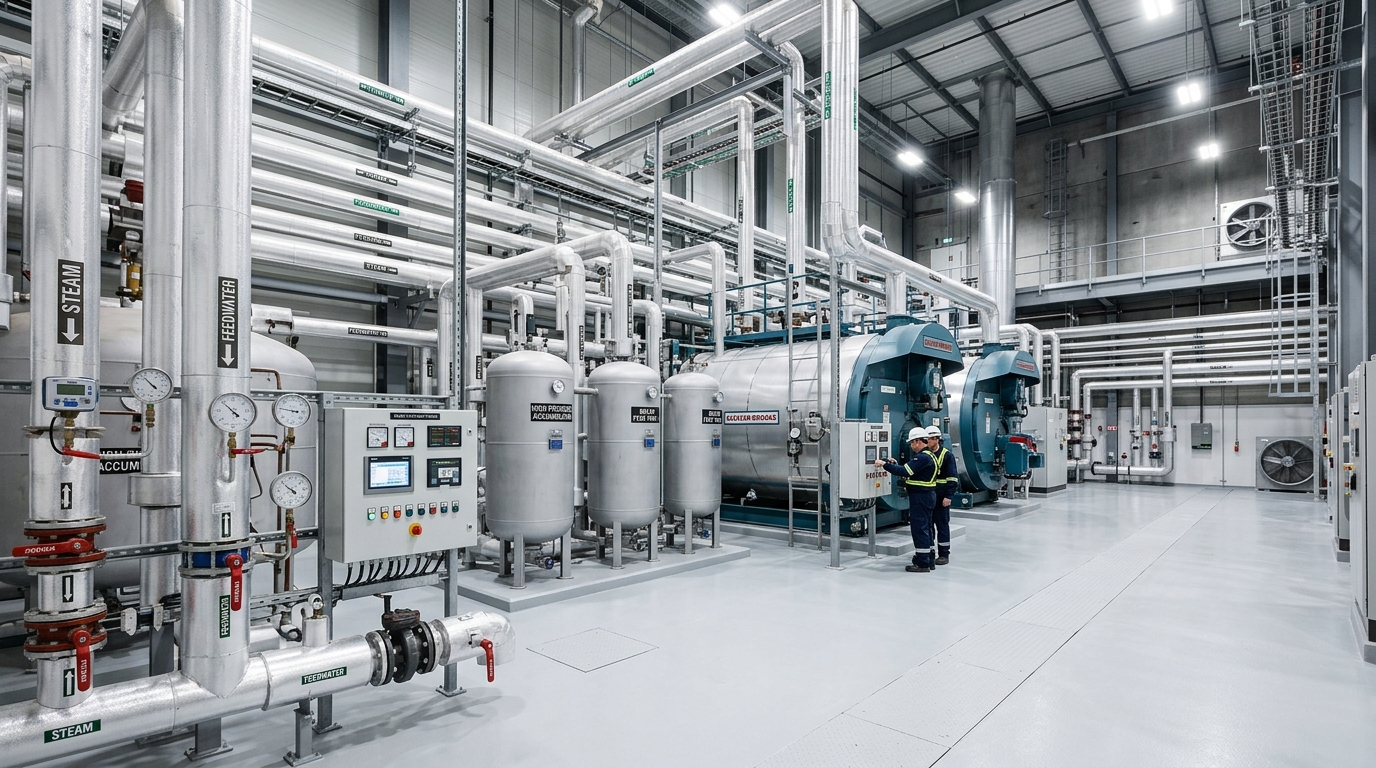
Choosing rendering plant equipment in 2026 comes down to four things: throughput math, batch vs. continuous architecture, energy recovery, and the after-sales bench behind your supplier. This guide walks you through every line item — with real numbers and fi
Whether rendered products are used in feed for ruminants, poultry, swine, pets, or aquaculture, or for industrial uses of fatty acids,rendering operations and how they are performed will influence production costs, sales quality, and financial success. Energy
To Our Valued Clients and Partners, We sincerely invite you to visit SUNRISE RENDERING at the Middle East Poultry Expo 2026. We will be showcasing our complete solutions for livestock and poultry harmless treatment and comprehensive utilization of slaughterhou
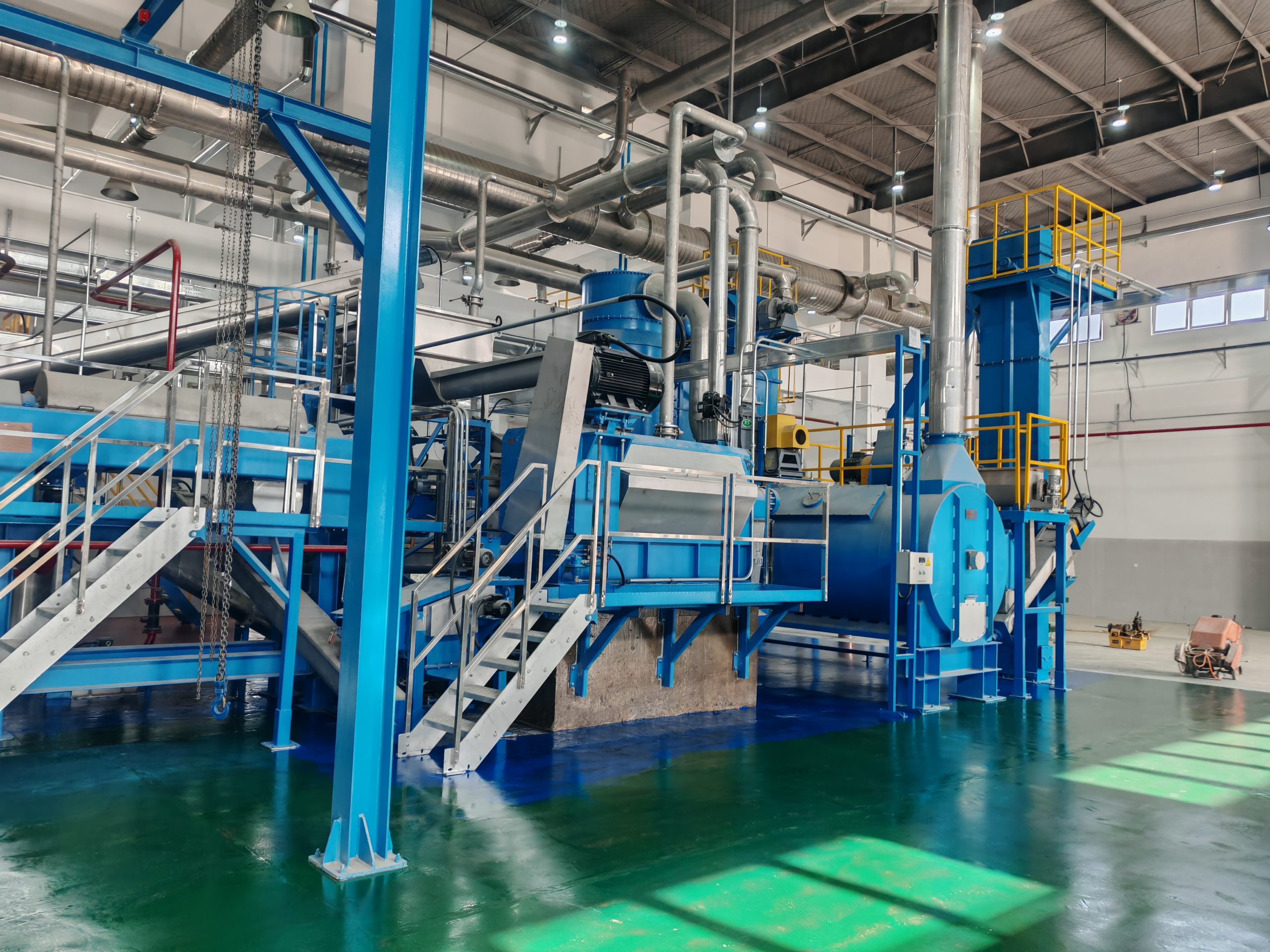
Quality Iteration: From Raw Material Processing to Value Refinement Traditional hydrolysis equipment can only achieve preliminary processing of feathers, resulting in low product utilization, whereas the Sunrise Hydrolyzer accomplishes the key leap from ‘
Batch rendering suits smaller, variable-throughput operations while continuous rendering dominates high-volume, 24/7 facilities. This guide breaks down the real differences — capital cost, product quality, labor, and energy — so you can pick the process th
This guide explains the differences between continuous and batch rendering processes, including capacity, efficiency, automation, and cost, helping plants choose the right system.
Arabic
Chinese (Simplified)
Russian
Dutch
English
French
German
Italian
Portuguese
Spanish
Select ServicesManage ITCreative IT