


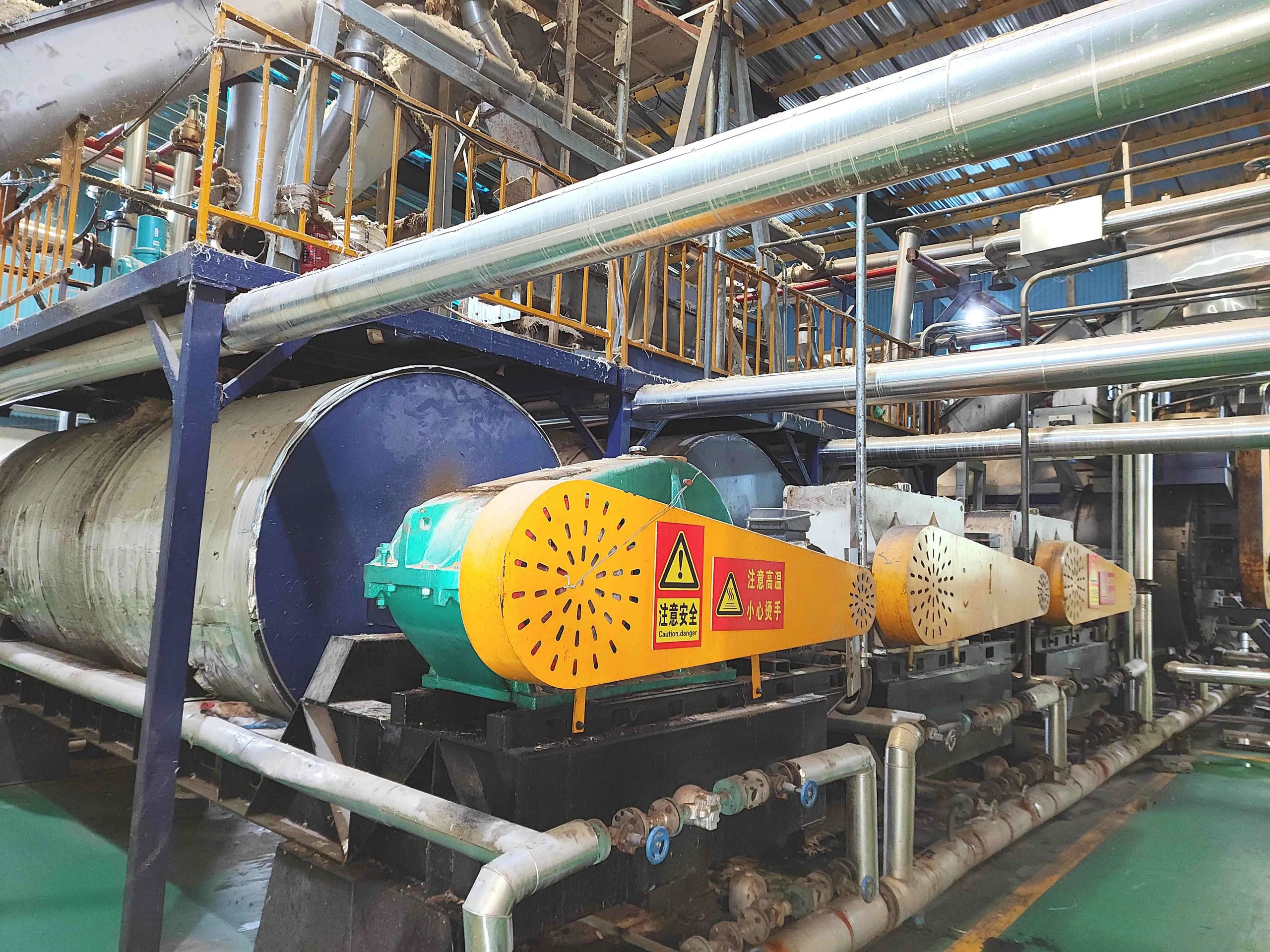
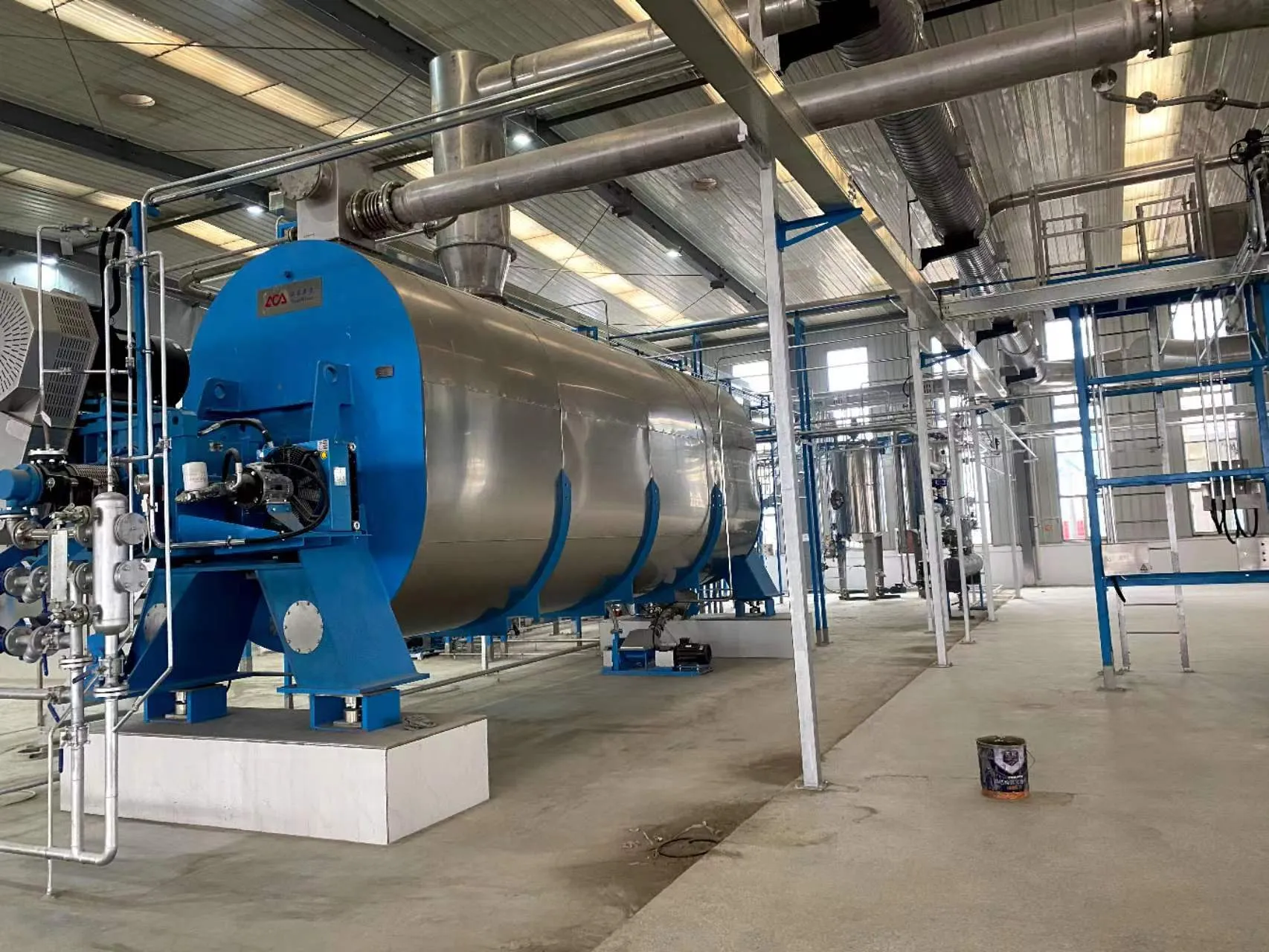
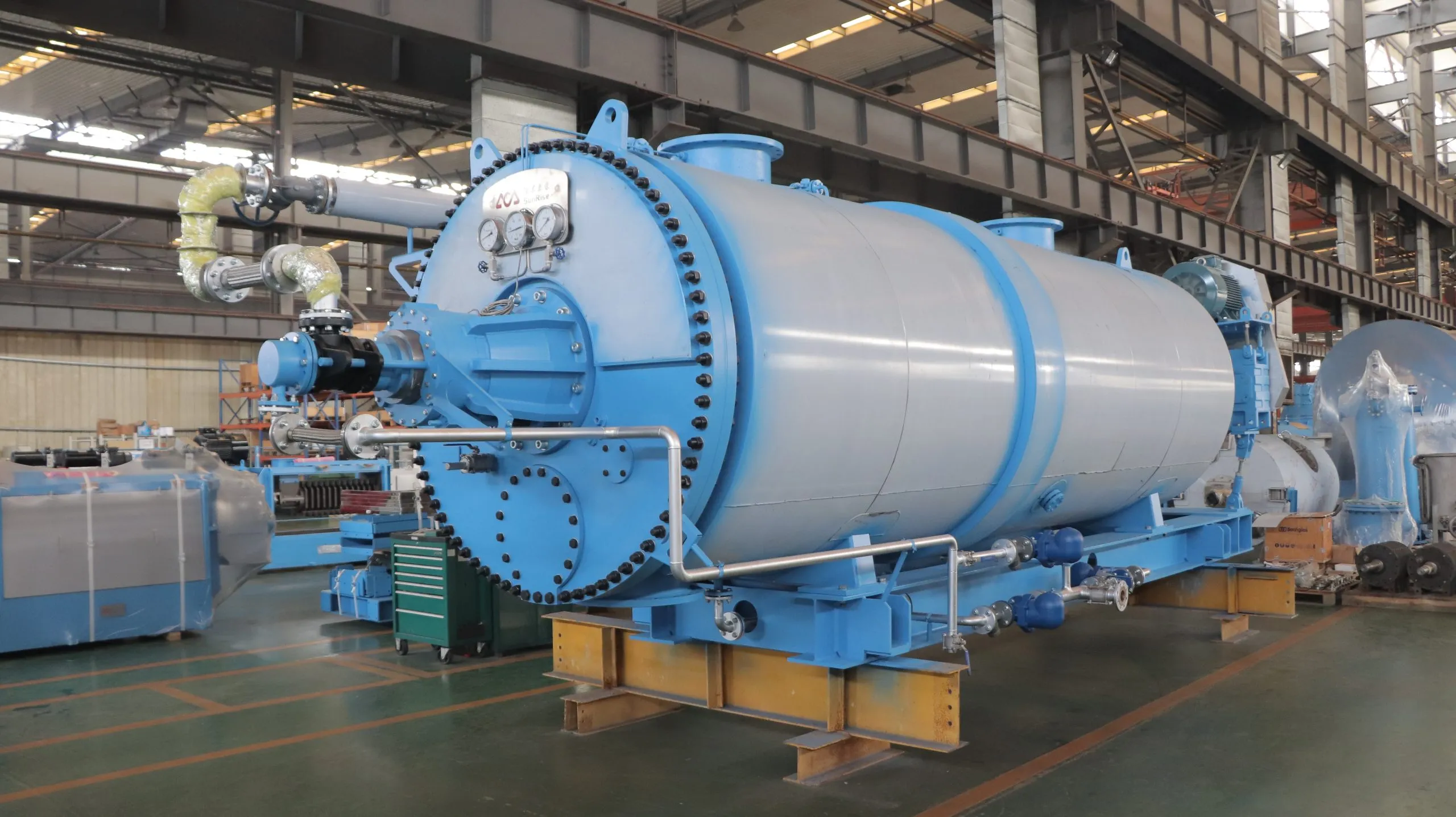
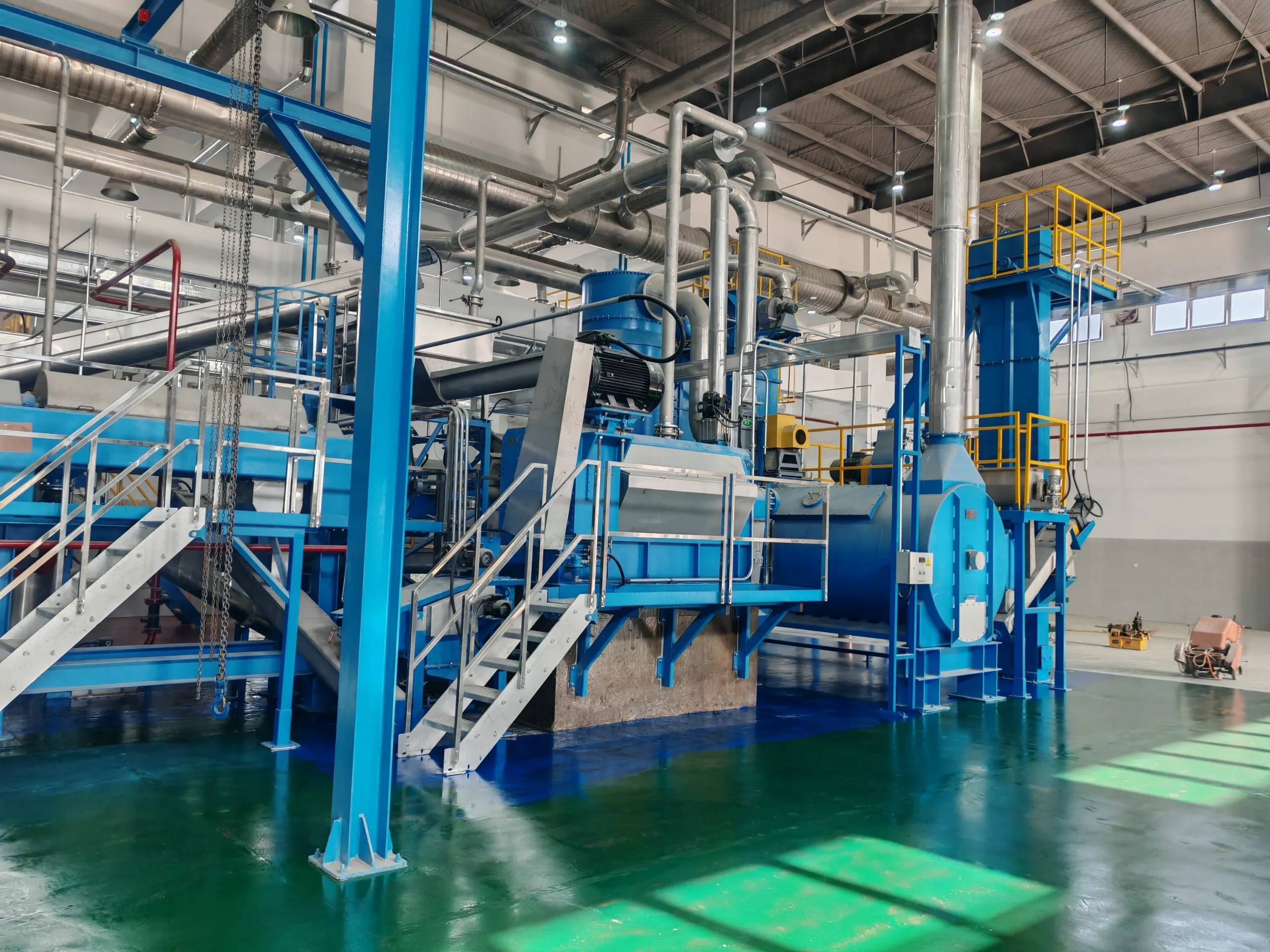

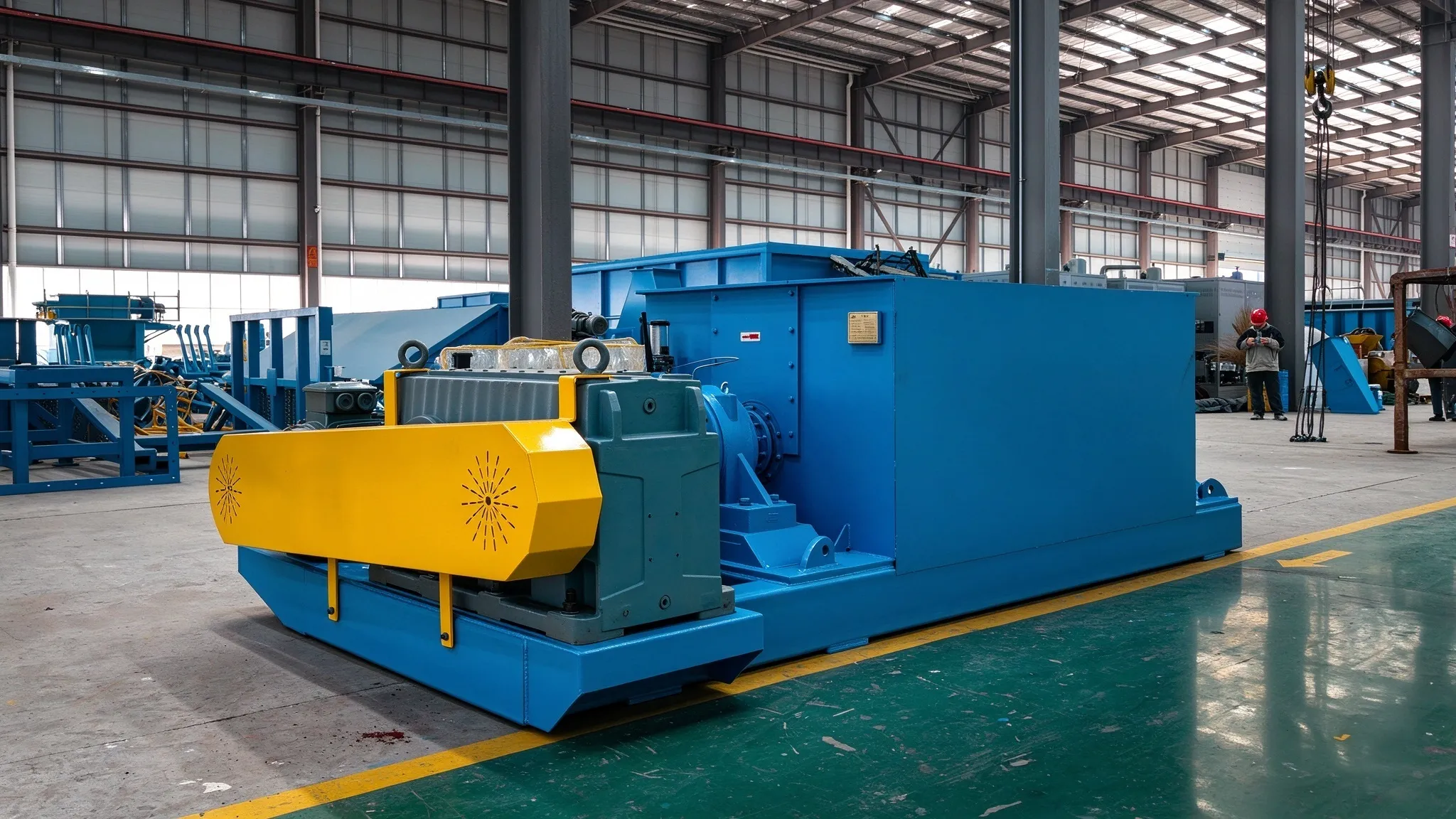


Most feather meal equipment maintenance programmes drift into a lubrication schedule: grease, torque, swap filters, tick the box. On a feather line that misses the point. What decides whether the meal sells at a premium is not whether the machine sounds health
Between equipment delivery and steady-state output on a Meat Bone Meal Manufacture line, there is commissioning. Treat it as a formality—the machine turns, some meal comes out, someone signs off—and every unresolved problem is simply deferred to full produ
Title Tag: Rendering Cooker: The Hub of the Slaughterhouse Waste Chain | Sunrise Meta Description: Vietnam's ASF cases rose 59.5% in H1 2026, while USDA priced meat and bone meal at $420/ton in September. How the rendering cooker links disease pressure to feed
1. Why fishmeal hit a record in 2026 In September, IFFO – The Marine Ingredients Organisation reported that global fishmeal production for the first seven months of 2026 was down 49% year on year, with fish oil down 30%. The shortfall is concentrated in Sout
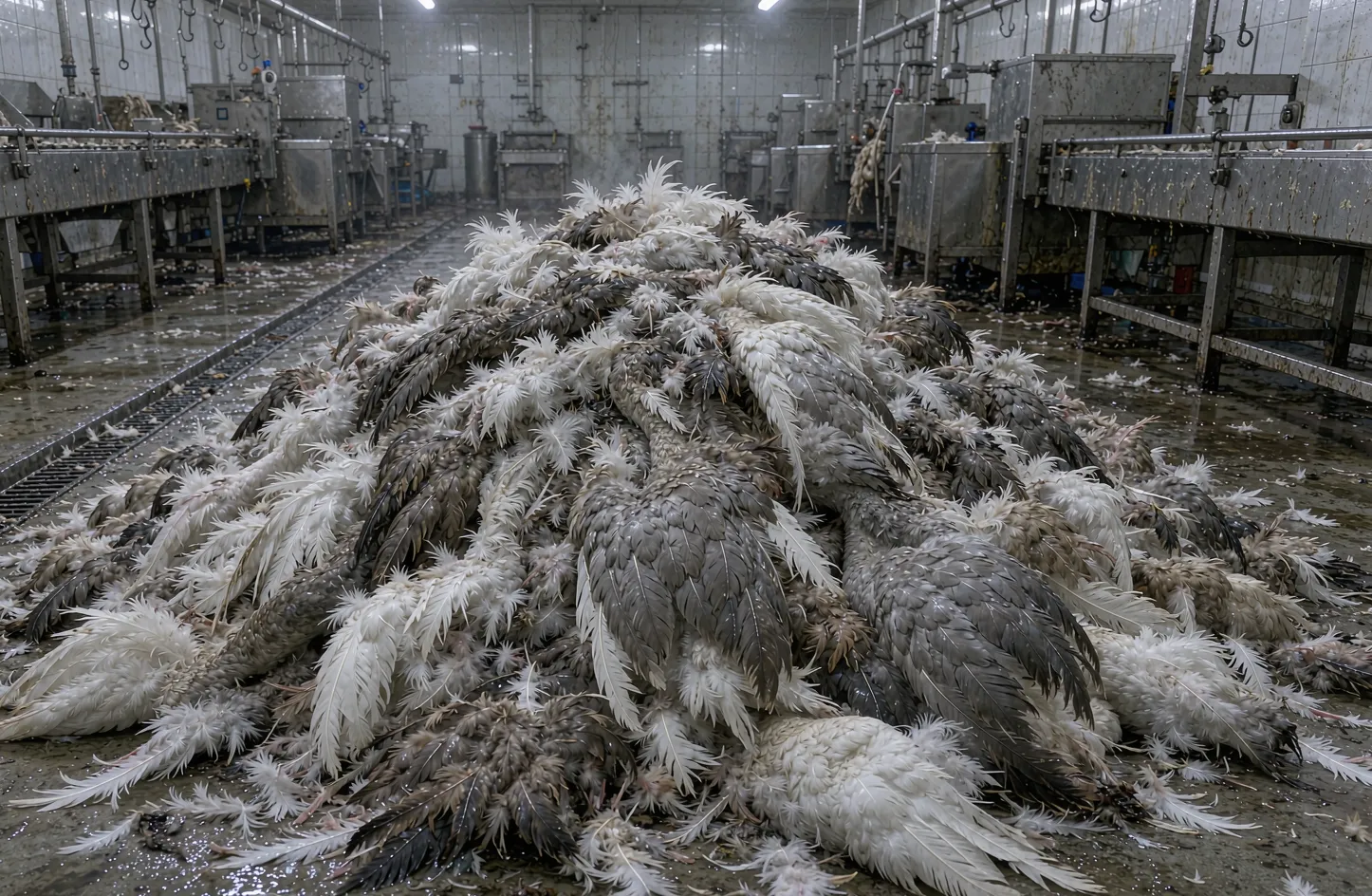
Have you ever wondered what happens to the feathers of the billions of chickens, ducks, and geese consumed every year? China is the world’s largest poultry producer. According to industry research, the country’s annual poultry slaughter exceeds 16
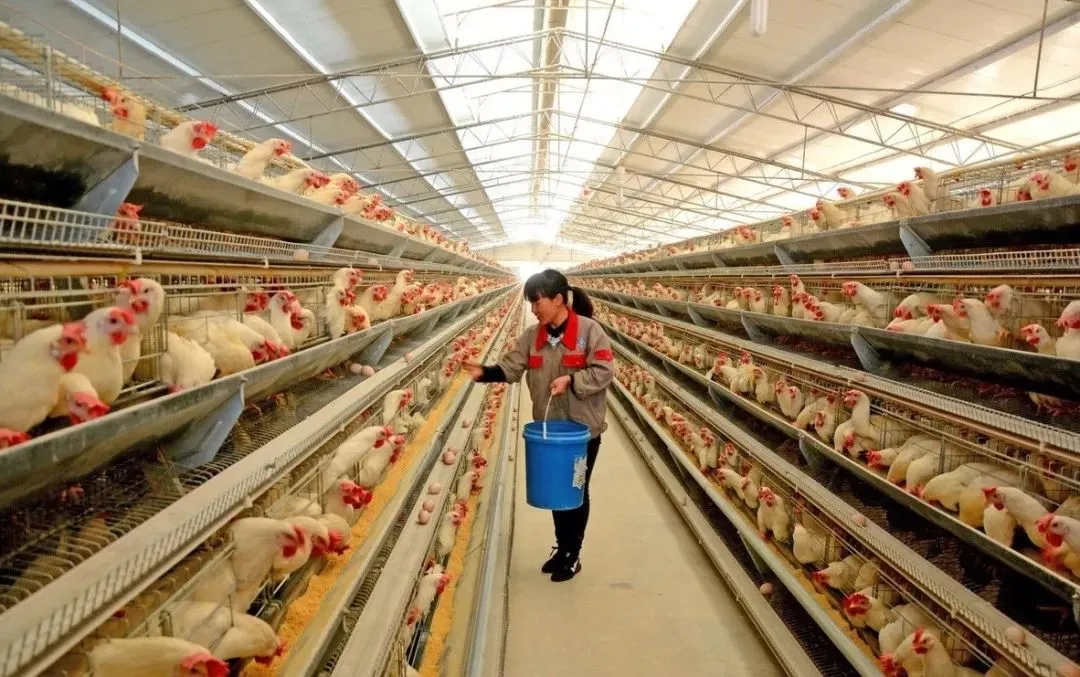
In the livestock and poultry slaughtering and processing industry chain, non-carcass components such as viscera, grease and bones are the core targets of resource-based treatment of livestock and poultry slaughter waste. Accounting for a considerable proportio
As environmental supervision becomes increasingly stringent, the livestock and poultry slaughter industry has bid farewell to the extensive era of “valuing production over waste disposal”. For small‑and‑medium‑sized slaughterhouses processing
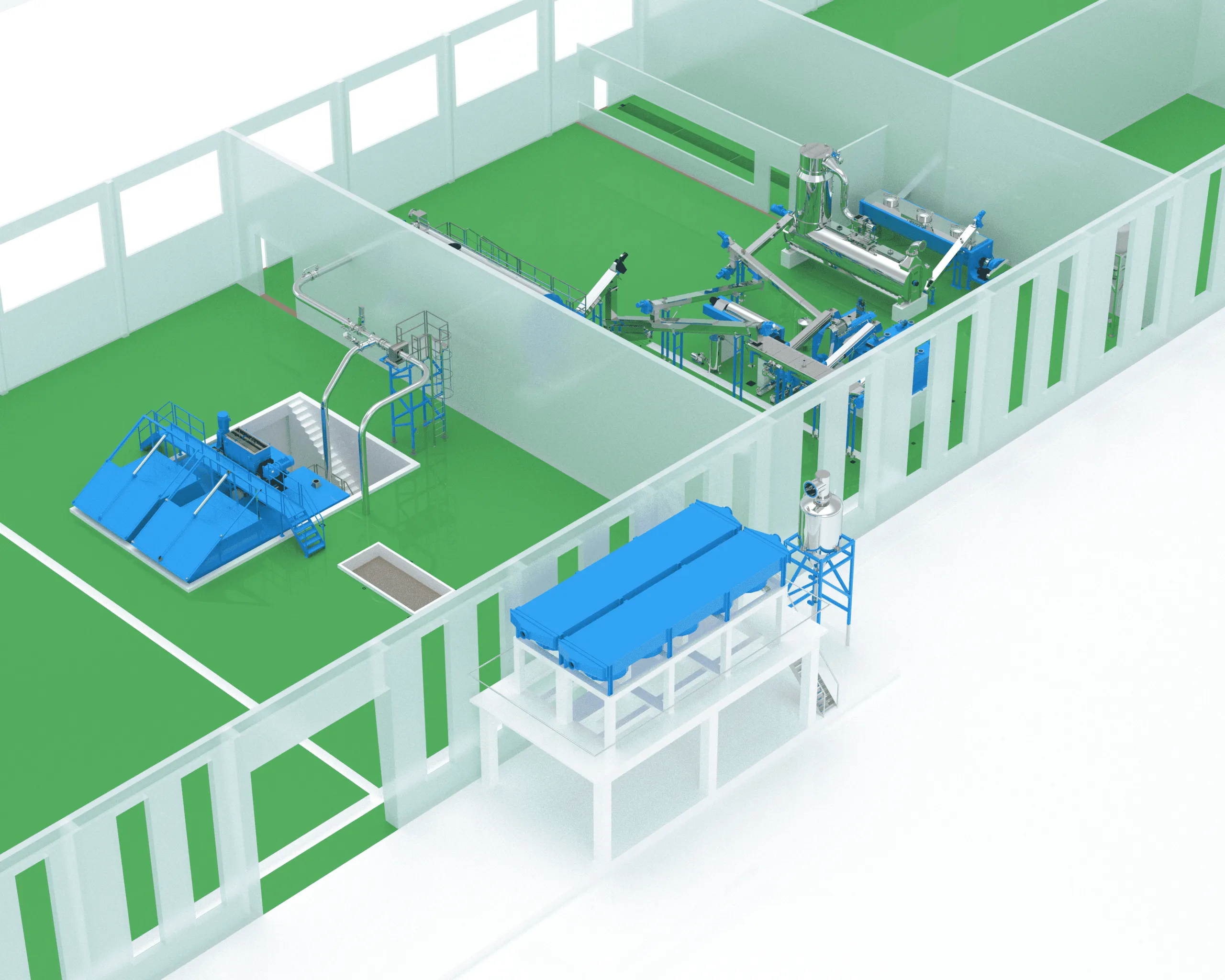
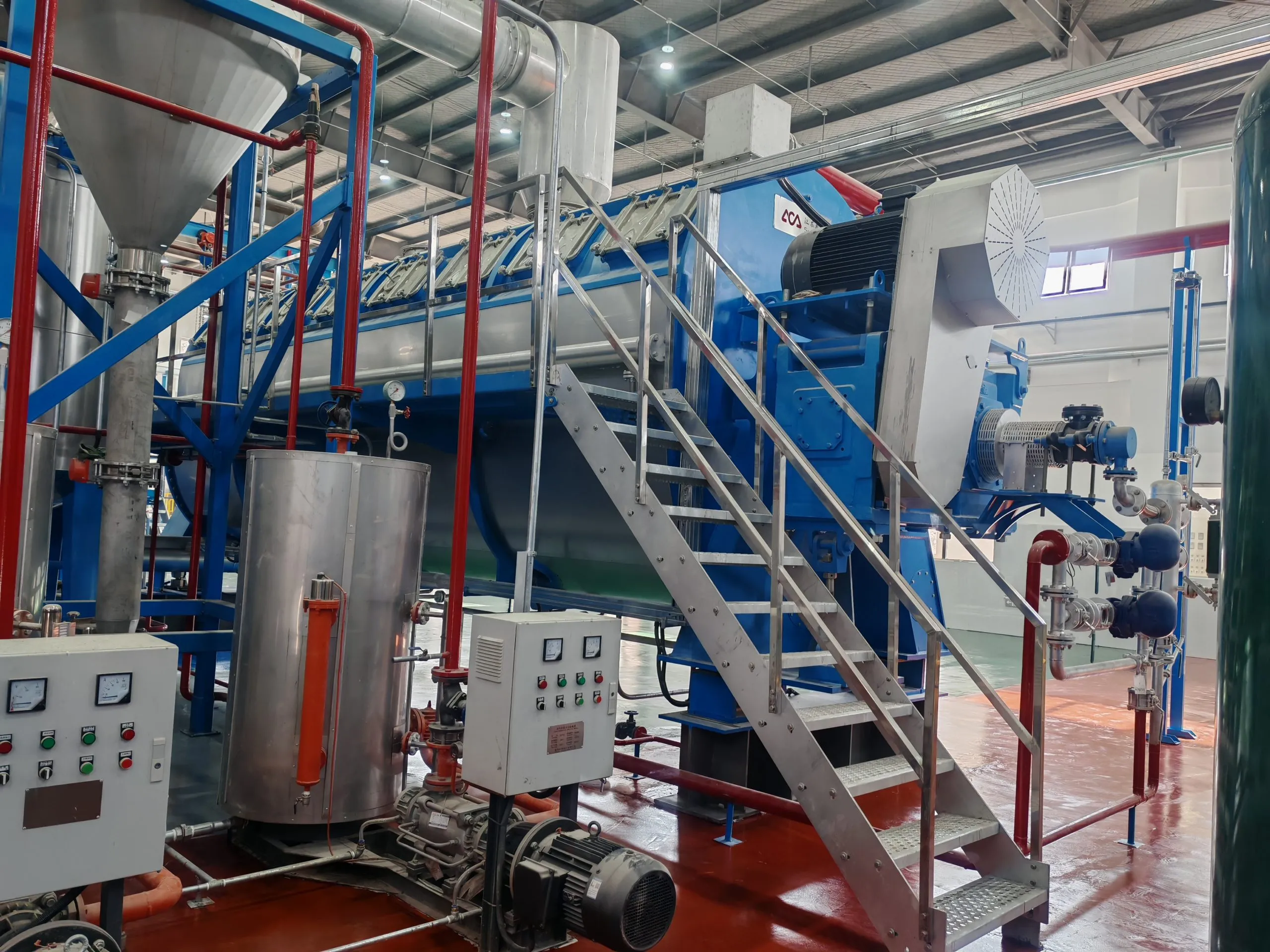
Continuous Low-temperature Wet Rendering is a mainstream core process for the harmless and resourceful treatment of livestock and poultry as well as slaughterhouse by-products. With years of in-depth technical research and development in the industry, SunRise
Verwerkingsgeuren zijn geen mysterie — ze zijn een voorspelbare chemische handtekening van de afbraak van zwavel, stikstof en vetzuren bij 90–140°C. Hier is de moleculaire reden achter elke stankgolf uit een verwerkingsfabriek, en de technische beheersmaatregelen die daadwerkelijk
Vocht boven 10%, temperaturen boven 145°C en inconsistente deeltjesgrootte zijn de drie stille moordenaars van de waarde van verwerkte maaltijden. Hier is precies hoe elke variabele de eiwitverteerbaarheid, houdbaarheid en verkoopprijs beïnvloedt — en de operationele vensters die
De meeste bloedmeelfabrieken verliezen stilletjes 12–18% van hun potentiële eiwitopbrengst door overkoken, slechte coagulatie en stroomafwaartse droogfouten. Hier is waar het eiwit daadwerkelijk verdwijnt — en de technische oplossingen die het terugwinnen.
De Aziatische aquacultuur draait stilletjes op een nieuwe brandstof: vismeel en olie gewonnen uit slachthuis- en zeevruchtenverwerkingsafval. Hier is hoe de technologie, de economie en de regelgeving in 2026 samenkomen — en wat verwerkers eraan moeten doen.
Arabisch
Chinees (Vereenvoudigd)
Russisch
Nederlands
Engels
Frans
Duits
Italiaans
Portugees
Spaans
Selecteer dienstenBeheer ITCreatieve IT