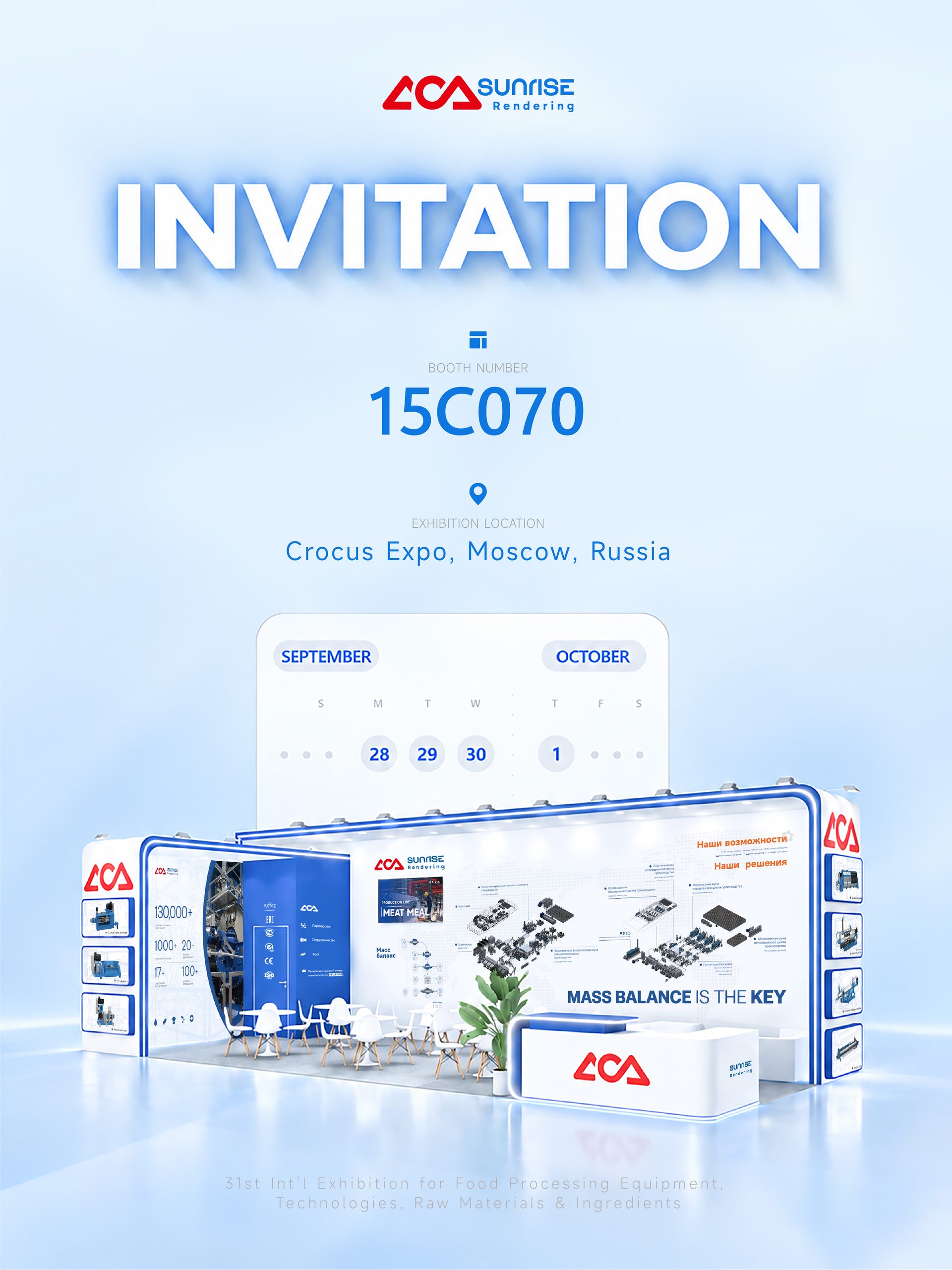
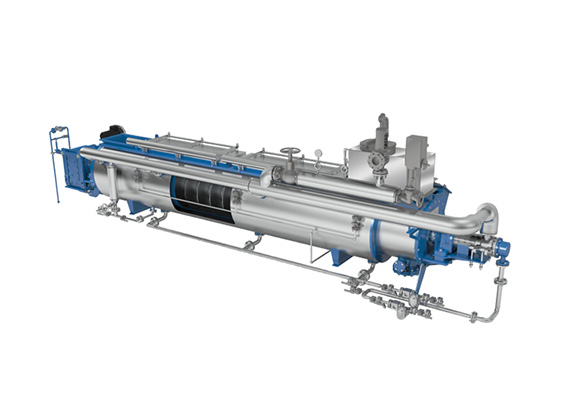
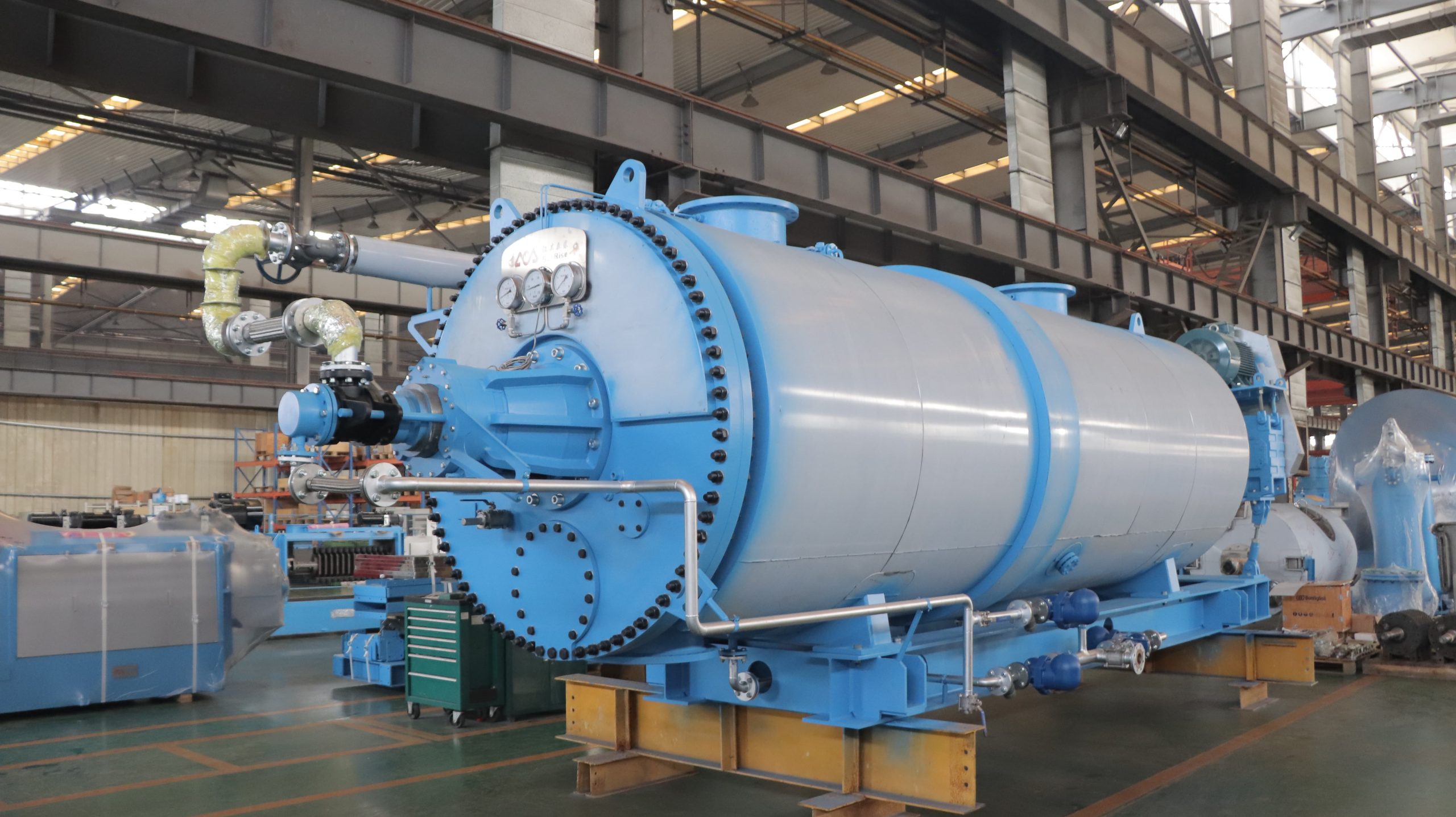
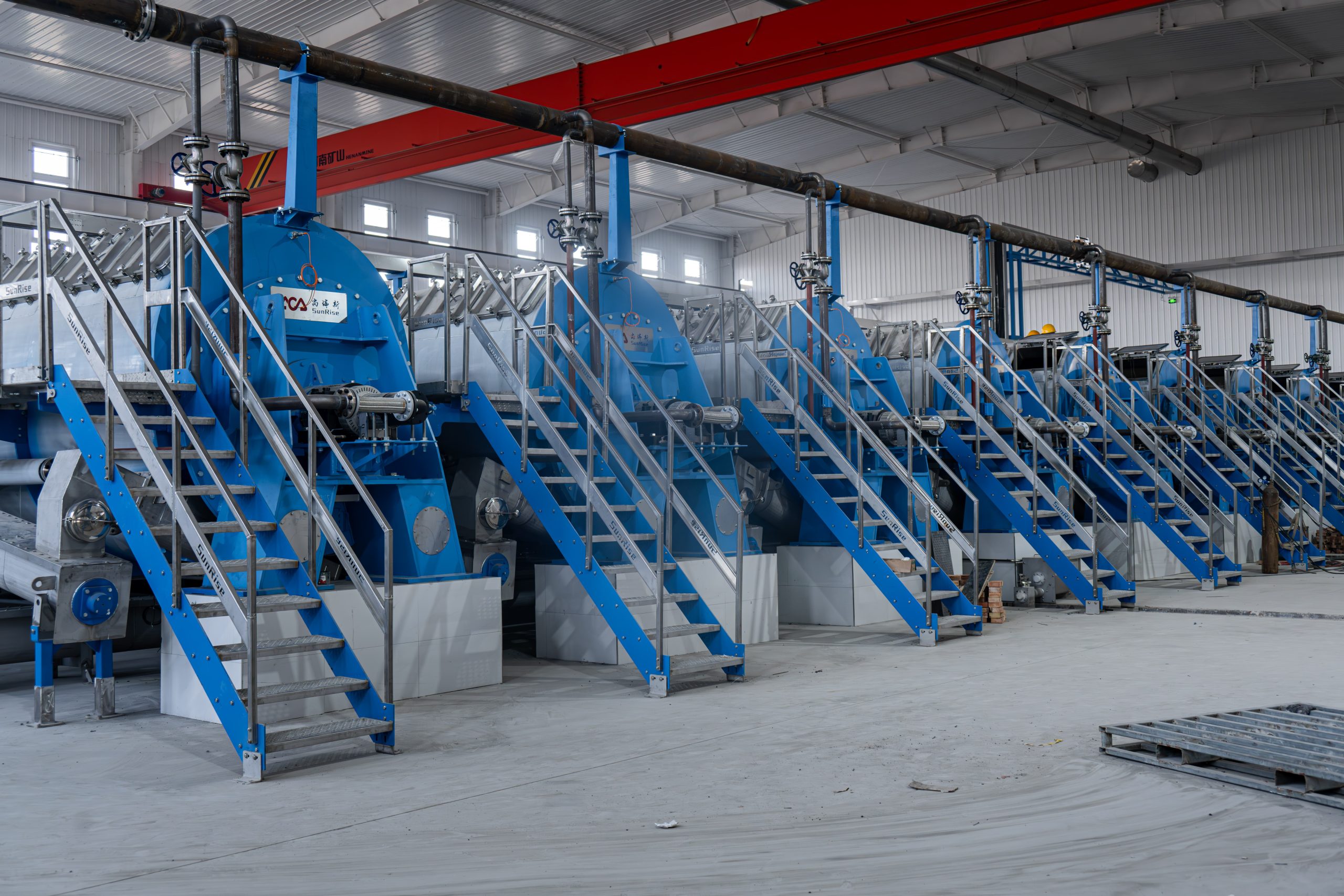
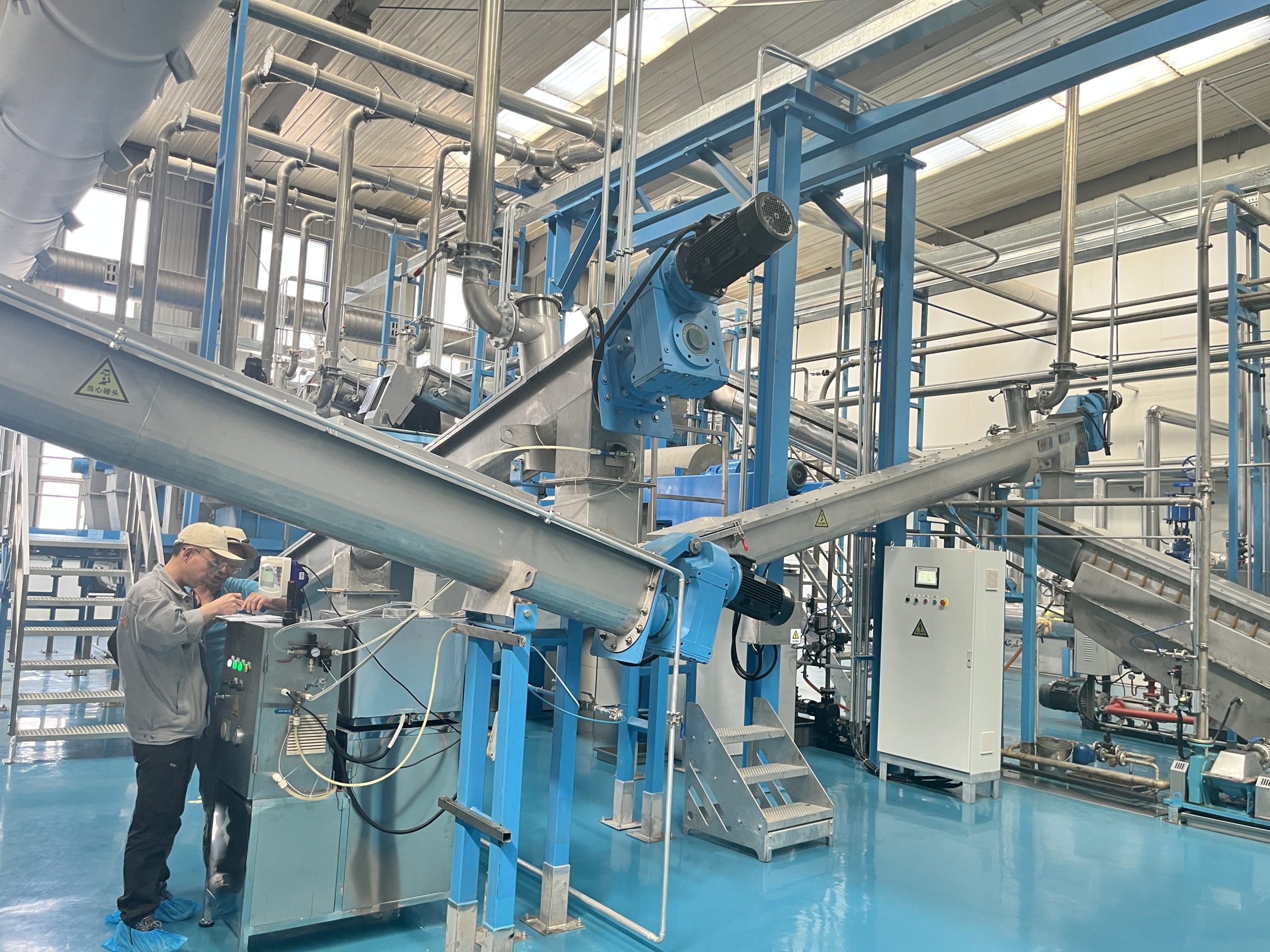
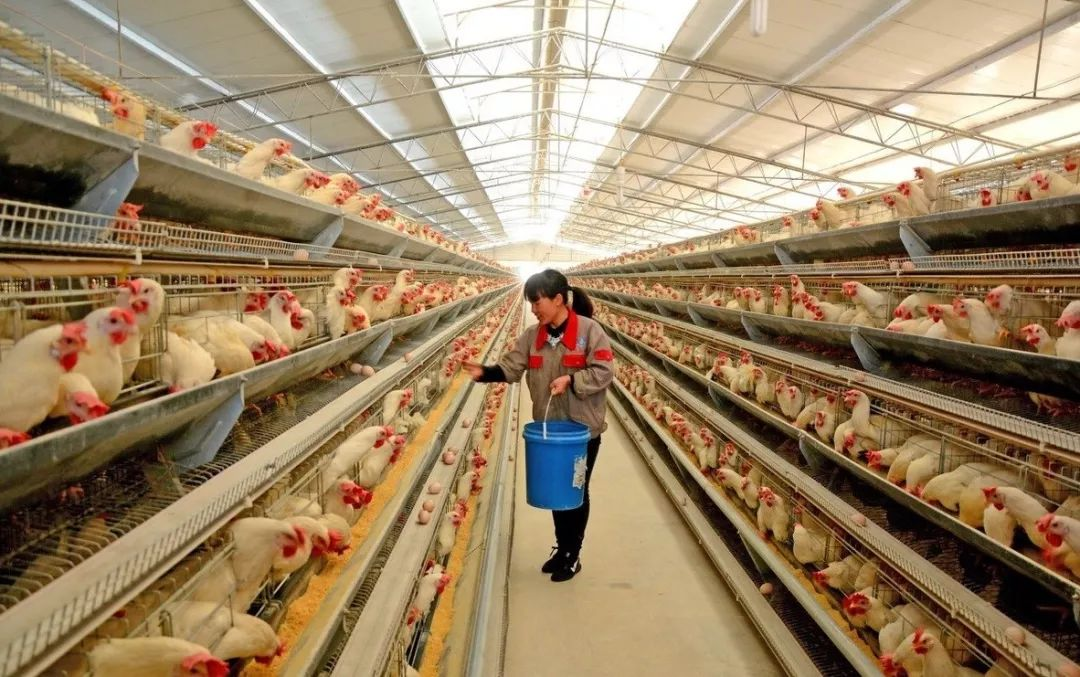
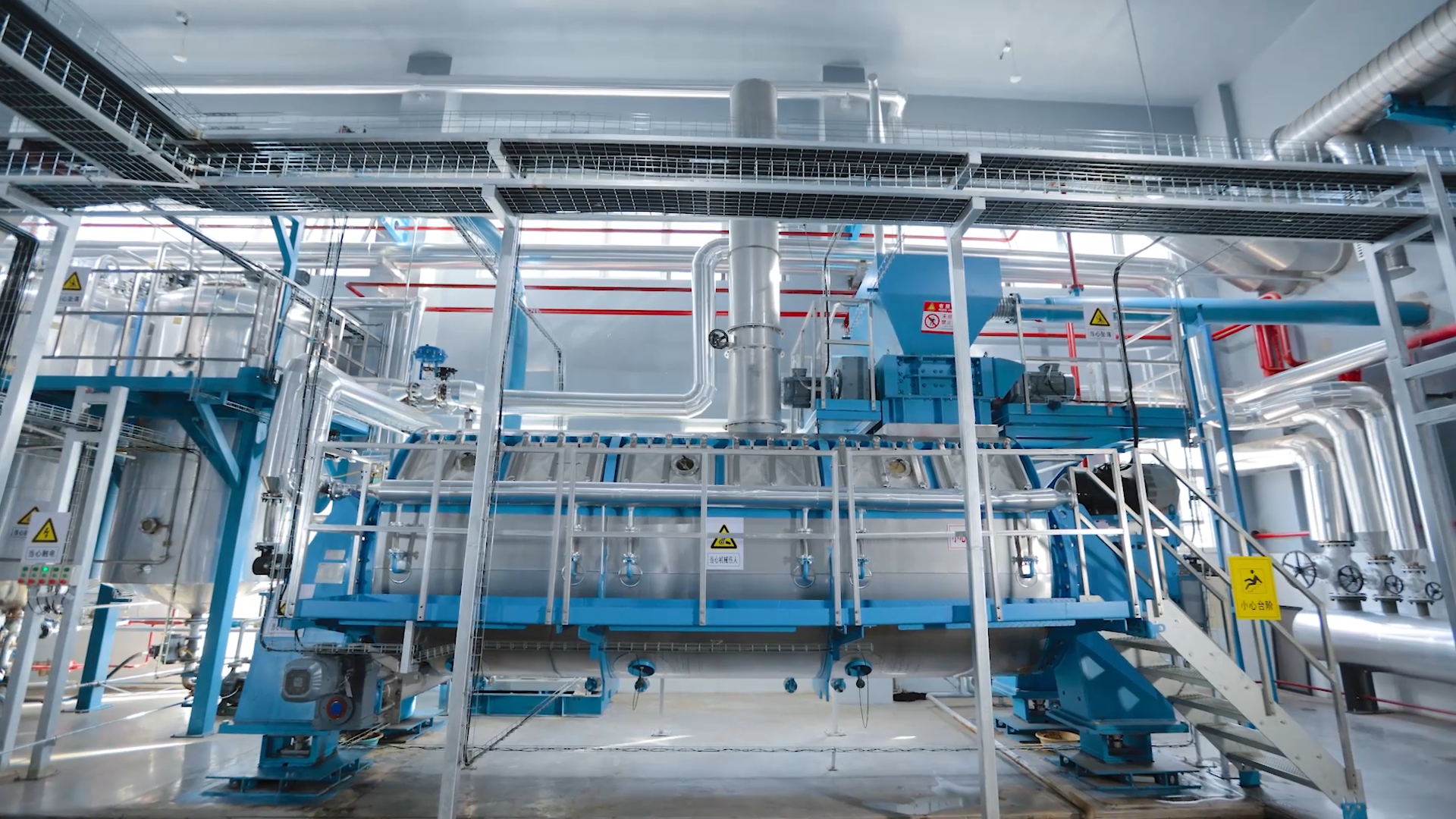
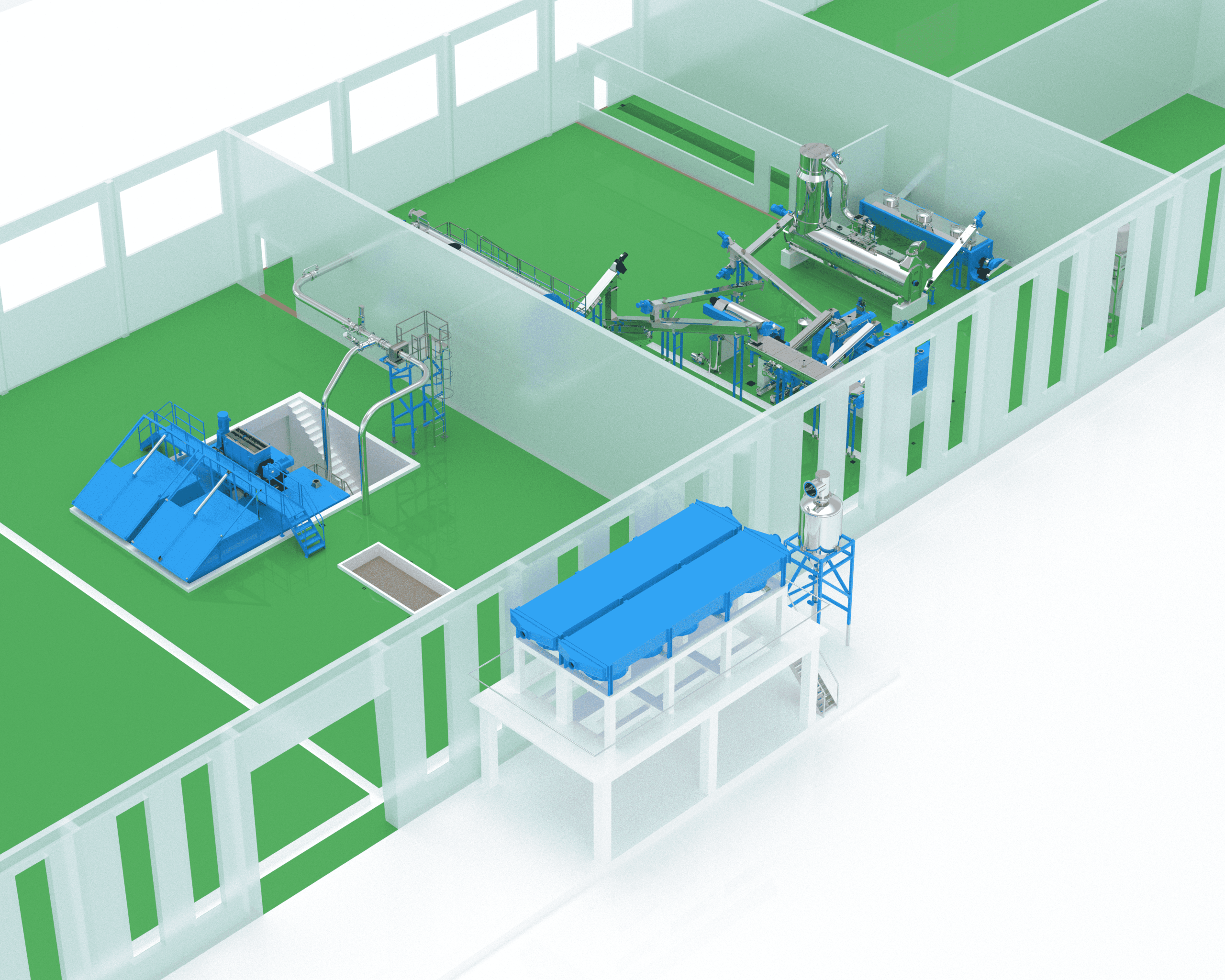
Continuous Low-temperature Wet Rendering is a mainstream core process for the harmless and resourceful treatment of livestock and poultry as well as slaughterhouse by-products. With years of in-depth technical research and development in the industry, SunRise
A rendering plant that skips maintenance doesn't fail gracefully — it fails at 2 AM on a Saturday with a full load of raw material sitting in the receiving bin. Here's the exact daily, weekly, and monthly checklist that keeps cookers, presses, and dryers run
Sizing a rendering plant wrong is a mistake that costs money for the next twenty years. This guide walks you through calculating raw material intake, matching cooker and press throughput, and building in the buffer capacity most buyers forget.
Commissioning is where rendering projects quietly get delayed by weeks — or get to full capacity on day one. This checklist walks you through the exact sequence, from mechanical installation to your first validated production run, so nothing gets skipped.
Against the backdrop of green upgrading in livestock breeding and meat processing industries, turnkey disposal and efficient resource recovery of slaughter waste have become a core priority for meat processing enterprises to cut costs, boost efficiency and pra
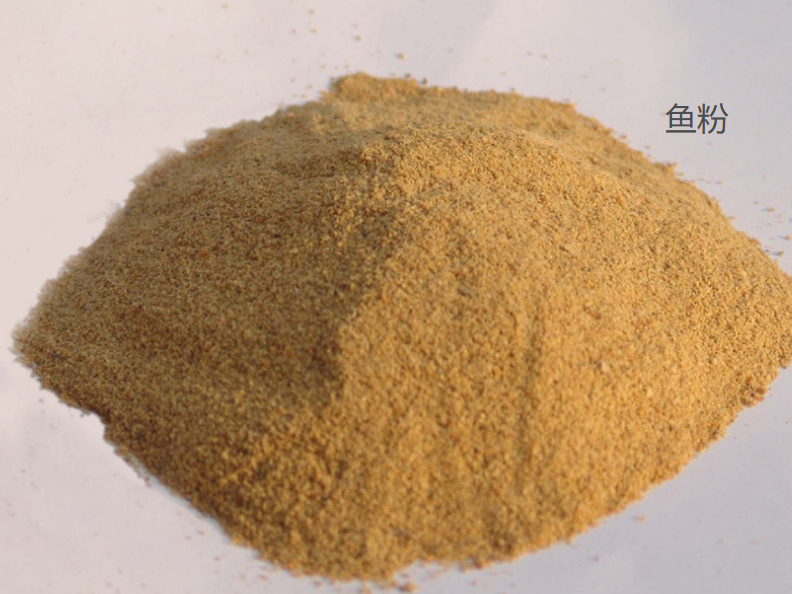
Against the backdrop of continuous expansion in the global aquaculture and livestock feed industries, fishmeal — a core high-quality protein raw material — is entering a new price upcycle.According to official statistics released by IFFO – The Marine Ing
In de velden van voerverwerking, onschadelijk maken van vee en pluimvee, en benutting van agrarische en bosbouwsolid waste, is de batchkoker een cruciaal proces dat de productkwaliteit, productie-efficiëntie en milieunaleving bepaalt.
Verwerkingsgeuren zijn geen mysterie — ze zijn een voorspelbare chemische handtekening van zwavel-, stikstof- en vetzuurafbraak bij 90–140°C. Hier is de moleculaire reden achter elke stankgolf uit een verwerkingsfabriek, en de technische oplossingen die daadwerkelijk werken.
Vocht boven 10%, temperaturen boven 145°C en inconsistente deeltjesgrootte zijn de drie stille moordenaars van de waarde van verwerkte maaltijden. Hier is precies hoe elke variabele de eiwitverteerbaarheid, houdbaarheid en verkoopprijs beïnvloedt — en de operationele vensters die de kwaliteit waarborgen.
De meeste bloedmeelfabrieken verliezen stilletjes 12–18% van hun potentiële eiwitopbrengst door overkoken, slechte coagulatie en stroomafwaartse droogfouten. Hier is waar het eiwit daadwerkelijk verdwijnt — en de technische oplossingen die het terugwinnen.
De Aziatische aquacultuur draait stilletjes op een nieuwe brandstof: vismeel en olie gewonnen uit slachthuis- en zeevruchtenverwerkingsafval. Hier is hoe de technologie, de economie en de regelgeving in 2026 samenkomen — en wat verwerkers eraan moeten doen.
Stoom is de grootste operationele kostenpost in de meeste verwerkingsfabrieken — vaak 40–60% van de totale energiekosten. Deze zeven bewezen technische aanpassingen richten zich op warmteterugwinning, condensaatbeheer en procesoptimalisatie om de stoomkosten met maximaal 30% te verlagen zonder
Arabisch
Chinees (Vereenvoudigd)
Russisch
Nederlands
Engels
Frans
Duits
Italiaans
Portugees
Spaans
Selecteer dienstenBeheer ITCreatieve IT