


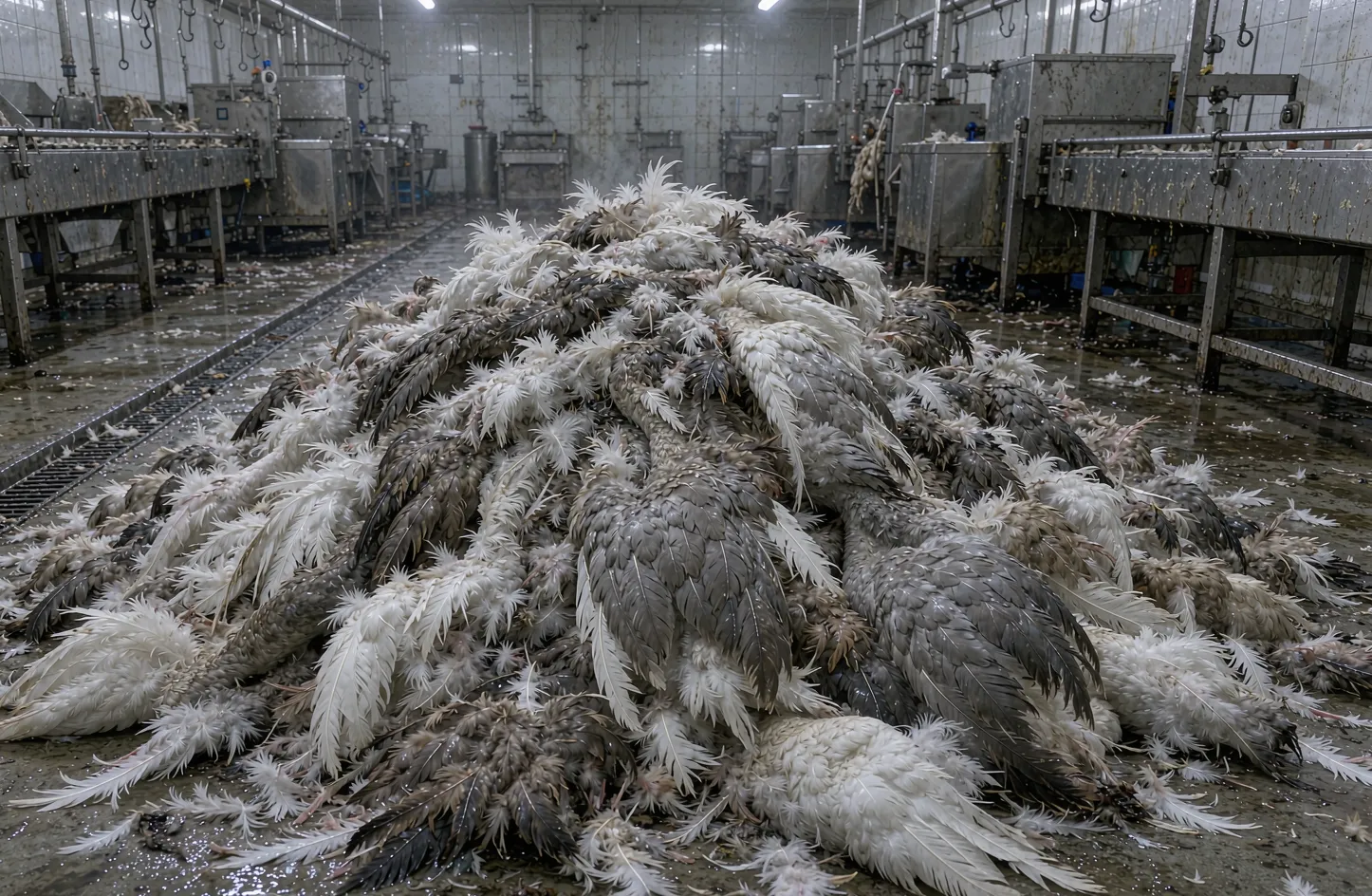
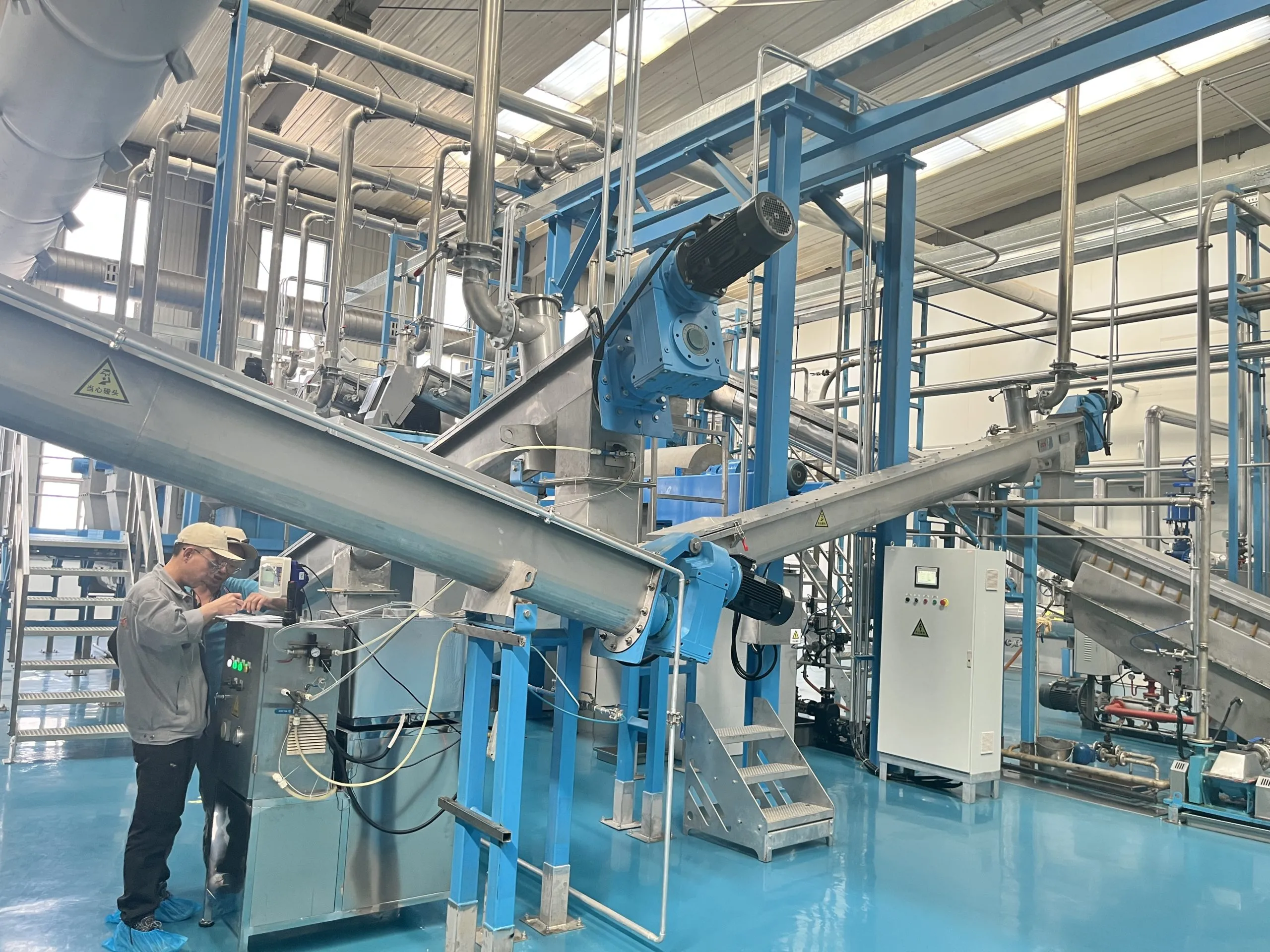
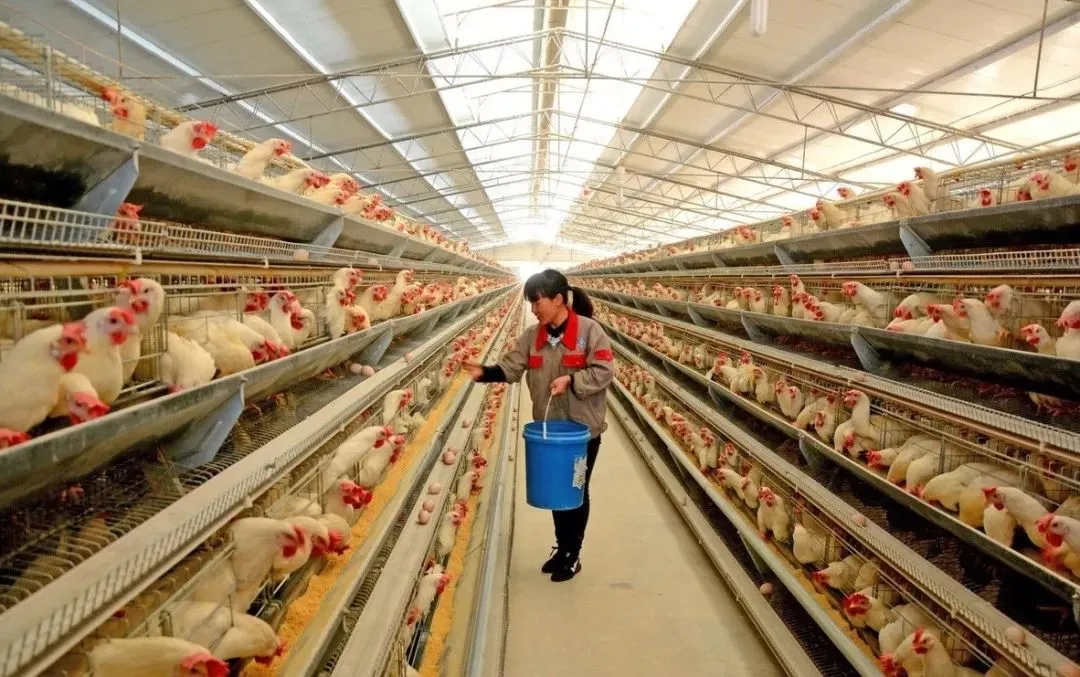
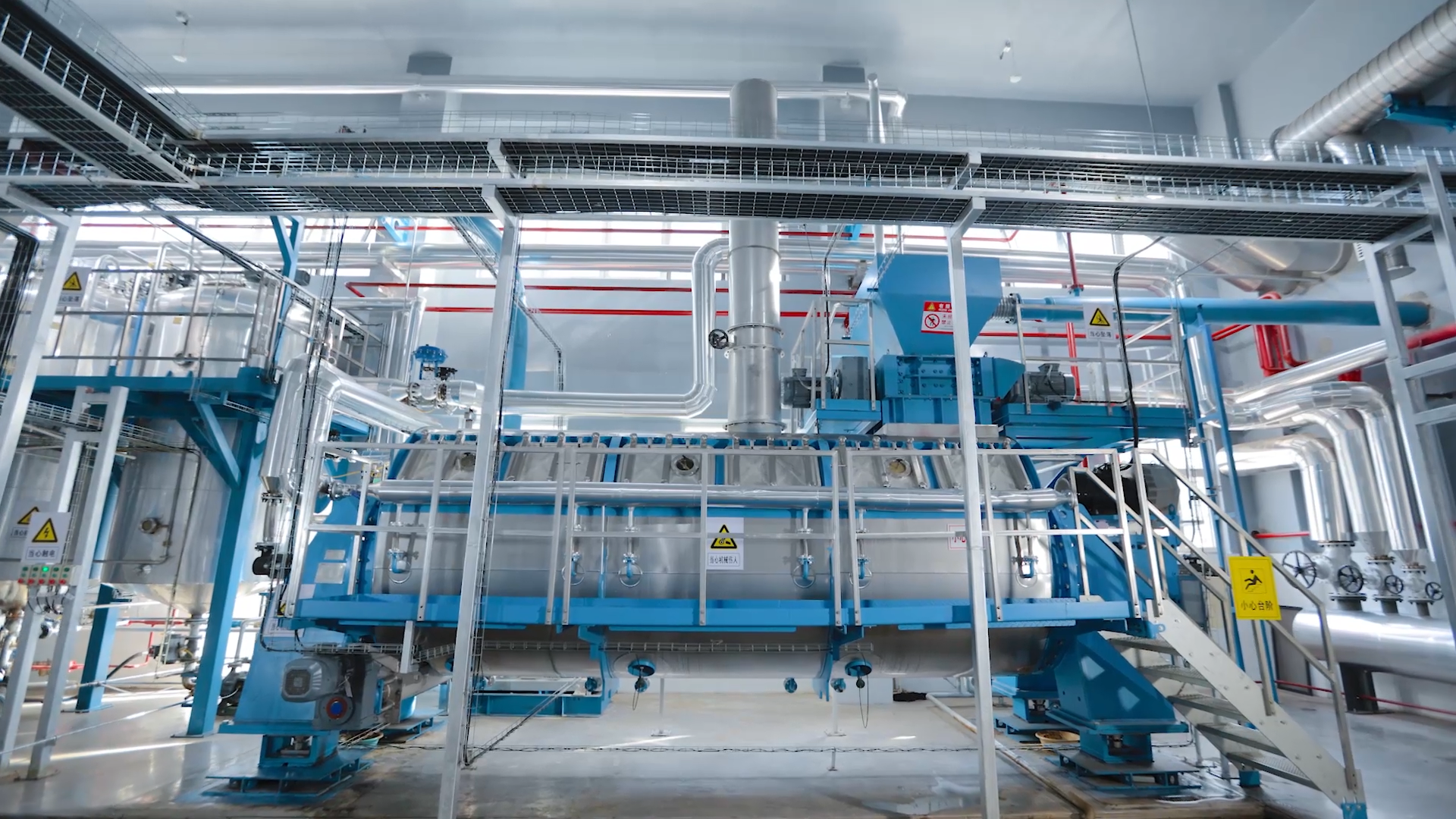
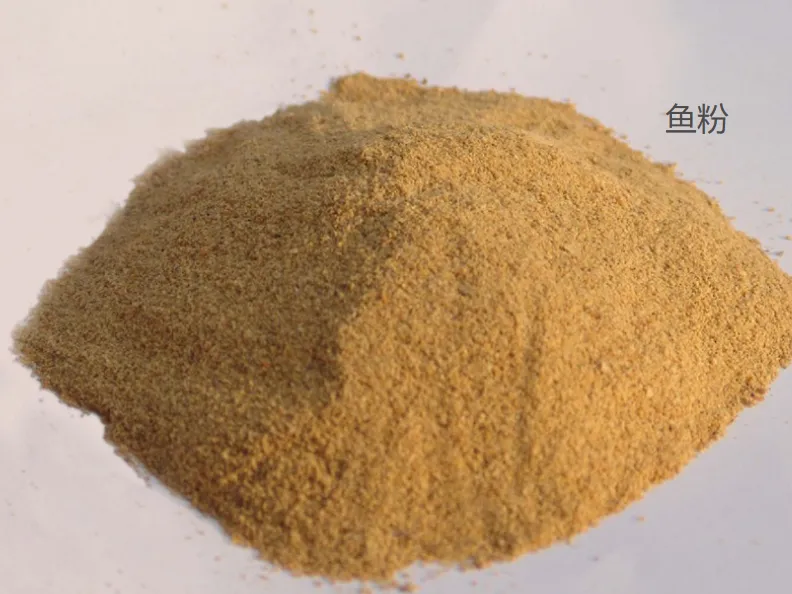


Have you ever wondered what happens to the feathers of the billions of chickens, ducks, and geese consumed every year? China is the world’s largest poultry producer. According to industry research, the country’s annual poultry slaughter exceeds 16
Bagging hot meal is a slow-motion recipe for spontaneous combustion, caking, and rancid product. Here's the science behind proper cooling temperatures, the equipment that gets you there, and what happens when plants skip this step.
Pepsin digestibility in feather meal isn't luck — it's a direct outcome of how hard, how long, and at what pressure you cook the keratin. Get the numbers right and you can hit 85%+ digestibility; get them wrong and you're selling low-value protein dust.
Fish meal doesn't just spoil in storage — it can literally catch fire if you get the cooling and antioxidant dosing wrong. Here's the engineering playbook for keeping oxidation, and self-heating risk, under control from the dryer discharge to the warehouse f
High ash in meat and bone meal isn't bad luck — it's a bone-to-soft-tissue ratio problem that starts long before cooking. Here's how sorting, crushing, and process control cut ash content and unlock premium pricing.
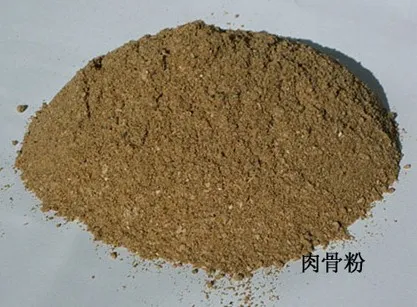
In the livestock and poultry slaughtering and processing industry chain, non-carcass components such as viscera, grease and bones are the core targets of resource-based treatment of livestock and poultry slaughter waste. Accounting for a considerable proportio
High TVN and histamine levels don't come from bad luck — they come from stale raw material and sloppy cooker settings. Here's exactly how to control both, with the numbers that separate premium fish meal from rejected shipments.
In 2026, local authorities nationwide have ramped up full closed-loop traceability supervision over the rendering of deceased livestock and poultry.The supply chains for raw materials and production workflows of meat and bone meal are facing the strictest regu
As environmental supervision becomes increasingly stringent, the livestock and poultry slaughter industry has bid farewell to the extensive era of “valuing production over waste disposal”. For small‑and‑medium‑sized slaughterhouses processing
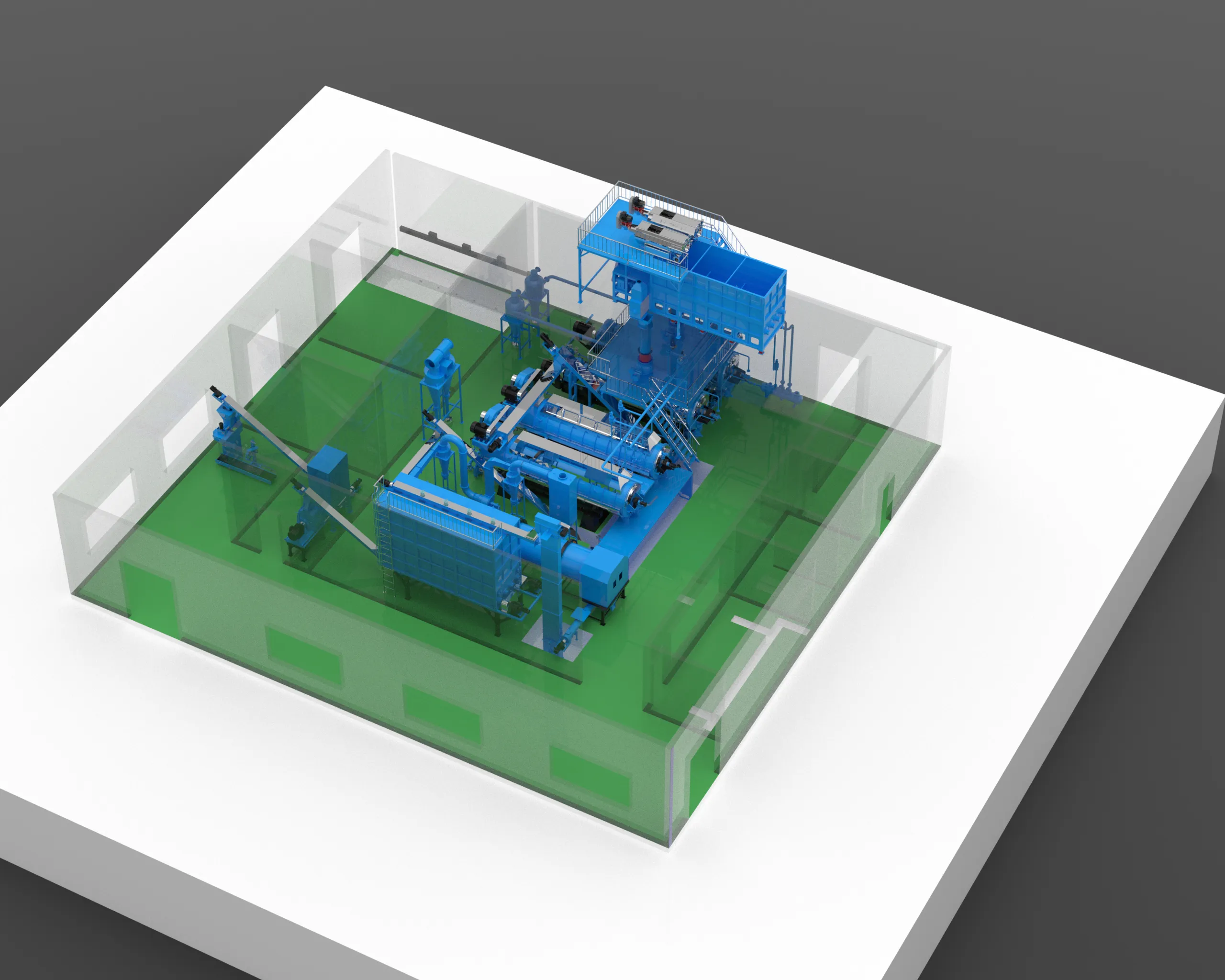
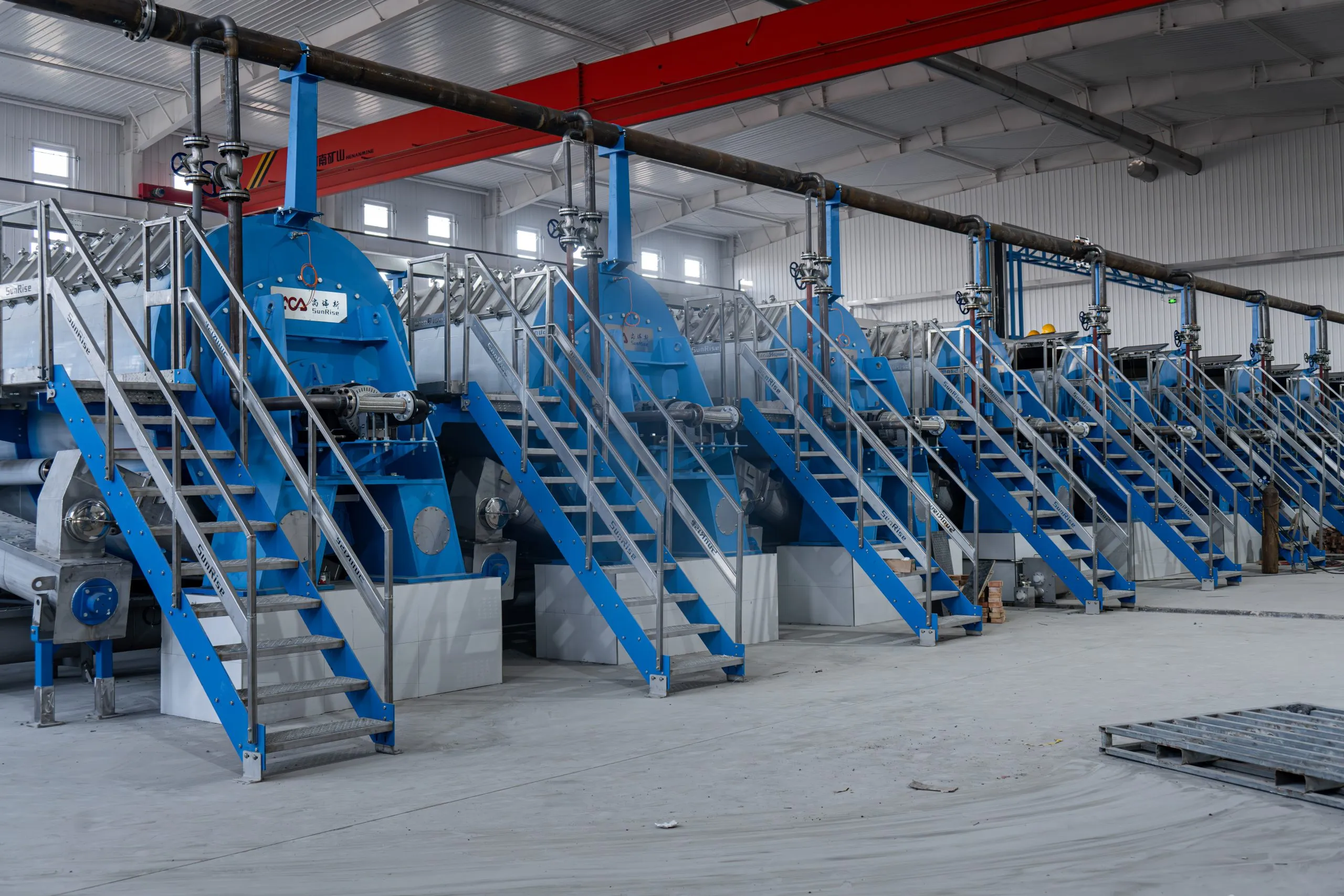
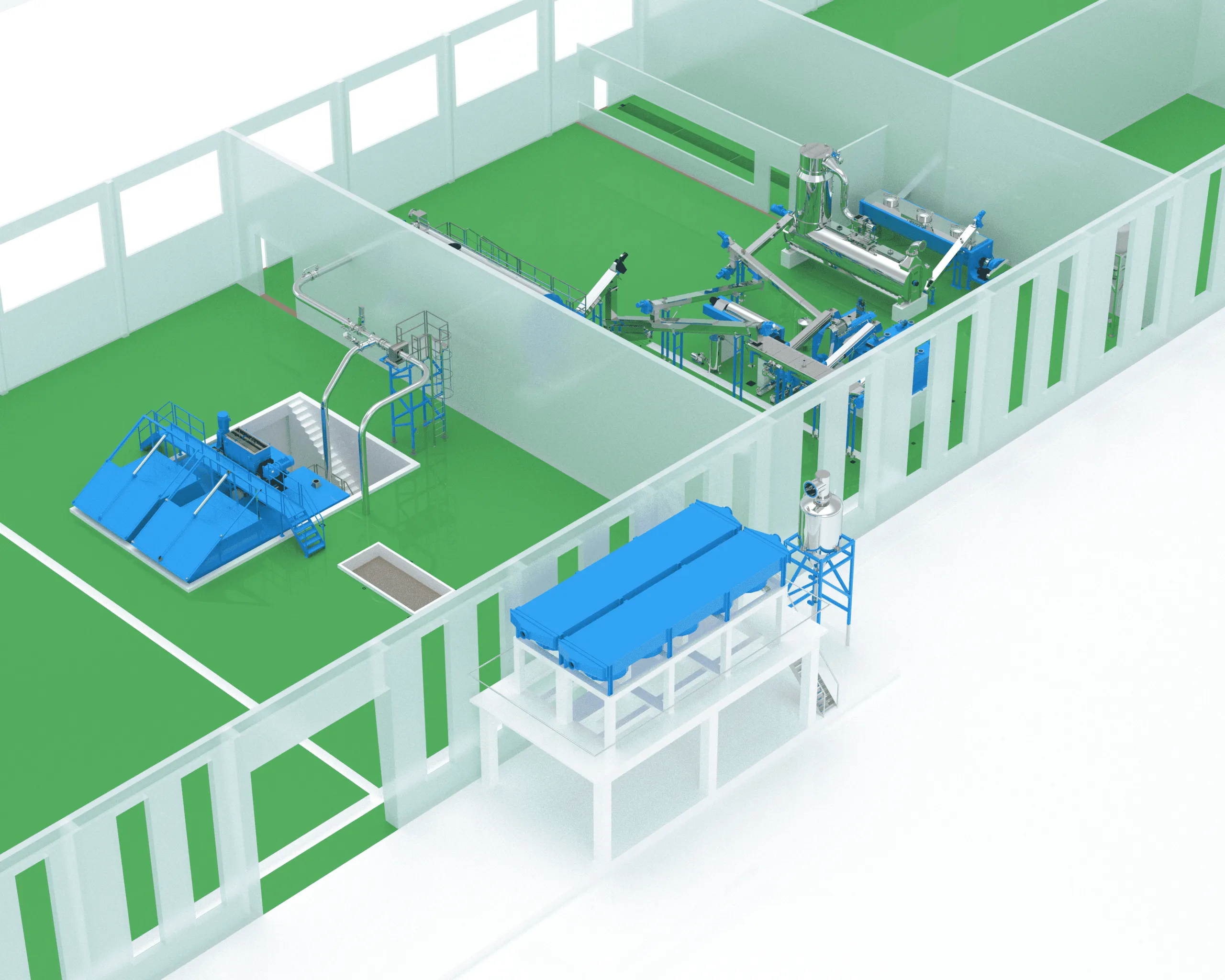
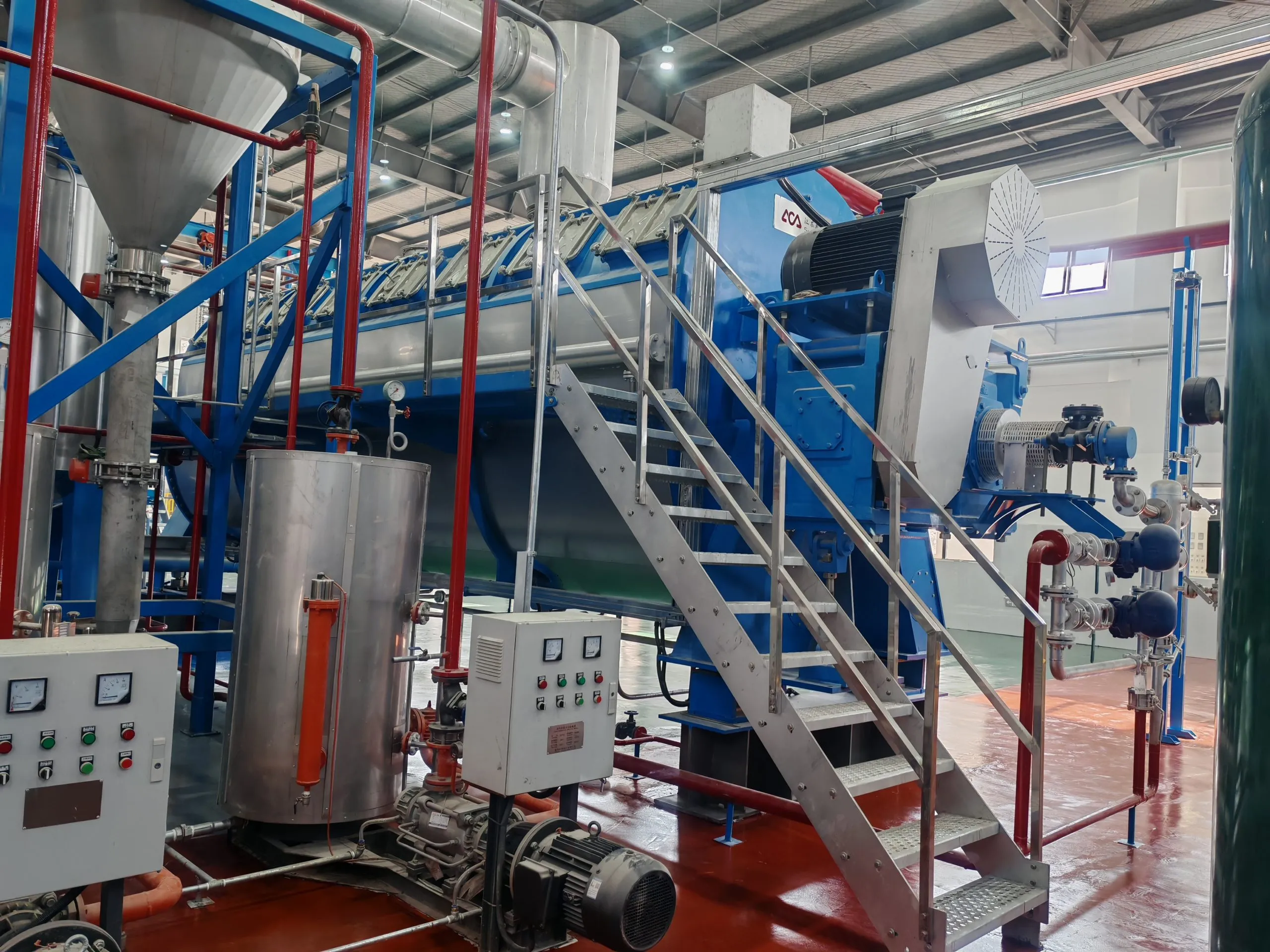
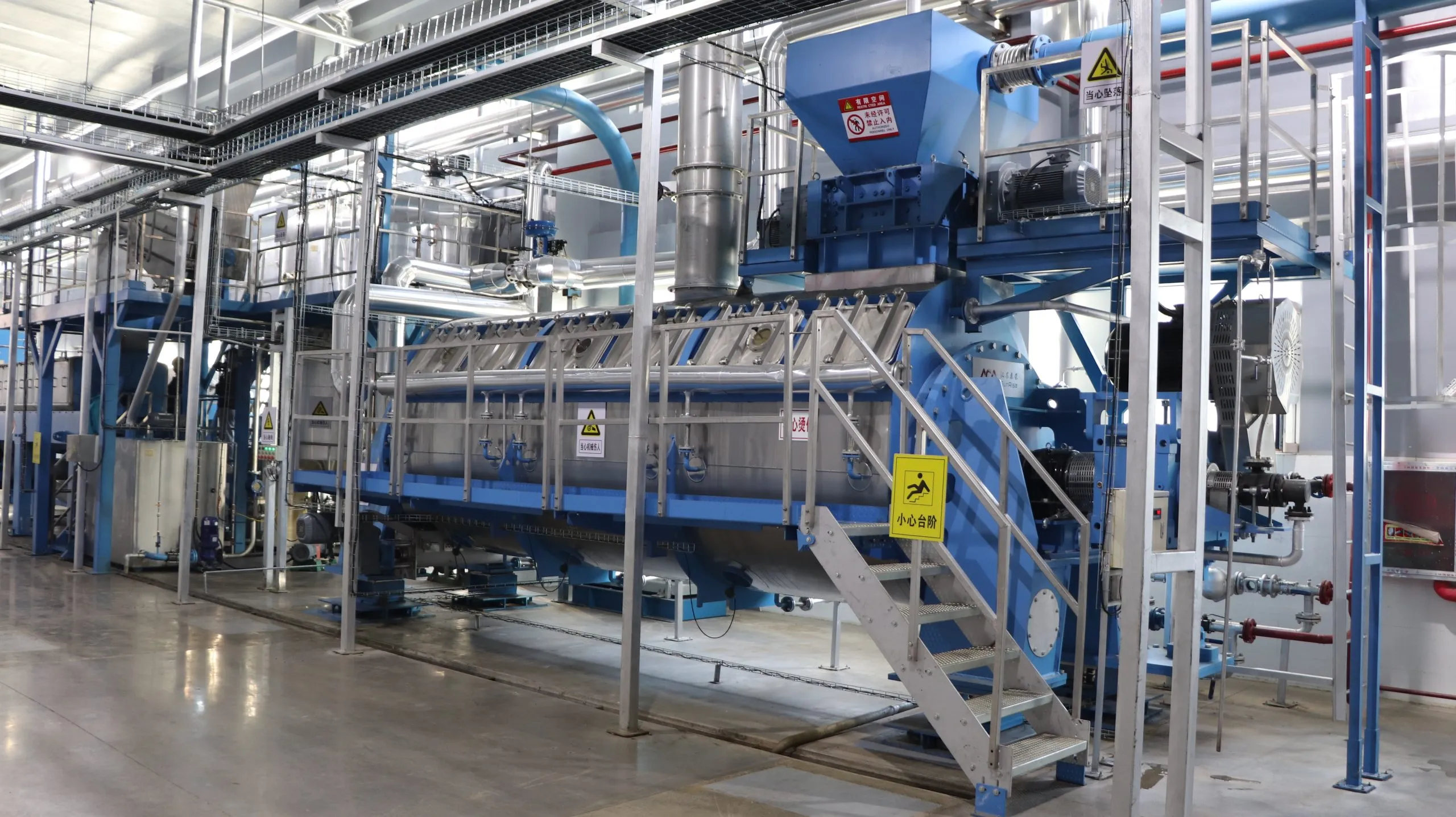
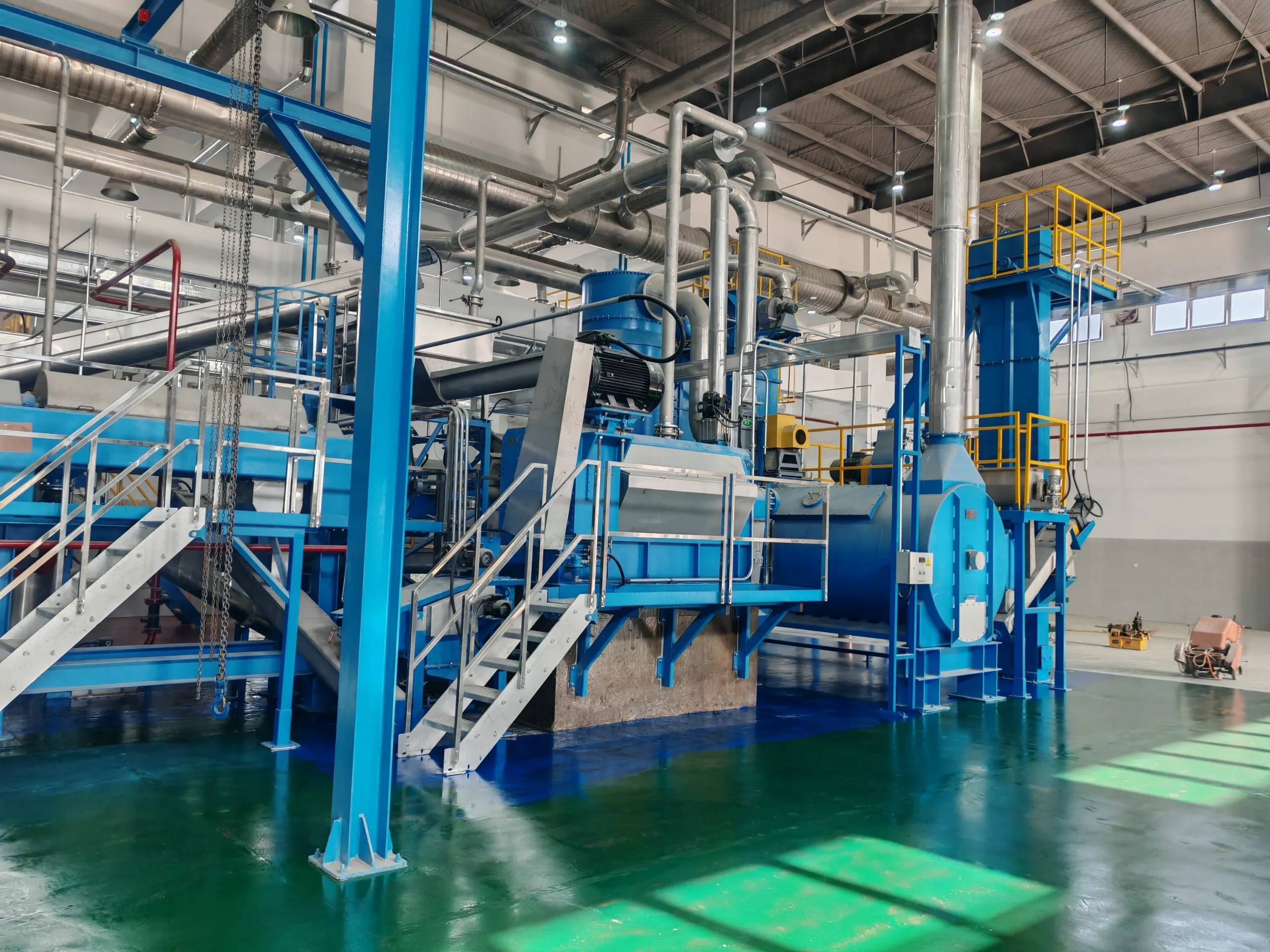
Continuous Low-temperature Wet Rendering is a mainstream core process for the harmless and resourceful treatment of livestock and poultry as well as slaughterhouse by-products. With years of in-depth technical research and development in the industry, SunRise
A rendering plant that skips maintenance doesn't fail gracefully — it fails at 2 AM on a Saturday with a full load of raw material sitting in the receiving bin. Here's the exact daily, weekly, and monthly checklist that keeps cookers, presses, and dryers run
Sizing a rendering plant wrong is a mistake that costs money for the next twenty years. This guide walks you through calculating raw material intake, matching cooker and press throughput, and building in the buffer capacity most buyers forget.
Arabisch
Chinees (vereenvoudigd)
Russisch
Nederlands
Engels
Frans
Duits
Italiaans
Portugees
Spaans
Selecteer dienstenBeheer ITCreatieve IT