Feather Meal Digestibility: How Hydrolysis Time, Temperature, and Pressure Affect Pepsin Digestibility

Pepsin digestibility in feather meal isn’t luck — it’s a direct outcome of how hard, how long, and at what pressure you cook the keratin. Get the numbers right and you can hit 85%+ digestibility; get them wrong and you’re selling low-value protein dust.
Preventing Fish Meal Oxidation: Cooling, Antioxidant Dosing, and Storage Control

Fish meal doesn’t just spoil in storage — it can literally catch fire if you get the cooling and antioxidant dosing wrong. Here’s the engineering playbook for keeping oxidation, and self-heating risk, under control from the dryer discharge to the warehouse floor.

Controlling TVN and Histamine in Fish Meal Production: Raw Material Freshness and Cooker Settings

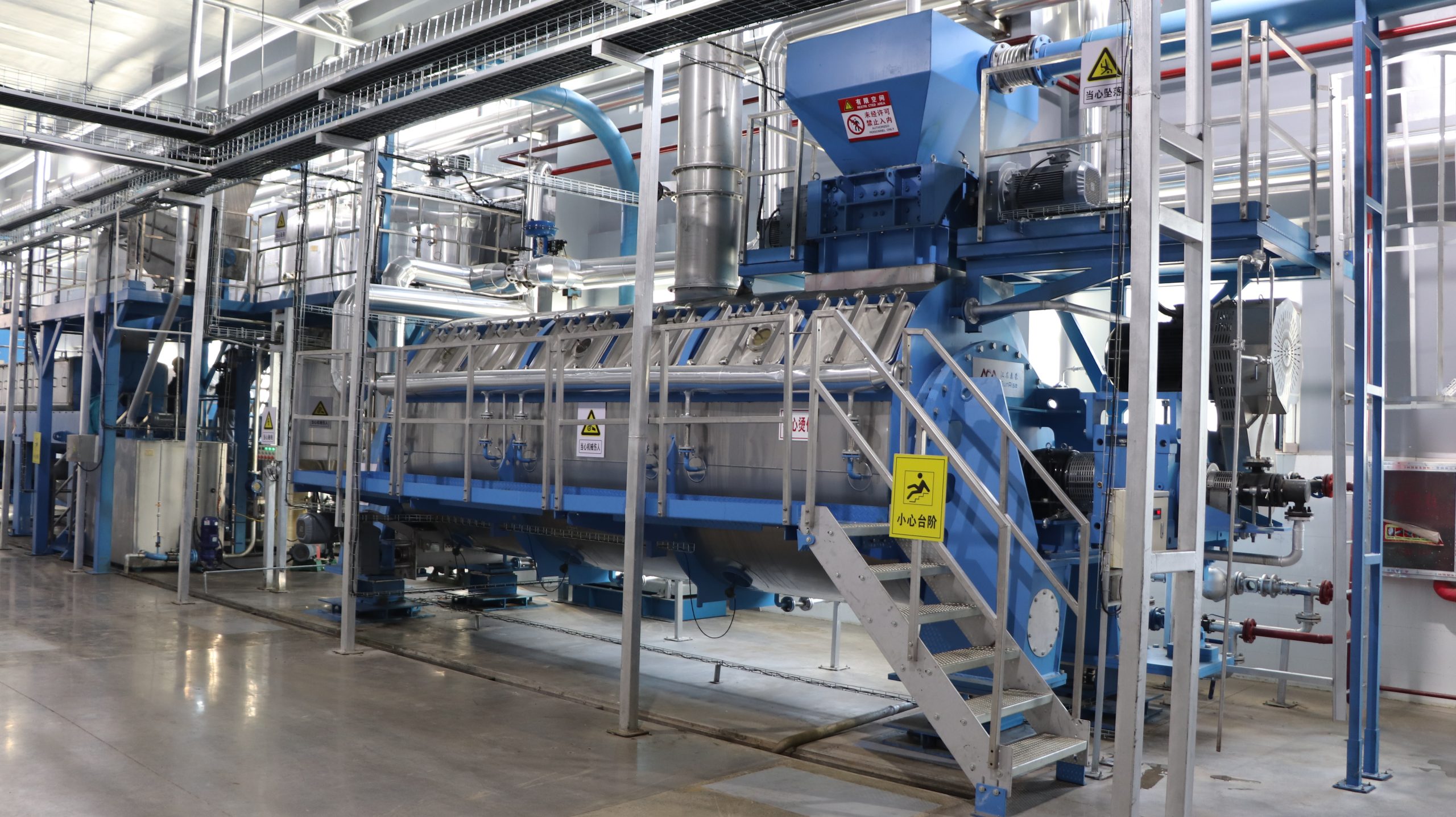
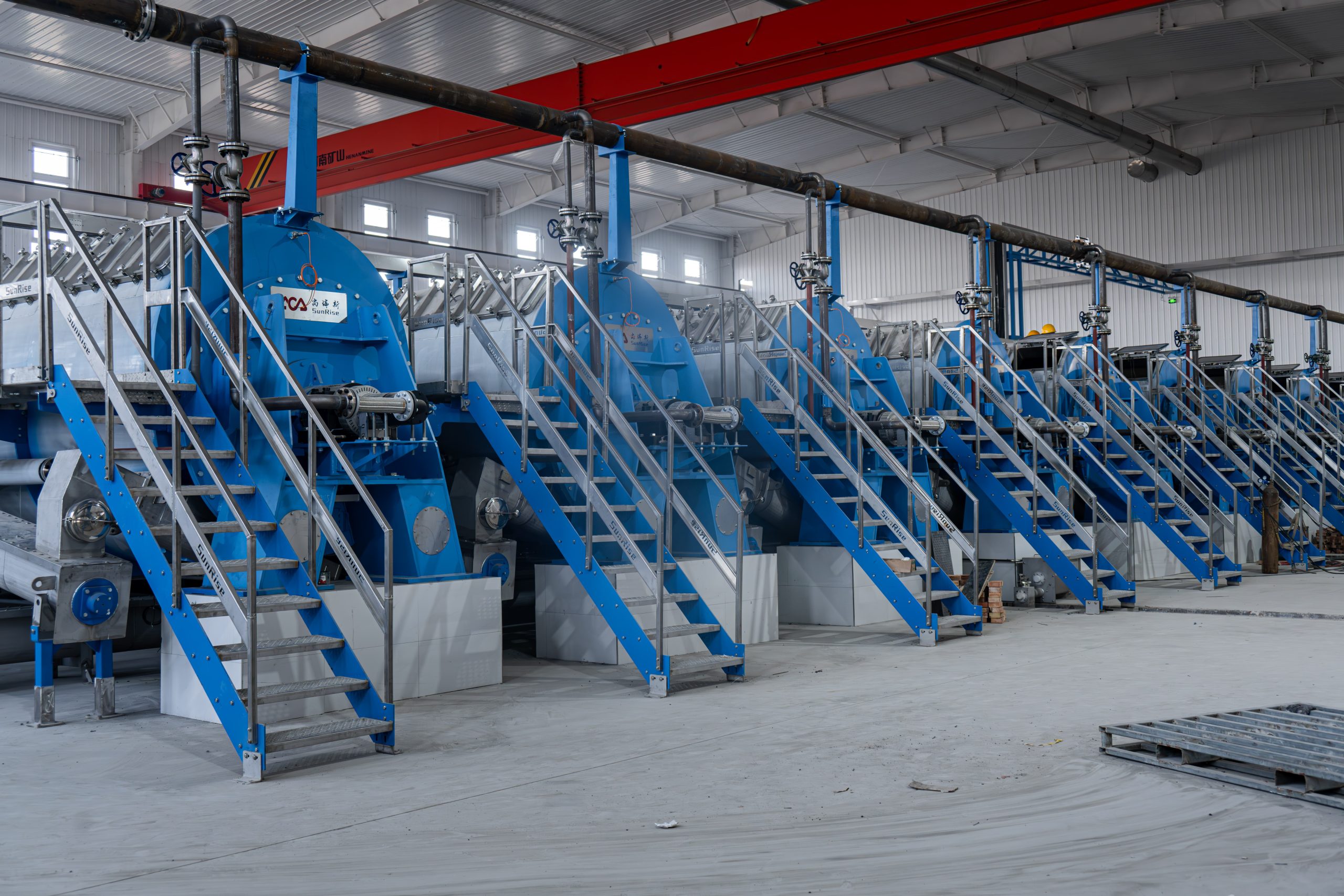
Modern feather meal processing line with hydrolyzer equipment

High TVN and histamine levels don’t come from bad luck — they come from stale raw material and sloppy cooker settings. Here’s exactly how to control both, with the numbers that separate premium fish meal from rejected shipments.

Rendering Equipment Preventive Maintenance Checklist: Daily, Weekly and Monthly Tasks

A rendering plant that skips maintenance doesn’t fail gracefully — it fails at 2 AM on a Saturday with a full load of raw material sitting in the receiving bin. Here’s the exact daily, weekly, and monthly checklist that keeps cookers, presses, and dryers running without surprise breakdowns.

How to Size a Rendering Plant: Capacity Planning from Raw Material Intake to Equipment Throughput

Sizing a rendering plant wrong is a mistake that costs money for the next twenty years. This guide walks you through calculating raw material intake, matching cooker and press throughput, and building in the buffer capacity most buyers forget.

Rendering Plant Commissioning Checklist: From Equipment Installation to the First Production Run

Commissioning is where rendering projects quietly get delayed by weeks — or get to full capacity on day one. This checklist walks you through the exact sequence, from mechanical installation to your first validated production run, so nothing gets skipped.

The Chemistry of Rendering Odors: Why High-Temperature Processing Creates Them and the Engineering Controls That Work

Rendering odors aren’t a mystery — they’re a predictable chemical signature of sulfur, nitrogen, and fatty acid breakdown at 90–140°C. Here’s the molecular reason behind every wave of stench from a rendering plant, and the engineering controls that actually neutralize them at the source.

How Moisture, Temperature, and Particle Size Affect Final Product Quality in Rendered Meals

Moisture above 10%, temperatures over 145°C, and inconsistent particle size are the three silent killers of rendered meal value. Here’s exactly how each variable shifts protein digestibility, shelf life, and selling price — and the operating windows that separate premium meal from feed-grade fines.

Blood Meal Processing: Why Most Plants Are Losing 15% of Protein Yield Without Knowing It

rocessing: Why Most Plants Are Losing 15% of Protein Yield Without Knowing It

Most blood meal plants quietly lose 12–18% of their potential protein yield to overcooking, poor coagulation, and downstream drying mistakes. Here’s where the protein actually disappears — and the engineering fixes that recover it.

From Slaughterhouse Waste to Aquafeed Ingredient: How Fish Rendering Is Reshaping Asian Aquaculture in 2026

Asian aquaculture is quietly running on a new fuel: fish meal and oil rendered from slaughterhouse and seafood-processing waste. Here is how the technology, the economics, and the regulations are converging in 2026 — and what processors should do about it.

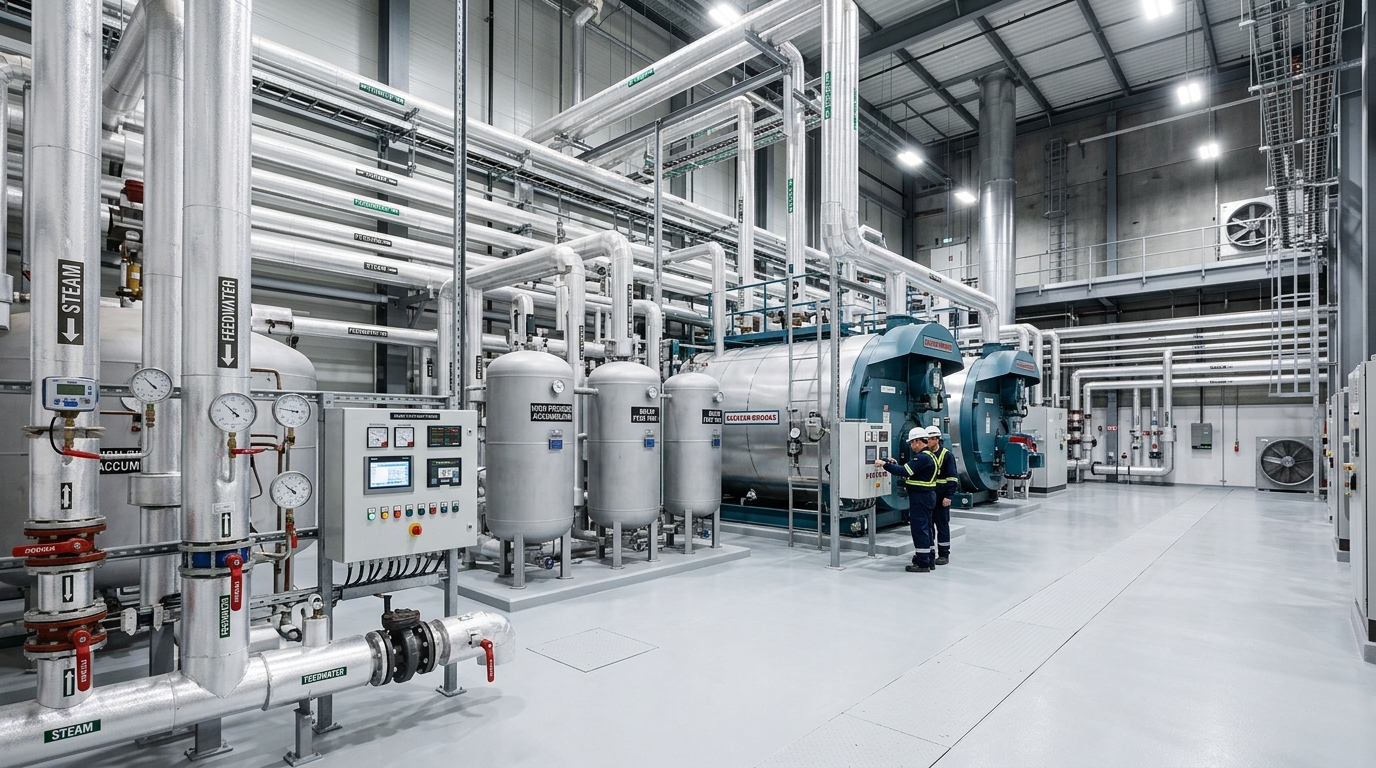
Rendering Plant Energy Consumption: 7 Engineering Tweaks That Cut Steam Costs by 30%

Rendering Plant Energy Consumption: 7 Engineering Tweaks That Cut Steam Costs by 30%

Steam is the single largest operating cost in most rendering plants — often 40–60% of total energy spend. These seven proven engineering tweaks target heat recovery, condensate management, and process optimization to slash steam costs by up to 30% without replacing your core equipment.

  • Arabic

  • Chinese (Simplified)

  • Russian

  • Dutch

  • English

  • French

  • German

  • Italian

  • Portuguese

  • Spanish