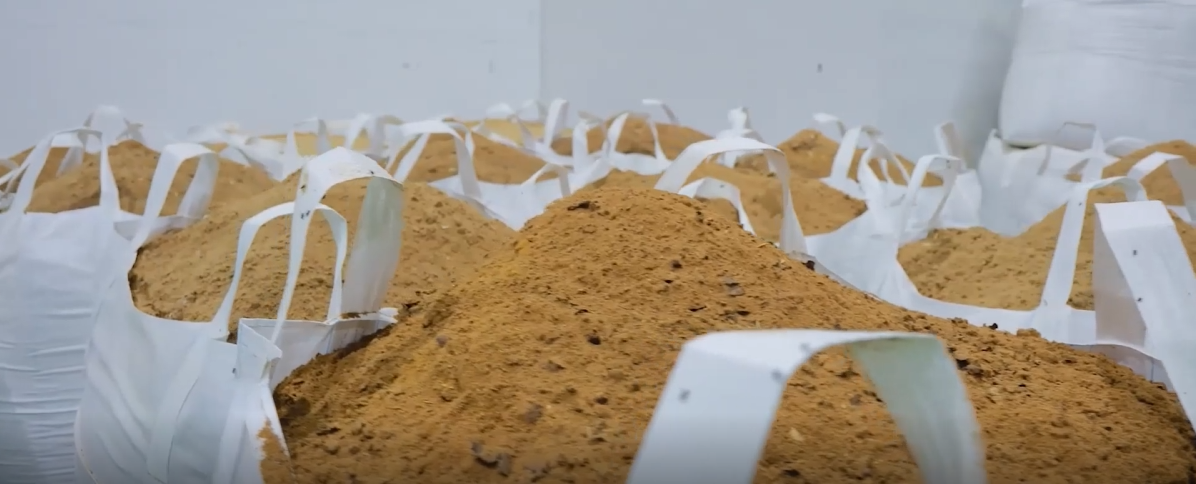
Feather Meal Digestibility: How Hydrolysis Time, Temperature, and Pressure Affect Pepsin Digestibility

Pepsin digestibility in feather meal isn’t luck — it’s a direct outcome of how hard, how long, and at what pressure you cook the keratin. Get the numbers right and you can hit 85%+ digestibility; get them wrong and you’re selling low-value protein dust.
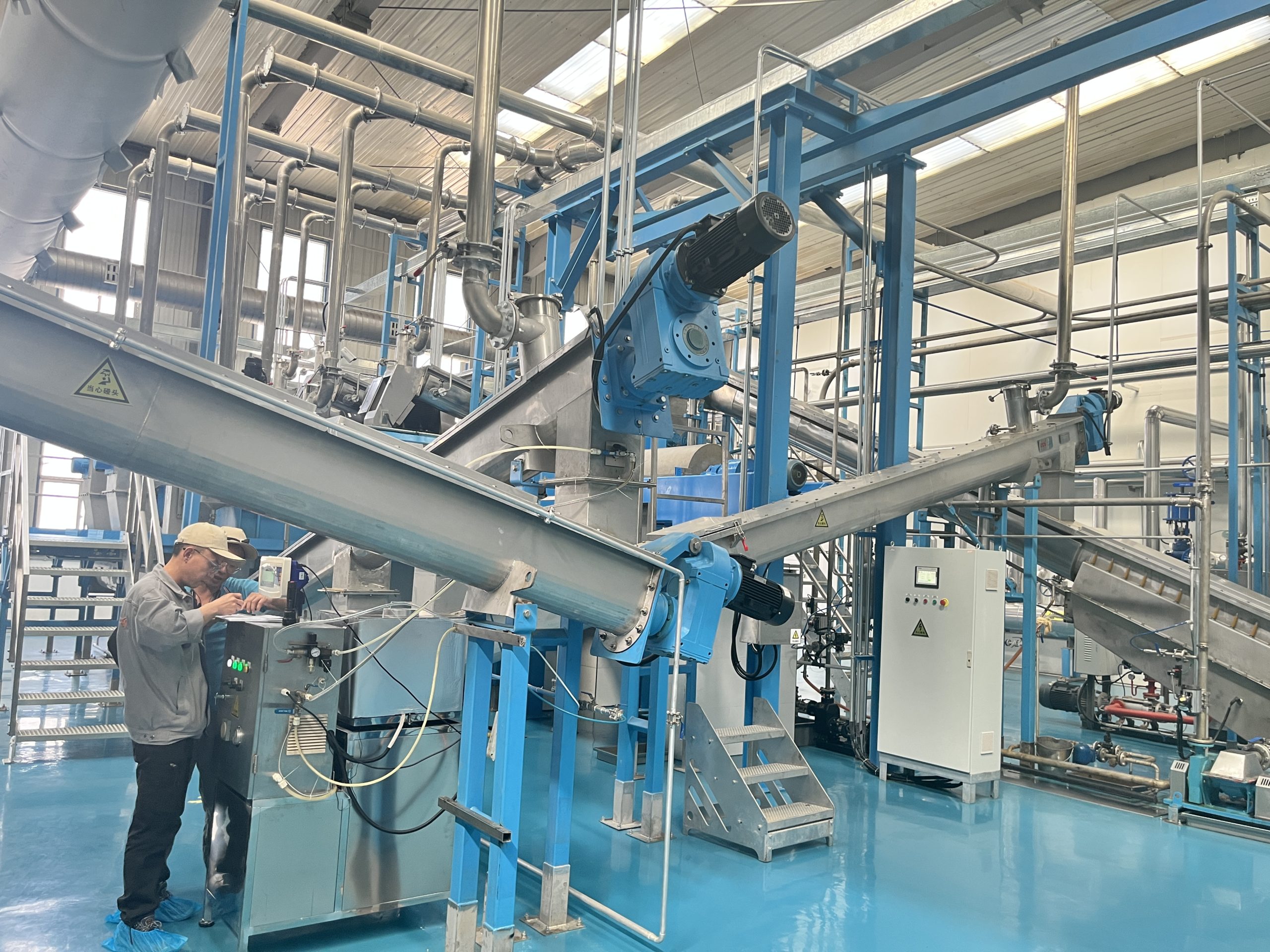
Preventing Fish Meal Oxidation: Cooling, Antioxidant Dosing, and Storage Control

Fish meal doesn’t just spoil in storage — it can literally catch fire if you get the cooling and antioxidant dosing wrong. Here’s the engineering playbook for keeping oxidation, and self-heating risk, under control from the dryer discharge to the warehouse floor.

Controlling TVN and Histamine in Fish Meal Production: Raw Material Freshness and Cooker Settings

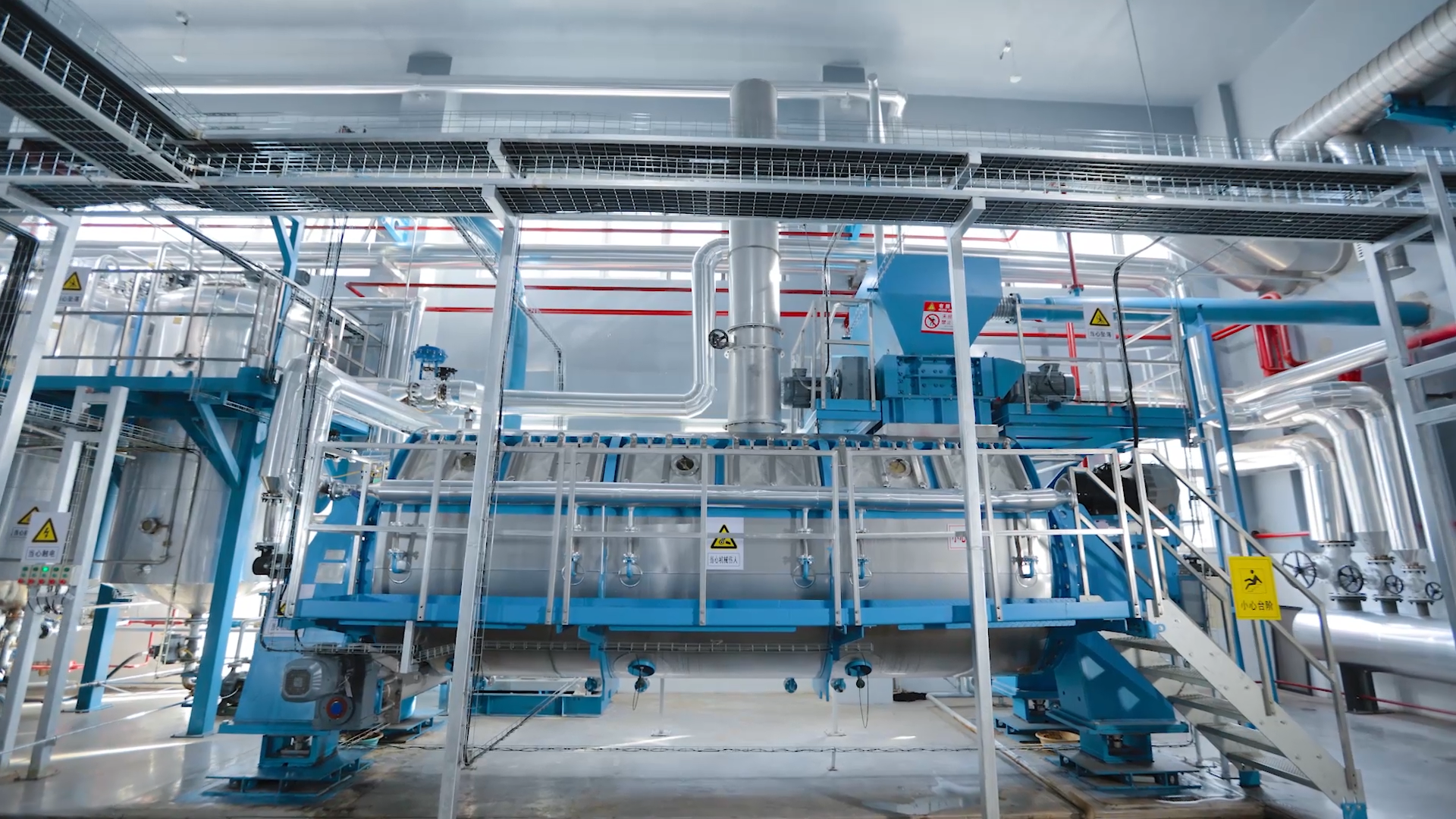
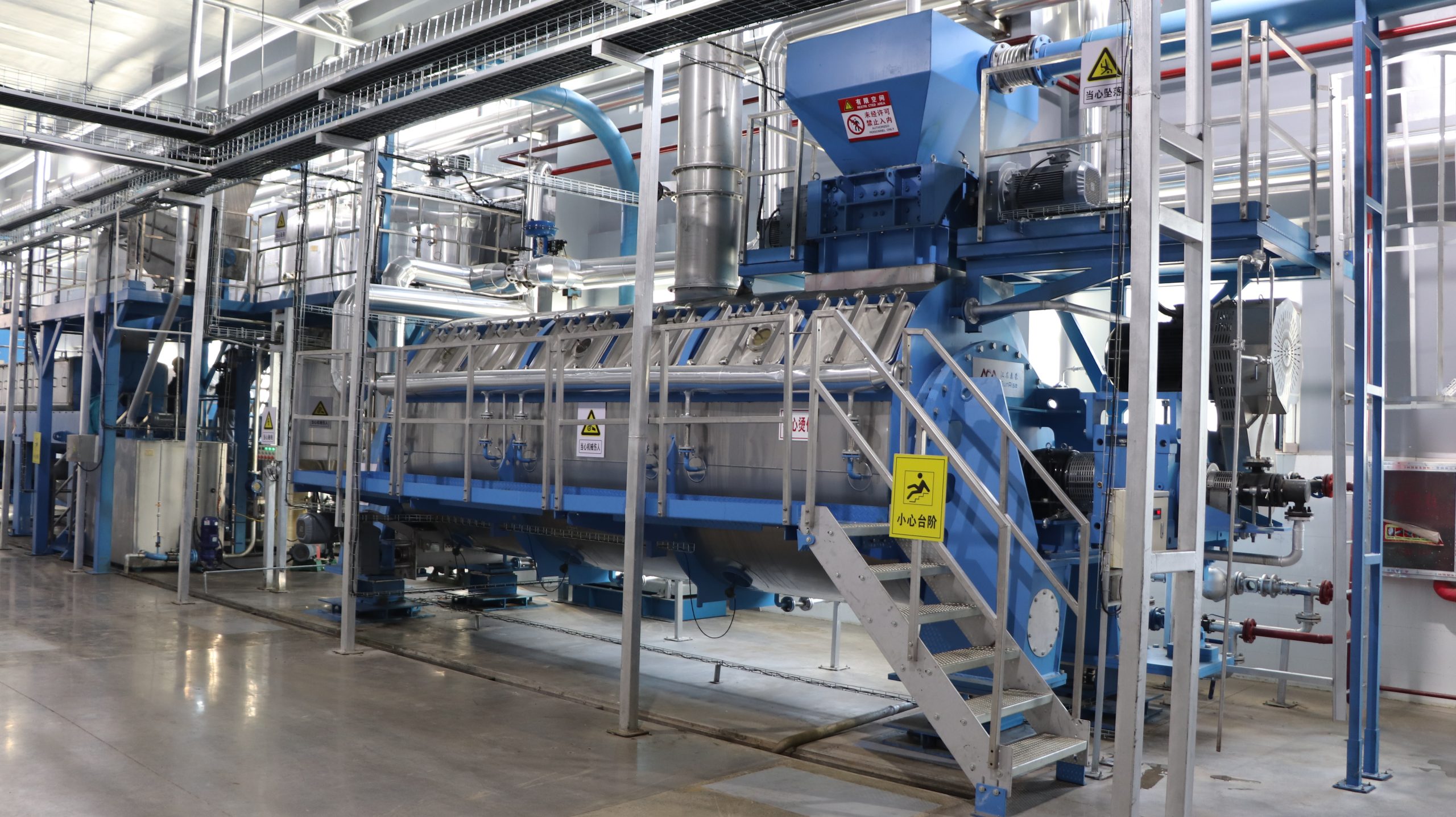
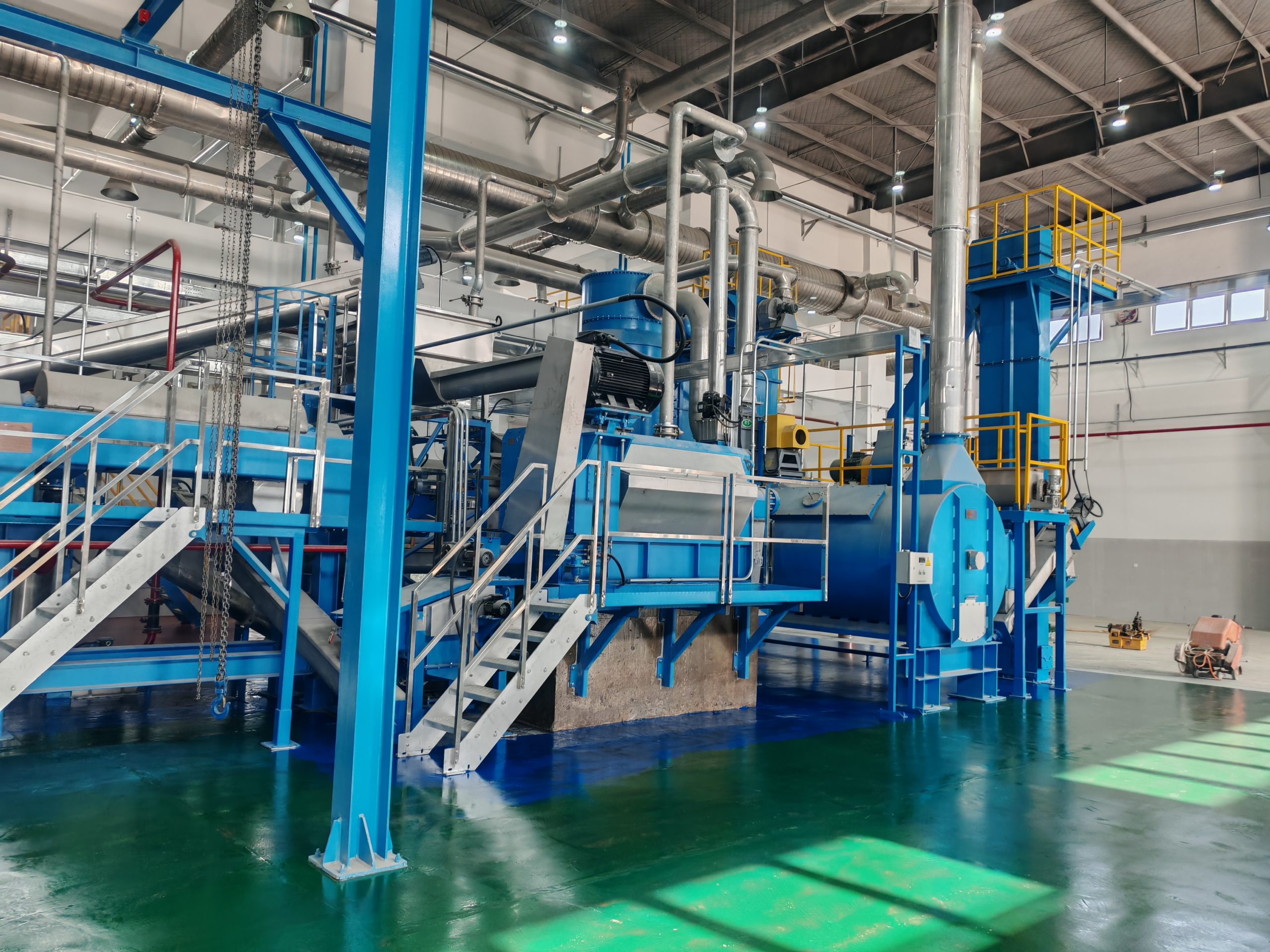
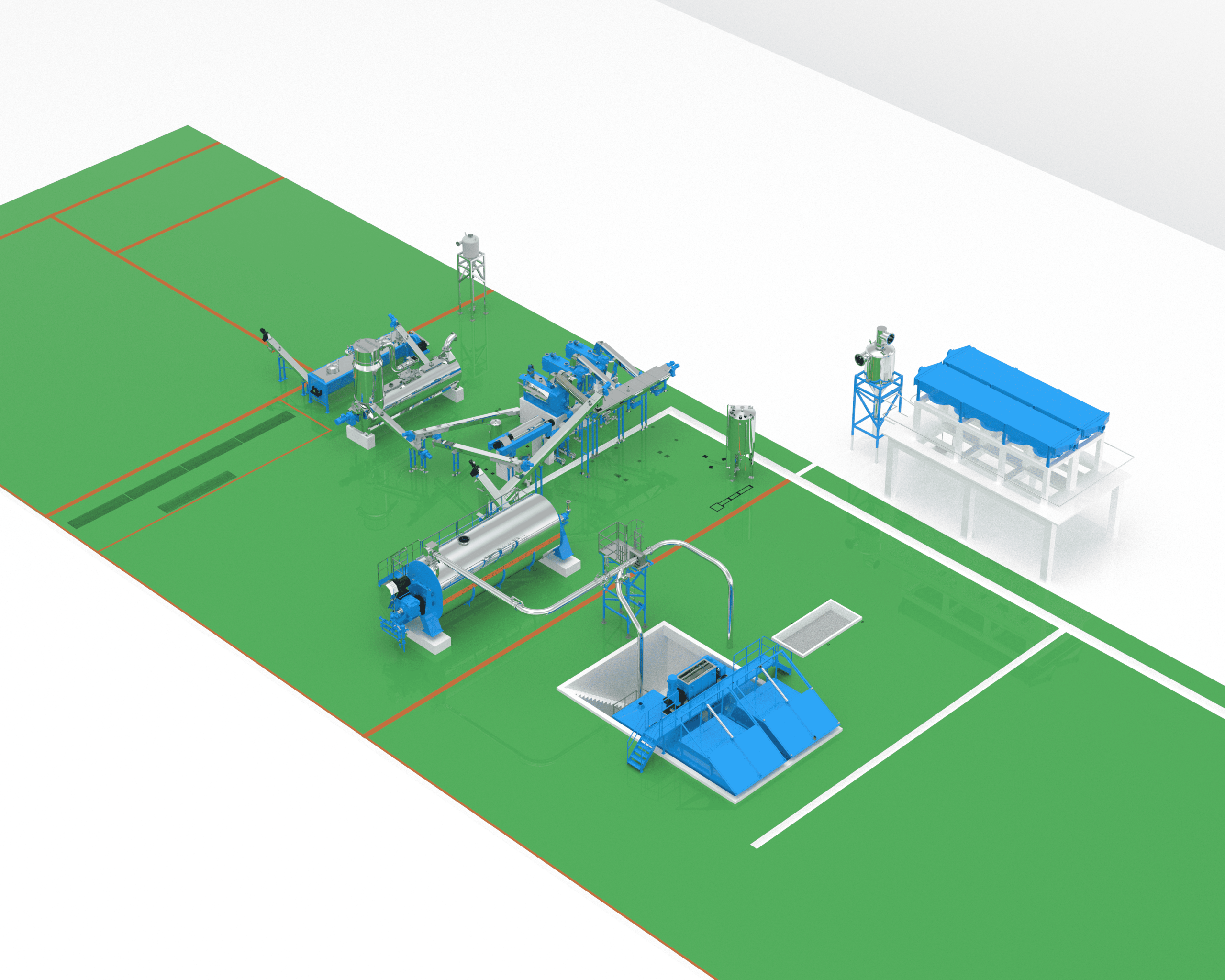
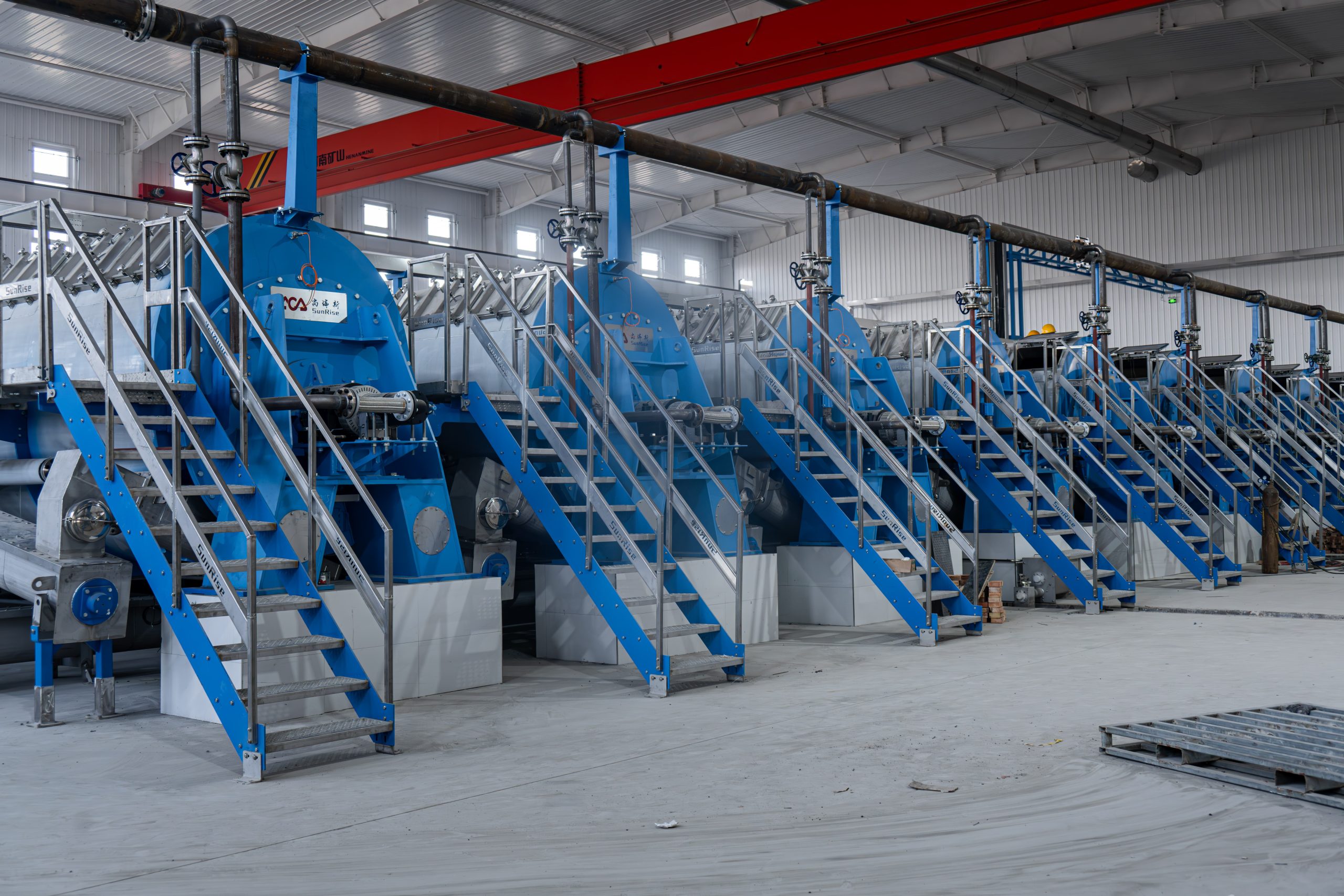
Modern feather meal processing line with hydrolyzer equipment

High TVN and histamine levels don’t come from bad luck — they come from stale raw material and sloppy cooker settings. Here’s exactly how to control both, with the numbers that separate premium fish meal from rejected shipments.

Rendering Equipment Preventive Maintenance Checklist: Daily, Weekly and Monthly Tasks

A rendering plant that skips maintenance doesn’t fail gracefully — it fails at 2 AM on a Saturday with a full load of raw material sitting in the receiving bin. Here’s the exact daily, weekly, and monthly checklist that keeps cookers, presses, and dryers running without surprise breakdowns.

How to Size a Rendering Plant: Capacity Planning from Raw Material Intake to Equipment Throughput

Sizing a rendering plant wrong is a mistake that costs money for the next twenty years. This guide walks you through calculating raw material intake, matching cooker and press throughput, and building in the buffer capacity most buyers forget.

Rendering Plant Commissioning Checklist: From Equipment Installation to the First Production Run

Commissioning is where rendering projects quietly get delayed by weeks — or get to full capacity on day one. This checklist walks you through the exact sequence, from mechanical installation to your first validated production run, so nothing gets skipped.

De chemie van renderingsgeuren: waarom hoge-temperatuurverwerking ze creëert en de technische maatregelen die werken

Rendementgeuren zijn geen mysterie — ze zijn een voorspelbare chemische handtekening van zwavel-, stikstof- en vetzuurafbraak bij 90–140°C. Hier is de moleculaire reden achter elke stankgolf van een renderingsfabriek, en de technische maatregelen die ze daadwerkelijk bij de bron neutraliseren.

Hoe vocht, temperatuur en deeltjesgrootte de eindproductkwaliteit in gerenderde meelsoorten beïnvloeden

Vocht boven 10%, temperaturen boven 145°C en inconsistente deeltjesgrootte zijn de drie stille moordenaars van de waarde van gerenderd meel. Hier is precies hoe elke variabele de eiwitverteerbaarheid, houdbaarheid en verkoopprijs beïnvloedt — en de operationele vensters die premiummeel scheiden van voederkwaliteit.

Bloedmeelverwerking: waarom de meeste fabrieken 15% eiwitopbrengst verliezen zonder het te weten

rocessing: Why Most Plants Are Losing 15% of Protein Yield Without Knowing It

De meeste bloedmeelfabrieken verliezen stilletjes 12–18% van hun potentiële eiwitopbrengst door overkoken, slechte coagulatie en fouten bij het drogen stroomafwaarts. Hier is waar het eiwit daadwerkelijk verdwijnt — en de technische oplossingen om het terug te winnen.

From Slaughterhouse Waste to Aquafeed Ingredient: How Fish Rendering Is Reshaping Asian Aquaculture in 2026

De Aziatische aquacultuur draait stilletjes op een nieuwe brandstof: vismeel en -olie gerenderd uit slachtafval en visverwerkingsafval. Hier is hoe de technologie, de economie en de regelgeving samenkomen in 2026 — en wat verwerkers eraan moeten doen.

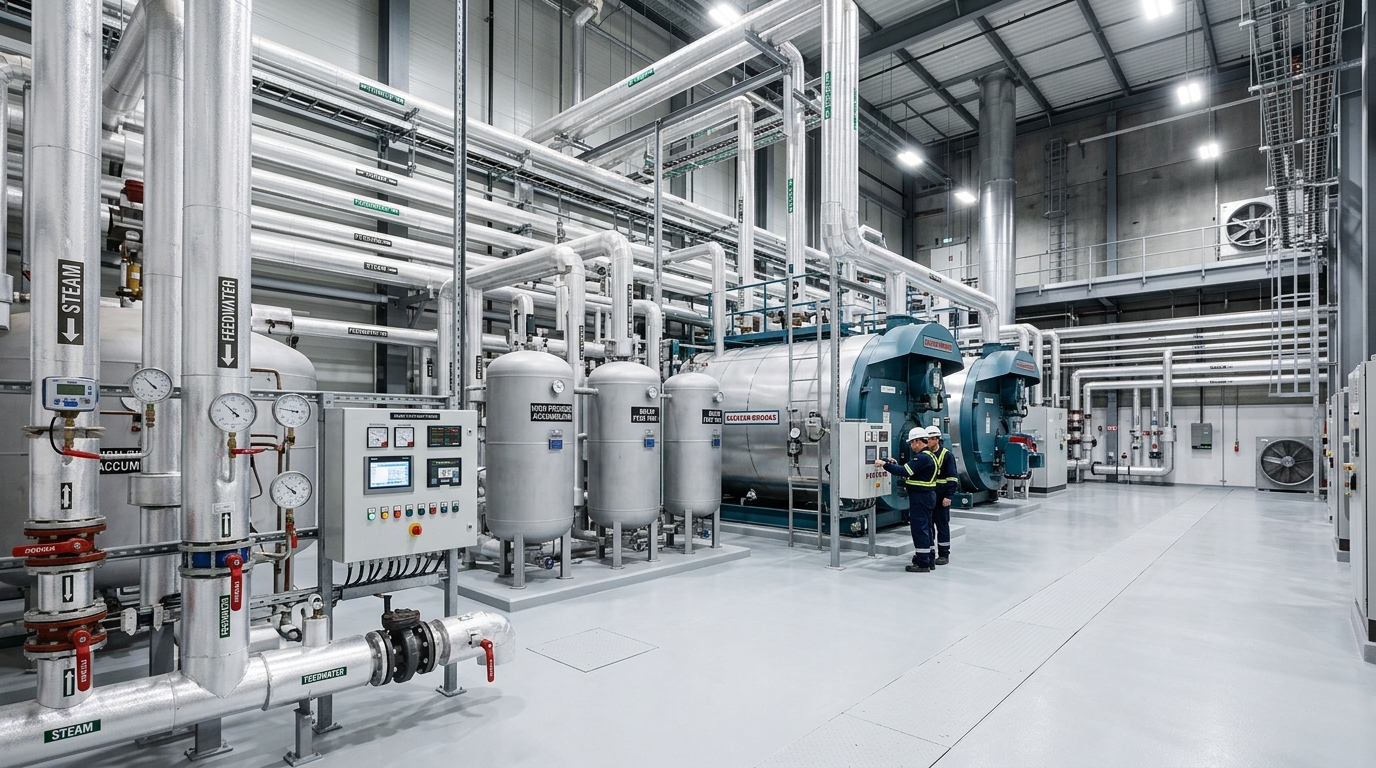
Rendering Plant Energy Consumption: 7 Engineering Tweaks That Cut Steam Costs by 30%

Rendering Plant Energy Consumption: 7 Engineering Tweaks That Cut Steam Costs by 30%

Stoom is de grootste operationele kostenpost in de meeste renderingsfabrieken — vaak 40–60% van de totale energiekosten. Deze zeven bewezen technische aanpassingen richten zich op warmteterugwinning, condensaatbeheer en procesoptimalisatie om de stoomkosten tot 30% te verlagen zonder uw kernapparatuur te vervangen.

  • Arabisch

  • Chinees (Vereenvoudigd)

  • Russisch

  • Nederlands

  • Engels

  • Frans

  • Duits

  • Italiaans

  • Portugees

  • Spaans