Feather Meal Digestibility: How Hydrolysis Time, Temperature, and Pressure Affect Pepsin Digestibility

Pepsin digestibility in feather meal isn’t luck — it’s a direct outcome of how hard, how long, and at what pressure you cook the keratin. Get the numbers right and you can hit 85%+ digestibility; get them wrong and you’re selling low-value protein dust.
Preventing Fish Meal Oxidation: Cooling, Antioxidant Dosing, and Storage Control

Fish meal doesn’t just spoil in storage — it can literally catch fire if you get the cooling and antioxidant dosing wrong. Here’s the engineering playbook for keeping oxidation, and self-heating risk, under control from the dryer discharge to the warehouse floor.

Controlling TVN and Histamine in Fish Meal Production: Raw Material Freshness and Cooker Settings

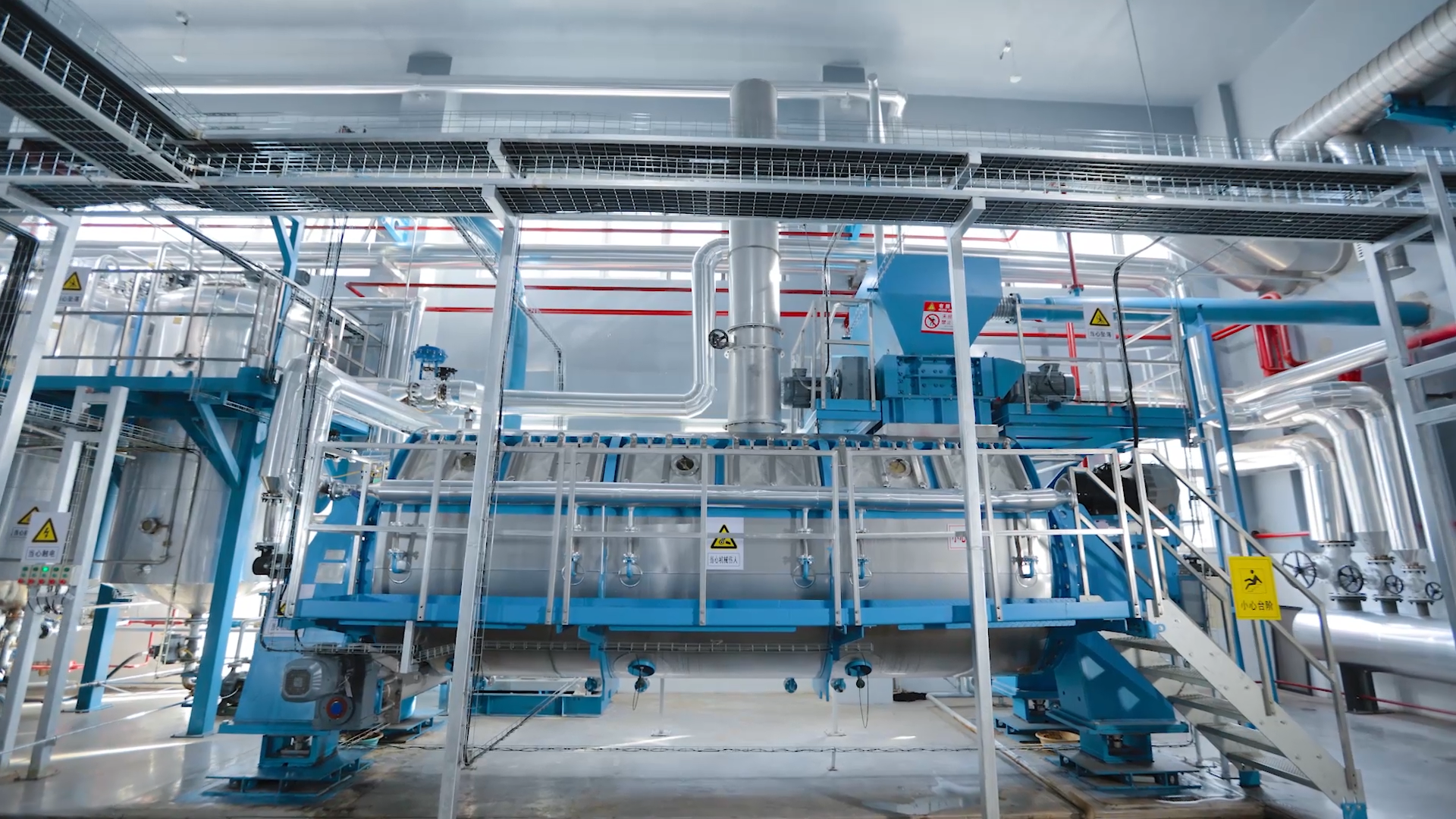
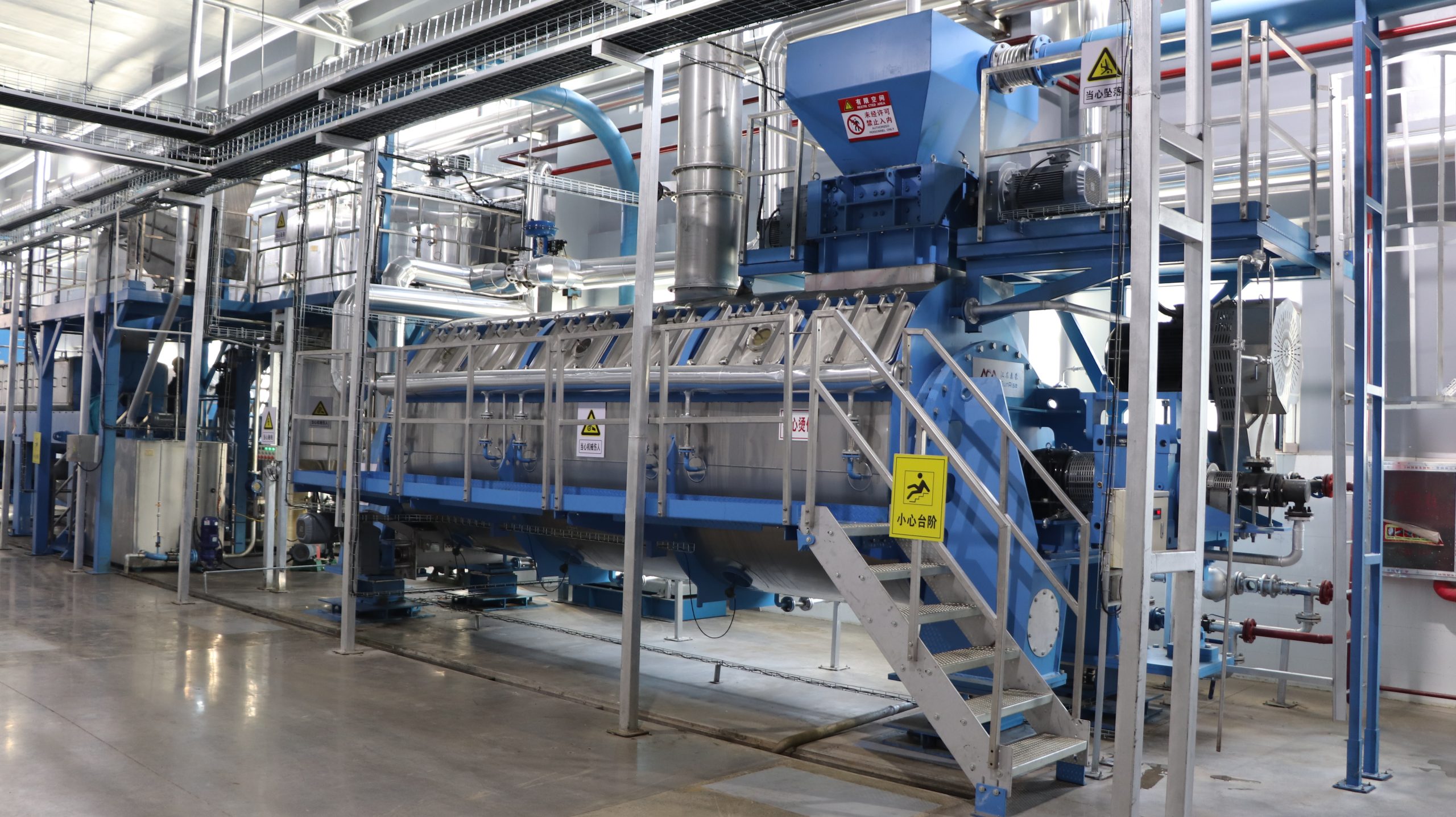
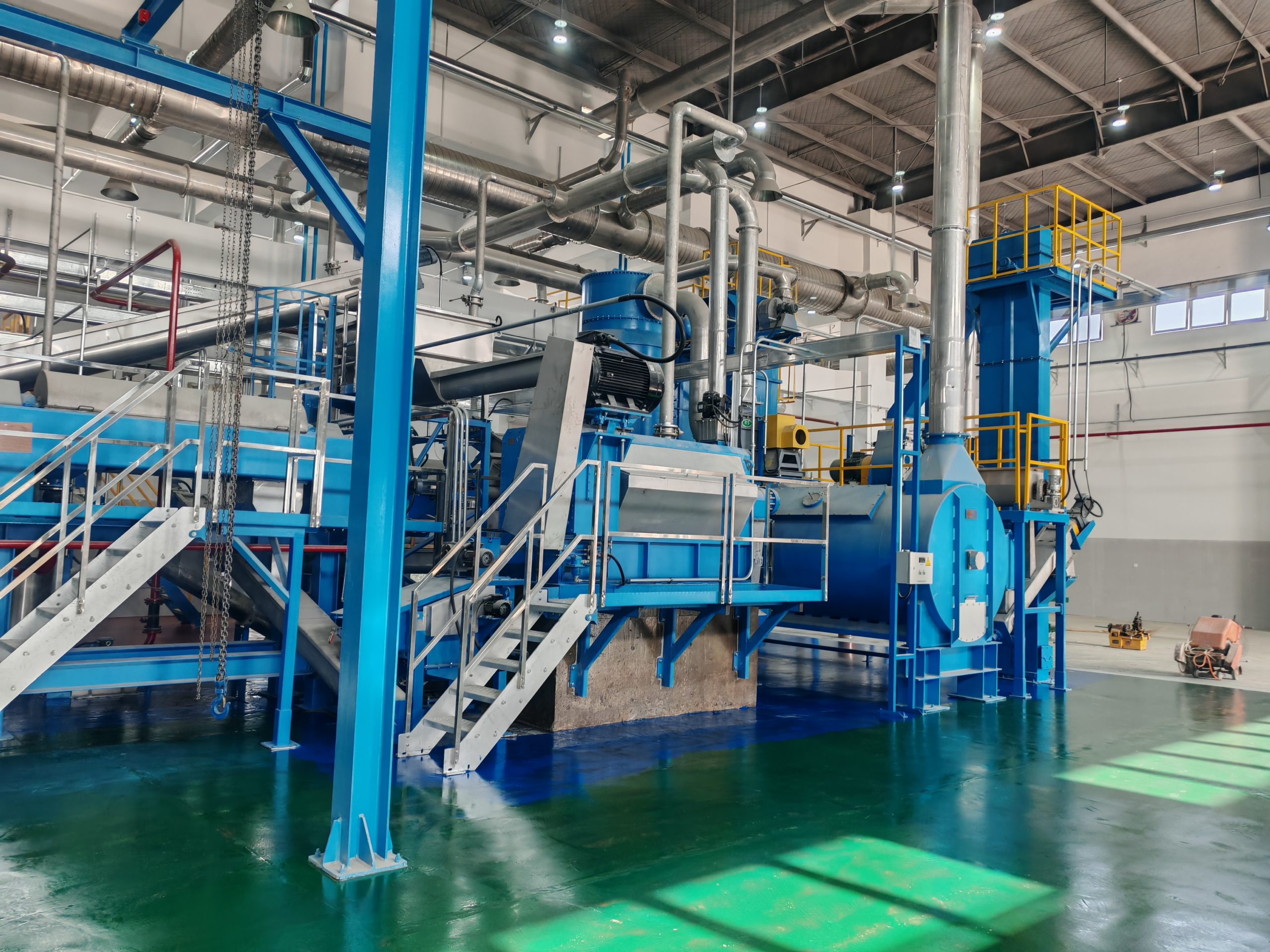
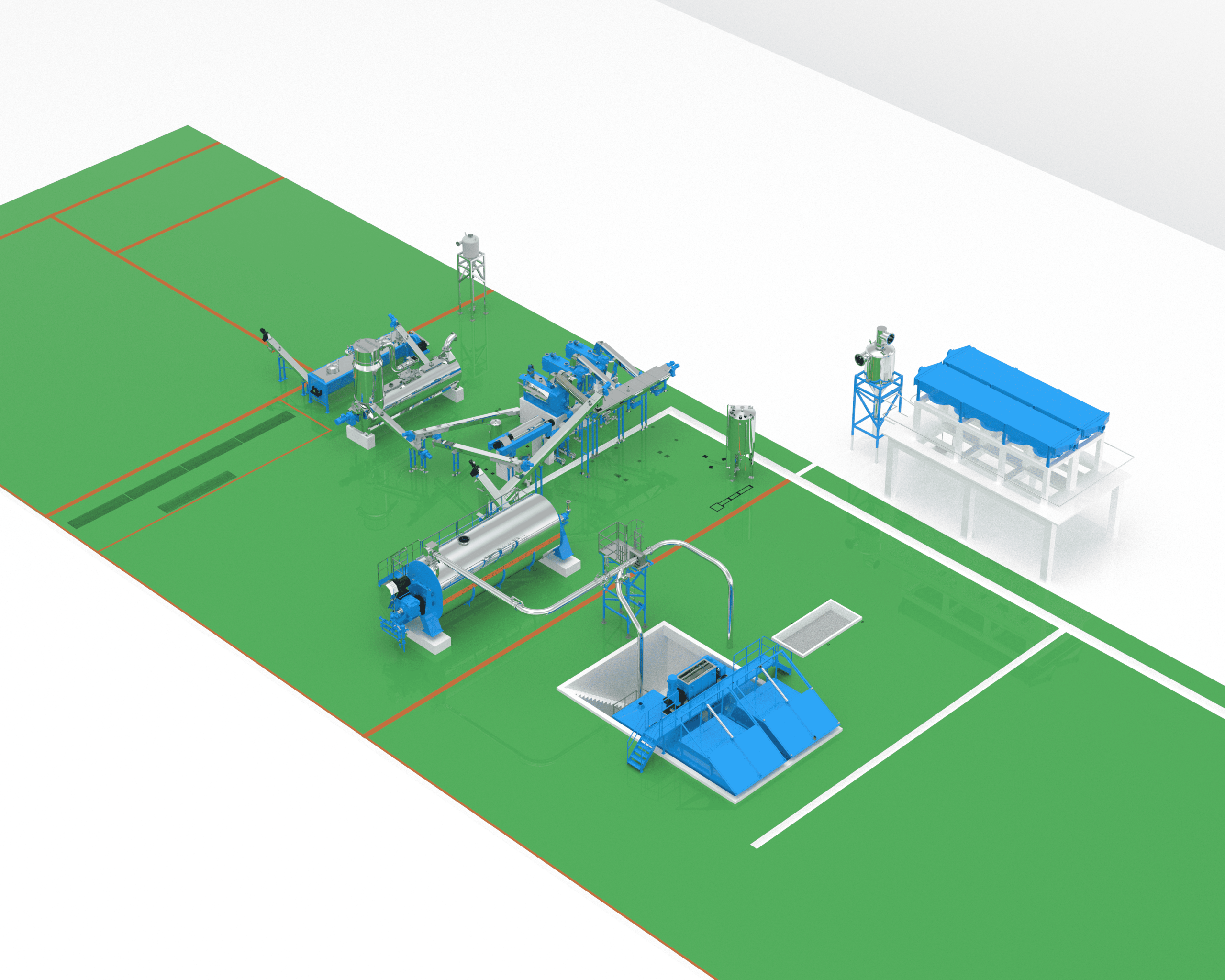
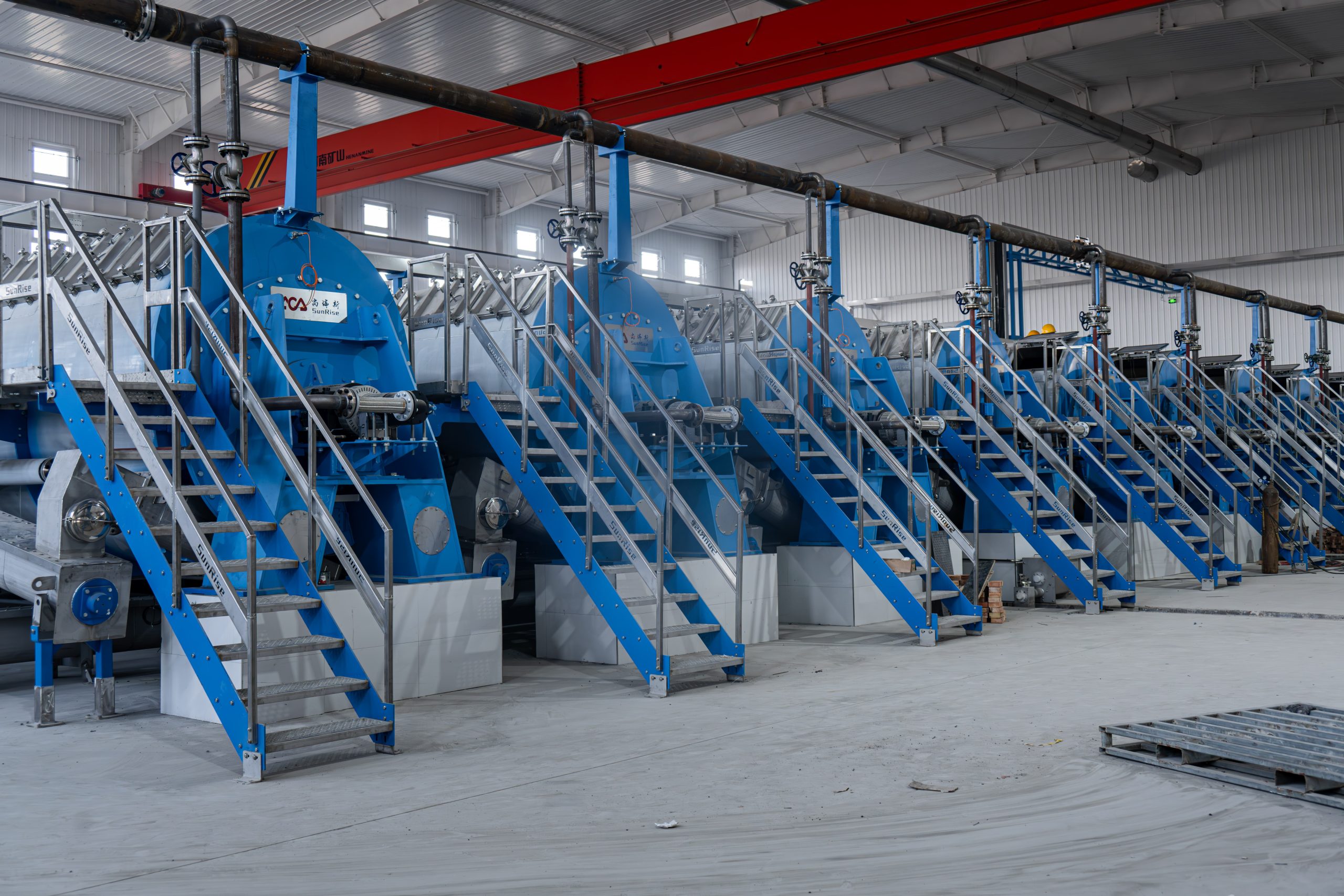
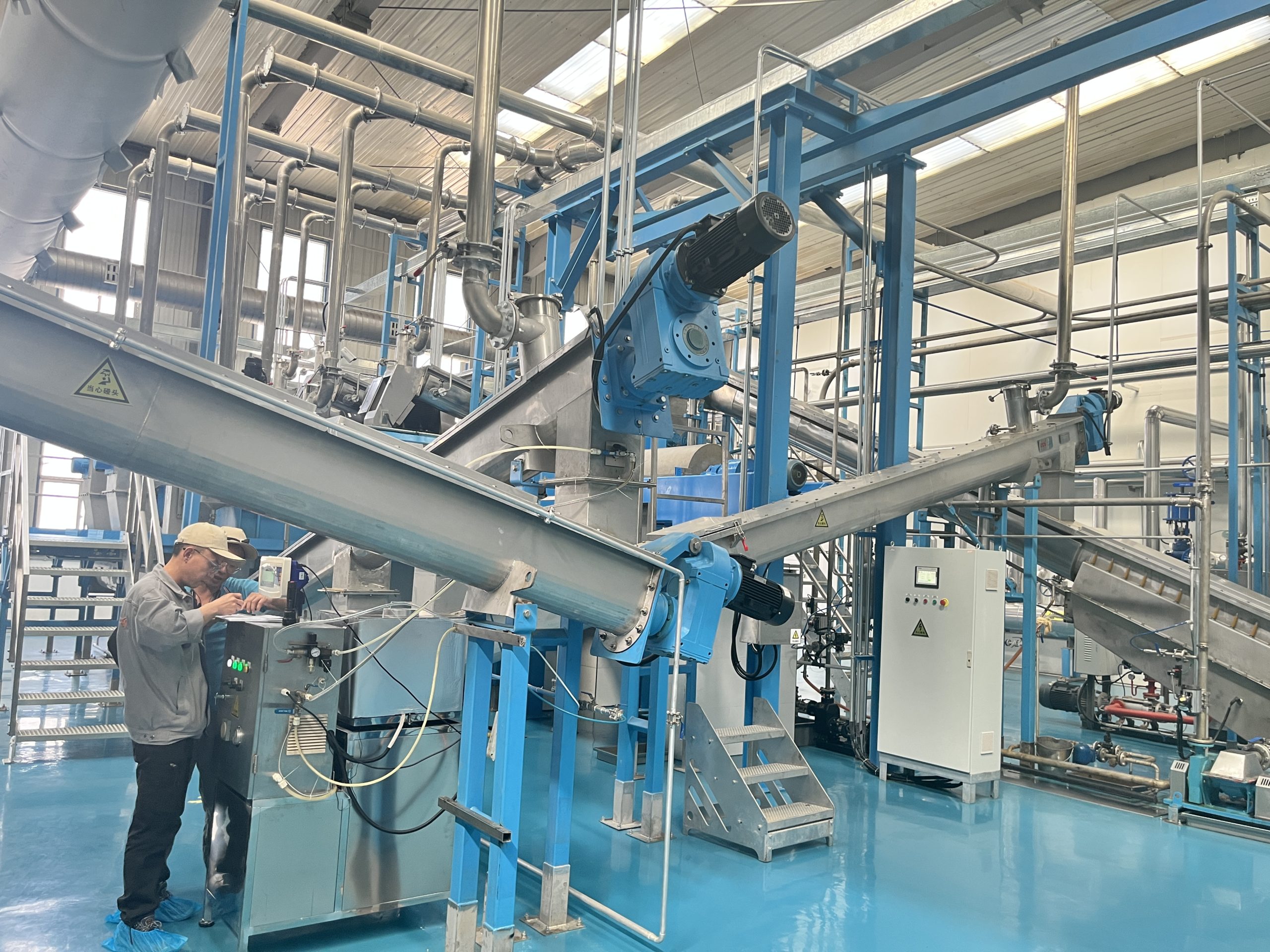
Modern feather meal processing line with hydrolyzer equipment

High TVN and histamine levels don’t come from bad luck — they come from stale raw material and sloppy cooker settings. Here’s exactly how to control both, with the numbers that separate premium fish meal from rejected shipments.

Rendering Equipment Preventive Maintenance Checklist: Daily, Weekly and Monthly Tasks

A rendering plant that skips maintenance doesn’t fail gracefully — it fails at 2 AM on a Saturday with a full load of raw material sitting in the receiving bin. Here’s the exact daily, weekly, and monthly checklist that keeps cookers, presses, and dryers running without surprise breakdowns.

How to Size a Rendering Plant: Capacity Planning from Raw Material Intake to Equipment Throughput

Sizing a rendering plant wrong is a mistake that costs money for the next twenty years. This guide walks you through calculating raw material intake, matching cooker and press throughput, and building in the buffer capacity most buyers forget.

Rendering Plant Commissioning Checklist: From Equipment Installation to the First Production Run

Commissioning is where rendering projects quietly get delayed por weeks — or get to full capacity on day one. This checklist walks you through the exact sequence, from mechanical installation to your first validated production run, so nothing gets skipped.

La Química de los Olores del Renderizado: Por Qué el Procesamiento a Alta Temperatura los Crea y los Controles de Ingeniería que Funcionan

Los olores de la renderización no son un misterio: son una firma química predecible de la descomposición de azufre, nitrógeno y ácidos grasos a 90–140°C. Aquí está la razón molecular detrás de cada ola de hedor de una planta de renderización y los controles de ingeniería que realmente los neutralizan en la fuente.

Cómo la Humedad, la Temperatura y el Tamaño de Partícula Afectan la Calidad Final del Producto en Harinas Renderizadas

La humedad superior al 10%, temperaturas superiores a 145°C y un tamaño de partícula inconsistente son los tres asesinos silenciosos del valor de la harina renderizada. Aquí está exactamente cómo cada variable afecta la digestibilidad de la proteína, la vida útil y el precio de venta, y las ventanas operativas que separan la harina premium de los finos de grado alimenticio.

Procesamiento de Harina de Sangre: Por Qué la Mayoría de las Plantas Pierden el 15% del Rendimiento de Proteína Sin Saberlo

rocessing: Why Most Plants Are Losing 15% of Protein Yield Without Knowing It

La mayoría de las plantas de harina de sangre pierden silenciosamente entre el 12 y el 18% de su rendimiento potencial de proteína debido a sobrecocción, mala coagulación y errores en el secado posterior. Aquí es donde la proteína realmente desaparece y las soluciones de ingeniería que la recuperan.

De Residuos de Matadero a Ingrediente para Alimento Acuícola: Cómo el Renderizado de Pescado Está Transformando la Acuicultura Asiática en 2026

La acuicultura asiática está funcionando silenciosamente con un nuevo combustible: harina de pescado y aceite renderizados a partir de desechos de mataderos y procesamiento de mariscos. Aquí está cómo la tecnología, la economía y las regulaciones convergen en 2026, y qué deben hacer los procesadores al respecto.

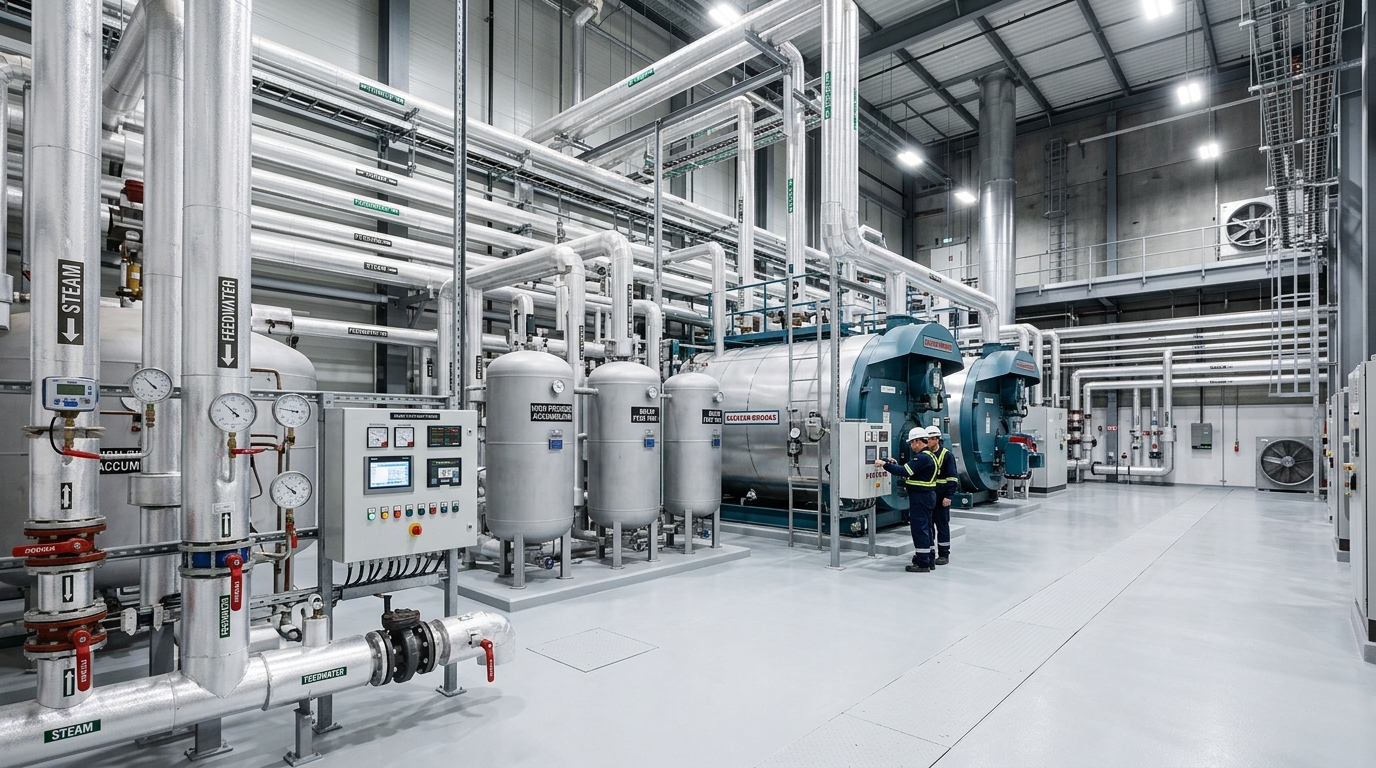
Rendering Plant Energy Consumption: 7 Engineering Tweaks That Cut Steam Costs por 30%

Rendering Plant Energy Consumption: 7 Engineering Tweaks That Cut Steam Costs by 30%

El vapor es el mayor costo operativo individual en la mayoría de las plantas de renderización, a menudo entre el 40 y el 60% del gasto energético total. Estos siete ajustes de ingeniería probados se centran en la recuperación de calor, la gestión de condensados y la optimización de procesos para reducir los costos de vapor hasta en un 30% sin reemplazar su equipo principal.

  • Árabe

  • Chino (Simplificado)

  • Ruso

  • Neerlandés

  • Inglés

  • Francés

  • Alemán

  • Italiano

  • Portugués

  • Español